
Biology & Health
Why Déjà Vu Happens — The Brain Science
Why does déjà vu happen? Neuroscience explains the memory mismatch, dual-processing, and temporal lobe theories behind the 'already seen' feeling.
35 articles tagged with #memory
Why does déjà vu happen? Neuroscience explains the memory mismatch, dual-processing, and temporal lobe theories behind the 'already seen' feeling.

Most adults forget 95% of dreams within minutes. The neuroscience: low norepinephrine, MCH neurons, weak hippocampal coupling, and how to remember more.
In a crash or fall, time seems to stretch. The science says it's not real-time slowdown — it's denser memory. Here's how the brain does it.
How the brain encodes, stores, and retrieves memories: the hippocampus, long-term potentiation, sleep consolidation, forgetting, and why false memories feel real.

Dreams are not random brain noise or Freudian wish-fulfillment. Neuroscience points to a far more functional and surprising explanation.
Elephants remember watering holes used decades ago and recognize family members after 23 years apart. Here's the science behind that.
How studying sea slug neurons revealed molecular mechanisms of learning and long-term memory formation
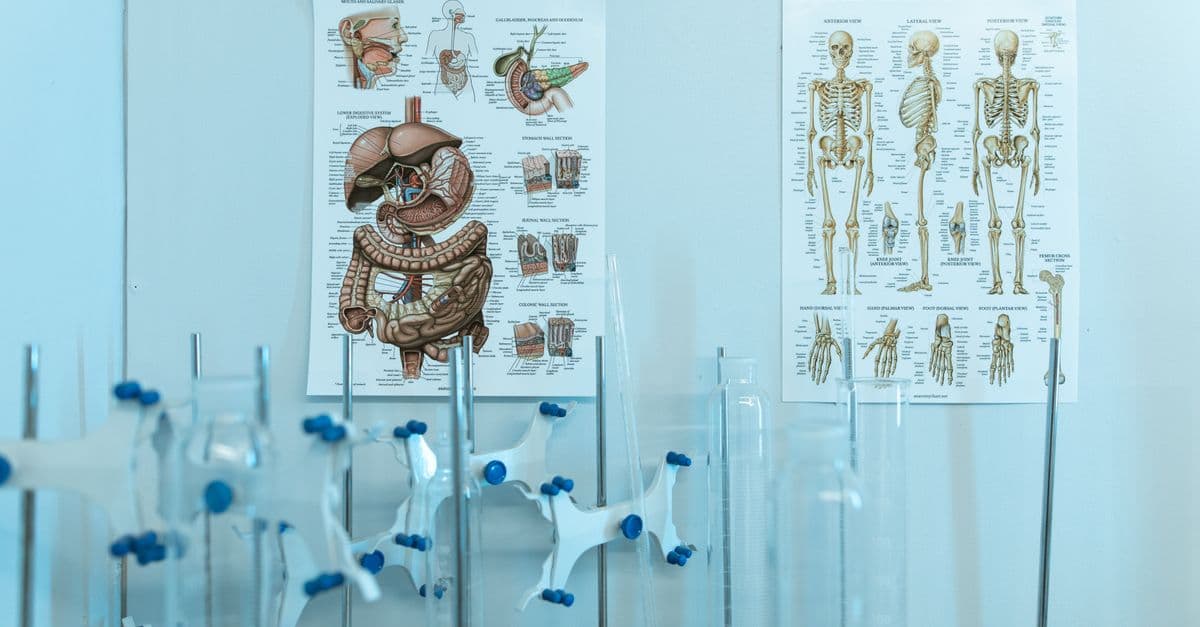
How Ivan Pavlov's dogs revolutionized understanding of learned behavior and memory formation

Decades of cognitive science research have transformed our understanding of how brains learn. The methods most students use are among the worst. Here's what actually works.
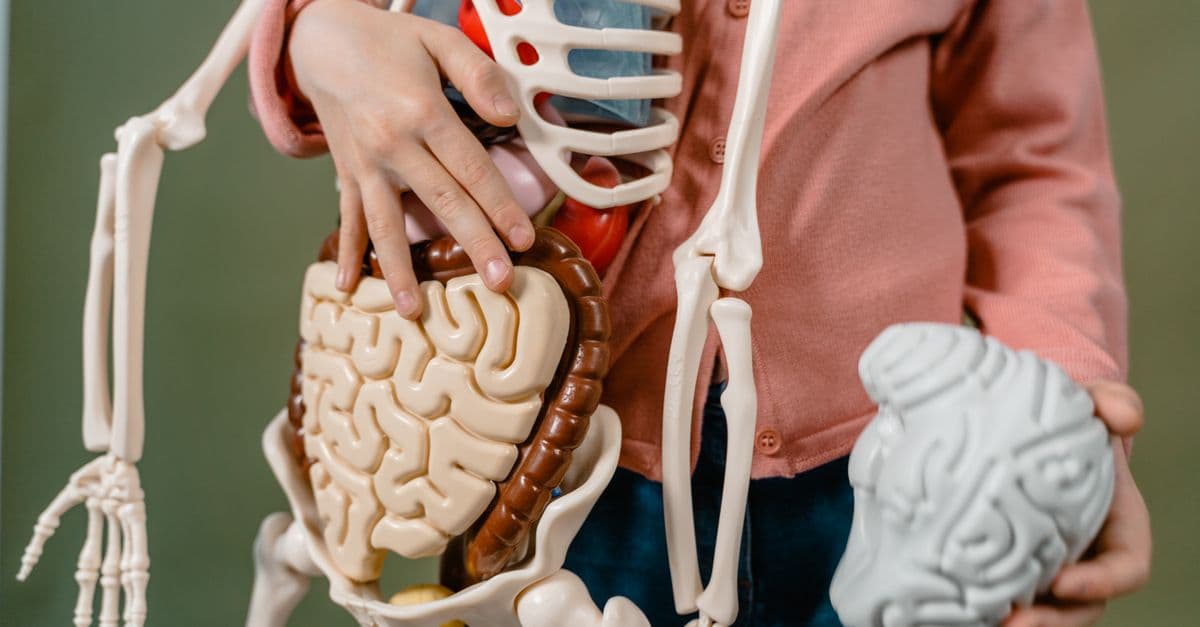
Your brain has 86 billion neurons firing at 1,000 trillion connection points. Here's a tour of how it actually generates everything you think, feel, and remember.

People remember Nelson Mandela dying in prison, the Berenstein Bears (not Berenstain), and Pikachu's tail tip being black. The "Mandela effect" — but it's memory, not a multiverse glitch.