
Inventions
GPS Invention: Satellites, Atomic Clocks, and Relativity
GPS was not one person's invention. It came from satellites, atomic clocks, relativity, military navigation, and decades of engineering.
6 articles tagged with #navigation
GPS was not one person's invention. It came from satellites, atomic clocks, relativity, military navigation, and decades of engineering.

An Arctic tern chick hatches in Greenland, fledges, and within weeks makes its first 70,000 km round-trip migration to Antarctica — a journey it has never made before, with no experienced adult to follow. By the end of its 30-year life, it will have flown the equivalent of three trips to the Moon and back. The mechanisms behind this feat involve quantum physics, internal clocks, and a navigation system more sophisticated than anything human engineers have yet replicated.
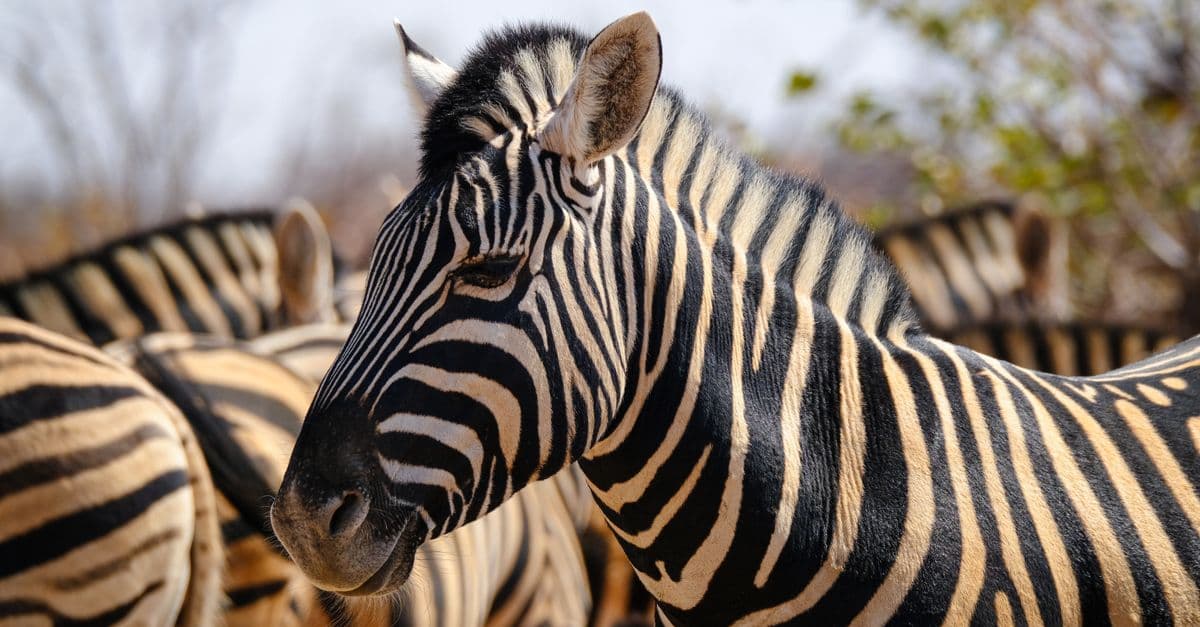
A hatchling loggerhead sea turtle that has never left its home beach swims in the right direction inside a tank where the only clue is an artificial magnetic field. Here is how animals read Earth's magnetic field, which explanations have the best evidence, and which parts of the story are still contested.
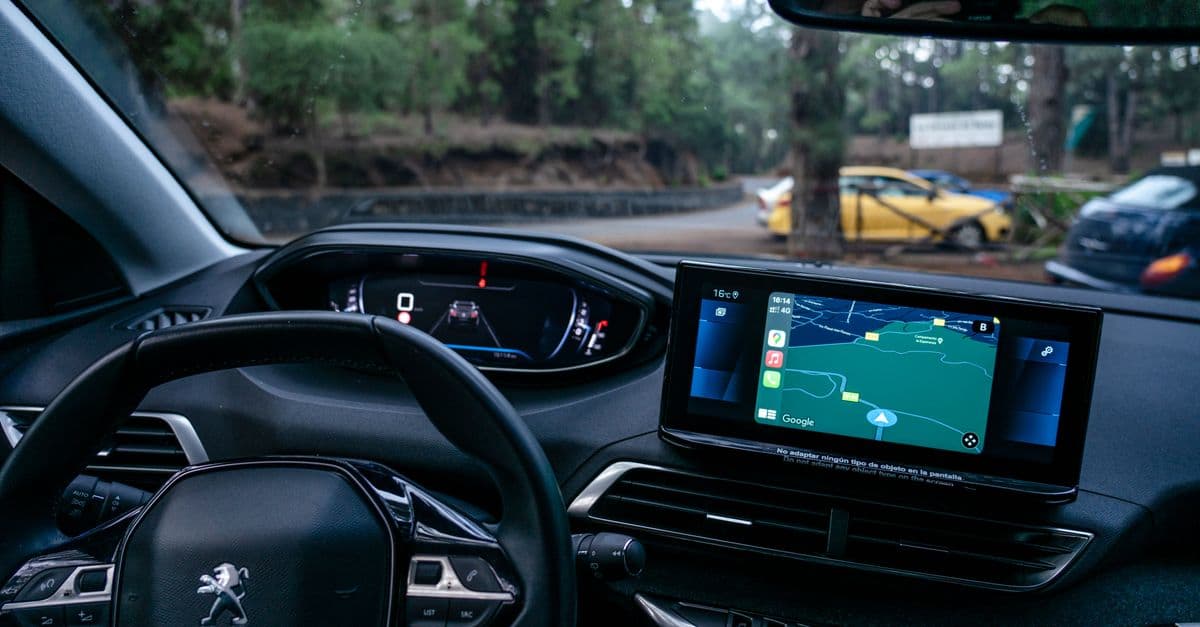
GPS uses clocks accurate to a billionth of a second and Einstein's relativity to pinpoint you anywhere on Earth within meters.

A bar-tailed godwit flies 11,000 km non-stop from Alaska to New Zealand. How animals navigate across hemispheres remains one of biology's great mysteries.

Beyond tides and axial tilt, a moonless sky would have rewritten human calendars, coastal navigation, and the reproductive clocks of thousands of species. Here's the cultural and biological story the physics leaves out.