Skip to content
ISSUE 10.28.26/24 CATEGORIES

nucleosynthesis

6 articles tagged with #nucleosynthesis

Close-up of vintage vinyl records in a music store display, emphasizing classic album covers.
World Records

The Most Abundant Elements in the Universe: Why the Cosmos Is Mostly Hydrogen and Helium

Hydrogen makes up approximately 74% of all ordinary matter in the universe by mass — about 92% of all atoms. Helium accounts for roughly 24% of ordinary mass. Everything else — every carbon atom in every living cell, every silicon atom in every rock, every iron atom in every star's core — adds up to approximately 2% of the universe's total atomic mass. The dominance of hydrogen and helium is not a coincidence or a geological quirk. It is a direct record of the conditions that existed in the first three minutes after the Big Bang. Understanding why the cosmos is almost entirely these two lightest elements tells you how the universe was born and how it will eventually end.
Editorial Team·June 3, 2026·19 min
Stunning view of a colorful nebula in space against a backdrop of stars.
Space

AGB Stars: The Carbon Factories That Seed the Universe

Most of the carbon in your body was not made in a supernova. It was made in the bloated outer layers of a dying star on the asymptotic giant branch — a phase of stellar evolution so chemically productive that a single AGB star can enrich the surrounding interstellar medium with more carbon than a thousand supernovae. These stars pulse, dredge up nuclear-processed material from their interiors, and blow it into space in slow, dense winds that eventually become planetary nebulae.

Editorial Team·June 1, 2026·17 min
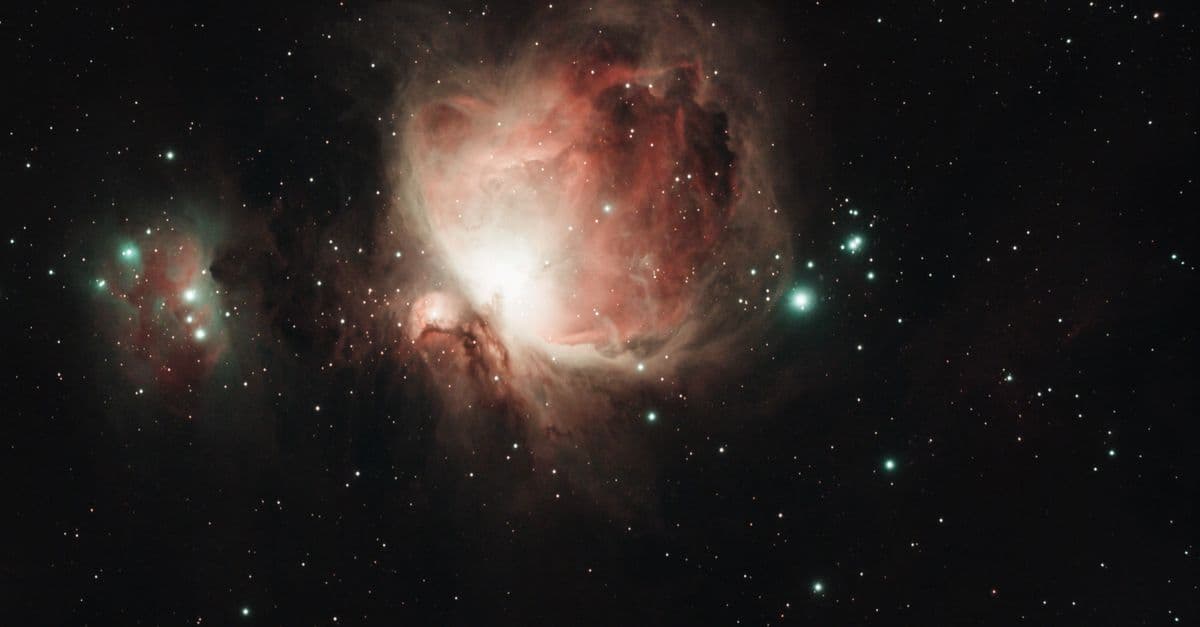
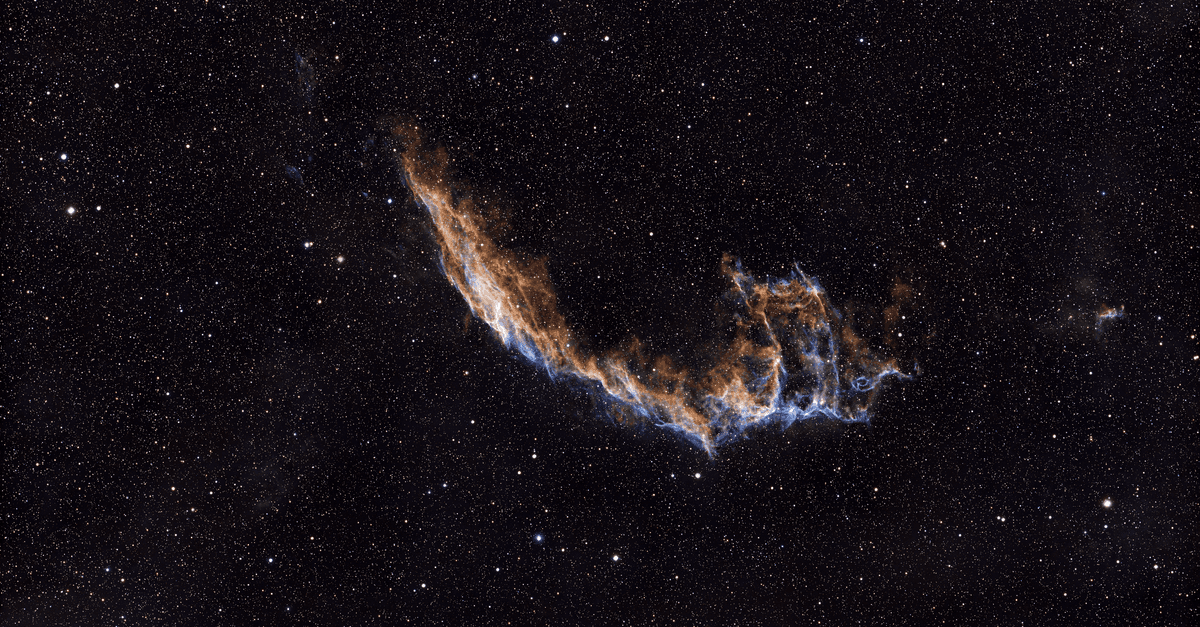
Capture of the Veil Nebula against a dense starfield, showcasing cosmic beauty.
Space

Cassiopeia A: The Youngest Supernova Remnant in the Milky Way

Cassiopeia A is the expanding debris field of a star that exploded around 1680 CE — yet almost no one on Earth recorded it. Today, X-ray and infrared telescopes reveal a forensic masterpiece: shock waves, newly minted heavy elements still glowing from the blast, and a neutron star cooling at the center. Cas A is not just a beautiful object. It is the best laboratory we have for understanding what supernovae actually do to the universe.

Editorial Team·June 1, 2026·20 min