oxygen
5 articles tagged with #oxygen

Space
How Astronauts Survive in Space: Life Support Systems Explained
An astronaut in a spacesuit orbiting Earth faces four immediate threats: the vacuum of space (zero pressure, instant death in seconds without suit), extreme temperature swings (−150°C in shadow, 150°C in sunlight), intense radiation (solar wind, cosmic rays), and hypoxia (lack of oxygen). The Environmental Control and Life Support System (ECLSS) on spacecraft manages all four through oxygen generation, carbon dioxide removal, water recycling, temperature regulation, and pressure maintenance. The International Space Station recycles 90 percent of water and generates oxygen through electrolysis. Deep-space missions to Mars will require even more sophisticated recycling: current ECLSS efficiency is insufficient for 2-year Mars transit. This article examines how astronauts survive in space, the engineering of life support, and the challenges of keeping humans alive in the harshest environment.
Experiments
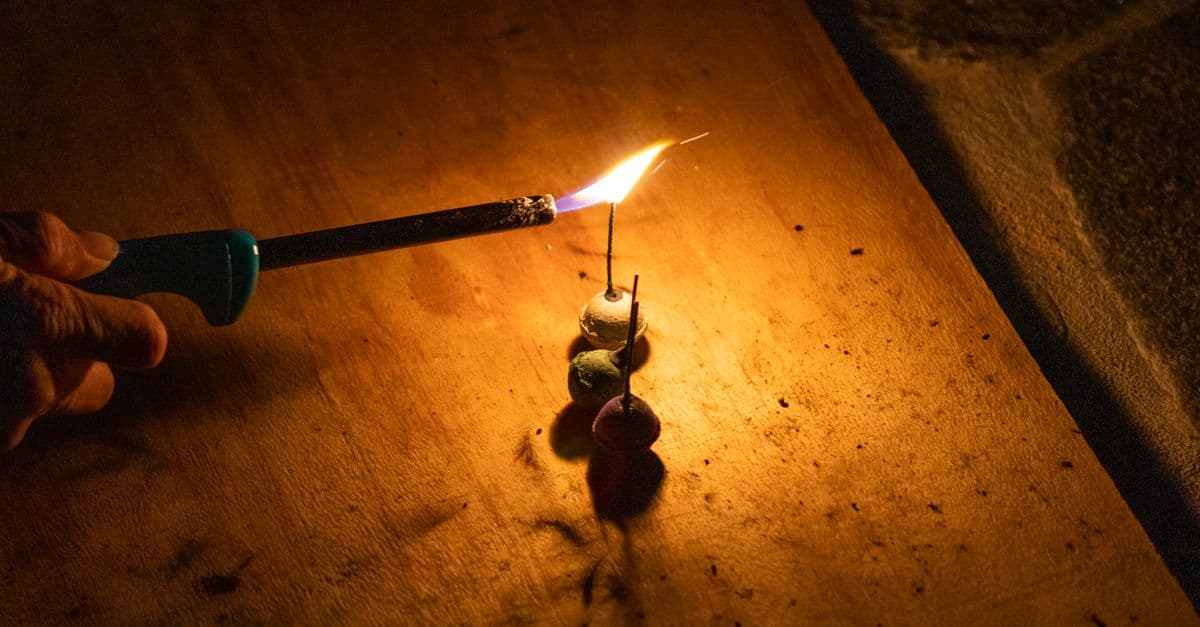
Lavoisier's Combustion Experiments: How Oxygen Ended the Phlogiston Era
In the 1770s, Antoine Lavoisier used the sealed flask and the balance to prove combustion consumes oxygen, conservation of mass holds, and phlogiston does not exist.

What If
What If Earth's Oxygen Levels Doubled?
If atmospheric oxygen rose from 21% to 42%, paper would catch fire from a single spark, lightning storms would ignite vast wildfires, and giant insects might become possible — but the world would be a tinderbox.

Biology & Health
How Photosynthesis Works — The Process That Feeds the Planet
Photosynthesis takes sunlight, water, and CO₂ and produces sugar and oxygen. It powers nearly every food chain on Earth — and it produced the air you're breathing right now.