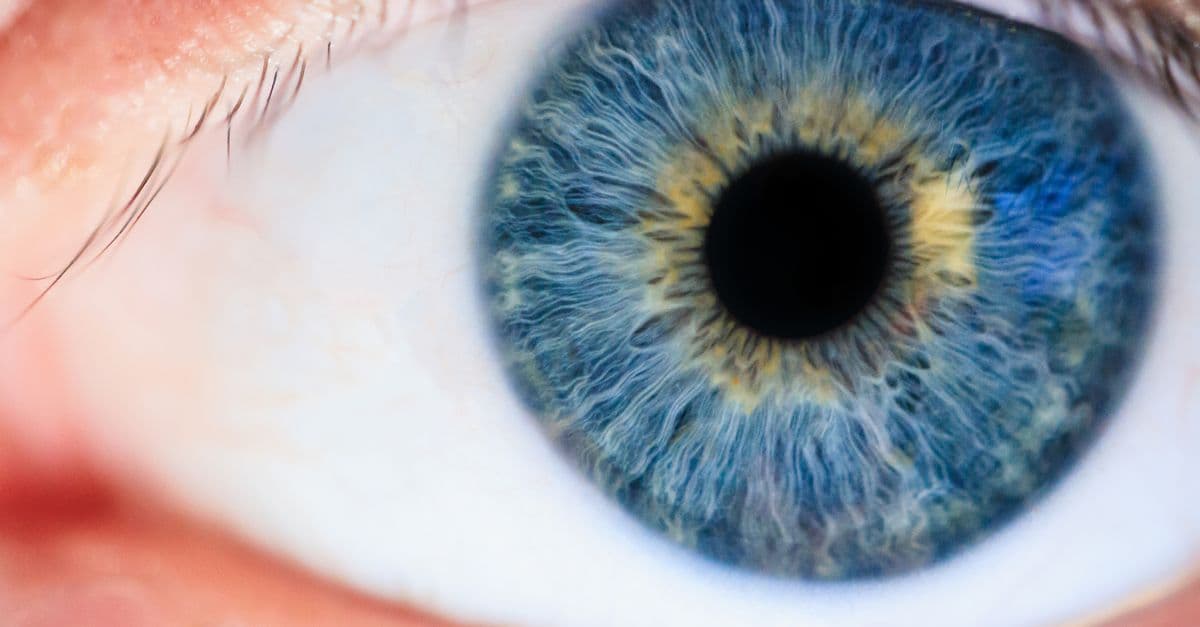
How Does the Human Eye Work? The Physics and Neuroscience of Vision
The human eye is a biological optical device, a precision camera that rivals instruments costing thousands of dollars, yet operates flawlessly for decades with zero conscious effort. Light enters through the cornea, passes through the aqueous humor, and is focused by the crystalline lens onto the retina — a thin sheet of neural tissue at the back of the eye containing two types of photoreceptors: 120 million rod cells (monochromatic, exquisitely sensitive in dim light) and 6 million cone cells (color-sensitive, active in daylight). Each photoreceptor contains millions of opsins, protein molecules that undergo a chemical transformation when struck by a photon, initiating a neural cascade that ultimately fires signals through the optic nerve to the visual cortex. The brain constructs vision from 30 discrete visual areas, each specialized for a different attribute: color, motion, depth, form. Yet we perceive a single, seamless, three-dimensional world, a construction so compelling that we believe we are seeing reality directly, unaware that the image in our visual cortex is inverted, compressed, and extensively processed.