Skip to content
ISSUE 11.08.26/24 CATEGORIES

physiology

32 articles tagged with #physiology

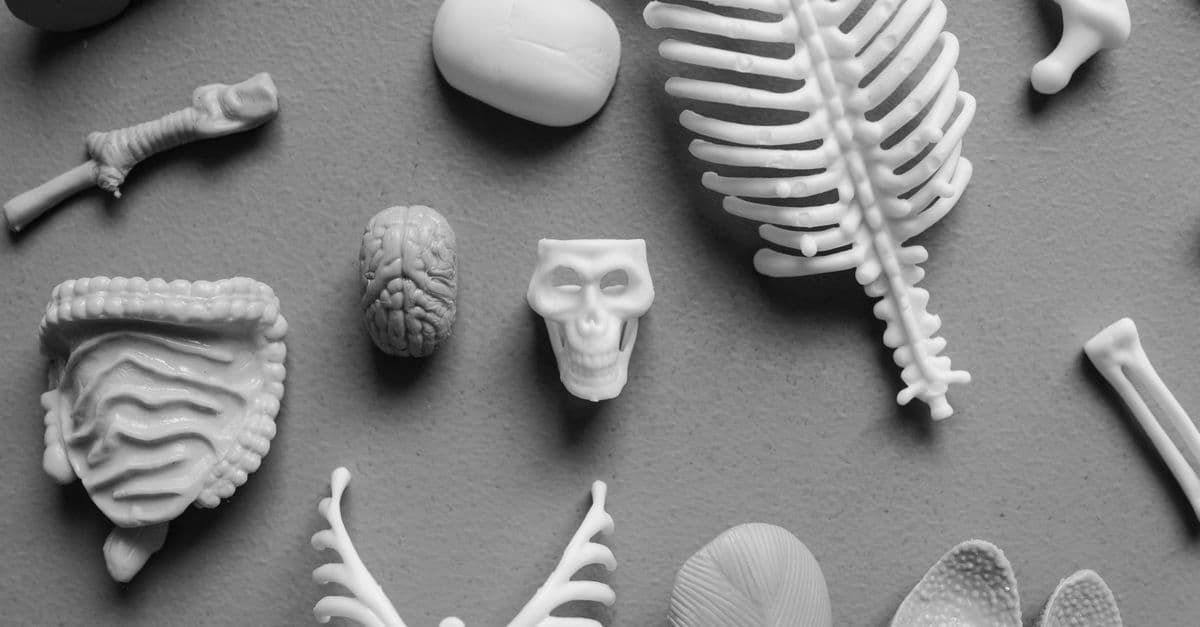
Black and white flat lay of various anatomical models including skull, rib, and brain.
Human Body

How Bones Work: Living Tissue, Remodeling, Marrow, and Why Bone Beats Steel by Weight

A cubic centimeter of compact bone can withstand about 170 megapascals of compressive stress — comparable to reinforced concrete, at a fraction of the weight. But unlike concrete, bone is alive. It has its own blood supply, repairs cracks autonomously, completely replaces its mineral matrix every 10 years, and simultaneously serves as the body's primary calcium reservoir and the factory producing every blood cell in your body. Here is how it all works.

Editorial Team·June 2, 2026·15 min
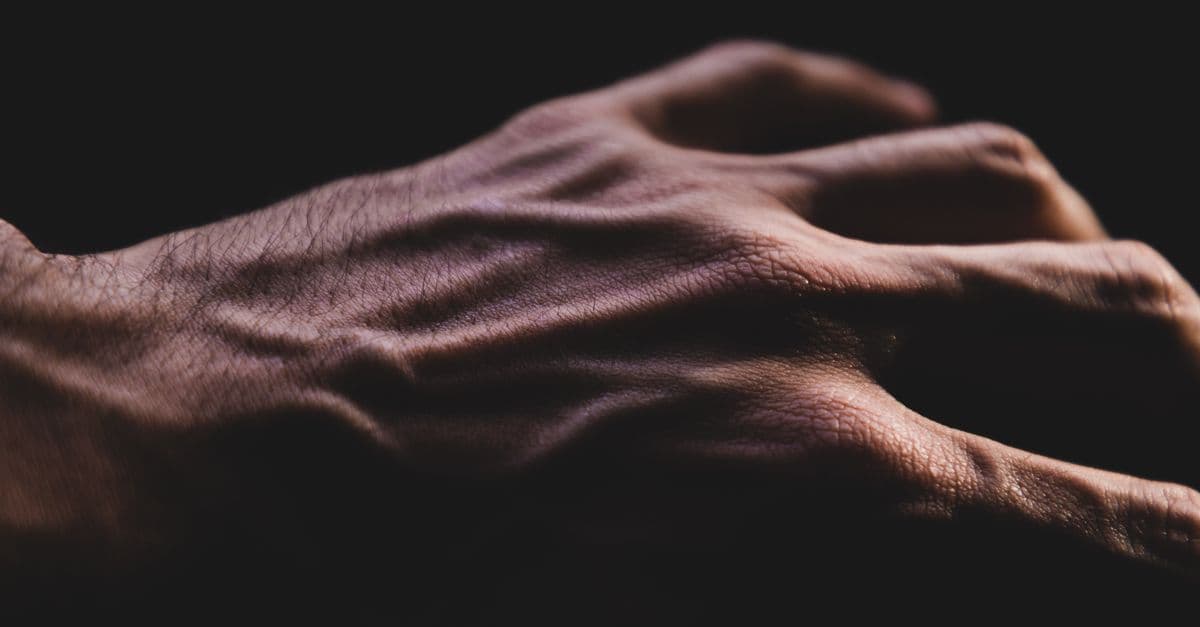
Detailed close-up of a veined adult hand with dramatic lighting and shadow effects.
Human Body

How We Taste and Smell: The Science of Flavor, 400 Odor Receptors, and the Nose-Brain Connection

Pinch your nose while eating a strawberry and the flavor nearly disappears — what remains is just sweetness with a hint of acid. Flavor, it turns out, is about 80% smell. The tongue detects only five basic tastes; the nose handles everything else through 400 distinct olfactory receptors, making smell the most molecularly diverse sensory system in the human body. Here is how these two ancient senses combine to produce the richness of what we call taste.

Editorial Team·June 2, 2026·15 min
Crop anonymous homosexual diverse friends with naked torso cuddling on gray background of studio
Human Body

Why Do We Age? The Science of Aging Explained

Aging is not a disease, a single clock winding down, or an inevitable consequence of time passing. It is a set of overlapping molecular failures that accumulate faster than cells can repair them. Researchers have now identified twelve distinct hallmarks that drive this process — and several of them can be slowed, at least in model organisms.

Editorial Team·June 2, 2026·15 min
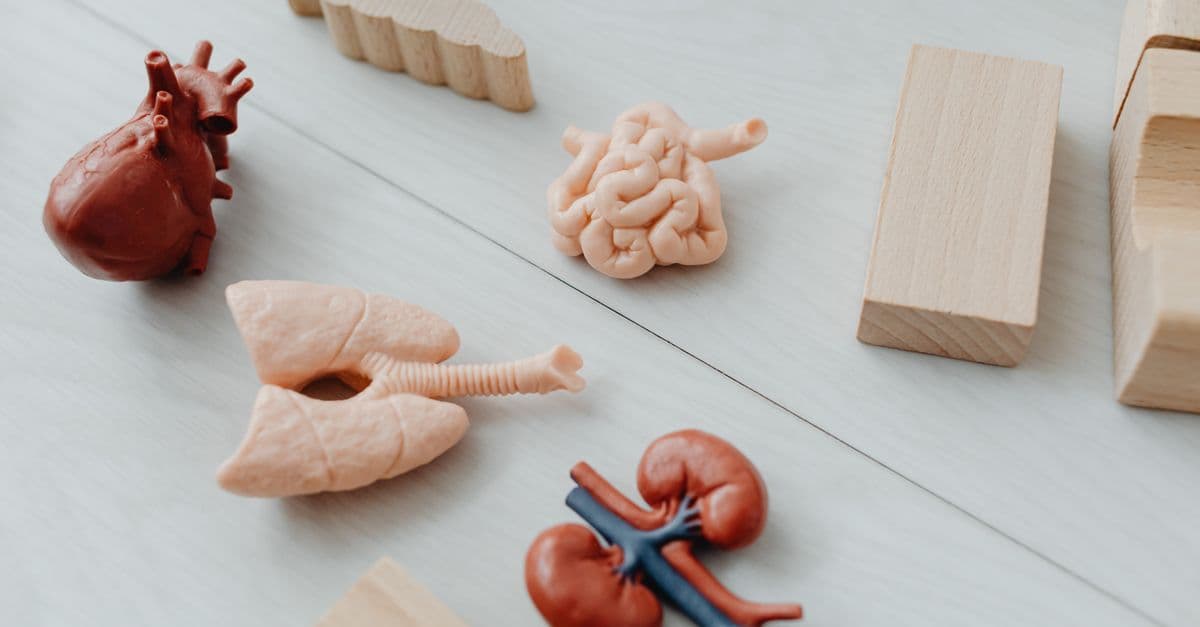
Close-up of anatomical organ models with wooden blocks, ideal for learning.
Human Body

How the Lungs Work: Breathing and Gas Exchange Explained

Your lungs perform roughly 20,000 breath cycles per day, quietly swapping carbon dioxide for oxygen across a surface the size of a tennis court — all folded into a chest cavity the size of a shoebox. Here is the full mechanism, from the diaphragm's first pull to the moment oxygen binds hemoglobin.

Editorial Team·June 2, 2026·18 min
Black and white artistic portrait of a woman in a dramatic pose.
Human Body

How the Human Heart Works: The Cardiac Cycle Explained

The heart beats more than 100,000 times per day without a single conscious command, regulated by an electrical system so precise that it can be measured from electrodes on the skin. Here is how that system works, from the first spark in the SA node to the pressure wave that reaches your fingertips.

Editorial Team·June 1, 2026·18 min