What If
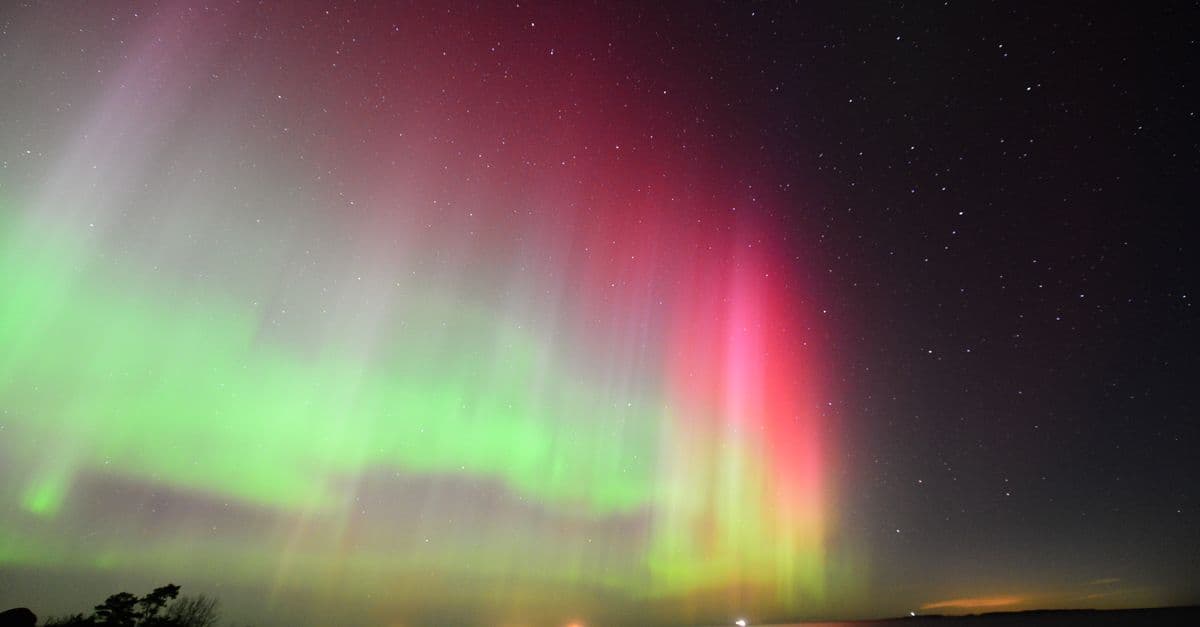
What If Earth's Magnetic Field Collapsed Tomorrow?
Earth's magnetic field has weakened by about 15 percent in 150 years, according to ESA. What would actually happen if it failed outright, and what is exaggerated?
8 articles tagged with #radiation
Earth's magnetic field has weakened by about 15 percent in 150 years, according to ESA. What would actually happen if it failed outright, and what is exaggerated?
An astronaut in a spacesuit orbiting Earth faces four immediate threats: the vacuum of space (zero pressure, instant death in seconds without suit), extreme temperature swings (−150°C in shadow, 150°C in sunlight), intense radiation (solar wind, cosmic rays), and hypoxia (lack of oxygen). The Environmental Control and Life Support System (ECLSS) on spacecraft manages all four through oxygen generation, carbon dioxide removal, water recycling, temperature regulation, and pressure maintenance. The International Space Station recycles 90 percent of water and generates oxygen through electrolysis. Deep-space missions to Mars will require even more sophisticated recycling: current ECLSS efficiency is insufficient for 2-year Mars transit. This article examines how astronauts survive in space, the engineering of life support, and the challenges of keeping humans alive in the harshest environment.

The Red Forest surrounding Chernobyl's reactor number four registers up to 100 microsieverts per hour in some areas — enough to deliver a full year's worth of normal background radiation in approximately one hour. Yet in Ramsar, Iran, people have lived for generations in homes that sit on naturally radioactive hot spring mineral deposits delivering up to 260 millisieverts per year — more than 80 times the global average background dose — with no statistically detectable increase in cancer rates. Radiation is one of the most misunderstood topics in public science communication. Understanding the most radioactive places on Earth requires understanding what radiation actually is, how it is measured, and what dose levels actually pose health risks.
In 1896, Henri Becquerel accidentally discovered radioactivity when uranium salts fogged a wrapped photographic plate in the dark. Learn the full story of what happened next.
What cosmic rays are, how Victor Hess discovered them in 1912, their sources from the Sun to AGN, detection methods, biological effects, and the ultra-high-energy mystery.
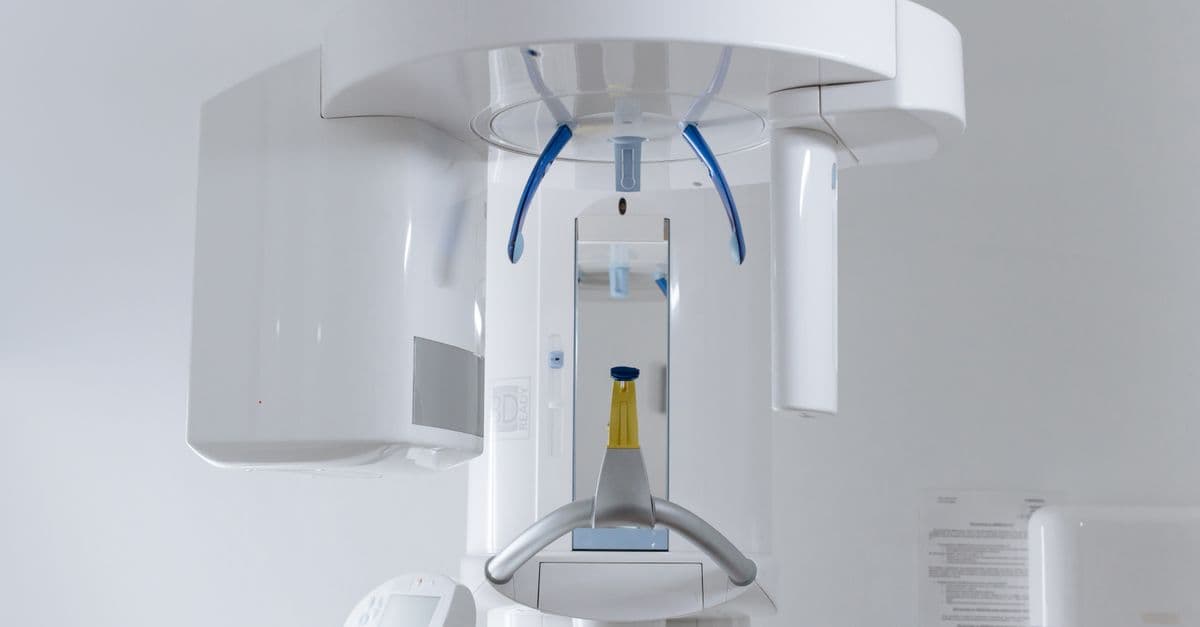
How Wilhelm Röntgen's accidental November 1895 discovery of X-rays — using a Crookes tube and a glowing screen — earned the first Nobel Prize in Physics and created modern medical imaging.
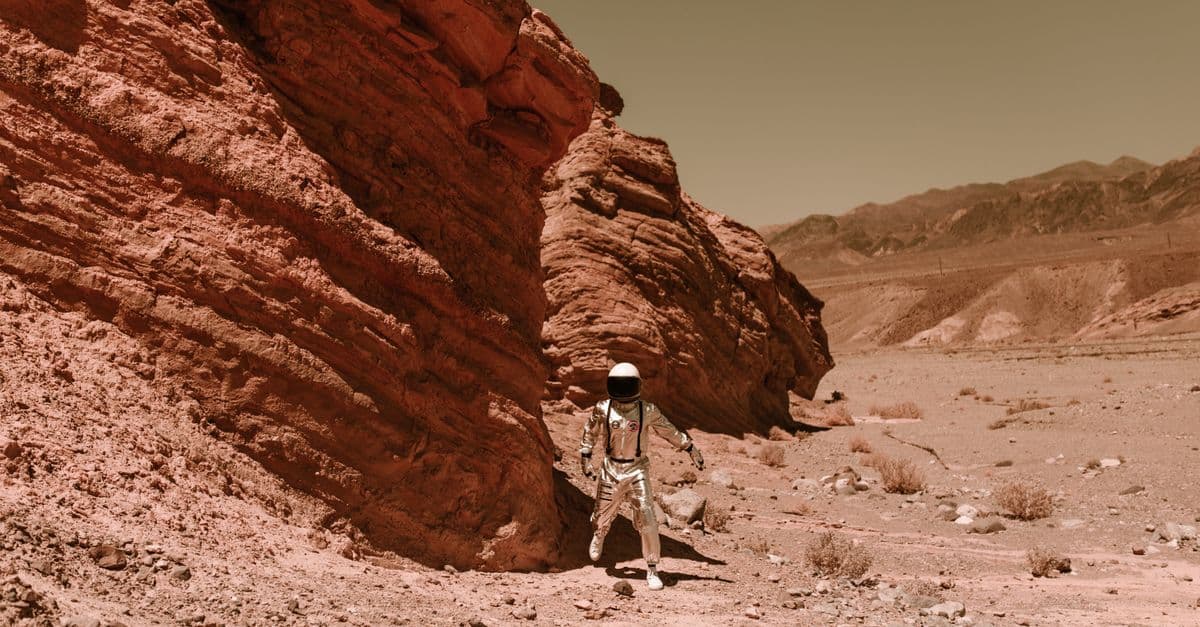
Curiosity's radiation detector has logged the Martian surface dose since August 2012. Here is what it measured, what that means for human health, and how much shielding settlers would need.
ISS research reveals how cosmic radiation damages DNA and organisms in space, with findings applicable to cancer prevention, radiation therapy, and long-duration spaceflight safety.