Science
How Scientists Know What Is Inside Earth
No one has drilled to Earth's core. Scientists infer the interior from seismic waves, density, magnetism, meteorites, and high-pressure experiments.
6 articles tagged with #seismology
No one has drilled to Earth's core. Scientists infer the interior from seismic waves, density, magnetism, meteorites, and high-pressure experiments.
On 22 May 1960, the ground beneath southern Chile ruptured along a 1,000-kilometre fault, releasing a magnitude 9.5 earthquake — the most powerful ever recorded by instruments. It was so violent it shifted Earth's mass enough to measurably change the length of a day and set the entire planet ringing like a bell for weeks. Because the magnitude scale is logarithmic, this single quake released more energy than every other recorded earthquake of the 20th century combined.
What's inside Earth: crust, mantle, outer core, inner core. How we know via seismology, recent discoveries, magnetic field origin, and why it matters.
How shifting tectonic plates cause earthquakes, why we measure them with moment magnitude, and why prediction is still impossible.

Machine learning is transforming seismology—detecting thousands of unknown earthquakes and pushing the frontier of what prediction might actually mean.
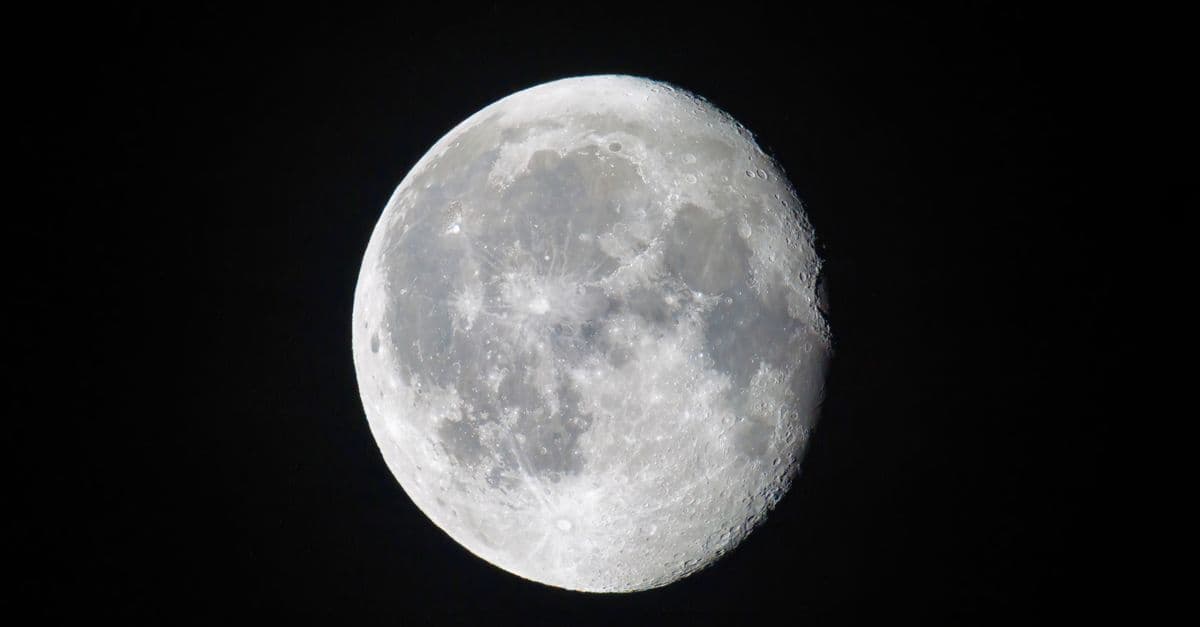
Apollo seismometers left on the Moon revealed extensive seismic activity, proving the Moon is geologically dynamic with thousands of moonquakes annually—surprising findings about our satellite.