
Science
Why Do We See Our Breath When It's Cold? The Science
Exhaled air is warm and close to saturated with water vapor. When it mixes into cold air, the mixture cannot hold all of that vapor, and a small cloud of liquid droplets appears.
8 articles tagged with #weather
Exhaled air is warm and close to saturated with water vapor. When it mixes into cold air, the mixture cannot hold all of that vapor, and a small cloud of liquid droplets appears.

The strongest surface wind gust ever officially recorded was 408 km/h on Barrow Island, Australia, during Tropical Cyclone Olivia in 1996. But the answer changes if you mean one-minute sustained tropical cyclone winds, tornado winds, jet stream winds, or winds measured away from Earth's surface. This guide explains the real records, why they differ, and how meteorologists verify wind extremes.

On April 10, 1996, an automated anemometer on Barrow Island off the northwest coast of Australia measured a three-second wind gust of 408 km/h (253.5 mph) during Tropical Cyclone Olivia — the highest surface wind speed ever officially recorded on Earth. Tornadoes have exceeded even that. A hailstone in South Dakota weighed 878 g (1.94 lb). A Venezuelan lake generates up to 1,600 lightning bolts per hour, every night, for 300 nights per year. These records are not flukes. Each one follows from specific, explainable atmospheric physics.

How hurricanes form: warm ocean fuel, Coriolis spin, low wind shear, and the lifecycle from tropical wave to Category 5 monster.

How tornadoes form: supercells, wind shear, mesocyclones, Tornado Alley, EF scale, deadliest tornadoes, warning systems, and what to do during one.
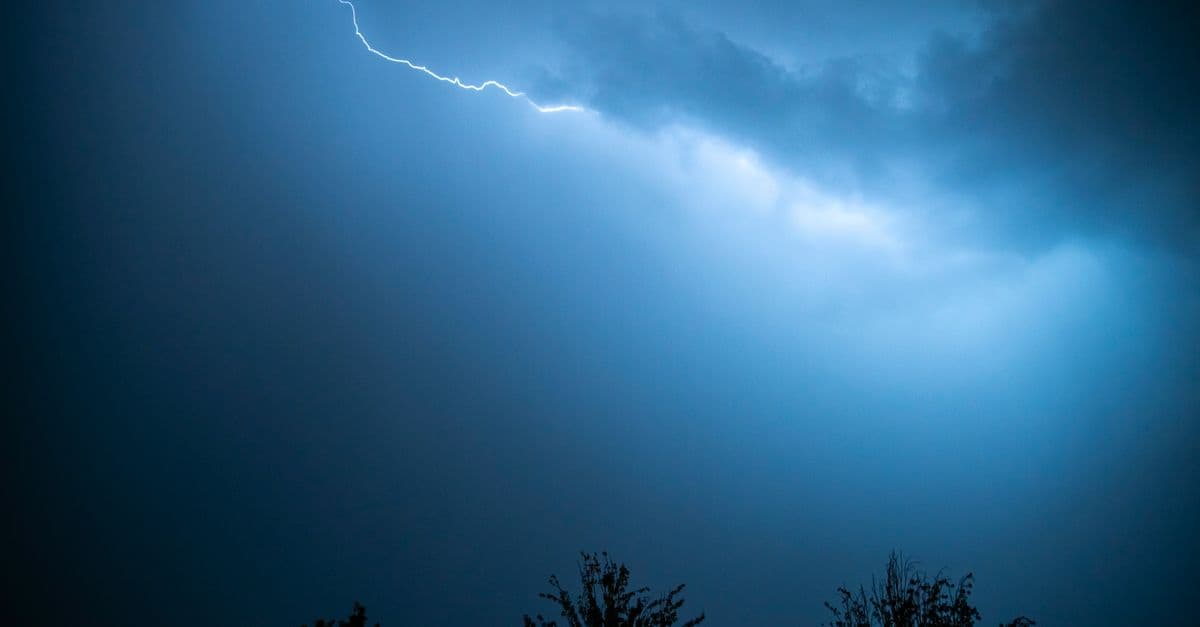
How thunderclouds build billions of volts, why lightning is hotter than the Sun's surface, and the rare sprites flashing above storms.

Mars dust storms can wrap the whole planet, as the 2018 storm did. Here is how they start, what they did to Opportunity and Curiosity, and what they mean for future bases.
HAARP is a real research facility studying the upper atmosphere. Conspiracy theorists claim it can control hurricanes, cause earthquakes, and modify weather. Here's why physics says no.