
Biology & Health
Why Are We Ticklish? The Biology of Tickling
Why can't you tickle yourself? The neuroscience of knismesis vs gargalesis, the cerebellum's prediction trick, and why feet/armpits are most ticklish.
Biology and health news: genetics, cancer research, brain science, new treatments, and medical breakthroughs explained clearly.
Why can't you tickle yourself? The neuroscience of knismesis vs gargalesis, the cerebellum's prediction trick, and why feet/armpits are most ticklish.
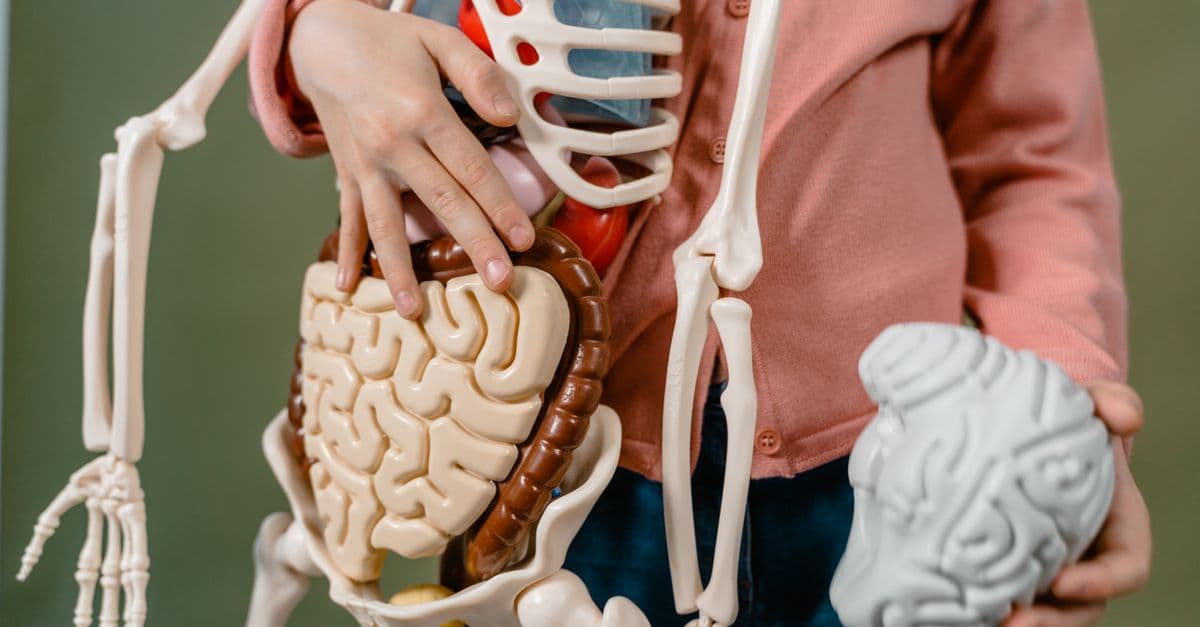
The gut-brain axis explained: why nervousness, excitement, and love all produce the same fluttery stomach sensation through the vagus nerve and fight-or-flight.
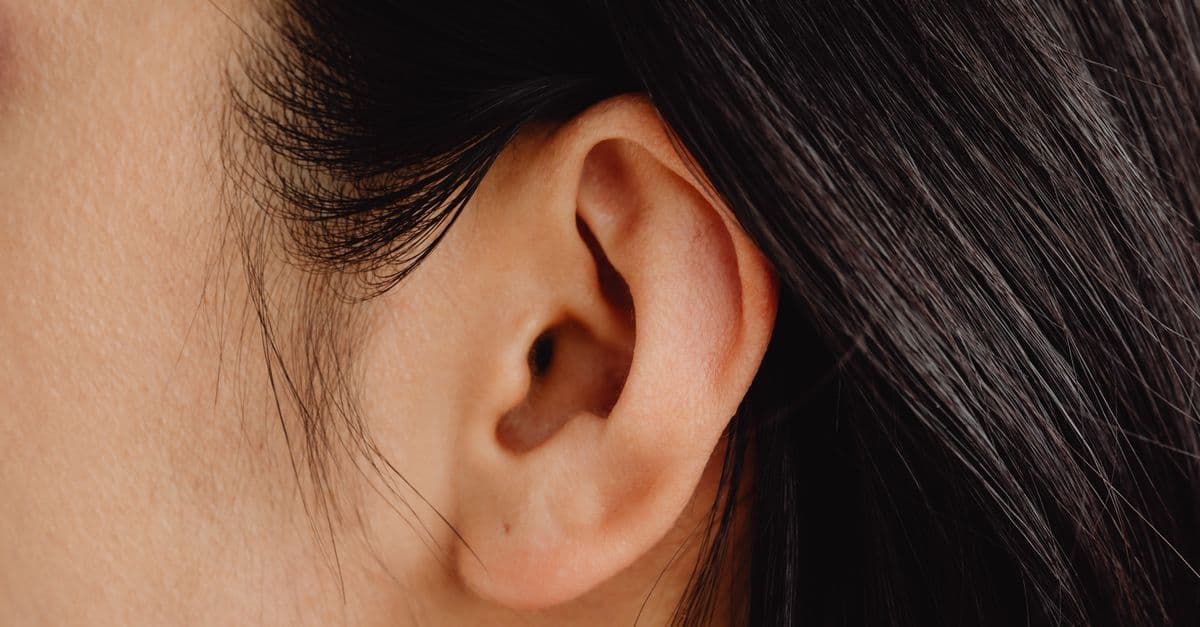
Why you hate your recorded voice: bone conduction adds bass when you speak, but recordings only capture the air-conducted version everyone else hears.

Intense laughter can make people cry real tears. Here's the physiological mechanism, the brain science, and why joy and grief share a face.
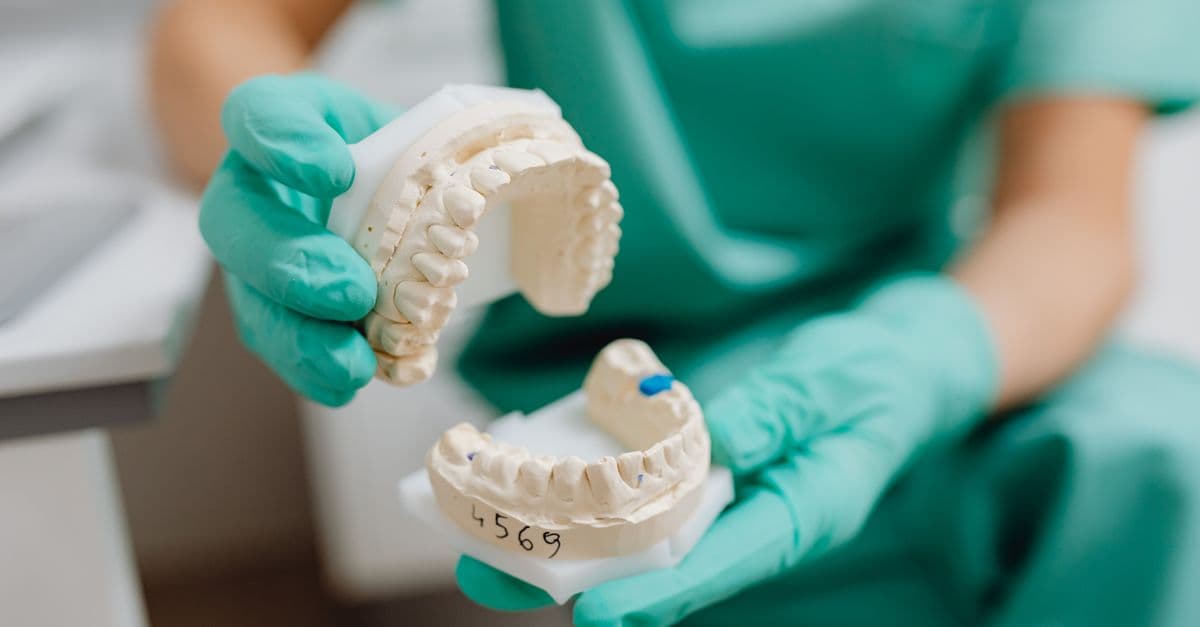
Wisdom teeth are evolutionary leftovers from when human jaws were larger. Why we still have them, why they hurt, and why some people don't grow any.

Why are 10% of people left-handed? The genetics, brain lateralization, and evolutionary theories — including the combat advantage hypothesis.

Why does déjà vu happen? Neuroscience explains the memory mismatch, dual-processing, and temporal lobe theories behind the 'already seen' feeling.

Why do we feel itchy? The neuroscience of pruritus — dedicated itch neurons, histamine, the itch-scratch cycle, and why itching is contagious.

Why does jet lag happen and why is going east worse? The circadian science of body clocks, light, melatonin, and evidence-based recovery strategies.
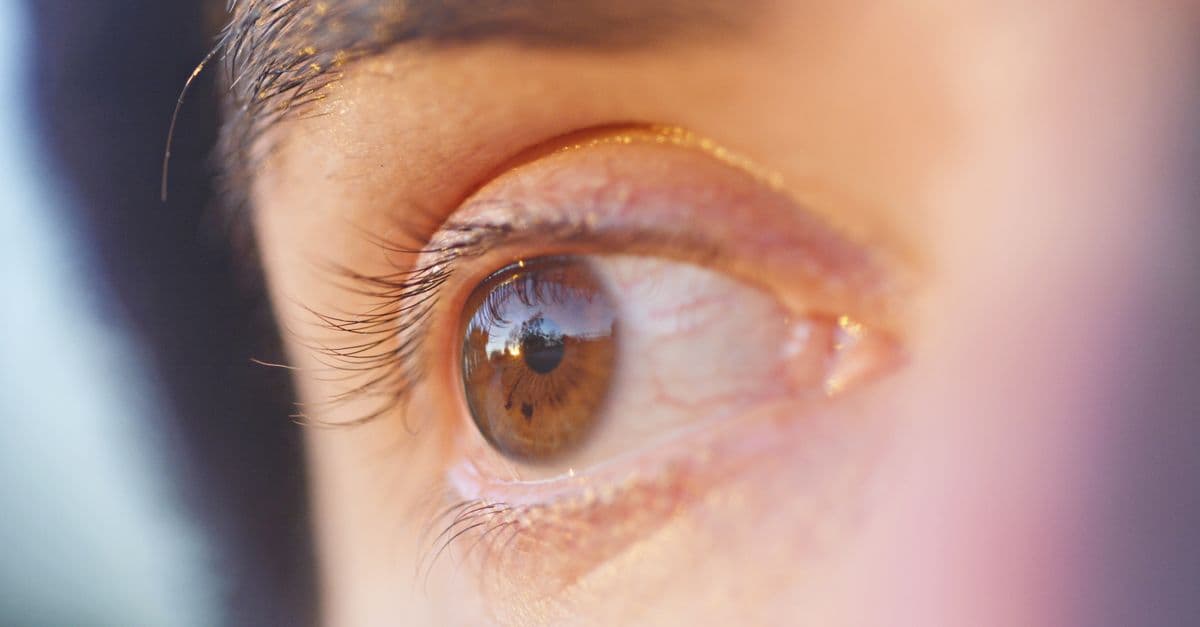
Why did humans evolve eyebrows? The science behind sweat barriers, facial recognition, and the evolutionary swap from heavy brow ridges to mobile hair.

Most adults forget 95% of dreams within minutes. The neuroscience: low norepinephrine, MCH neurons, weak hippocampal coupling, and how to remember more.

Borborygmi explained: why your stomach growls when hungry, after meals, and in quiet rooms — plus when those sounds signal a real problem.