Why Do We Have Wisdom Teeth? Evolution
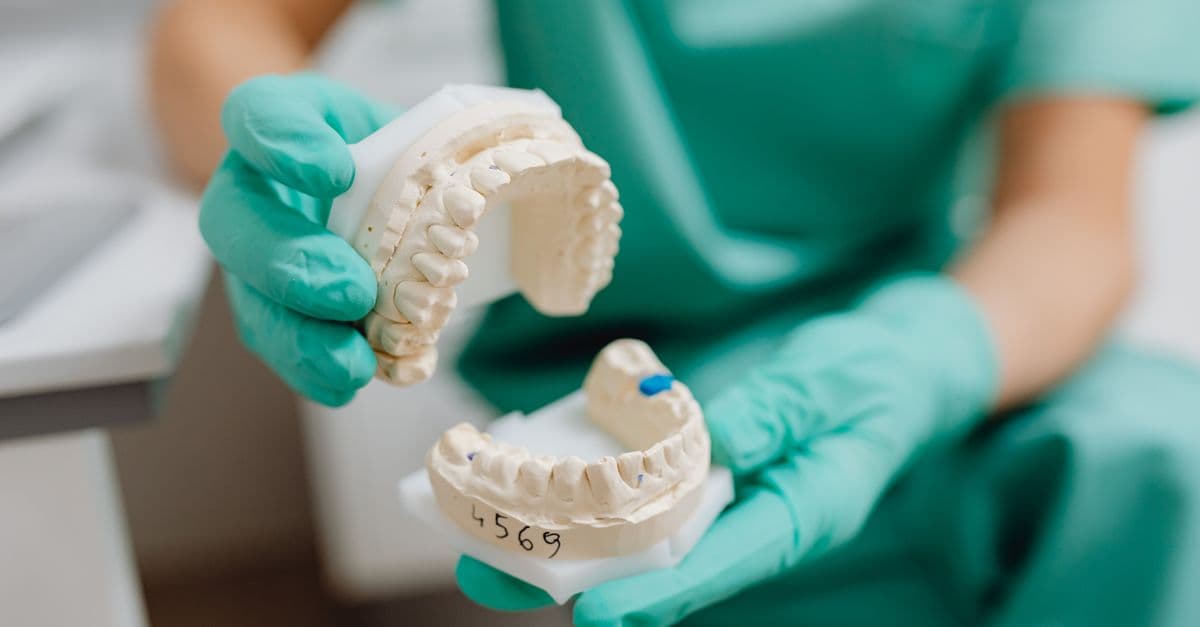
Photo: www.kaboompics.com / Pexels
Wisdom teeth, the third molars at the very back of your mouth, are arguably the worst-designed feature of the human skeleton. They erupt between ages 17 and 25, which is where the folk name "wisdom teeth" comes from, and the American Association of Oral and Maxillofacial Surgeons estimates that roughly 10 million wisdom teeth are removed from about 5 million patients in the United States every year. So why does the human body keep building a tooth that so often has to be surgically cut back out?
The short answer is a textbook case of evolutionary mismatch: human jaws shrank faster than the genetic instructions for how many teeth to grow. This article walks through the anatomy, the evolutionary history, the genetics of why some people never grow wisdom teeth at all, what happens when they get stuck, and the ongoing medical debate about whether removing them before they cause problems is even a good idea.
What wisdom teeth actually are
In dental anatomy, wisdom teeth are the third molars: the third and final set of grinding teeth on each side of the jaw, top and bottom. A complete adult human dentition has 32 teeth, including four wisdom teeth, and they're the last teeth to develop. According to the American Dental Association, the crowns of third molars typically finish mineralizing between ages 12 and 16, and the roots aren't fully formed until the late teens or early twenties, which is part of why eruption happens so late relative to every other tooth in the mouth.
Every other permanent tooth erupts by around age 13. Wisdom teeth are the outlier, showing up nearly a decade later, after the jawbone has already finished most of its growth. That timing mismatch, a tooth arriving after the bone meant to hold it has stopped expanding, is the root of almost every wisdom tooth problem dentists see.
In other great apes, chimpanzees, gorillas, and orangutans, third molars are unremarkable. They erupt without crowding, sit in a normal row with the rest of the teeth, and function as working molars for the animal's entire life. Comparative primate dental studies consistently find third molar impaction is rare to nonexistent in wild-living great apes, because their jaws are proportionally longer relative to tooth size than ours.
In modern humans, wisdom teeth frequently don't even fit inside the arch. The World Health Organization's oral health data and multiple population surveys put the rate of at least one impacted third molar somewhere between 20% and 68% depending on the population studied, with industrialized populations eating softer, more processed diets consistently landing at the higher end.
The evolutionary mismatch that created the problem
Early hominins, and later archaic humans like Homo erectus and Neanderthals, had noticeably larger, more robust jaws than modern Homo sapiens. Anthropologist Daniel Lieberman of Harvard University has documented this shift extensively, including in his widely cited 2013 book The Story of the Human Body: Evolution, Health, and Disease. Our ancestors ate raw plant material, tough meat, unprocessed tubers, and fibrous vegetation that required heavy, repeated mechanical grinding. That chewing load acted like a workout for the jaw during childhood and adolescence, and bone responds to mechanical load the same way muscle does: it grows more where it's stressed. Other parts of the human face changed with it, as in the shift from heavy brow ridges to mobile eyebrows.
Think of the jaw the way you'd think of a bicep responding to lifting weights. A jaw that spends years grinding tough, fibrous food during the growth window develops a longer, more robust dental arch, with room to spare for a full set of 32 teeth. A jaw that spends its growth years chewing soft bread, ground meat, and cooked vegetables never gets that mechanical stimulus, and it comes out shorter.
Two major dietary shifts removed most of that mechanical loading, and they happened in rapid succession on an evolutionary timescale.
How cooking changed jaw growth
Control of fire for cooking is estimated to have become widespread by roughly 400,000 to 300,000 years ago, with some evidence pushing controlled fire use back further, though the timing remains debated among archaeologists. Cooking breaks down plant cell walls and denatures proteins in meat, which means far less chewing force and far fewer chewing cycles are needed to extract the same calories. Richard Wrangham's "cooking hypothesis," published in his 2009 book Catching Fire: How Cooking Made Us Human and in earlier peer-reviewed work, argues that cooked food's easier digestibility was a major driver of changes across human anatomy, jaws included.
How agriculture accelerated the shrinkage
Agriculture, beginning roughly 10,000 to 12,000 years ago, then further softened the average human diet with processed grains, dairy, and eventually milled flour. Skeletal studies comparing pre-agricultural hunter-gatherer jaws to post-agricultural farming population jaws from the same regions consistently find measurably shorter mandibles and higher rates of dental crowding and malocclusion in the farming groups, even though the two populations are genetically similar. Anthropologist Robert Corruccini's research comparing rural and urban populations in India and elsewhere found the same pattern within living generations: people eating a traditional, mechanically demanding diet had straighter teeth and fewer impactions than close genetic relatives who had shifted to a softer, more processed Western-style diet.
That last point matters. It shows the jaw-shrinkage effect isn't purely about DNA passed down over thousands of years. Within a single generation, a softer childhood diet appears to produce measurably less jaw growth, meaning at least part of what's happening is developmental plasticity, the jaw's genuine biological response to how hard it had to work while growing, layered on top of a slower genetic trend toward smaller mandibles.
But the genetic program dictating how many teeth to initiate, and when, did not shrink at the same pace as the jawbone itself. Tooth number and jaw length are controlled by largely separate developmental pathways, so evolution changed one without automatically adjusting the other. The result: a mouth still built to grow 32 teeth, wedged into a jaw that in many people now only has comfortable room for 26 to 28.
Why so many people are missing some wisdom teeth entirely
Around 20% to 25% of people globally are missing at least one wisdom tooth altogether, a condition dentists call third molar agenesis, meaning the tooth bud never forms in the first place rather than forming and then getting stuck. Agenesis rates vary sharply by population, likely reflecting different histories of dietary and jaw-size selection pressure.
| Population group | Approximate third molar agenesis rate | Source basis |
|---|---|---|
| Indigenous Australian and Pacific Islander populations | Very low, near 0% | Dental anthropology surveys |
| Sub-Saharan African populations | Roughly 5% to 10% | Population dental studies |
| European-descent populations | Roughly 20% to 25% | Multiple orthodontic surveys |
| East Asian populations | Roughly 30% to 40%, among the highest recorded | Population dental studies, including large Chinese and Korean cohorts |
| Indigenous American populations | Reported as elevated relative to European baselines in several regional surveys | Regional dental anthropology data |
Table: Approximate reported rates of congenital wisdom tooth absence by population group, synthesized from multiple published dental anthropology and orthodontic surveys. Rates vary between individual studies depending on sample size and diagnostic method (panoramic X-ray versus clinical exam), so treat these as broad patterns rather than precise figures.
The genetics behind agenesis center on a handful of transcription factors, proteins that switch other genes on and off, that control tooth bud formation during early development. Variants in genes called PAX9 and MSX1 are the most consistently implicated across studies of families with missing teeth, sometimes affecting only the third molars and sometimes, in more severe variants, other teeth as well. When these genes are underexpressed or mutated in a particular way, the signal to initiate a third tooth bud on each jaw quadrant simply doesn't fire, and the tooth never begins developing.
From an evolutionary standpoint, agenesis looks like an emerging adaptive variant rather than a defect. If a person's jaw genuinely doesn't have room for a fourth molar, never growing the tooth avoids impaction, infection, and crowding altogether. There's no downside to not having a wisdom tooth in a jaw that couldn't comfortably fit one anyway, which is exactly the kind of trait natural selection tends to favor once it appears in a population, even slowly.
Why hasn't evolution just removed wisdom teeth entirely
If missing wisdom teeth is such a clean solution, why hasn't the whole species converged on it? Two structural reasons explain the slow pace.
The selection pressure is comparatively weak
Wisdom teeth typically cause the most serious trouble, impaction, infection, cyst formation, in the late teens through the thirties, largely after peak reproductive years for most of human history. A trait mostly has to affect survival or reproduction before or during the reproductive window to face strong selection pressure. Before modern dentistry and antibiotics existed, impacted wisdom teeth did sometimes cause fatal infections; skeletal evidence from pre-modern populations documents abscesses and jaw infections traceable to impacted molars. But that outcome wasn't common or early enough in life to drive rapid, population-wide selection the way, for example, childhood infectious disease resistance can.
Evolutionary change is inherently slow
Even under strong selection, meaningful shifts in allele frequency across a population typically take many hundreds to thousands of generations. Widespread soft-diet agriculture is only around 10,000 to 12,000 years old in the populations where it started, and it reached other populations even more recently. On an evolutionary clock, that's barely enough time for agenesis rates to have climbed to their current levels, let alone to have become universal.
A striking natural experiment supports this timeline. Populations with historically tougher, more mechanically demanding traditional diets, including Inuit communities and Indigenous Australian groups studied through the twentieth century, showed larger jaws relative to tooth size and needed wisdom tooth surgery far less often than contemporaneous Western populations eating processed food. As younger generations within those same communities shifted toward Western-style diets, dental researchers documented rising rates of crowding and impaction within a single generation, further evidence that at least part of the effect is developmental, not purely genetic, and that it can shift quickly once diet changes, even though the underlying gene pool hasn't.
Wisdom teeth across the great apes: a side-by-side comparison
Looking at close evolutionary relatives makes clear that the problem isn't the tooth itself, it's the real estate.
| Species | Adult dentition | Typical third molar outcome |
|---|---|---|
| Chimpanzee | 32 teeth | Fully functional for life, impaction rare in wild populations |
| Gorilla | 32 teeth | Fully functional, proportionally longer jaw than humans |
| Orangutan | 32 teeth | Fully functional |
| Pre-agricultural human populations (skeletal record) | 32 teeth | Erupted with minimal crowding in most individuals |
| Modern industrialized human populations | 32 teeth, or fewer via agenesis | Frequently impacted, extracted, or congenitally absent |
Table: Third molar outcomes across great apes and human populations. Tooth count is essentially unchanged across the group; what differs sharply is jaw length relative to tooth size, which tracks with diet mechanics during growth rather than species-level anatomy alone.
The tooth count is nearly identical across the whole group. What differs is jaw architecture, and jaw architecture responds, at least partly, to how hard an individual's jaw had to work while it was still growing.
What happens when a wisdom tooth gets stuck
Impaction isn't a single condition; oral surgeons classify it by direction and depth, because each type carries different risks and different treatment urgency.
- Mesial impaction: The tooth is angled forward, pressing into the back of the second molar. This is the most common impaction pattern and the one most likely to cause crowding or damage to the neighboring tooth's root.
- Vertical impaction: The tooth is oriented correctly but simply doesn't have enough vertical room to fully erupt through the gum, leaving it partially covered.
- Distal impaction: The tooth angles backward, away from the other teeth, which is less common and often causes fewer problems with adjacent teeth but can still trap bacteria.
- Horizontal impaction: The tooth lies sideways, fully perpendicular to the other molars. This is the least common pattern and generally the most complex to remove surgically.
- Soft-tissue impaction: The tooth has broken through the bone but is still covered by gum tissue, creating a flap that traps food and bacteria underneath.
- Bony impaction: The tooth remains partly or fully encased in jawbone, requiring the surgeon to remove bone during extraction.
A partially erupted wisdom tooth, one that's broken through the gum but hasn't fully emerged, creates a flap of gum tissue over part of the crown. Food debris and bacteria collect underneath that flap where a toothbrush can't reach, which frequently leads to pericoronitis, an infection and inflammation of the gum tissue around the partially erupted tooth. Pericoronitis is one of the most common reasons people end up in urgent dental care in their late teens and twenties, and it can cause swelling severe enough to make opening the jaw painful.
Left untreated over years, impacted wisdom teeth are also associated with cyst formation around the unerupted tooth, resorption of the root of the adjacent second molar, and, in less common cases, deeper jaw infections. These are the outcomes that drive most extraction recommendations, as opposed to purely preventive removal of teeth that are healthy but simply present.
Modern surgery, and the ongoing controversy over prophylactic removal
The scale of wisdom tooth surgery in the United States is enormous. The procedure is common enough to function as an American rite of passage, often scheduled around high school or college breaks specifically because recovery takes several days.
But dentistry has an active, ongoing debate: should wisdom teeth that aren't currently causing symptoms be removed prophylactically, as a precaution against future problems, or only once they actually cause pain, infection, or decay? The two major English-language health systems have historically landed on different sides of this question.
The Cochrane Collaboration, an international network that produces systematic reviews of medical evidence, published an updated review on this exact question (Ghaeminia et al., Cochrane Database of Systematic Reviews) examining whether removing symptom-free, disease-free impacted wisdom teeth improves outcomes compared to leaving them in place and monitoring them. The review found insufficient reliable evidence from randomized trials to conclude that routine prophylactic removal offers a clear benefit for people whose wisdom teeth aren't causing problems.
The UK's National Institute for Health and Care Excellence (NICE) has recommended against routine prophylactic removal of pathology-free impacted wisdom teeth since its original 2000 guidance, a position it has maintained in subsequent reviews. The American Association of Oral and Maxillofacial Surgeons has historically taken a more proactive stance, arguing that removal at a younger age, when roots are less developed and healing is faster, carries lower surgical risk than waiting for problems to develop later. That position has been softening somewhat in recent years as more dentists incorporate individualized risk assessment, including tooth angulation on X-ray, patient age, and jaw anatomy, rather than treating every wisdom tooth as an automatic extraction candidate.
What are the real risks of getting wisdom teeth removed?
Wisdom tooth extraction is generally safe, but it isn't risk-free. Oral and maxillofacial surgery data indicates overall complications occur in a meaningful minority of cases, with dry socket, a painful condition where the blood clot protecting the extraction site is lost prematurely, cited by surgical associations as occurring in roughly 2% to 5% of standard extractions, rising substantially higher for impacted lower wisdom teeth specifically. Temporary numbness from nerve irritation near the lower jaw is uncommon but recognized, and permanent nerve injury is rare, generally cited at well under 1% of cases by oral surgery associations, though it rises somewhat with deeply impacted lower teeth close to the mandibular nerve canal.
Does age at removal actually matter?
Yes. Root development in wisdom teeth typically isn't complete until the late teens to early twenties, and roots that are only partially formed are easier to remove with less risk to nearby nerves and less bone to cut through. This is the core argument oral surgeons make for removing problematic wisdom teeth earlier rather than later: the same extraction generally gets more surgically complex, and recovery slower, the older the patient and the more fully developed the roots are.
Common confusions and myths about wisdom teeth
"Wisdom teeth are useless vestigial organs, like the appendix." This oversimplifies things. A wisdom tooth is not inherently non-functional the way a truly vestigial structure is; in a jaw with adequate room, a fully erupted, properly aligned third molar chews food exactly as well as any other molar. The problem isn't that the tooth has lost its function, it's that the jaw around it has changed size faster than the tooth's developmental program has. That makes wisdom teeth a mismatch problem more than a true vestige, closer in category to how the coccyx retains real muscle attachment points even though it no longer supports a tail.
"Everyone needs their wisdom teeth removed eventually." Not true. A wisdom tooth that erupts fully, sits in proper alignment with the bite, and can be cleaned effectively with normal brushing and flossing doesn't require removal just because it exists. Current UK and increasingly common US guidance favors monitoring healthy, asymptomatic, fully erupted third molars rather than defaulting to extraction.
"Wisdom teeth push your other teeth crooked as adults." This is a persistent claim among orthodontic patients worried about relapse after braces, but the evidence for wisdom teeth as a major driver of late-life crowding in already-aligned teeth is weak and contested among orthodontists; late crowding has multiple contributing causes, including normal age-related jaw changes, and wisdom teeth are only one possible factor among several.
"If it doesn't hurt, it's fine to ignore." Not necessarily. Impacted wisdom teeth can cause cyst formation or damage to the neighboring molar's root silently, without pain, which is exactly why dentists rely on periodic panoramic X-rays rather than symptoms alone to monitor them over time.
The future of wisdom teeth in the human population
Will humans eventually stop growing wisdom teeth altogether? Most dental anthropologists think it's plausible on a long enough timescale, but slow. Because the selection pressure against wisdom teeth is weak, for the reasons covered above, agenesis is expected to keep spreading gradually across generations rather than becoming universal any time soon. For any practical, human-lifetime purpose, the third molar remains a fixture of human anatomy, and dental checkups through the late teens and twenties will keep being the moment most people find out whether theirs fit.
What this means
Wisdom teeth aren't a design flaw so much as a timing problem: a tooth-count program that hasn't caught up to a jaw that shrank once cooking and farming took the workload off it. Some populations, and some individuals within every population, are already evolving past the problem entirely by simply not growing the tooth in the first place, a shift driven by genes like PAX9 and MSX1 working alongside real developmental plasticity from softer childhood diets. Until that shift becomes universal, which will take thousands of years at the current pace, the honest, evidence-based answer is that a wisdom tooth's fate should be decided case by case: whether it has room, whether it's causing problems, and what a dentist actually sees on an X-ray, not a blanket rule that every third molar has to come out.
FAQ
Q: Why are they called "wisdom teeth"? A: Because they erupt between roughly ages 17 and 25, an age historically associated with adulthood and, theoretically, wisdom. The naming convention dates back centuries in English and has close equivalents in many other languages.
Q: Why do my wisdom teeth hurt? A: Usually because they're impacted, meaning they're wedged against a neighboring tooth or angled wrong because there isn't enough room to erupt normally. Pressure on adjacent teeth, gum inflammation around a partially erupted crown (pericoronitis), and trapped bacteria are the most common causes of pain.
Q: Do I have to get my wisdom teeth removed? A: Not automatically. If they're fully erupted, properly aligned, and cleanable with normal brushing and flossing, current UK NICE guidance and a growing share of US dental practice favor monitoring rather than routine removal. If they're impacted, decaying, or damaging a neighboring tooth, extraction is the standard recommendation.
Q: Why don't some people grow wisdom teeth at all? A: Roughly 20% to 25% of people globally, and up to around 30% to 40% in some East Asian population studies, have congenital absence of one or more third molars, caused by variants in tooth-development genes including PAX9 and MSX1. It's harmless and, in a jaw without room for the tooth anyway, arguably beneficial.
Q: Did ancient humans have wisdom tooth problems the way we do? A: Far less often, based on the skeletal record. Larger jaws from a lifetime of chewing tough, fibrous, minimally processed food meant more room for the full set of molars, and third molars typically erupted in proper alignment. Crowding and impaction became widespread only as diets softened with cooking and, later, agriculture.
Q: Will future humans eventually stop growing wisdom teeth? A: Probably, on a timescale of many thousands of years. Agenesis frequency appears to be rising across generations in several populations, but the selection pressure driving that change is weak, because most wisdom tooth problems occur after typical reproductive age, which slows how quickly the trait can spread.
Q: How painful is wisdom tooth removal, and how long is recovery? A: Most patients report the procedure itself is not painful because it's done under local anesthesia, sedation, or general anesthesia, but the days afterward involve swelling, soreness, and sometimes bruising. Oral surgery associations generally describe a typical recovery window of three to seven days for routine extractions, longer for deeply impacted teeth.
Q: What's the difference between an impacted and an erupted wisdom tooth? A: An erupted wisdom tooth has broken fully through the gum and sits in the dental arch like any other tooth. An impacted wisdom tooth is blocked, by bone, gum tissue, or another tooth, from erupting into its normal position, and impaction is classified by the direction the tooth is angled (mesial, distal, vertical, or horizontal).
Q: Can wisdom teeth grow back after being removed? A: No. Once a tooth, including a wisdom tooth, is extracted along with its root, it does not regrow. Humans only develop two sets of teeth in a lifetime, primary (baby) teeth and permanent teeth, and wisdom teeth are part of the permanent set.
Q: Are wisdom teeth actually vestigial, like the appendix? A: Not exactly. A vestigial structure has lost its original function entirely. A wisdom tooth that has room to erupt properly still chews food just as well as any other molar; the issue is a jaw-size mismatch rather than a loss of function, which makes wisdom teeth better described as an evolutionary lag than a true vestige.
Read next:
Sources
- American Association of Oral and Maxillofacial Surgeons. "Potential Complications of Wisdom Teeth Extractions." myoms.org.
- Lieberman, D. (2013). The Story of the Human Body: Evolution, Health, and Disease. Pantheon.
- Wrangham, R. (2009). Catching Fire: How Cooking Made Us Human. Basic Books.
- Ghaeminia, H., et al. Cochrane Database of Systematic Reviews. "Surgical removal versus retention for the management of asymptomatic disease-free impacted wisdom teeth."
- National Institute for Health and Care Excellence (NICE), UK. Guidance on the extraction of wisdom teeth (originally issued 2000, subsequently reviewed).
- Corruccini, R. S. Published research on occlusal variation and dietary mechanical demand across rural and urbanized populations.
- World Health Organization. Oral health data on third molar impaction prevalence.
- American Dental Association. Patient education materials on tooth development timelines.
Follow new articles
Add SciHub101 to your feed reader to see new science and technology stories.
About the Author
SciHub101 is an independent science and technology publication founded and edited by Buğra Sözeri, a software engineer and app developer based in Türkiye. AI tools assist with drafting and research. Source documentation in the existing archive is uneven, and articles are being reviewed and corrected. The Editorial Team byline identifies editorial responsibility; it does not certify specialist or independent human review. Where we compare products, anything built by our own team is labelled as such — see the editorial guidelines and About page for how corrections and disclosures work.
Related Articles

Why Are Some People Left-Handed? Brain Science
Why are 10% of people left-handed? The genetics, brain lateralization, and evolutionary theories — including the combat advantage hypothesis.

Why Do We Cry When Laughing? The Science
Intense laughter can make people cry real tears. Here's the physiological mechanism, the brain science, and why joy and grief share a face.
Complete Biology Guide 2026 — How Life Works
The complete guide to biology in 2026: cells and genetics, evolution, the human body, neuroscience, disease, immune systems, and the future of genetic engineering.
How Do Fireflies Glow? The Science of Bioluminescence
Fireflies produce light through a chemical reaction called bioluminescence, where the protein luciferin is oxidized by the enzyme luciferase using oxygen and ATP to emit photons with nearly zero heat loss. The insect controls flash timing by regulating oxygen flow to its light organ, and each species produces a distinct flash pattern used for mating recognition. This same light-producing chemistry has become essential to modern biology, allowing researchers to track gene expression, detect ATP in tissue samples, and study cellular processes in real time.

Why Do We Have Blood Types? The Science and Evolution
Blood types are inherited molecular markers on red blood cells. The ABO polymorphism has been kept alive in primates for at least 20 million years, and infections such as malaria, cholera, and norovirus are the leading explanation for why.
How Symbiosis Works: Mutualism, Commensalism, and Parasitism Explained
Symbiosis is one of the most powerful forces in evolution. From the bacteria in your gut to the fungal partners of nearly every land plant, the living world is a web of intimate partnerships, and not all of them are friendly.