Experiments
The Griffith Transformation Experiment: The Mice That Changed Genetics
In 1928, Frederick Griffith injected mice with dead bacteria and live harmless bacteria — and the mice died. Here's why that result rewrote the history of genetics.
Famous scientific experiments explained: the setup, the results, the controversies, the lasting impact — from Milgram to Schrödinger's cat to the double-slit.
In 1928, Frederick Griffith injected mice with dead bacteria and live harmless bacteria — and the mice died. Here's why that result rewrote the history of genetics.
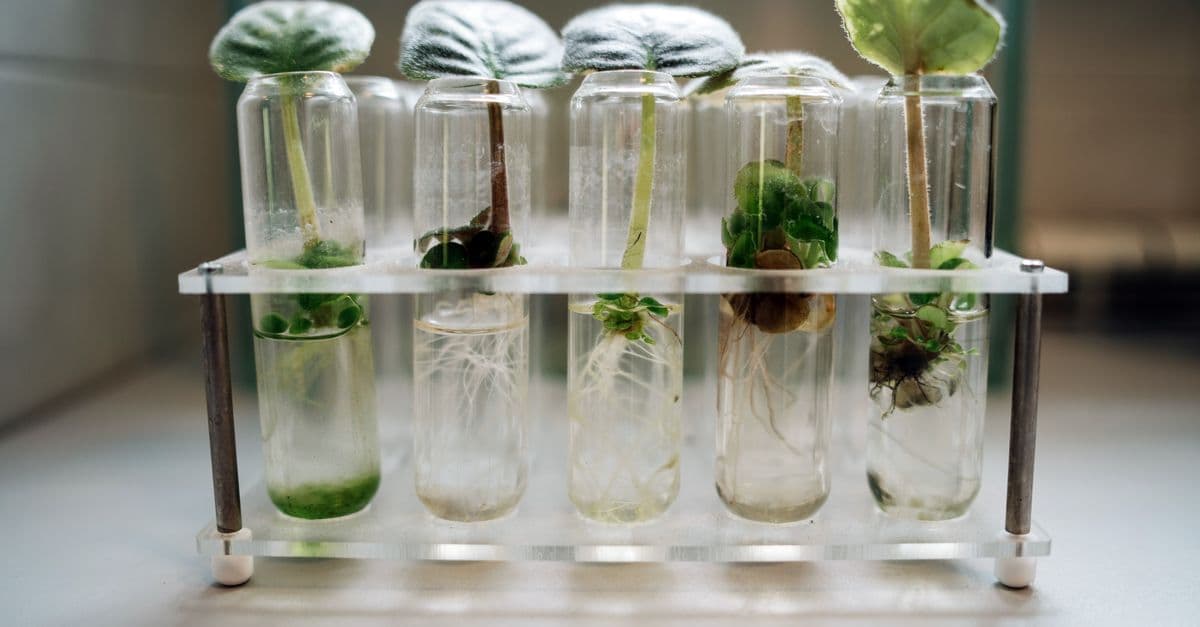
John Gurdon transplanted intestinal nuclei into enucleated frog eggs in 1962, proving cell differentiation is reversible. His work led directly to Dolly the sheep and iPSCs.
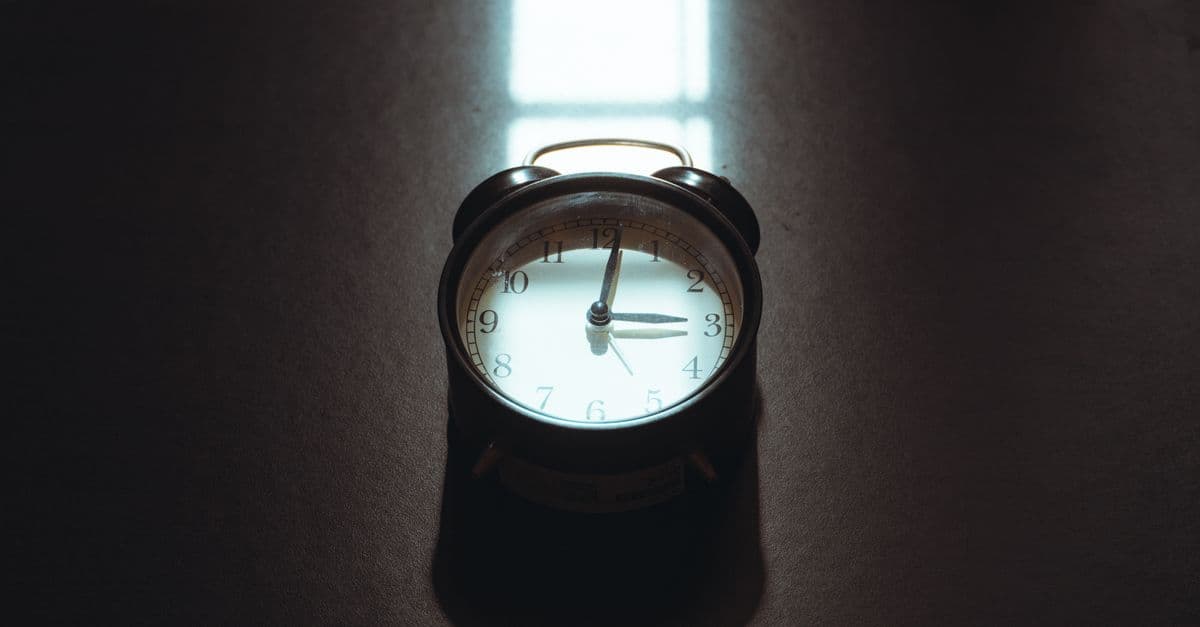
In October 1971, physicists flew atomic clocks around the world and proved time dilation is real — clocks gained and lost nanoseconds exactly as Einstein predicted.
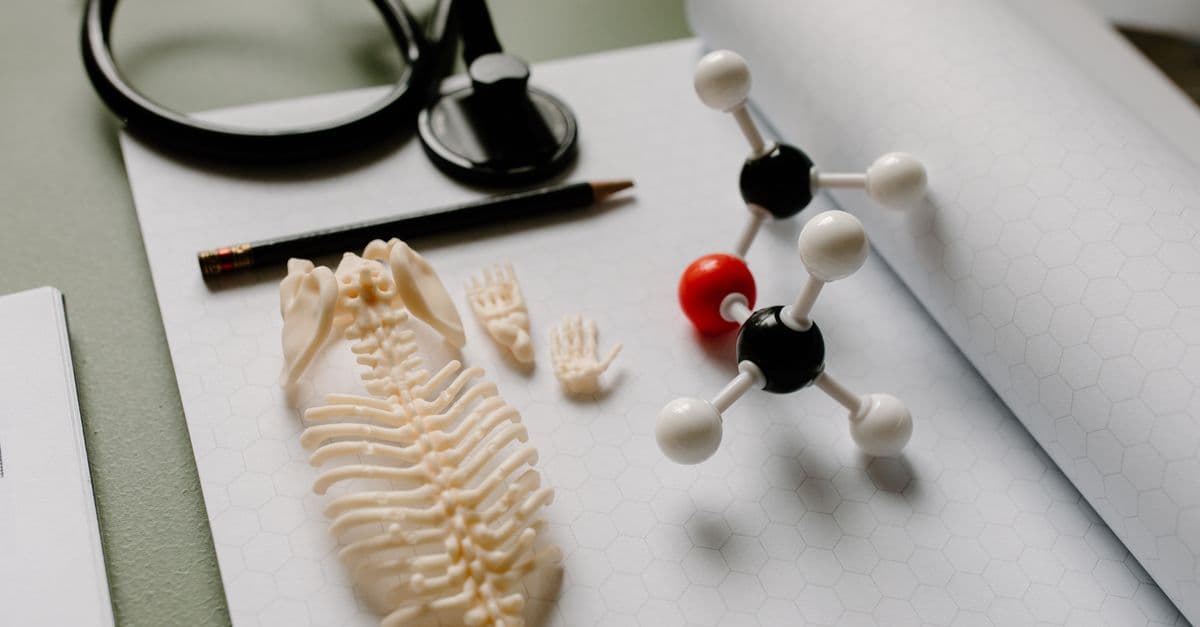
In 1952, Alfred Hershey and Martha Chase used radioactive isotopes and a kitchen blender to prove DNA is the genetic material. Here's how the experiment worked.
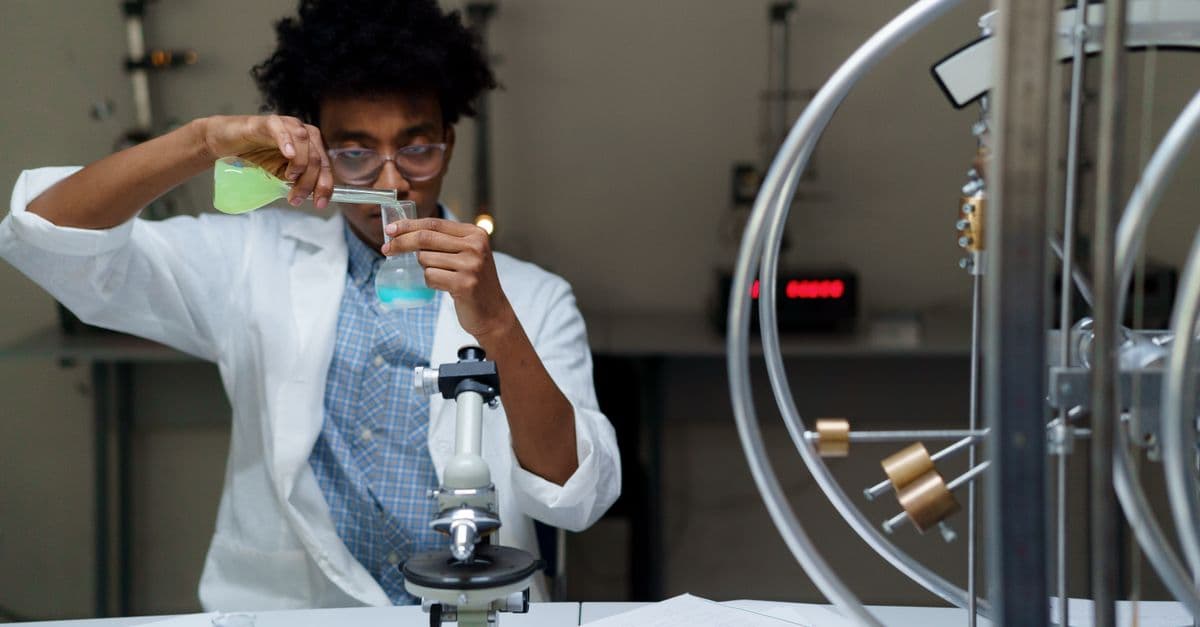
Hodgkin and Huxley used squid giant axons and voltage-clamp to decode the action potential's ionic machinery. Their 1952 model still powers neuroscience today.
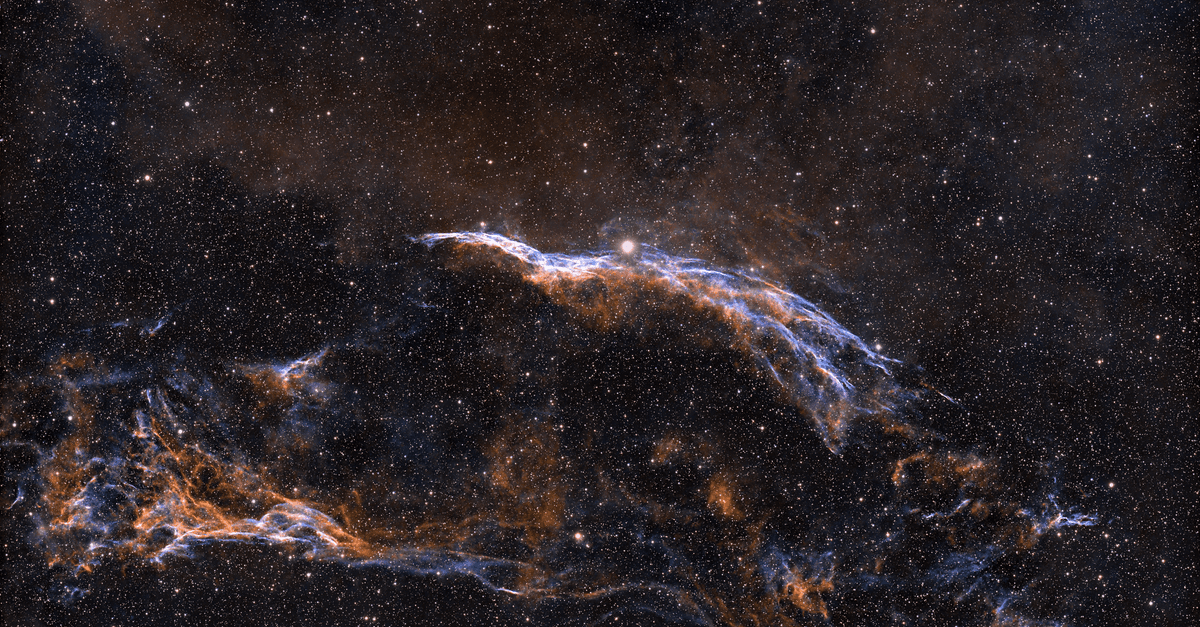
Hubble's 1929 redshift observation tied galaxy speed to distance. See what the 24-galaxy data showed, why his constant was off 7x, and the tension today.
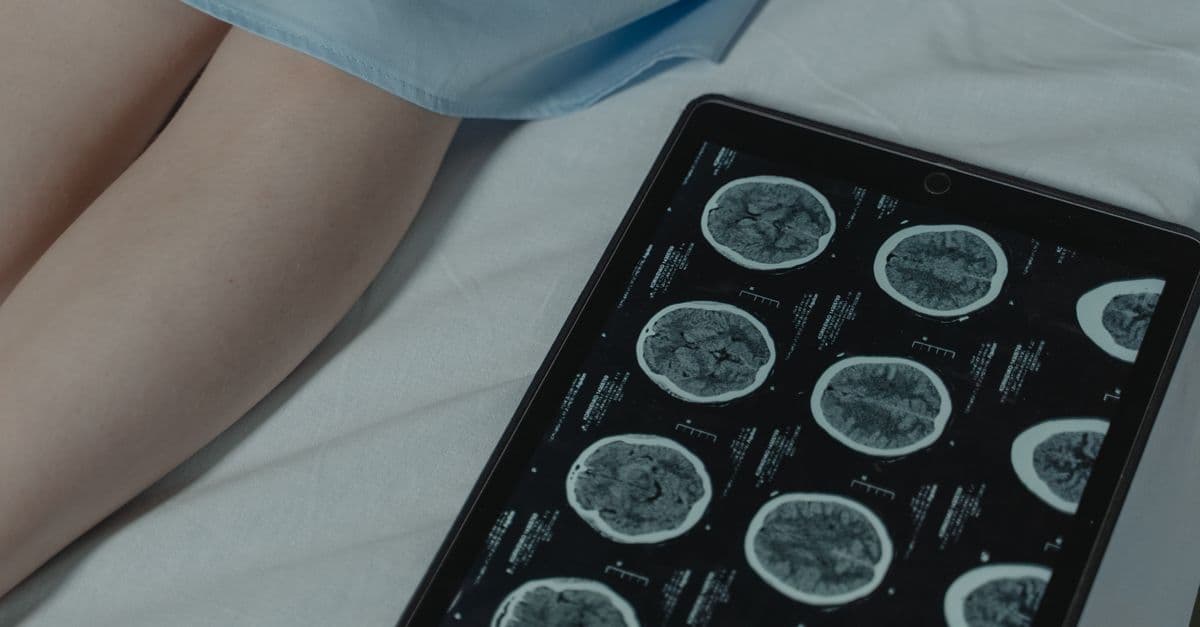
The Iowa Gambling Task tested whether gut feelings guide choices. How the four-deck card game works, what it showed, and why scientists still argue about it.
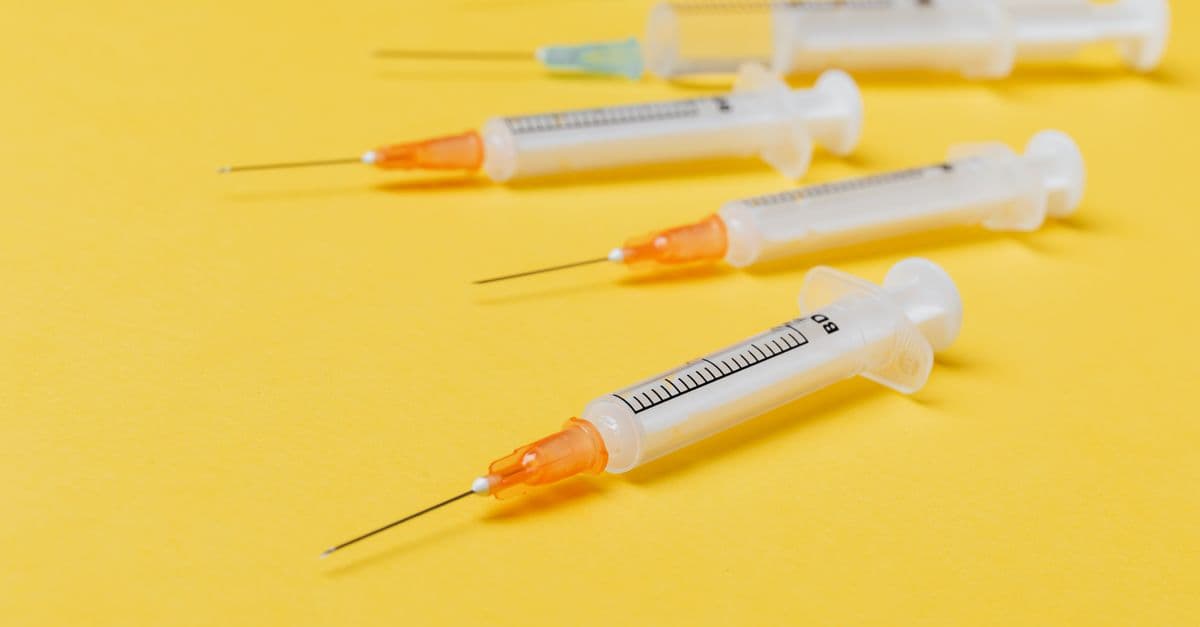
Edward Jenner vaccinated James Phipps with cowpox in 1796 and created the world's first vaccine. Learn how the experiment worked and why it ended smallpox.
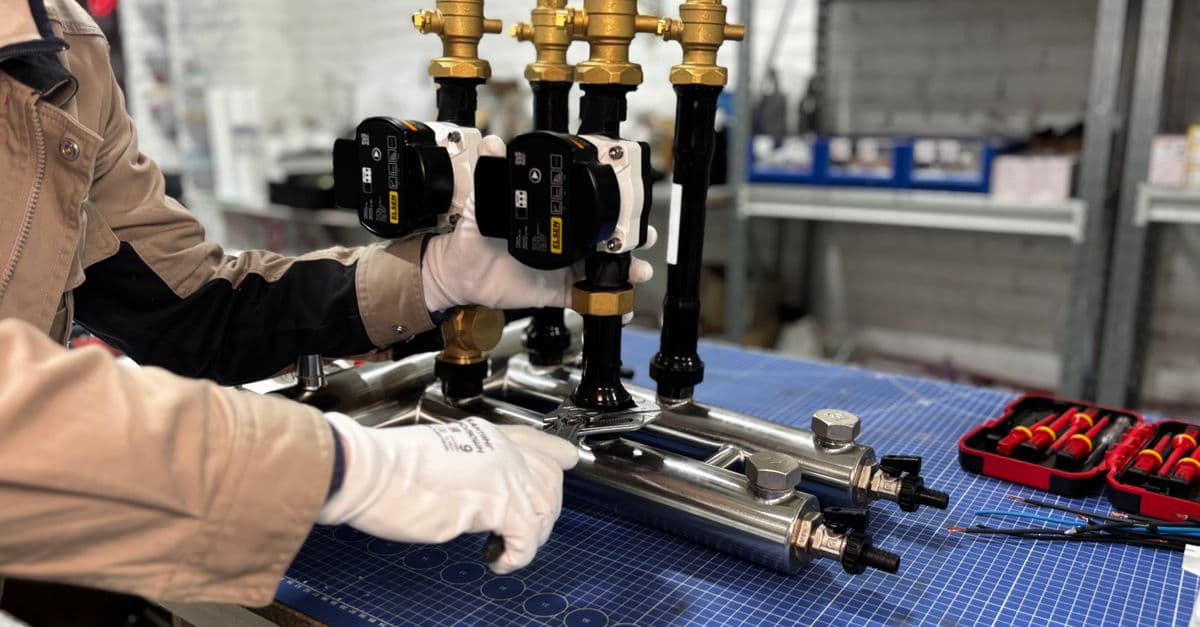
James Joule used falling weights and spinning paddles to prove that mechanical work and heat are the same thing — establishing the first law of thermodynamics and the SI unit that bears his name.
In 1983, Benjamin Libet found brain activity began 350ms before conscious intention to move. The free will debate that followed has been partially rewritten by modern neuroscience.
On September 14, 2015, LIGO detected a ripple in spacetime from two merging black holes a billion light-years away. Here is how the instrument works and what it measured.
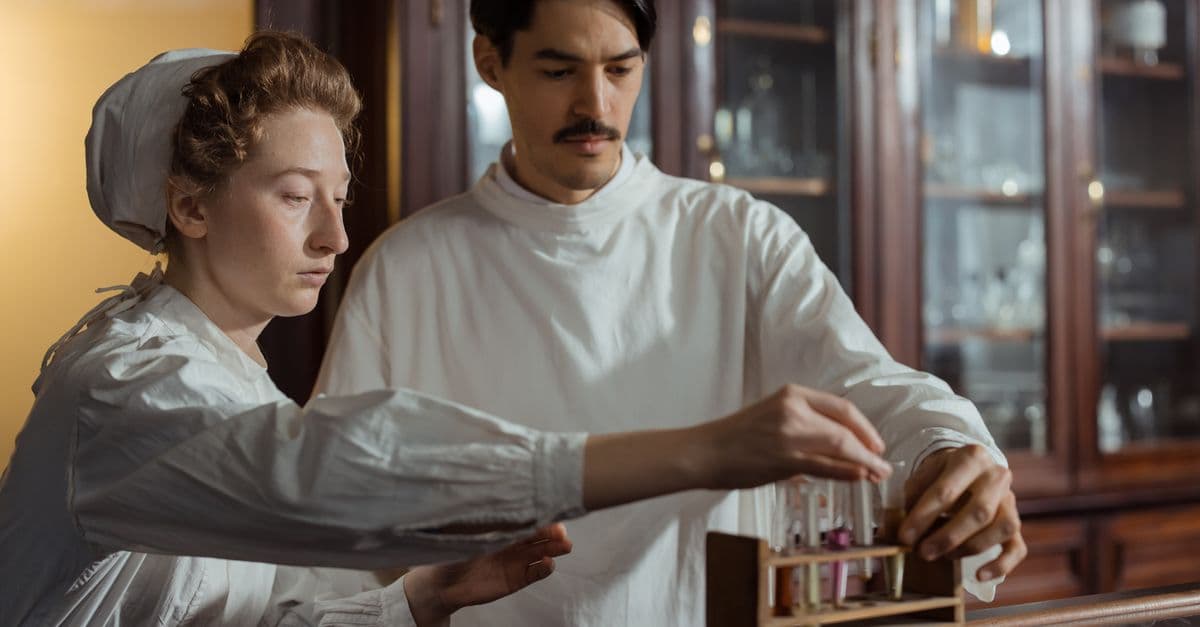
James Lind's 1747 experiment on HMS Salisbury tested six treatments for scurvy on 12 sailors. Only citrus worked. Discover how it became the blueprint for clinical trials.