Latest Scientists News
Biographies of the world's most famous scientists: little-known habits, quirks, personal stories, and the discoveries that changed history.


Scientists
George de Mestral: The Engineer Who Invented Velcro After a Hike
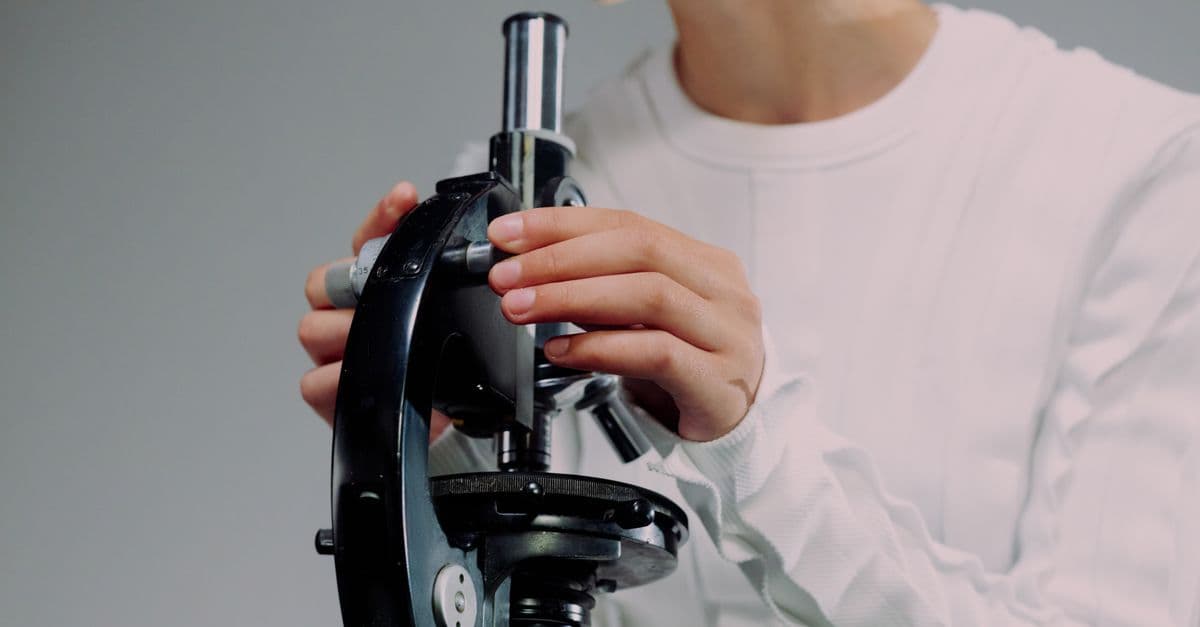
George de Mestral invented Velcro in 1955 after examining cockleburs under a microscope during a 1941 hunting trip. His biomimicry insight became one of the most widely used fasteners on Earth.
Scientists
Konstantin Tsiolkovsky: The Deaf Schoolteacher Who Invented Space Travel
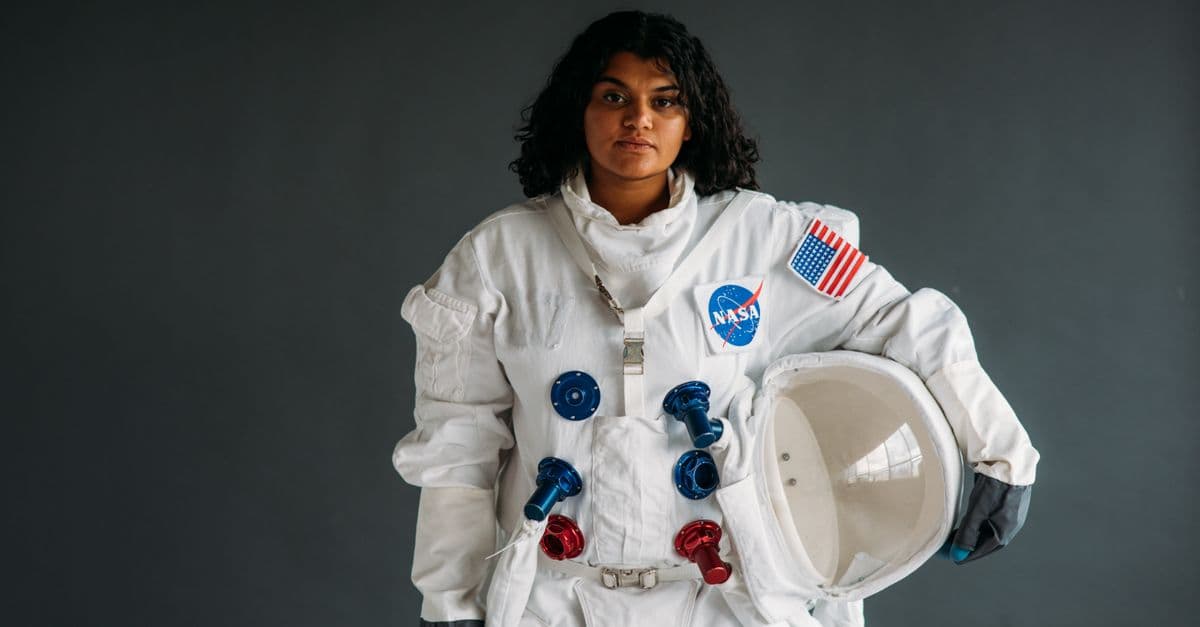
Konstantin Tsiolkovsky derived the rocket equation in 1903, proposed liquid propellants and multi-stage rockets, and laid the theoretical foundation for all human spaceflight. He was nearly deaf.

Scientists
Robert Goddard: The Engineer Who Built the First Liquid-Fueled Rocket
Robert Goddard launched the first liquid-fueled rocket in 1926, held 214 patents, and was ridiculed by the NYT — which retracted its criticism hours before Apollo 11 landed.

Scientists
Robert Koch: The Country Doctor Who Founded Modern Bacteriology
Robert Koch proved specific bacteria cause specific diseases, discovered TB and cholera pathogens, and won the 1905 Nobel Prize. His postulates still govern microbiology today.

Scientists
Willis Carrier: The Engineer Who Invented Modern Air Conditioning
Willis Carrier invented the first modern air conditioning system in 1902 to solve a humidity problem at a Brooklyn printing plant. His psychrometric equations still govern HVAC design today.
Scientists
Claude Shannon: The Bell Labs Tinkerer Who Invented Information
Claude Shannon founded information theory in 1948, proved Boolean algebra runs circuits in 1937, built a maze-solving mouse, and juggled on a unicycle through Bell Labs hallways.

Scientists
Ernest Rutherford: The New Zealander Who Split the Atom
Ernest Rutherford discovered the atomic nucleus, named alpha and beta radiation, and mentored 11 future Nobel laureates. His biography, gold foil experiment, and legacy.

Scientists
Hans Bethe: The Physicist Who Explained Why Stars Shine
Hans Bethe discovered the CNO cycle that powers stars, led Manhattan Project theory, won the 1967 Nobel Prize, and spent 70 years at Cornell advocating against nuclear weapons. He lived to 98.
Page 1 of 9 (103 articles)Next