Space
Kepler's Three Laws: Why Planets Speed Up Near the Sun
Kepler's three laws explained with NASA data: why orbits are ellipses, why planets speed up near the Sun, and how P² = a³ weighs planets and finds exoplanets.
85 articles tagged with #astronomy
Kepler's three laws explained with NASA data: why orbits are ellipses, why planets speed up near the Sun, and how P² = a³ weighs planets and finds exoplanets.
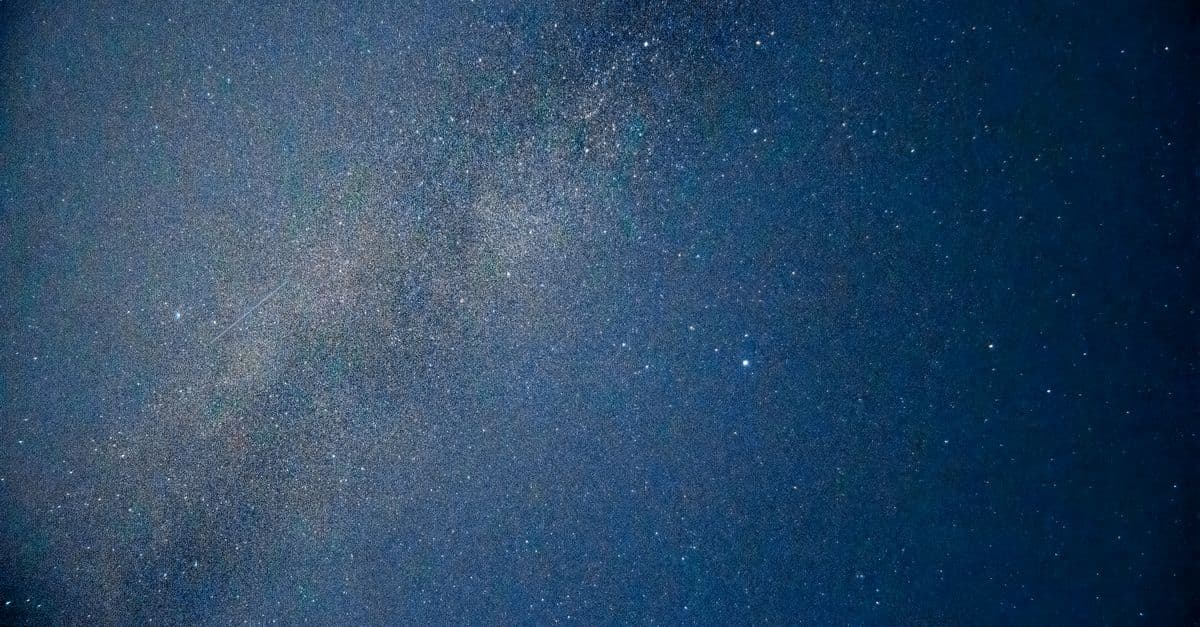
Stars twinkle because Earth's turbulent atmosphere bends starlight in constantly shifting ways. Because stars are infinitely distant, they act as point sources, so even tiny bends in light rays cause dramatic brightness and color flickers. Planets, being much closer, show a small disk that averages out the jitter. Twinkling is worst near the horizon and is why the best observatories sit on mountaintops or in orbit.
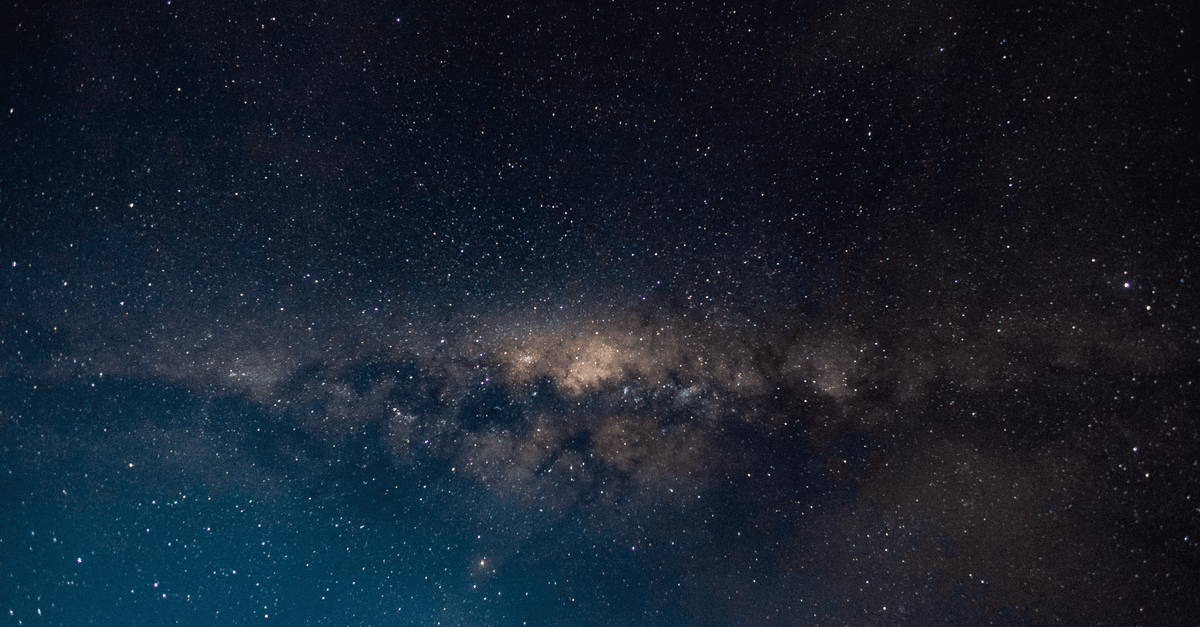
Earth's 23.5-degree axial tilt, not its elliptical orbit, is why we have seasons. The tilt means each hemisphere receives more direct sunlight and longer daylight hours for part of the year (summer), then less direct light and shorter days for another part (winter). The two hemispheres always experience opposite seasons simultaneously. Solstices and equinoxes mark the extremes and midpoints of this tilt cycle.
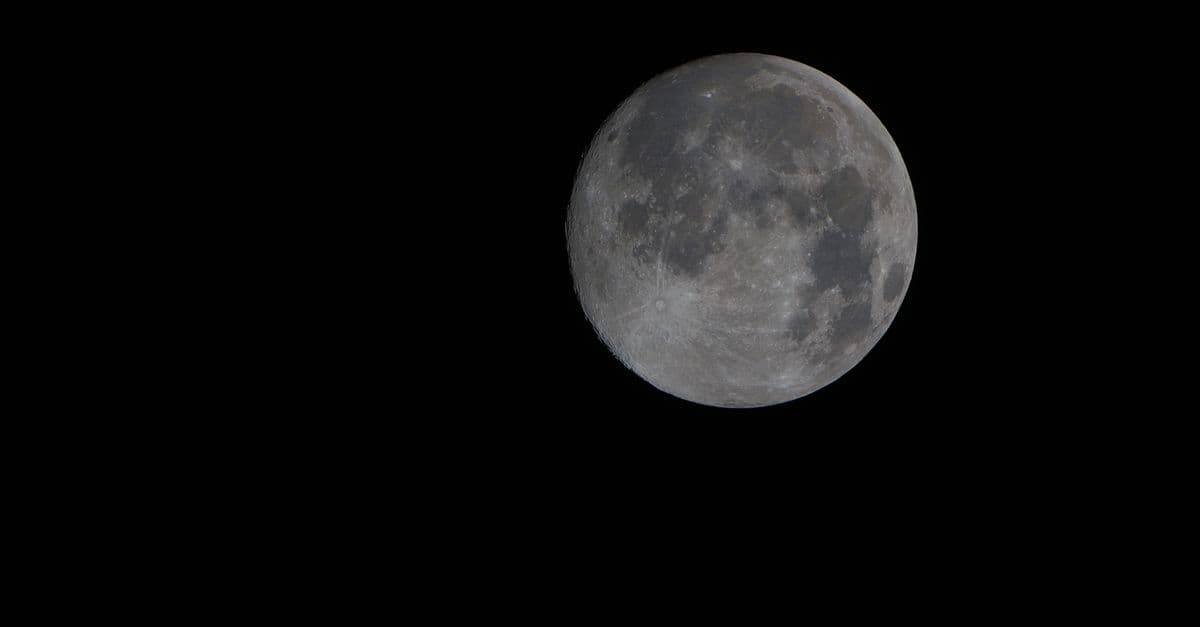
Half the Moon is always sunlit; phases are how much of that lit half we see as the Moon orbits Earth. The synodic month lasts 29.5 days, moving through new, crescent, quarter, gibbous, and full phases. Phases are NOT Earth's shadow—that's an eclipse. The Moon always shows us the same near side due to tidal locking, a gravitational dance between Earth and Moon.

Mars appears deep red from Earth because iron-rich minerals in its soil and dust have oxidized into rust-like compounds over billions of years. The planet's surface was once wet, and water catalyzed iron oxidation into hematite, goethite, and ferrihydrite—minerals that paint the landscape rusty-orange and stain the atmosphere with butterscotch dust. Recent 2025 research reveals ferrihydrite as a key culprit, indicating ancient Mars oxidized when liquid water was still present. Fine dust storms lift this iron-oxide powder high enough to give the entire planet its iconic crimson hue, while close-up rover images show a more complex palette of browns and tans.
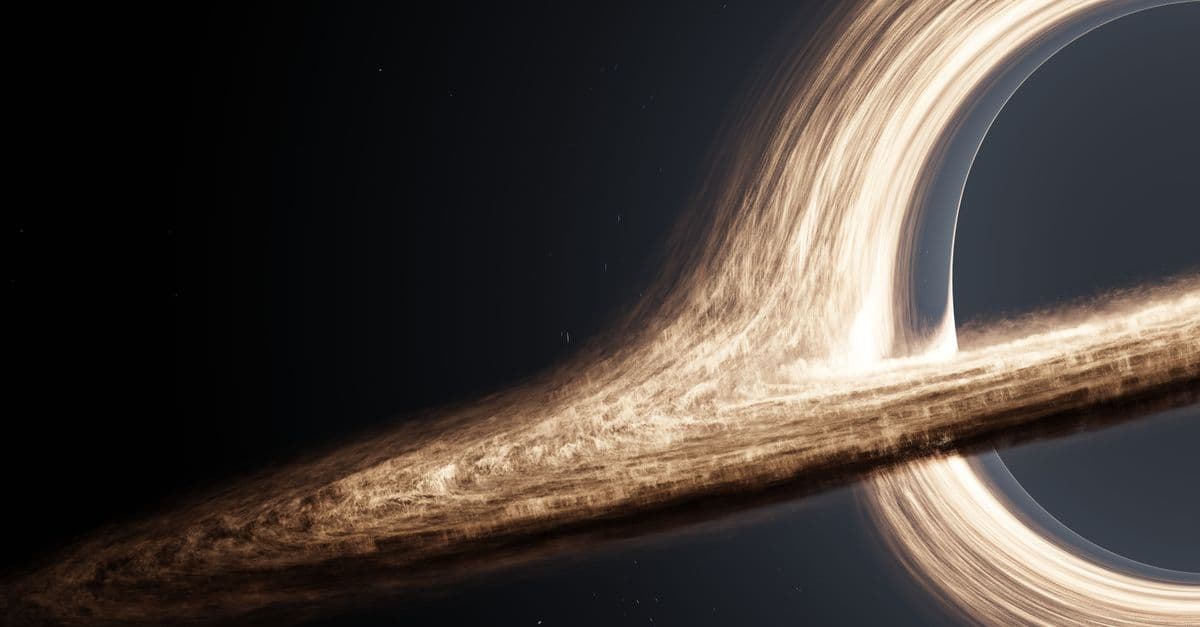
The Event Horizon Telescope created the first black hole image by linking radio telescopes across Earth. Here is how the experiment worked.
The most massive black holes challenge galaxy formation models. This article explains ultramassive black holes, how mass is measured, and why records change.
Astronomers' galaxy counts have swung from 100 billion to 2 trillion and back to hundreds of billions. Here's why the number keeps changing, and what it actually means.
A guide to the nearest potentially habitable exoplanets, from Proxima b to TRAPPIST-1e, what JWST has found, and why 'habitable' rarely means confirmed.

If you placed the star UY Scuti where our Sun is, its surface would engulf Mercury, Venus, Earth, Mars, and reach out past the orbit of Jupiter. It is one of the largest known stars — a hypergiant so vast that light takes hours to cross it. Yet by another measure, this colossus is a lightweight: a star can be a thousand times wider than the Sun and still weigh less than the heaviest stars, which are smaller but unimaginably dense. Size, in space, is not what it seems.

KELT-9b has a dayside temperature of approximately 4,600 K (4,327°C) — hotter than most stars' surfaces and hot enough to rip hydrogen molecules apart. It is just one of thousands of exoplanets with conditions so extreme they require entirely new atmospheric chemistry to describe. From a world where iron rains upward to one that may contain trillions of tons of diamond, and from planets that orbit their star in 18 hours to those roaming the galaxy with no star at all, the known exoplanet population contains phenomena with no analog in our solar system. Here is what the extremes actually look like.