Space
Kepler's Three Laws: Why Planets Speed Up Near the Sun
Kepler's three laws explained with NASA data: why orbits are ellipses, why planets speed up near the Sun, and how P² = a³ weighs planets and finds exoplanets.
30 articles tagged with #exoplanets
Kepler's three laws explained with NASA data: why orbits are ellipses, why planets speed up near the Sun, and how P² = a³ weighs planets and finds exoplanets.

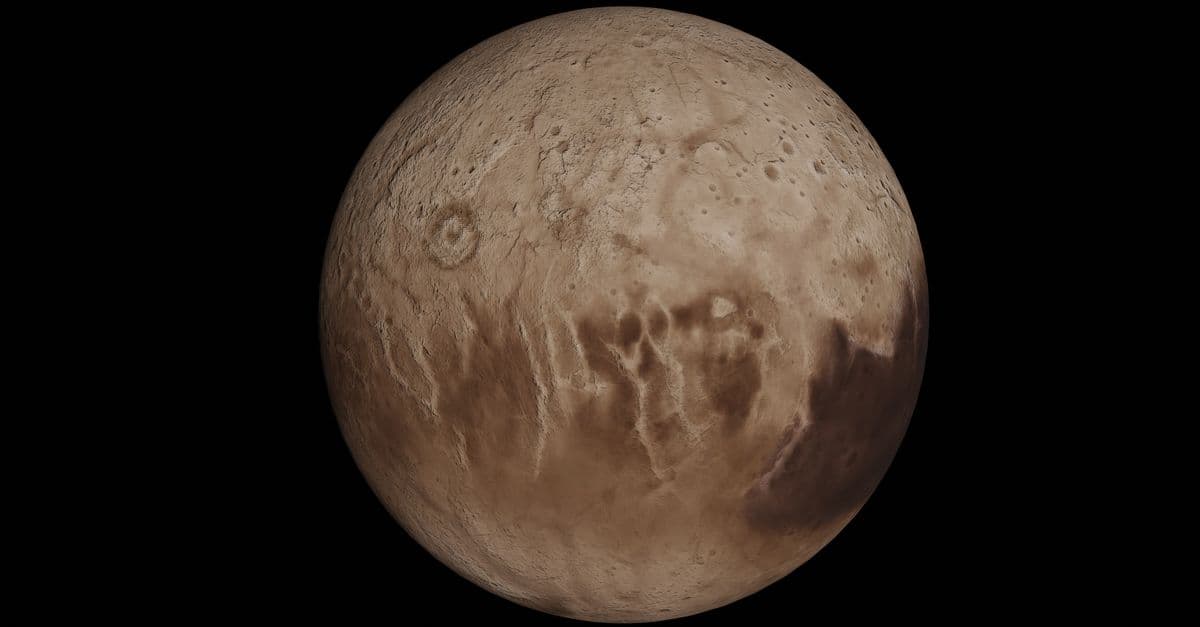
TRAPPIST-1e, Proxima b, LHS 1140 b, TOI-700 d and more: how the most Earth-like planets compare, and what each has and has not shown about air and water.
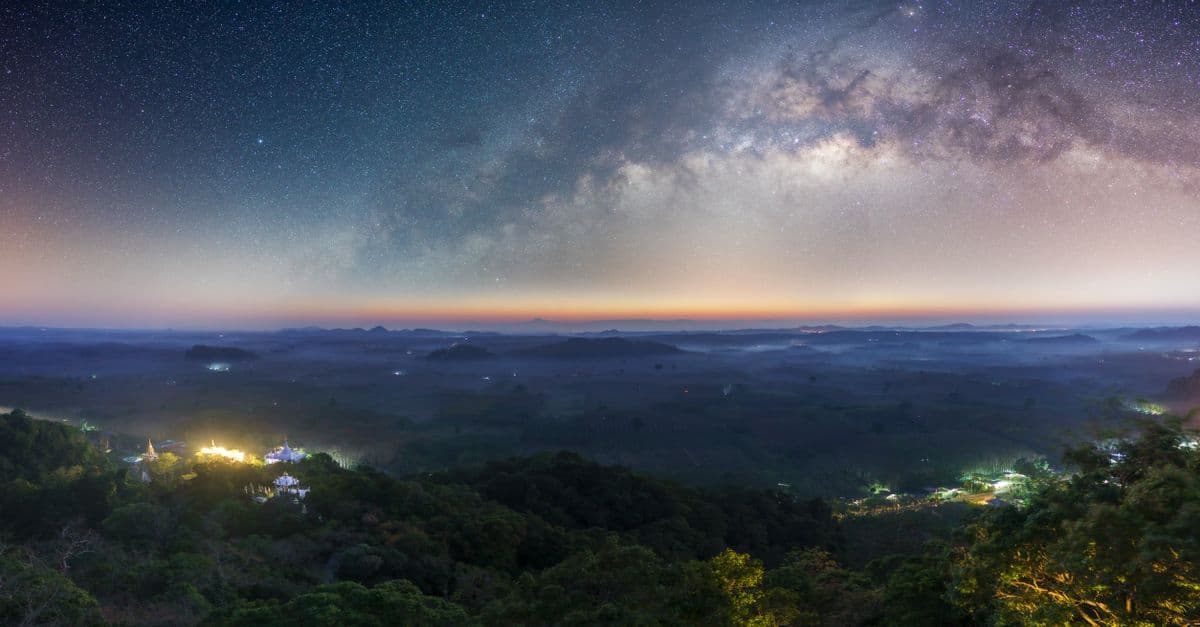
A guide to the nearest potentially habitable exoplanets, from Proxima b to TRAPPIST-1e, what JWST has found, and why 'habitable' rarely means confirmed.
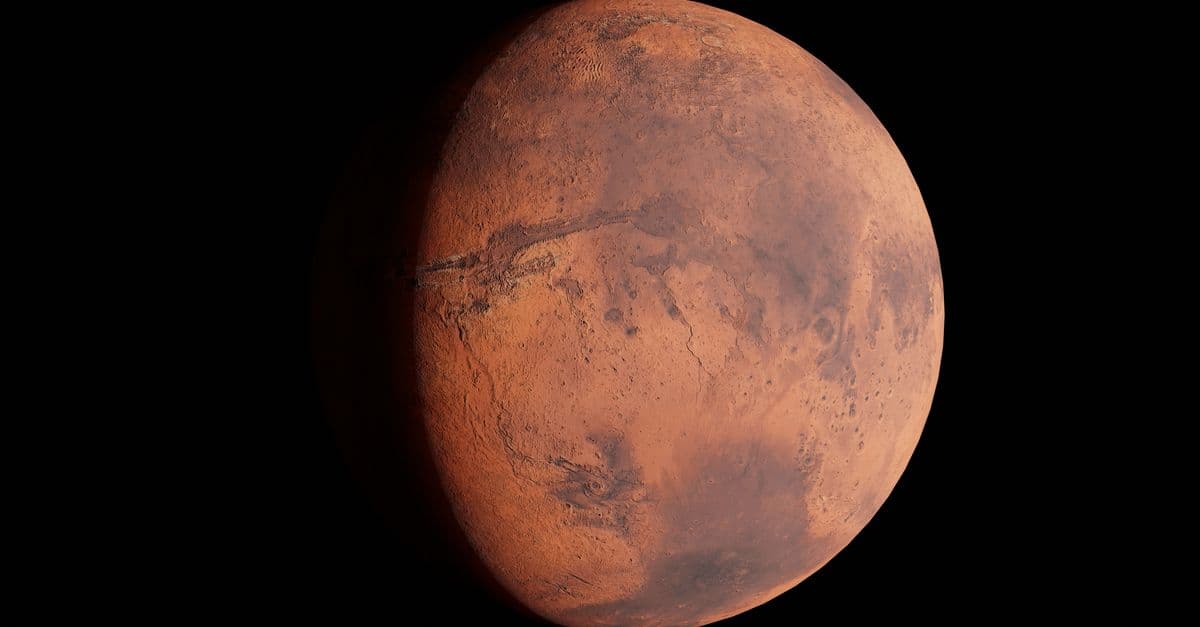
The search for life beyond Earth focuses on two main questions: (1) Has intelligent life evolved elsewhere in the cosmos? (2) Has life in any form (microbial) emerged on exoplanets or moons? The Drake Equation (1961) estimated the number of communicative civilizations in the Milky Way at N = R × f_p × n_e × f_l × f_i × f_c × L, yielding estimates from 1 to 1 million civilizations depending on parameter assumptions. Yet 70 years of SETI (Search for Extraterrestrial Intelligence) has found no confirmed signals. Meanwhile, exoplanet discoveries (5,500+ as of 2026) reveal that habitable-zone Earth-like planets are common. Mars, Europa, and Enceladus show signs of liquid water and reduced carbon compounds. JWST observations have detected biosignature candidates in exoplanet atmospheres. The paradox is stark: habitable worlds appear common, yet no confirmed biosignatures have been found. This article reviews the evidence for habitable zones, biosignature detection, and the Fermi Paradox.

KELT-9b has a dayside temperature of about 4,600 K, as hot as a K-type star. It is one of thousands of exoplanets whose conditions force astronomers to invent new atmospheric chemistry: iron that condenses on a night side, glass-forming haze, orbits measured in hours, and worlds with no star at all. Here is what the records actually say, and what they do not.
In 2022, the James Webb Space Telescope returned the first clear, detailed evidence of carbon dioxide in a planet outside the solar system. The same planet later gave up sulfur dioxide made by starlight chemistry, water, carbon monoxide, sodium, and potassium, and showed that its morning and evening edges differ.
For most of the history of exoplanet science, astronomers could detect planets but not smell them. They could measure orbital periods, estimate masses, and infer temperatures — but the chemical composition of another world's atmosphere was almost entirely out of reach. JWST changed that. In its first two years, it detected carbon dioxide on a gas giant 700 light-years away, found evidence of methane and CO₂ on a possible ocean world 120 light-years out, and ruled out thick atmospheres on the rocky TRAPPIST-1 planets — all using a technique called transmission spectroscopy that is as elegant as it is precise.
JWST's confirmed discoveries from 2022 to 2026: ancient galaxies too massive for theory, exoplanet biosignature debates, star formation in infrared, and solar system science.
The Drake Equation estimates how many alien civilizations exist in the Milky Way. Learn each factor, the modern numbers, and what it actually tells us.

A thought experiment on alien biology, first contact protocols, and Fermi paradox resolutions — what discovering extraterrestrial life would really mean.
What would actually happen if Earth suddenly doubled in size? Surface gravity would crush most life, the atmosphere would thicken into a lethal blanket, and reaching space might become impossible.