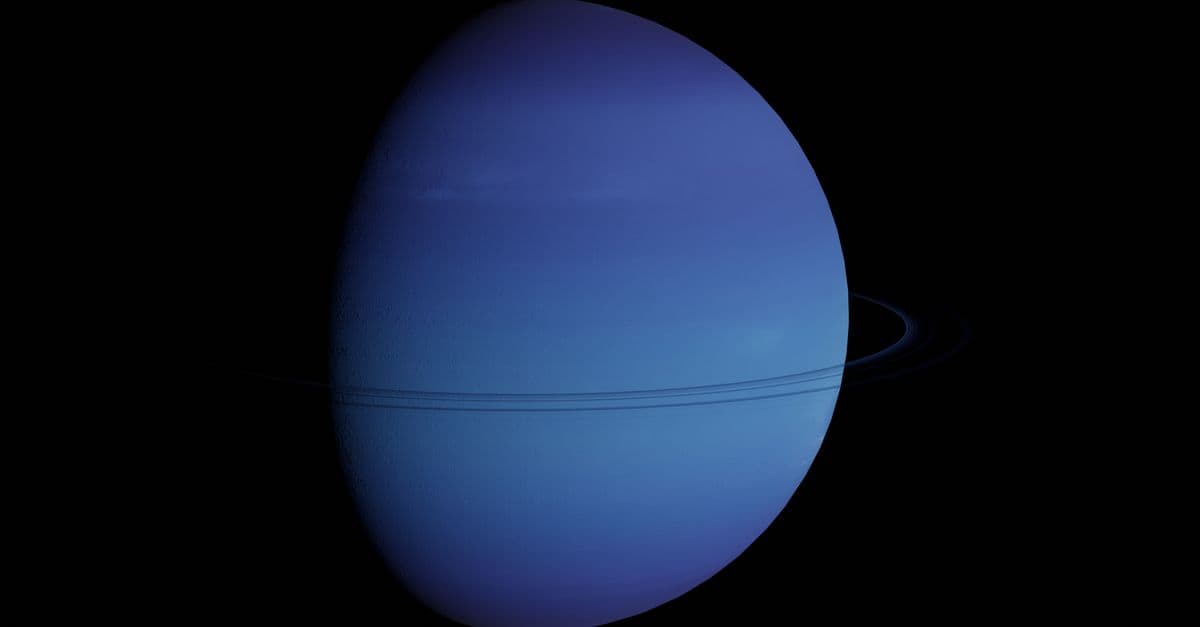
What If
What If All Humans Disappeared Tomorrow?
If humanity vanished overnight, Earth would begin a dramatic recovery — from nuclear meltdowns in hours to rainforest regrowth over centuries.
8 articles tagged with #extinction
If humanity vanished overnight, Earth would begin a dramatic recovery — from nuclear meltdowns in hours to rainforest regrowth over centuries.
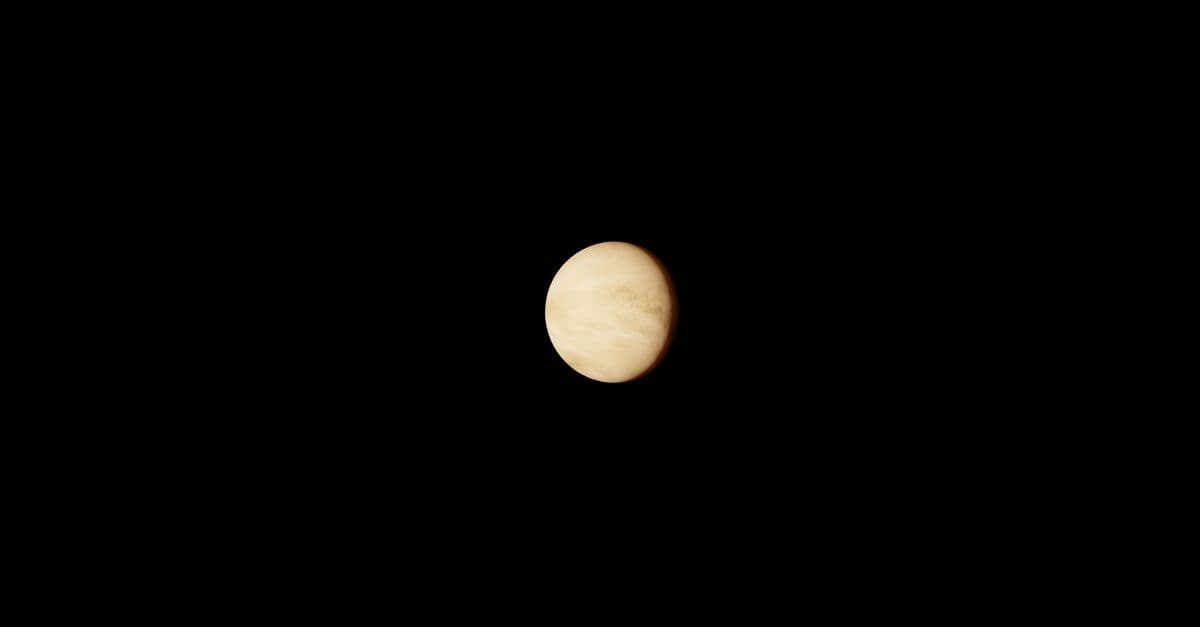
If the Sun vanished right now, we'd have 8 minutes of sunlight left. Then darkness, plummeting temperatures, and Earth drifting into interstellar space.
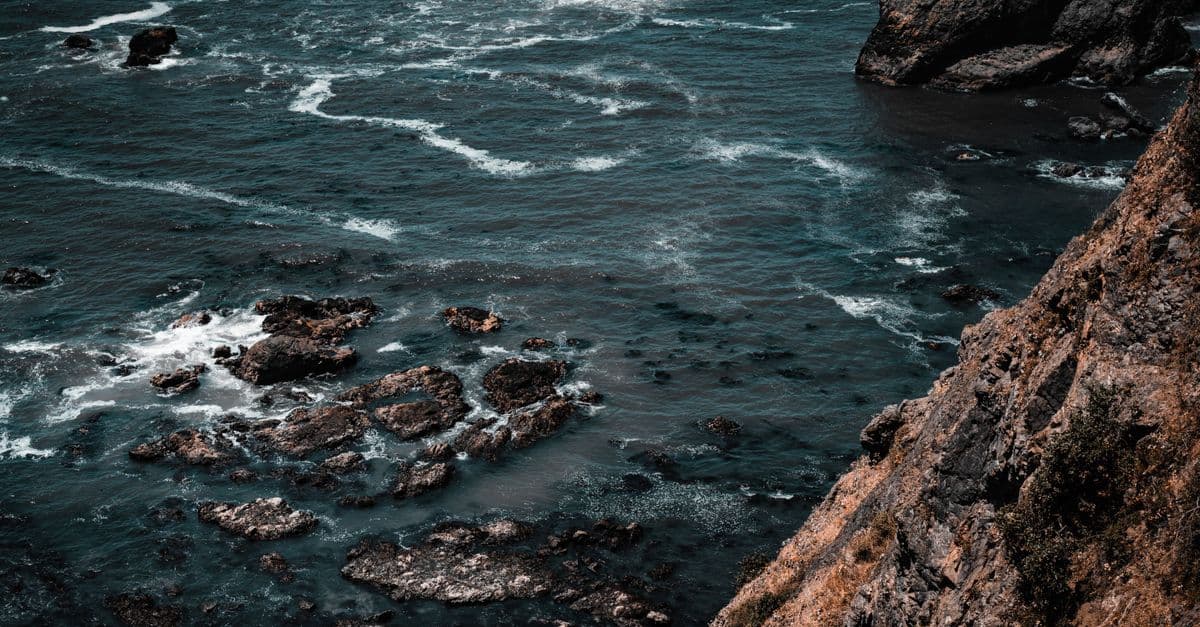
The Pacific Ocean covers nearly a third of Earth's surface and holds about half the planet's water. This thought experiment walks through what physics, climate science, and geology say would happen if it vanished — and why the planet has no substitute for it.
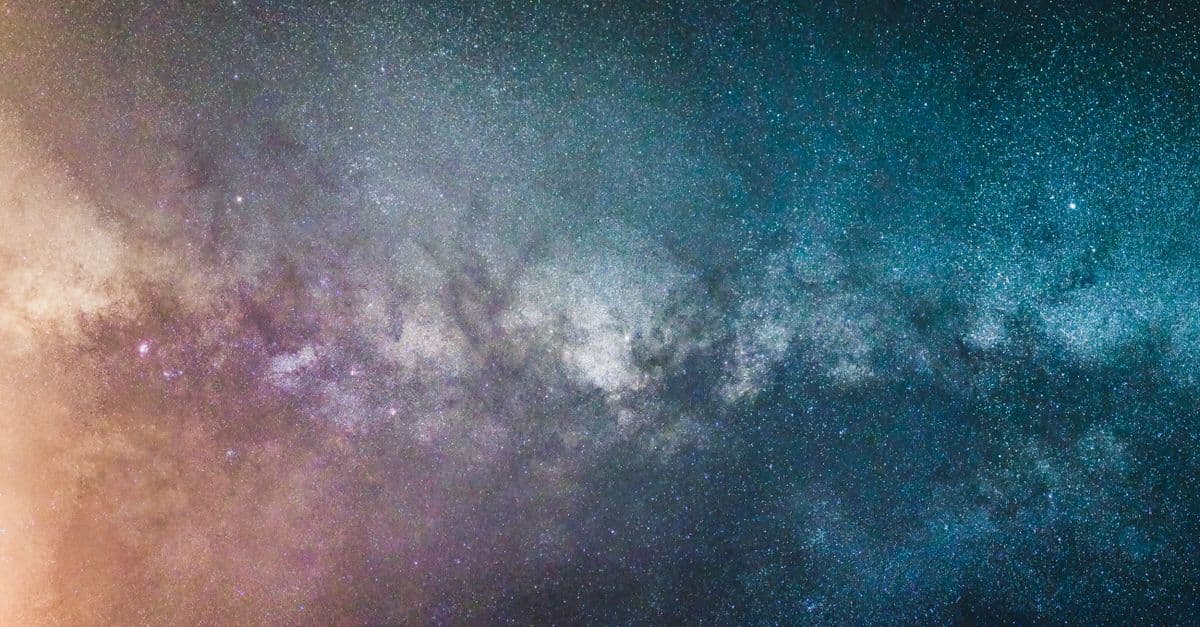
Interstellar dust grains, typically far thinner than a human hair, dim starlight, build molecular hydrogen, shield star-forming clouds, carry the isotopic signatures of dead stars, and supply the solids from which planets grow.
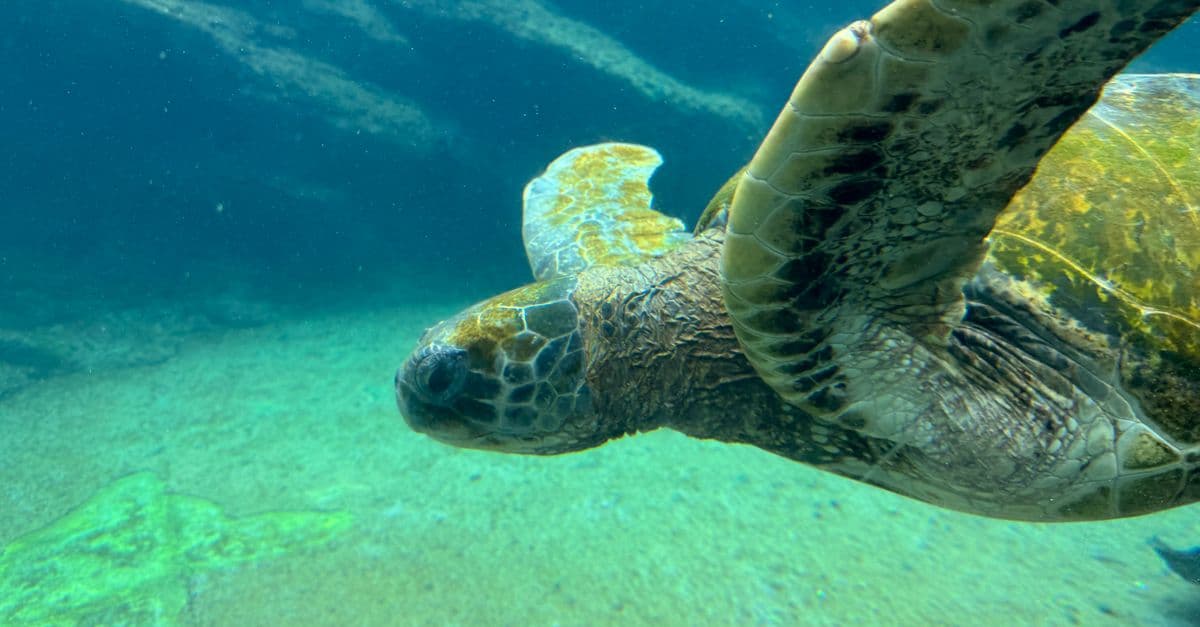
Madagascar now tops recent IUCN-based tallies, with Ecuador, Indonesia, Mexico, and Brazil close behind. This article shows which counts can be trusted, why rankings keep changing, and what the numbers hide.

The Milky Way holds 200 to 400 billion stars and we have found no sign of another civilization. The Great Filter proposes that one step on the road from chemistry to spacefaring is almost impossible, and we do not know whether we have already passed it.

Species are disappearing tens to hundreds of times faster than the long-run average, and monitored wildlife populations have fallen by about three-quarters since 1970. Here is what the numbers mean, what drives the loss, and what has worked.
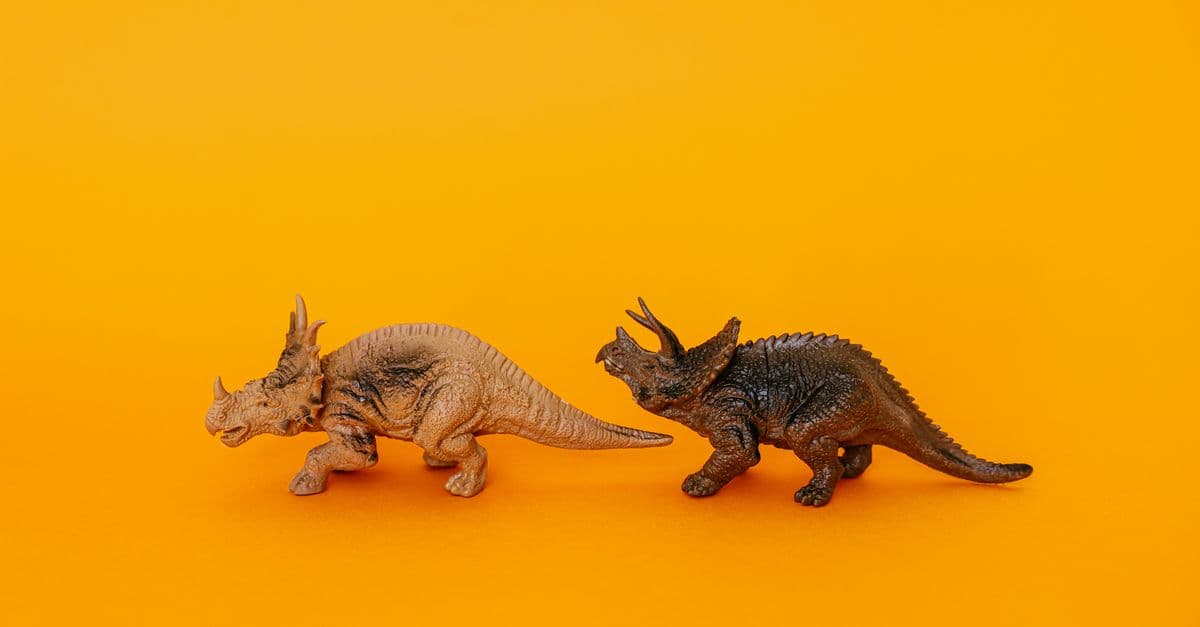
Sixty-six million years ago, a six-mile-wide asteroid changed everything. But what if it had missed? Would mammals exist? Would humans? Here's what the science of evolution suggests.