
habitable-zone
8 articles tagged with #habitable-zone
Space
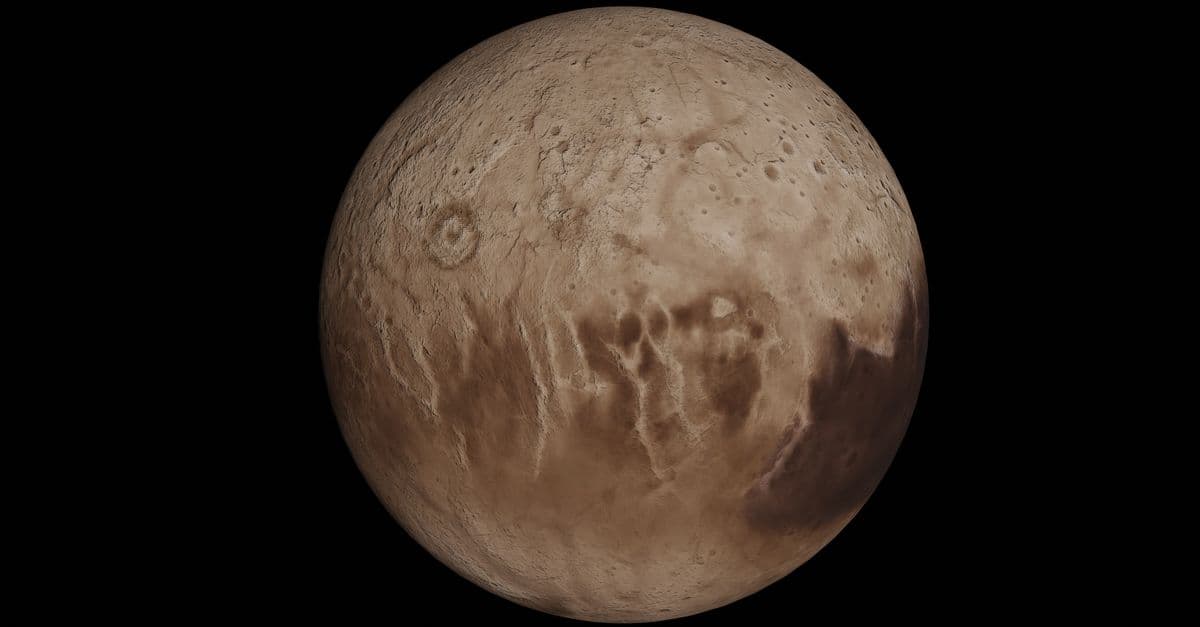
Most Earth-Like Planets Discovered So Far
TRAPPIST-1e, Proxima b, LHS 1140 b, TOI-700 d and more: how the most Earth-like planets compare, and what each has and has not shown about air and water.

Space
Nearest Exoplanets That Could Host Life
A guide to the nearest potentially habitable exoplanets, from Proxima b to TRAPPIST-1e, what JWST has found, and why 'habitable' rarely means confirmed.
Space
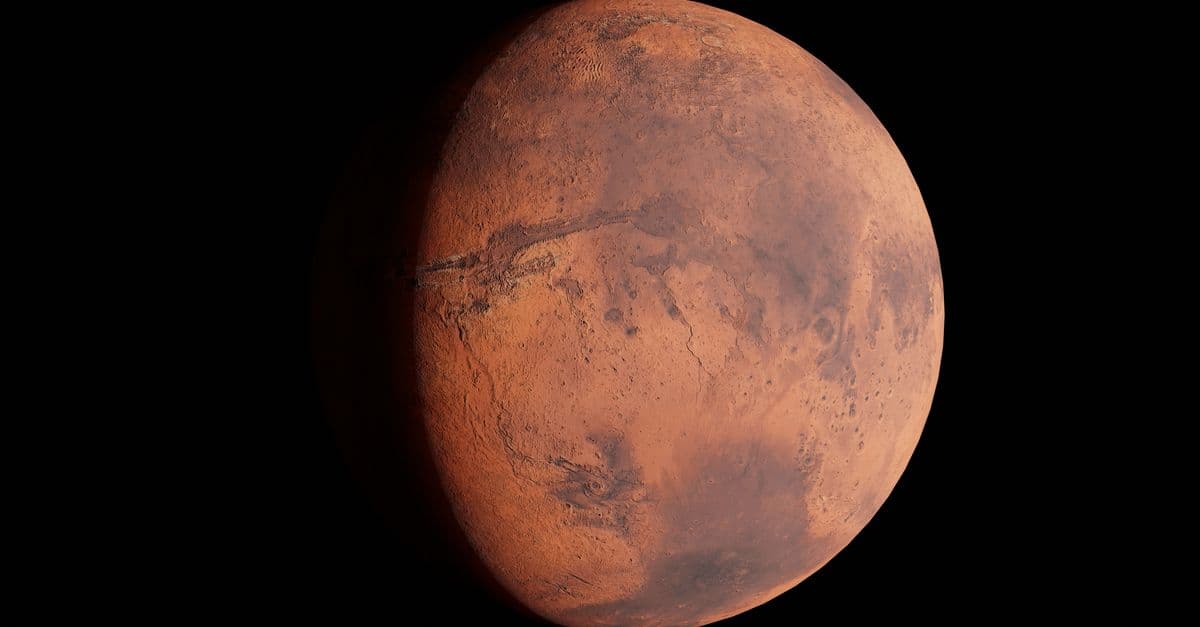
The Search for Extraterrestrial Life: Where Do We Stand?
The search for life beyond Earth focuses on two main questions: (1) Has intelligent life evolved elsewhere in the cosmos? (2) Has life in any form (microbial) emerged on exoplanets or moons? The Drake Equation (1961) estimated the number of communicative civilizations in the Milky Way at N = R × f_p × n_e × f_l × f_i × f_c × L, yielding estimates from 1 to 1 million civilizations depending on parameter assumptions. Yet 70 years of SETI (Search for Extraterrestrial Intelligence) has found no confirmed signals. Meanwhile, exoplanet discoveries (5,500+ as of 2026) reveal that habitable-zone Earth-like planets are common. Mars, Europa, and Enceladus show signs of liquid water and reduced carbon compounds. JWST observations have detected biosignature candidates in exoplanet atmospheres. The paradox is stark: habitable worlds appear common, yet no confirmed biosignatures have been found. This article reviews the evidence for habitable zones, biosignature detection, and the Fermi Paradox.
Space
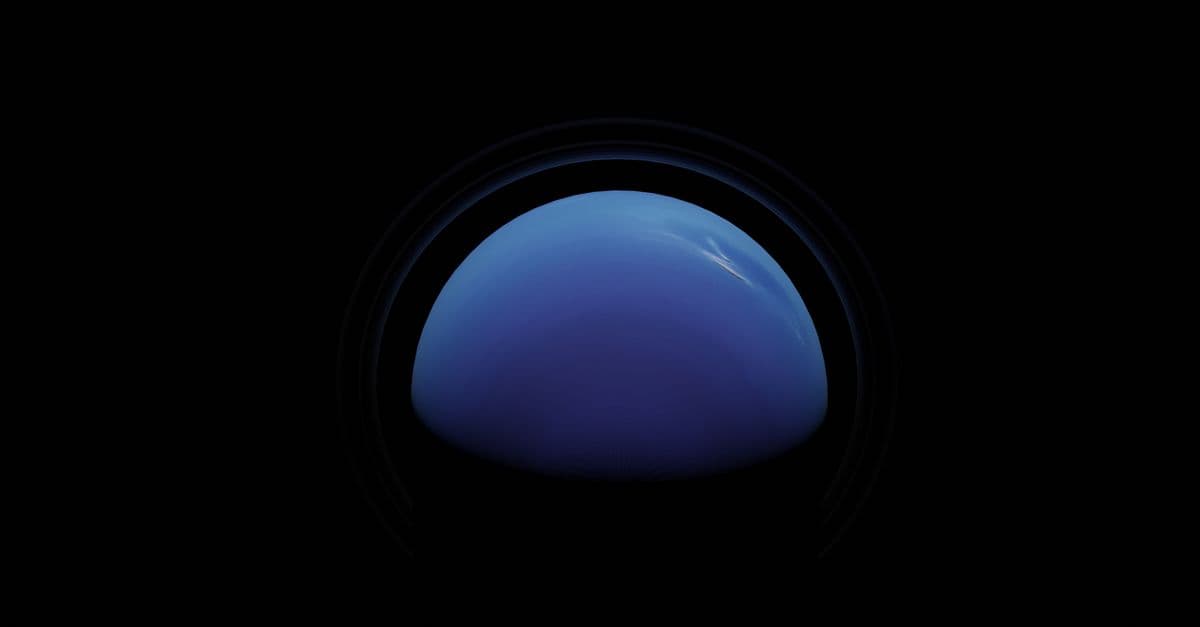
What Is Tidal Locking? How Gravity Synchronizes Worlds
Tidal locking happens when a body's rotation period equals its orbital period, so one face always points at its partner. The Moon is locked to Earth, Mercury is caught in a 3:2 resonance instead, and many planets around red dwarf stars are probably locked to their stars.
Space
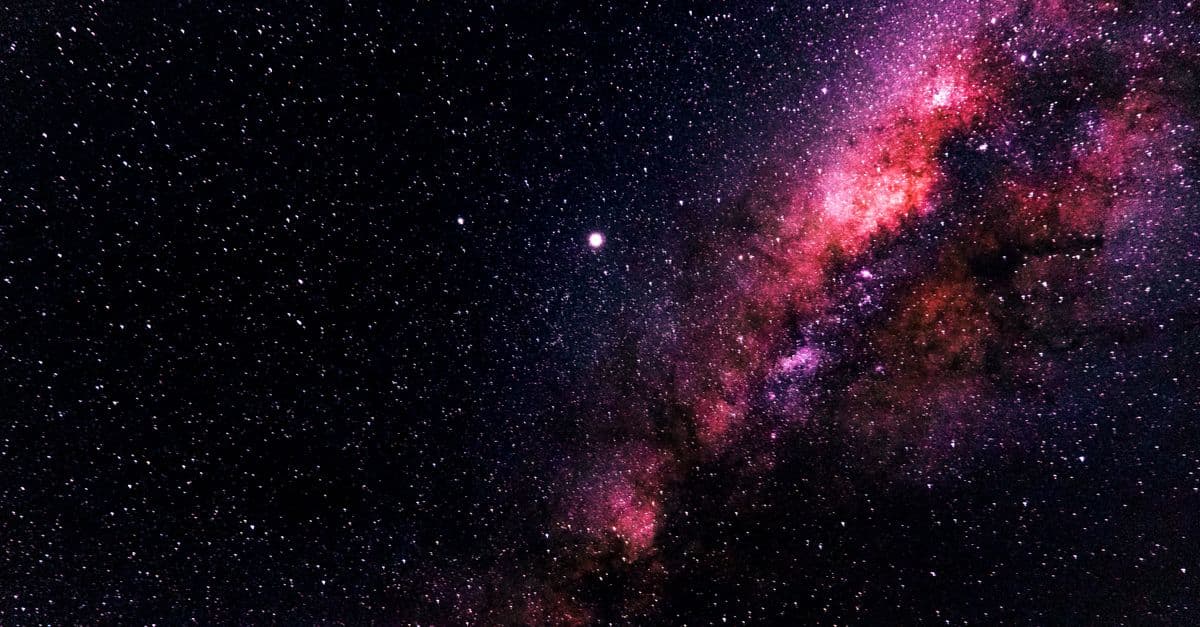
What Is the Habitable Zone? Why Earth Is the Goldilocks Planet
The habitable zone is the band of orbital distances where a rocky planet could hold liquid water on its surface. For the Sun, one widely used model puts it at 0.99 to 1.70 AU. Venus and Mars show why that is only the first filter.
What If
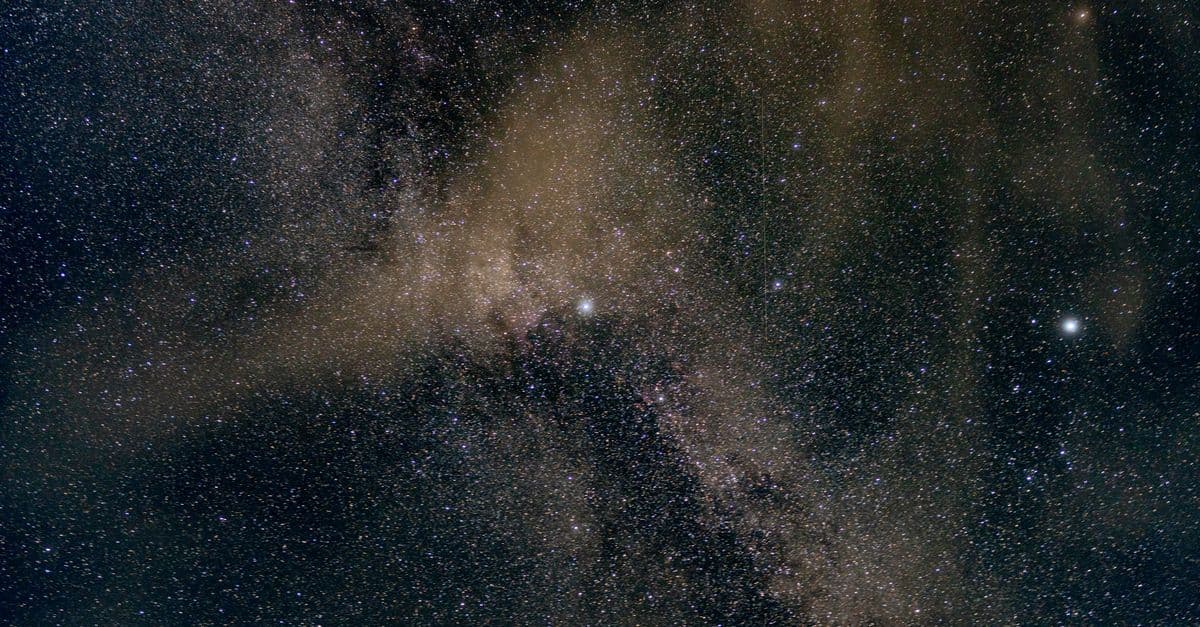
What If We Discovered an Earth-Twin Planet?
Astronomers have found thousands of exoplanets. An Earth-sized planet in a habitable zone isn't exotic anymore. But a true Earth twin — similar size, similar temperature, liquid water, an oxygen atmosphere — would be something else entirely. Here's what would happen if we found one.
Space
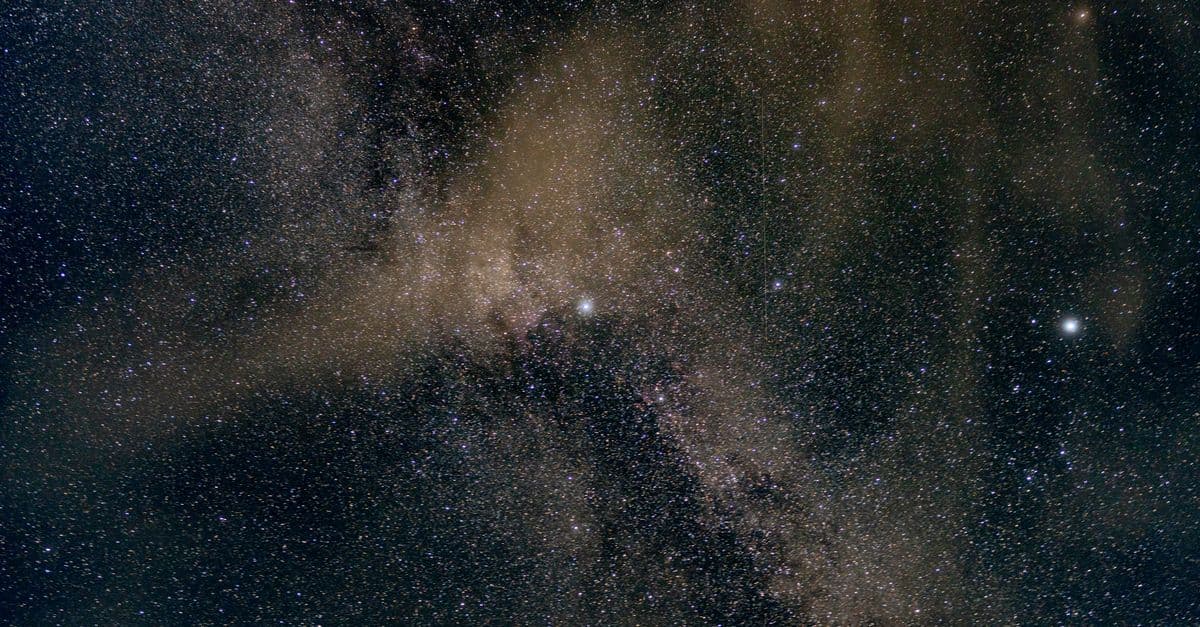
What Are Exoplanets — and Could Any of Them Host Life?
We've found over 5,500 planets orbiting other stars. Some are hot Jupiters, some are super-Earths, and a handful sit in habitable zones. Here's the science of finding them and the search for life elsewhere.