Skip to content
ISSUE 11.07.26/24 CATEGORIES

interstellar-medium

5 articles tagged with #interstellar-medium

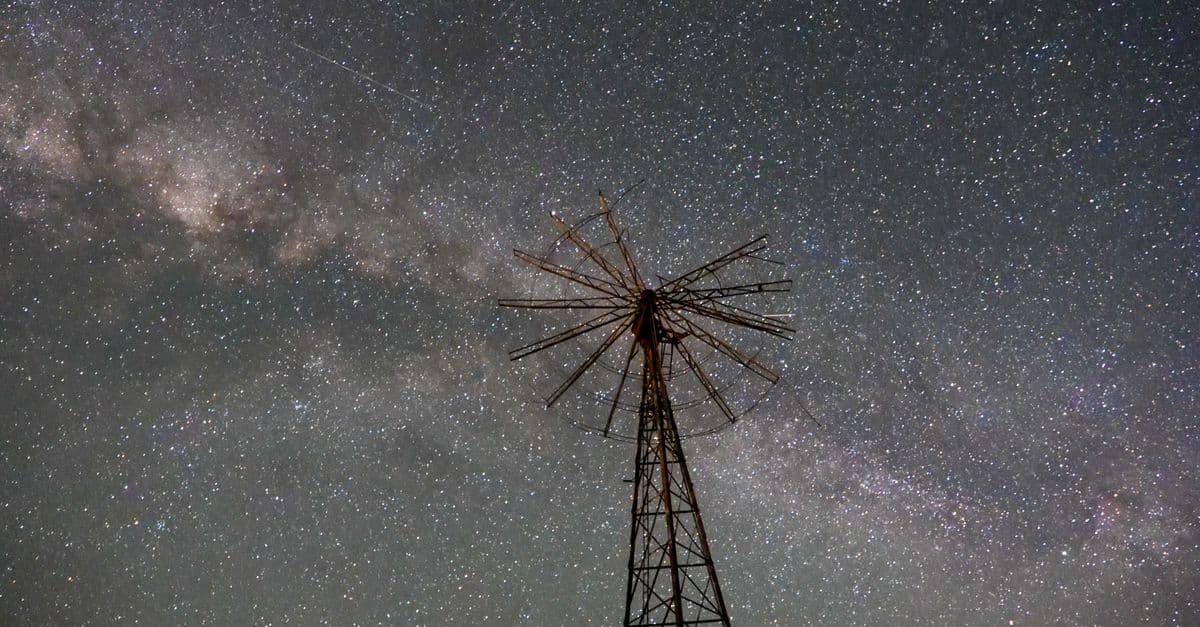
Explore the night sky with a silhouette of a windmill under the Milky Way in Witjira, Australia.
Space

What Is the Solar Wind? How the Sun Shapes the Solar System

The solar wind is a continuous outflow of charged particles, mostly protons and electrons, from the Sun's hot corona. It moves at roughly 400 to 800 km/s, bends the interplanetary magnetic field into a spiral, inflates the heliosphere, pushes comet ion tails away from the Sun, drives auroras, and helps strip planetary atmospheres. Voyager 1 crossed the heliopause, where the wind gives way to interstellar space, in 2012.
Editorial Team·May 7, 2026·20 min
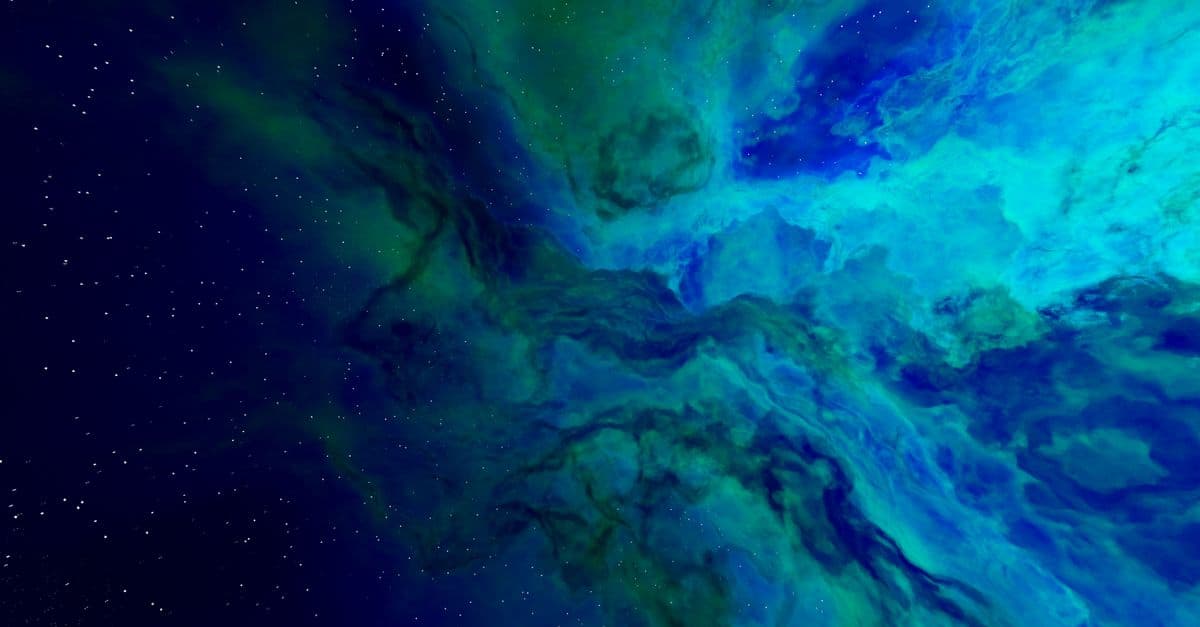
Vibrant blue and green nebula in space with shimmering stars and cosmic clouds.
Space

What Is the Interstellar Medium? The Space Between Stars

The interstellar medium (ISM), the gas and dust filling the space between stars, is not empty. It is a multiphase medium ranging from 10 K molecular clouds where stars form to million-kelvin plasma heated by supernovae. Dust hides the centre of our galaxy from visible light, and the ISM is both the raw material for new stars and the place where dying stars deposit their products.

Editorial Team·May 6, 2026·27 min
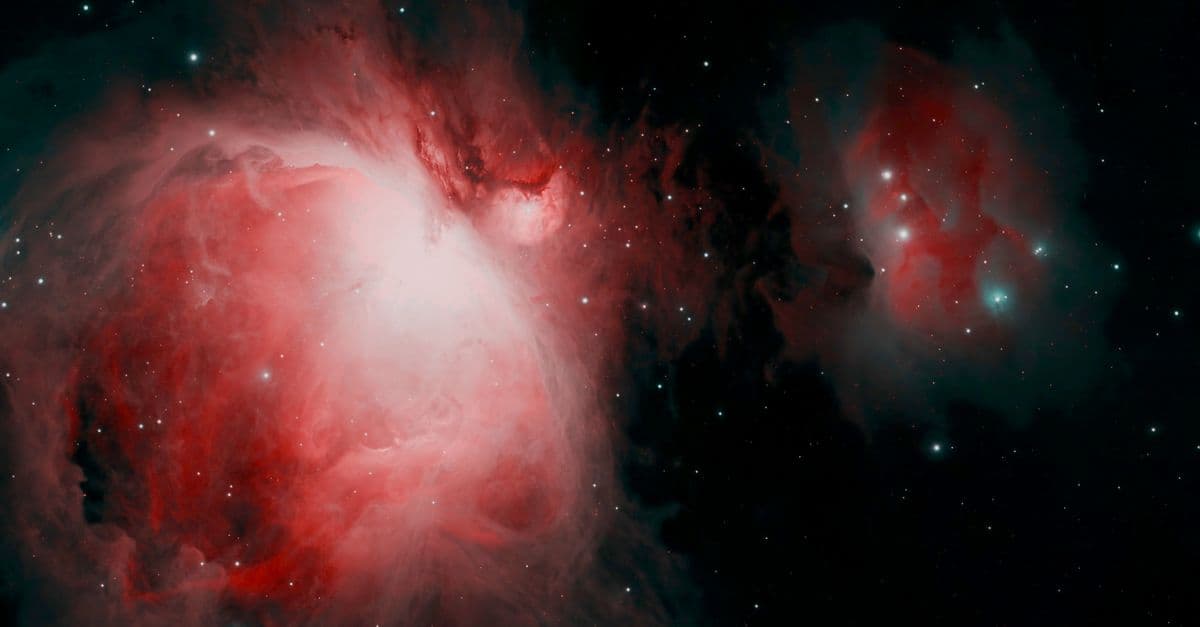
Dazzling image of the Orion Nebula, showcasing its vibrant red and white hues in the vast cosmos.
Space

What Is a Nebula? The Gas Clouds That Build and Destroy Stars

Nebulae are vast clouds of gas and dust between stars. Some are stellar nurseries where new stars form, some are shells shed by dying stars, and some are the debris of supernova explosions. The Orion Nebula is a nursery visible to the naked eye; the Crab Nebula is the expanding wreckage of a star that exploded in 1054.

Editorial Team·May 6, 2026·29 min