
Inventions
Airplane Invention: The Wright Brothers and Controlled Flight
The Wright brothers solved controlled powered flight, but gliders, engines, wind tunnels, and earlier aviation pioneers all mattered.
15 articles tagged with #inventions
The Wright brothers solved controlled powered flight, but gliders, engines, wind tunnels, and earlier aviation pioneers all mattered.

Antibiotics began with penicillin's discovery, but turning mold into medicine required chemistry, fermentation, wartime scale-up, and clinical testing.
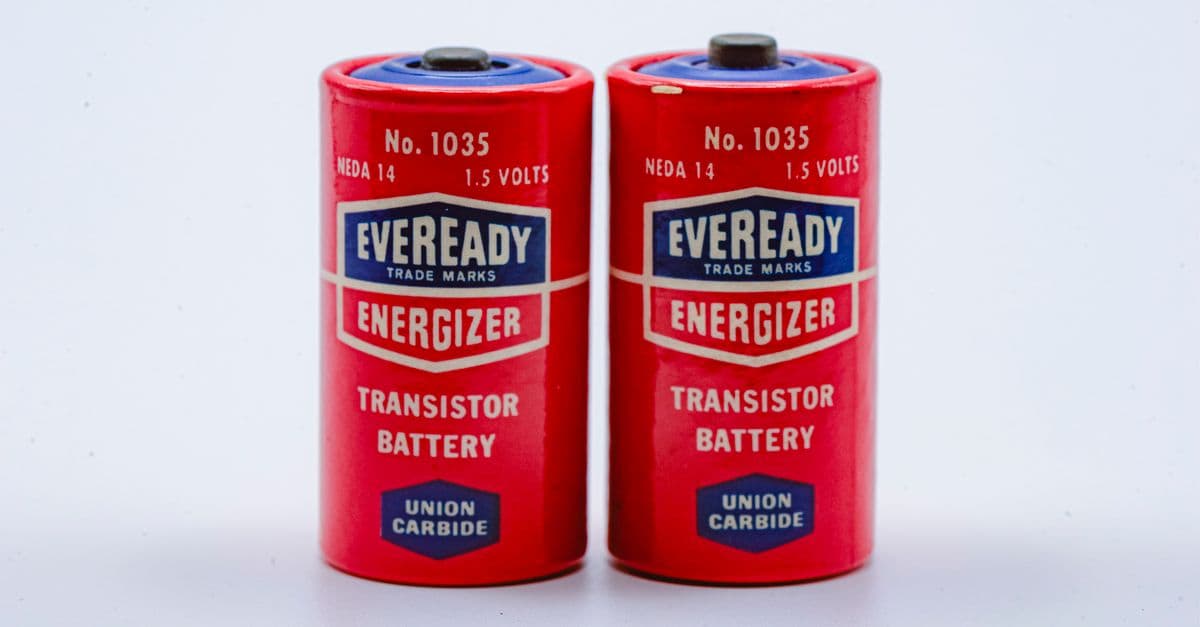
The battery begins with Volta's pile, but modern batteries evolved through chemistry, materials, portability, and rechargeable systems.
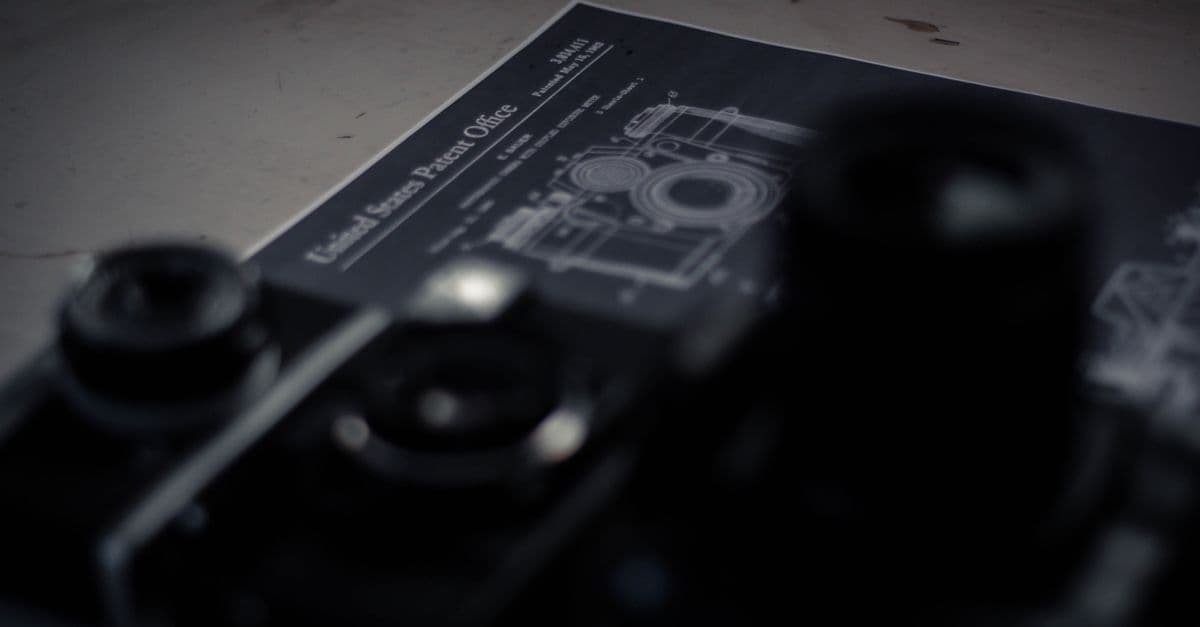
The camera evolved from the camera obscura to chemical photography and digital sensors. This guide explains the chain of inventions.

GPS was not one person's invention. It came from satellites, atomic clocks, relativity, military navigation, and decades of engineering.

The laser grew from quantum theory, masers, optical engineering, and patent battles. This article explains how coherent light became a world-changing tool.
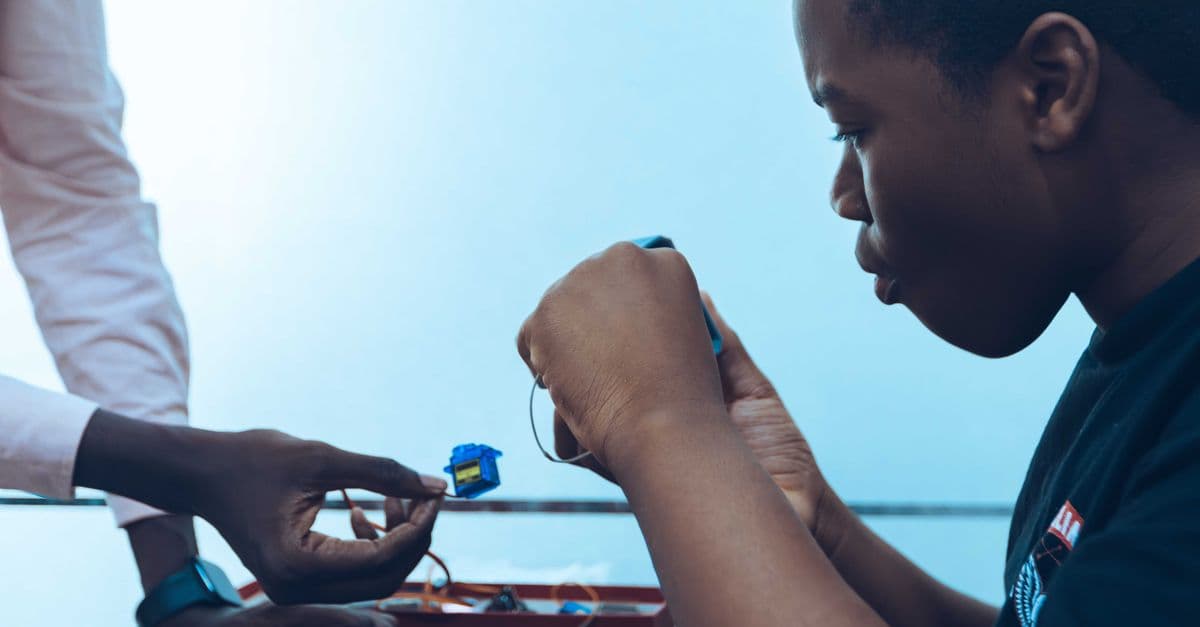
The microchip emerged from parallel breakthroughs by Jack Kilby and Robert Noyce. This guide explains the invention that made modern computing possible.
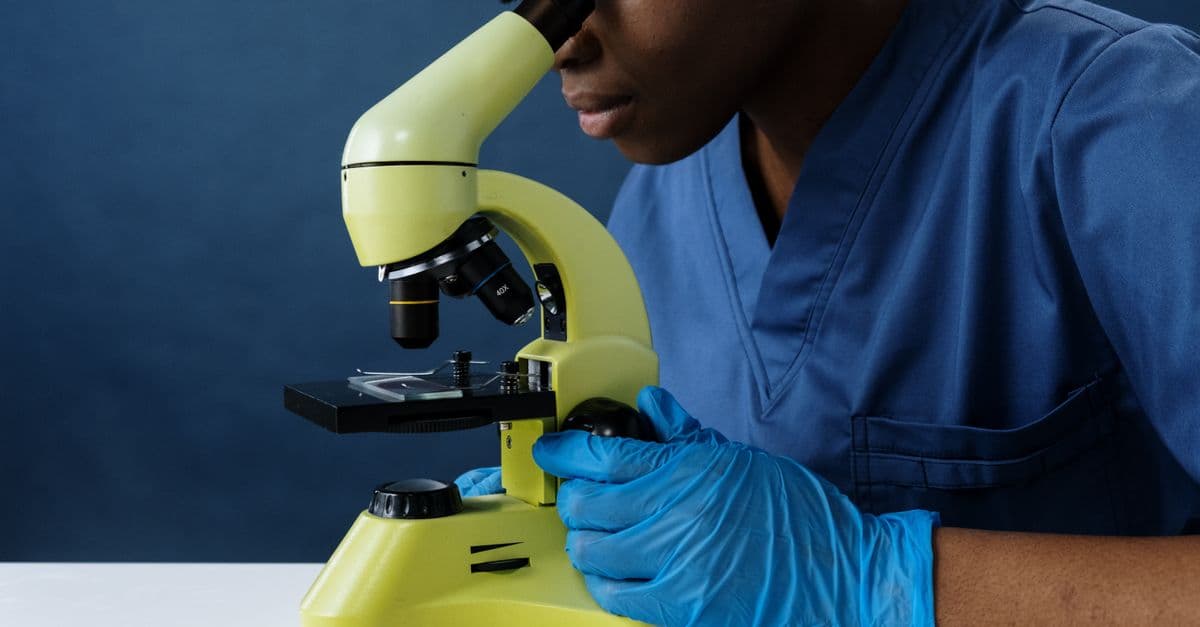
The microscope opened the hidden world of cells and microbes. This article explains lenses, early makers, Leeuwenhoek, Hooke, and modern microscopy.
The telephone's invention involved Alexander Graham Bell, Elisha Gray, Antonio Meucci, patents, and the race to transmit speech electrically.

Television emerged from mechanical scanning, cathode-ray tubes, electronic imaging, and broadcast infrastructure. This guide explains the real invention story.

No one invented the fork. Large forks cooked and carved food for thousands of years, the personal table fork emerged in the Byzantine world, and Western Europe took it up slowly, with a Byzantine bride's 1004 marriage into Venice's ruling family as the best-known early anecdote. Resistance was moral, social, and practical, and the fork only became everyday tableware across Britain and North America between the 17th and 19th centuries.

The paperclip's true origin is more complicated than Johan Vaaler. Here's the real history of the Gem design, the WWII resistance myth, and 11 billion units per year.