Science
Why Is Glass Transparent? The Physics of Light Passing Through
Glass is transparent because visible photons lack the energy to excite its electrons and its uniform, grain-free structure scatters almost nothing sideways.
10 articles tagged with #light
Glass is transparent because visible photons lack the energy to excite its electrons and its uniform, grain-free structure scatters almost nothing sideways.
Van Gogh's sunflowers are turning brown. The culprit is not age but a photochemical reaction where ultraviolet light breaks chemical bonds, converting bright chrome yellow to invisible green—a process happening to artworks worldwide.
Mirrors don't actually flip left and right — they flip front to back. The physics of reflection, from bronze polish to the 39-meter ELT telescope.
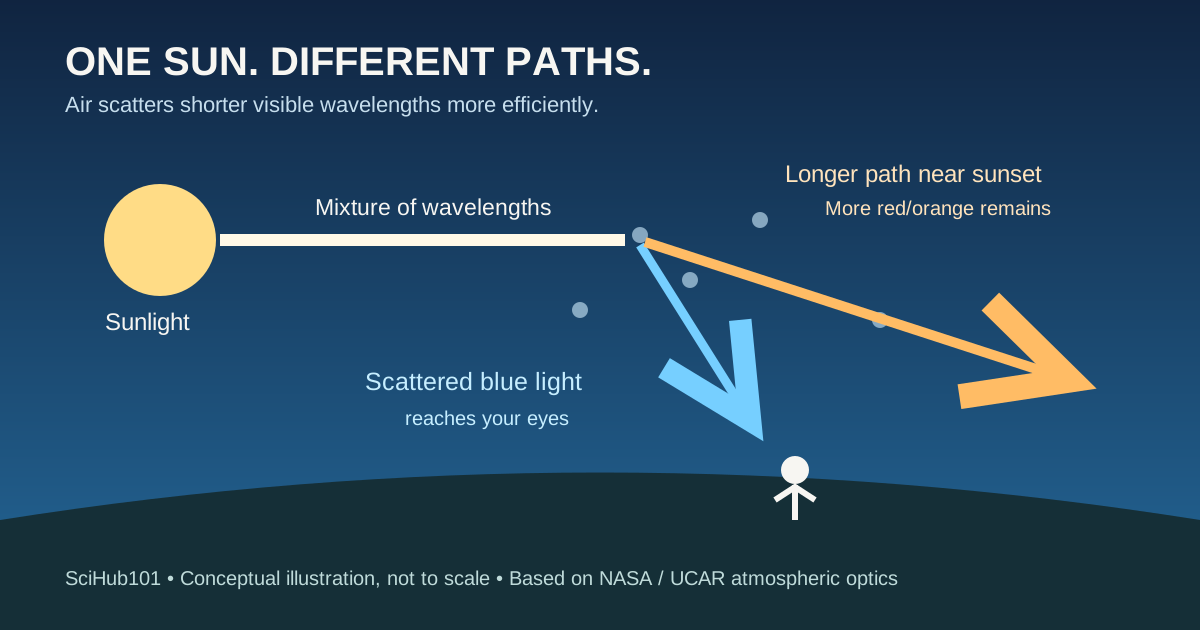
Why is the sky blue? Learn how air scatters sunlight, why sunsets turn red, and how dust and human color vision change the colors we see overhead.
Light is both wave and particle. Explore photons, the electromagnetic spectrum, polarization, lasers, and quantum entanglement explained simply.
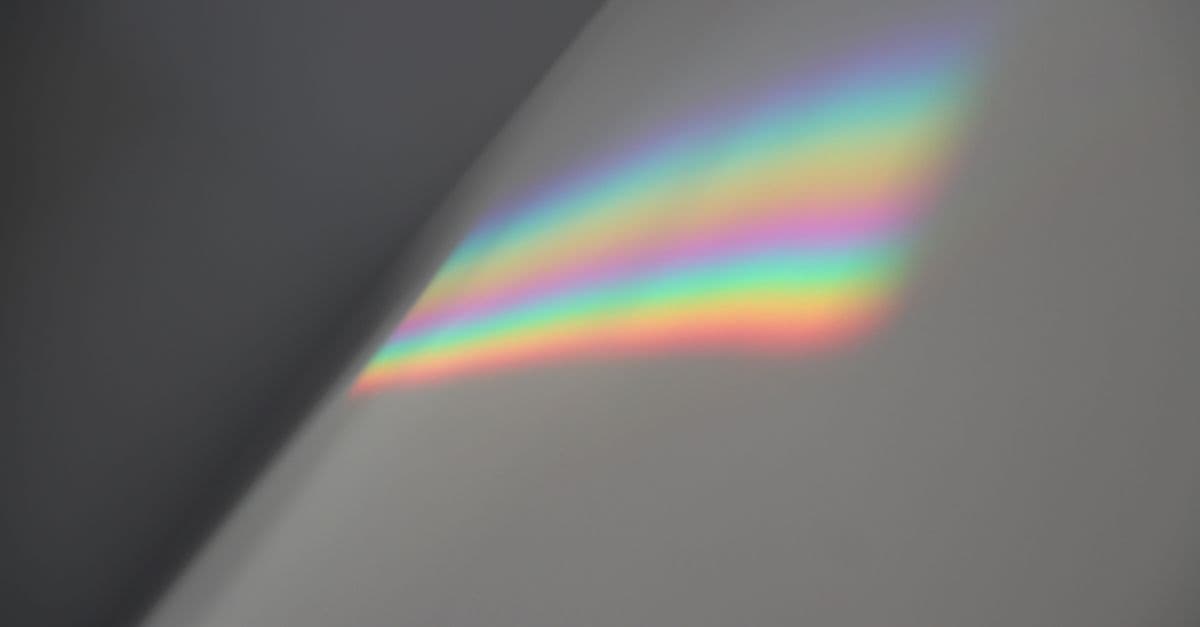
Rainbows explained: refraction, dispersion, the 42° angle, secondary bows, Alexander's dark band, and supernumeraries. Discover how it works, why it...
Discover how light acts as both particle and wave, fundamentally challenging our understanding of reality
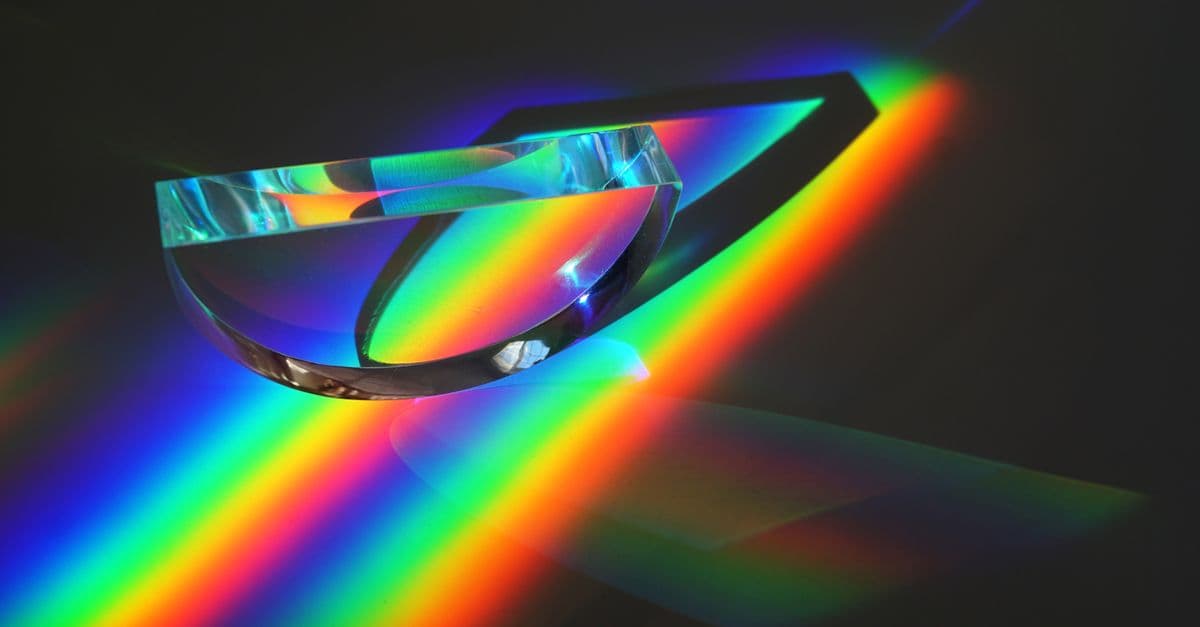
In 1666, Isaac Newton used prisms to split white sunlight into its component colors and recombined them into white again. The experiments changed how we think about light and color.
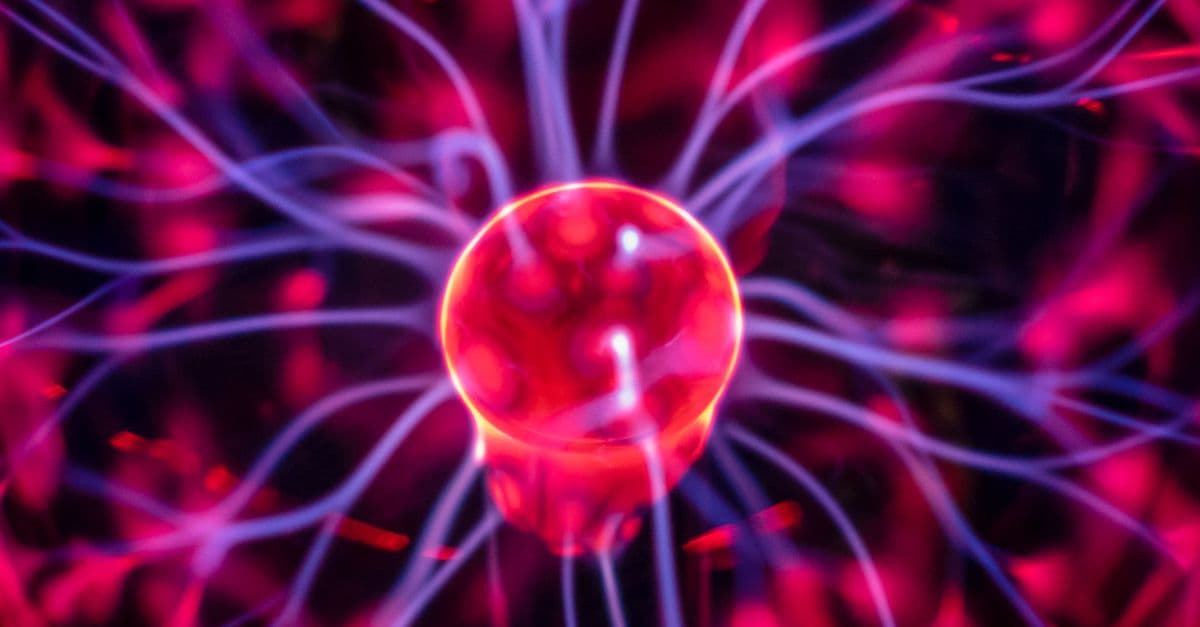
In 1800, William Herschel used prisms and thermometers to discover infrared radiation, proving that visible light is just a tiny fraction of the spectrum. A revelatory experiment on the nature of light.
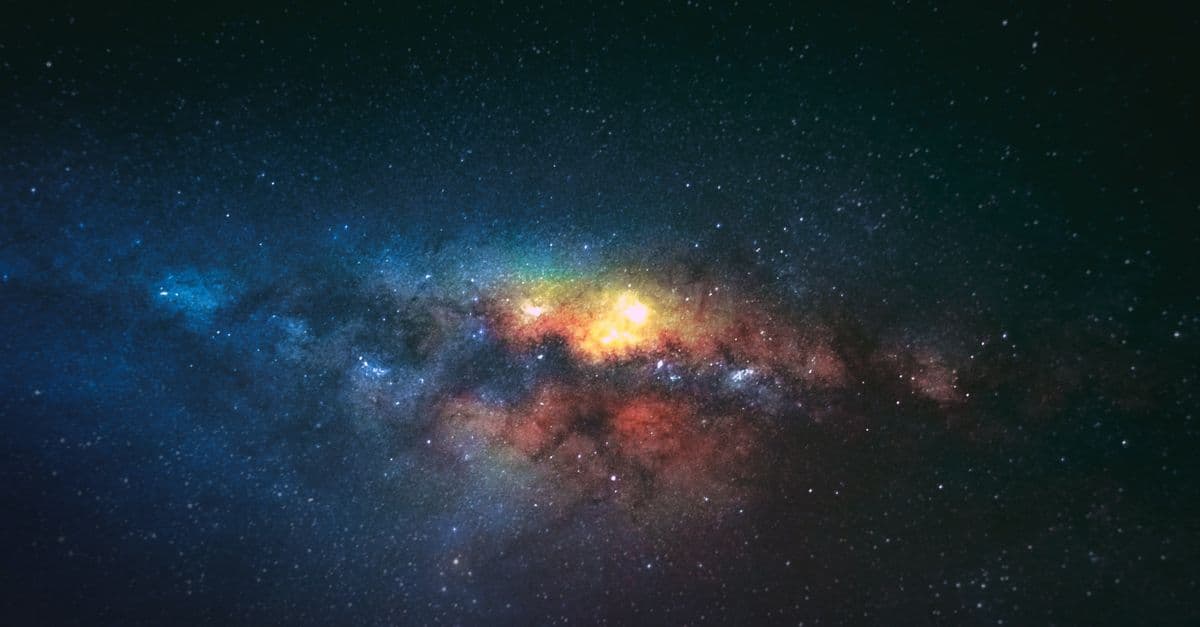
Human eyes detect a tiny slice of the electromagnetic spectrum — visible light. If we could see ultraviolet, infrared, microwaves, X-rays, and radio waves simultaneously, the world would become a chaotic visual feast revealing hidden information at every wavelength.