Space
What Are the Van Allen Belts? Earth's Trapped Radiation
The Van Allen belts are zones where Earth's magnetic field traps radiation. How Explorer 1 found them, how they work, and how Apollo and Artemis crossed them.
6 articles tagged with #magnetosphere
The Van Allen belts are zones where Earth's magnetic field traps radiation. How Explorer 1 found them, how they work, and how Apollo and Artemis crossed them.
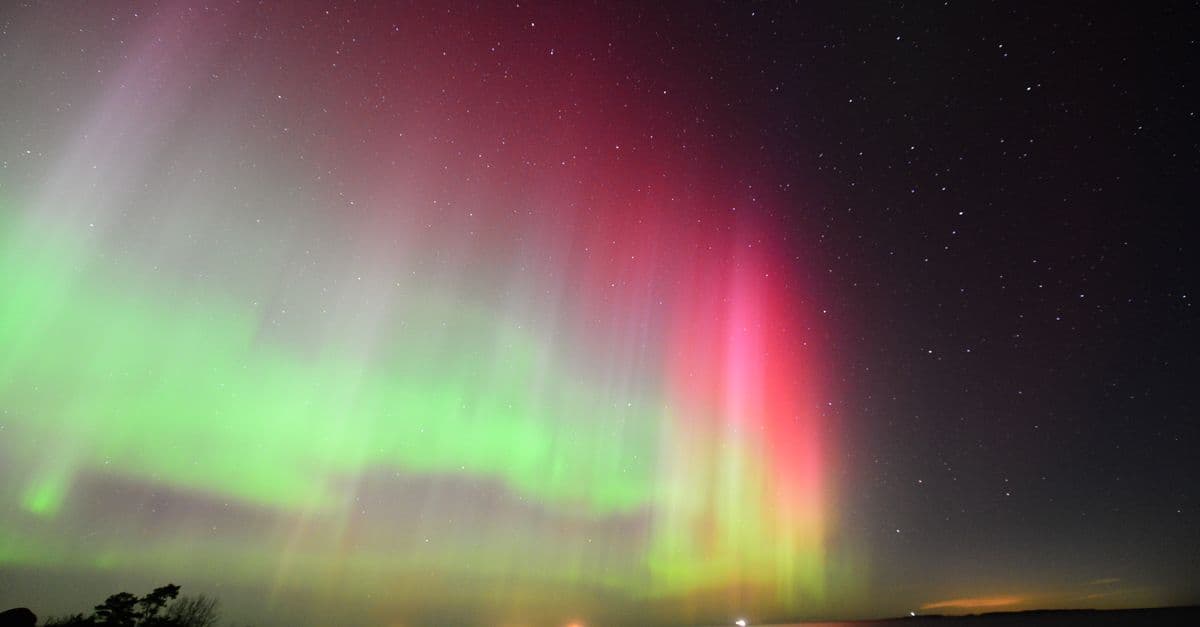
Earth's magnetic field has weakened by about 15 percent in 150 years, according to ESA. What would actually happen if it failed outright, and what is exaggerated?
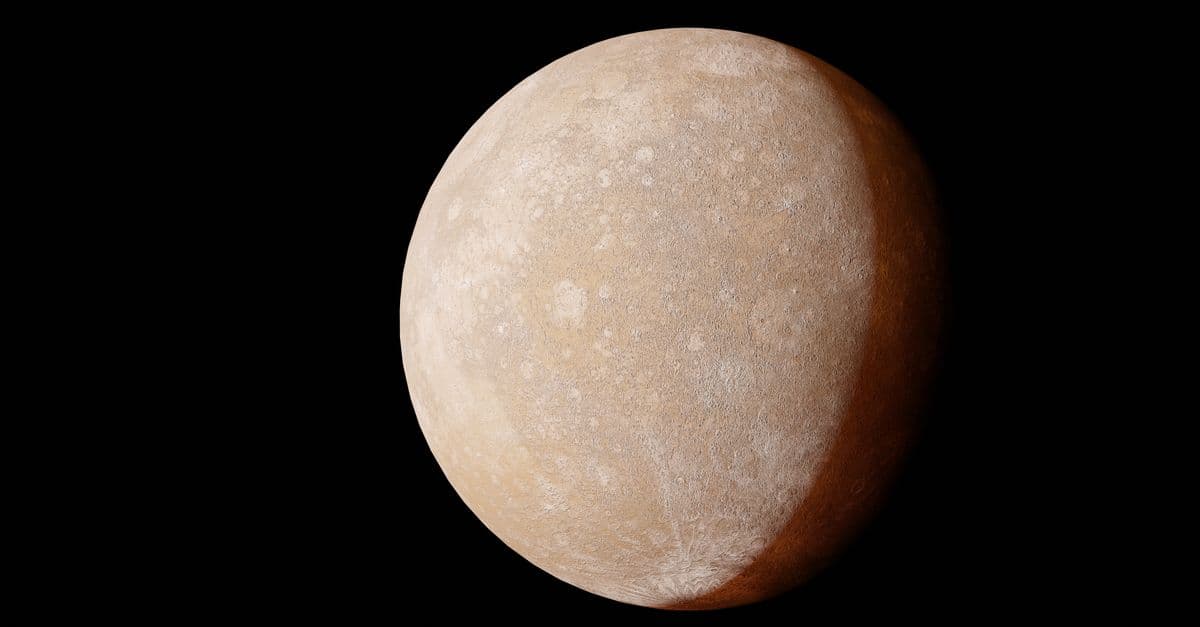
Ganymede is bigger than Mercury, has its own magnetic field, and hides a saltwater ocean containing more water than all of Earth's surface oceans combined. It took a Hubble telescope observation of auroral lights rocking back and forth to prove it.
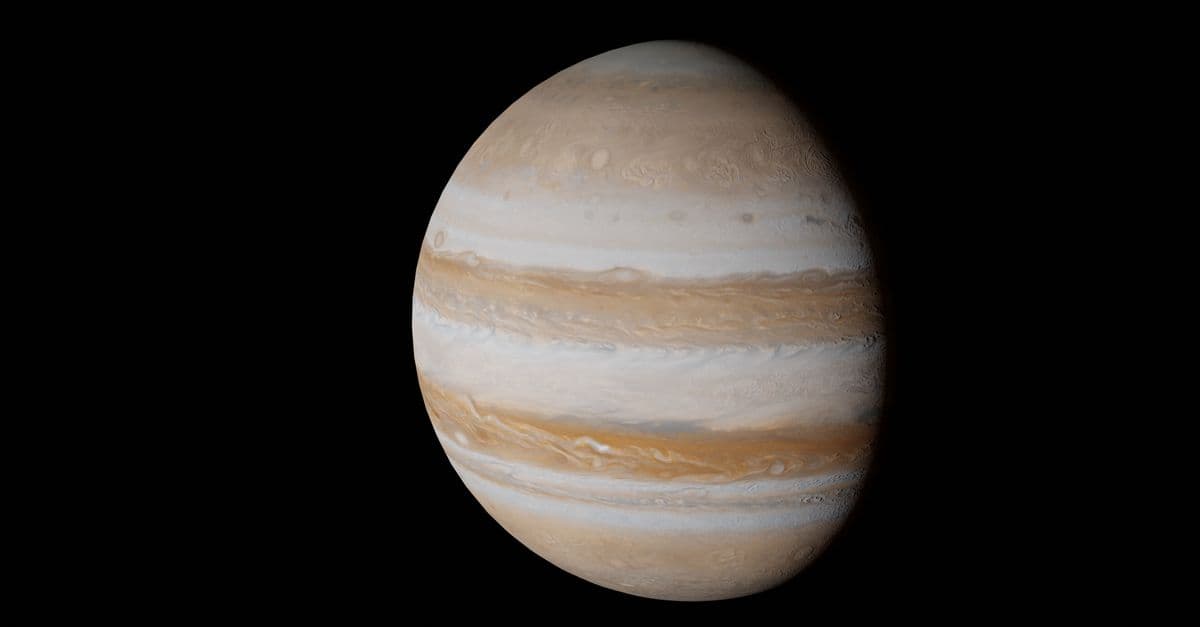
Jupiter's auroras are not scaled-up versions of Earth's. They run mostly on plasma from the volcanic moon Io and on the planet's own rapid spin, and they glow in ultraviolet, infrared, and X-rays whether or not the Sun is active.
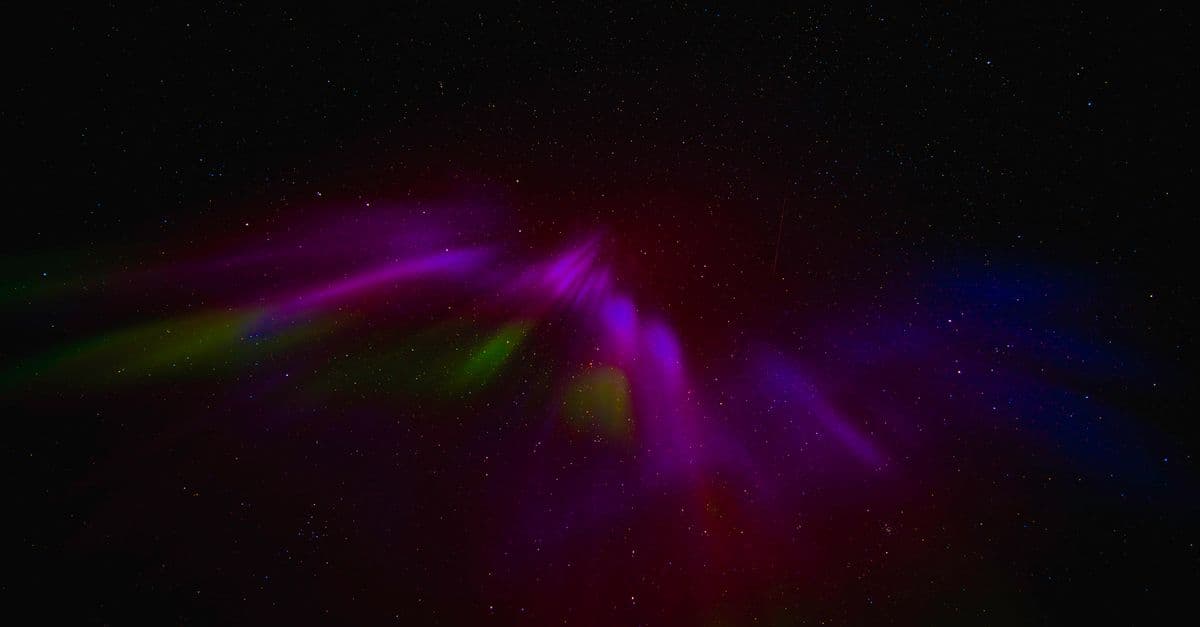
How auroras form: solar wind, Earth's magnetic field, atmospheric collisions, why they're green or red, and where and when to see them.
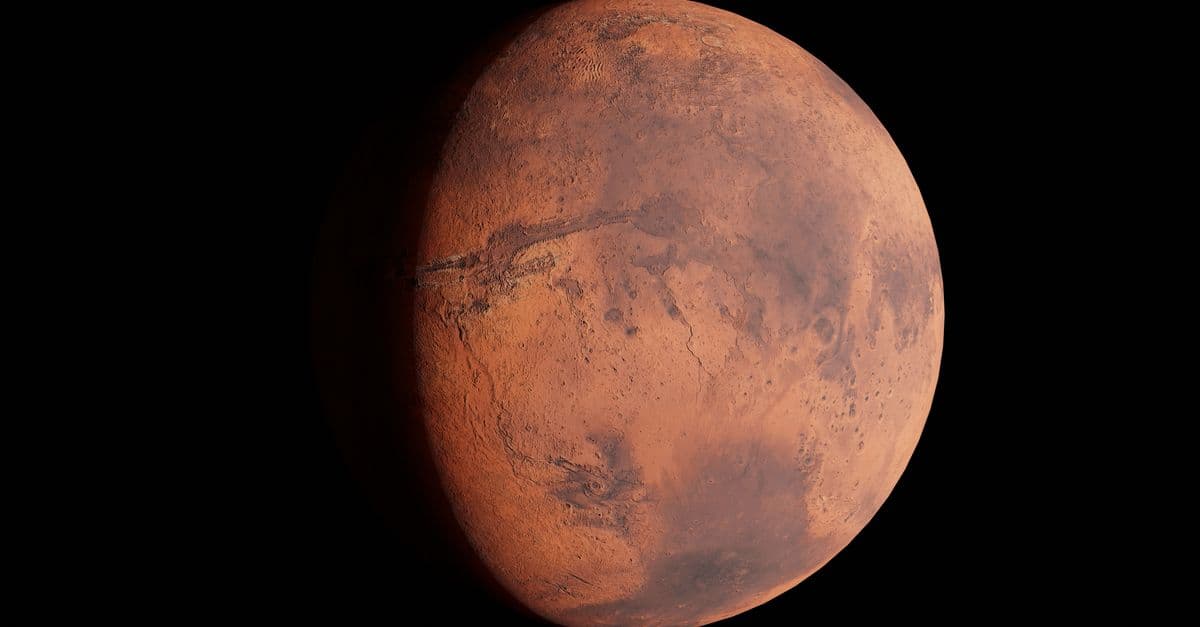
Planetary magnetic fields are made by dynamos: electrically conducting fluid, stirred by heat and rotation, that regenerates its own field. Earth's runs in liquid iron, Jupiter's in metallic hydrogen, and Uranus and Neptune's in shallower layers that give them tilted, off-center fields. Mars lost its global field billions of years ago.