Technology
Digital Twins Explained: How Virtual Models Connect to Real-World Systems
A digital twin is a model kept in sync with a real asset through data. See how sensors, calibration and feedback work, and why a 3D model is not a twin.
7 articles tagged with #manufacturing
A digital twin is a model kept in sync with a real asset through data. See how sensors, calibration and feedback work, and why a 3D model is not a twin.
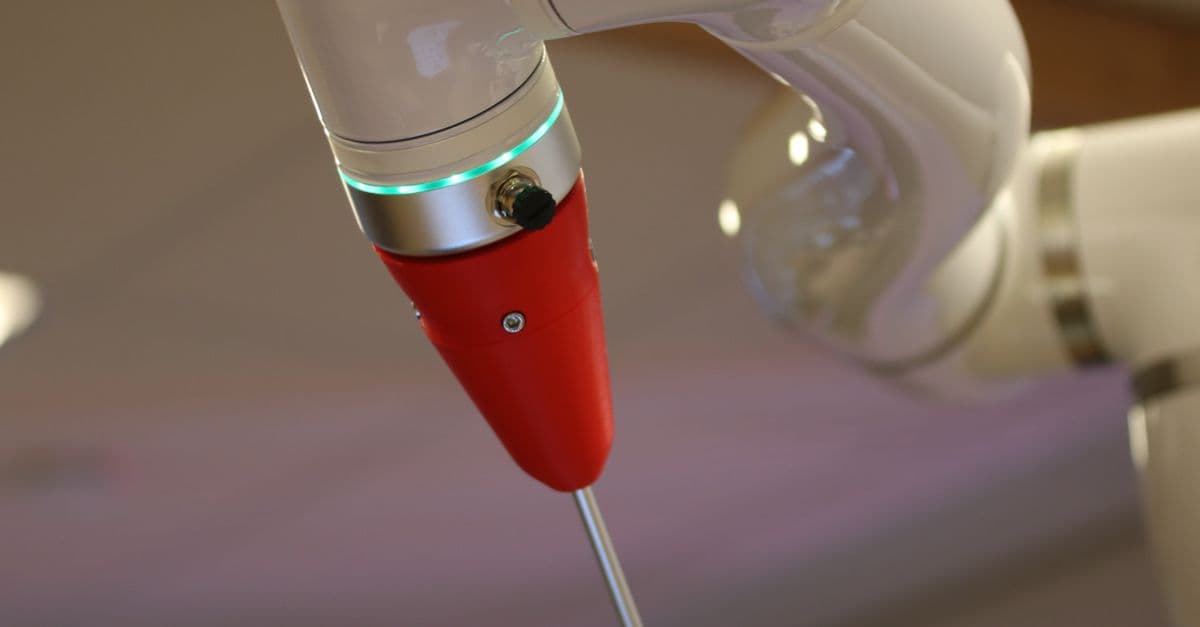
South Korea has 1,012 industrial robots per 10,000 manufacturing workers — the highest robot density ever recorded for a major economy. That is more than six times the global average of 162, and more than double Germany's figure. The IFR World Robotics 2024 report shows a world where automation in factories is accelerating faster than at any point in industrial history.
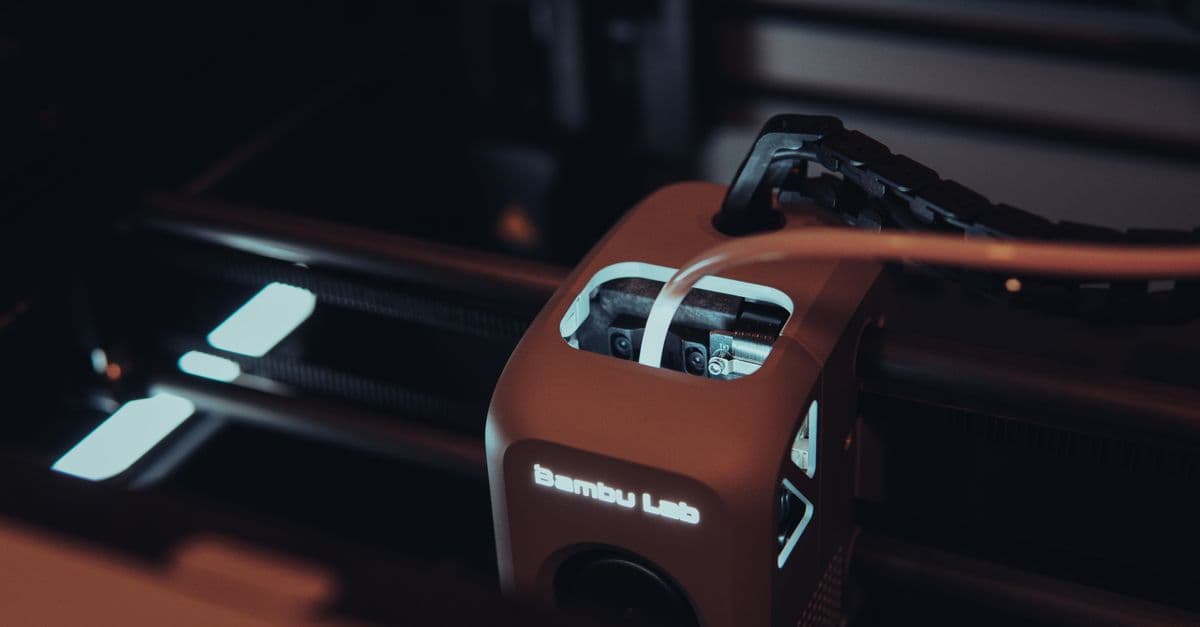
How Chuck Hull's 1984 stereolithography patent grew into a technology that builds jet engine parts, human tissue, and entire houses layer by layer.
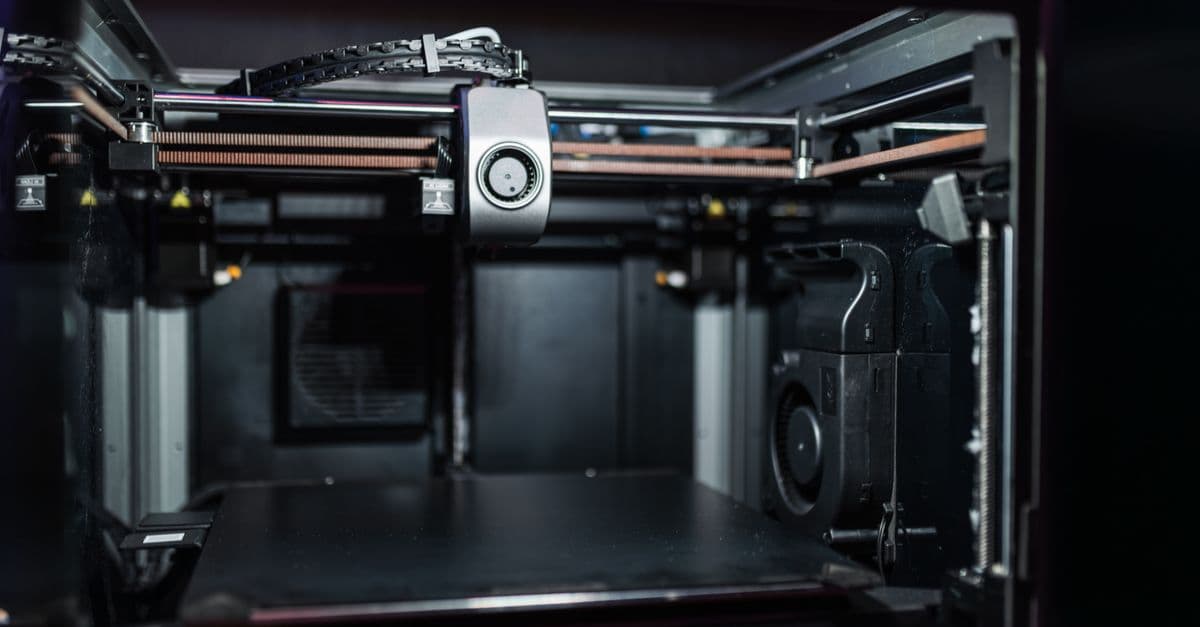
How 3D printing works explained: FDM, SLA, SLS, metal printing, materials, software workflow, real applications, and what additive manufacturing is good for.

South Korea runs 1,220 industrial robots per 10,000 manufacturing employees — the highest robot density on earth. See the IFR ranking, how the metric works, and why China's figure fell from 470 to 166.
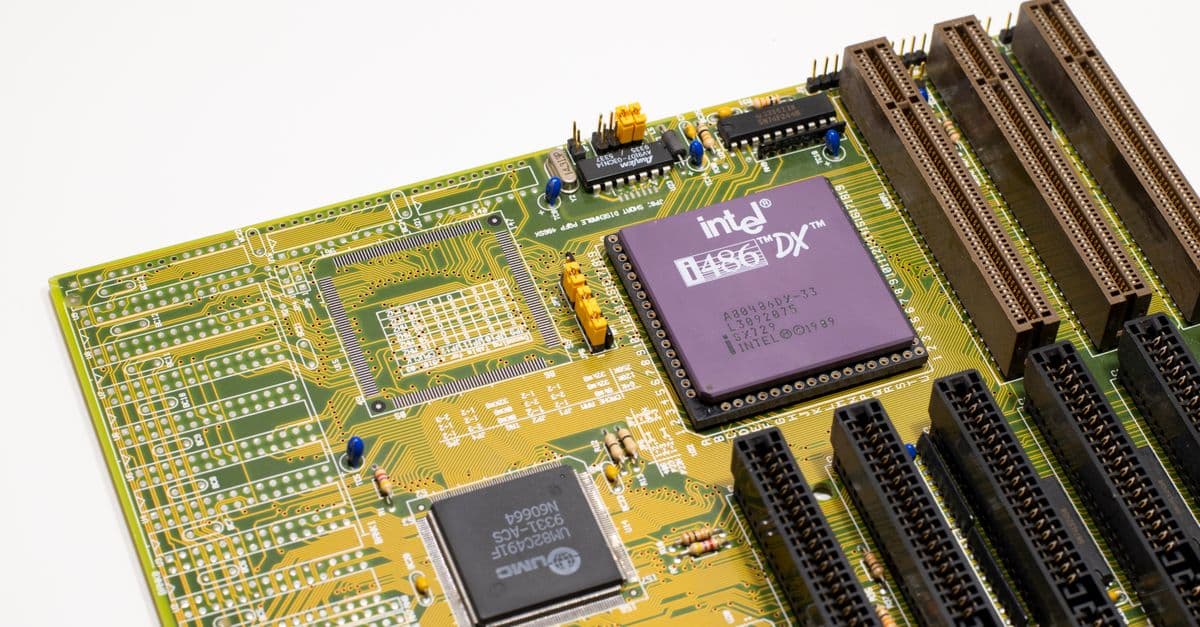
Taiwan held 92% of the world's most advanced chip capacity in a 2021 study, South Korea dominates memory, and one Dutch company makes the only EUV lithography machines. Who controls which layer of the chip supply chain, with sourced figures.

A modern chip is built from up to 100 patterned layers aligned at nanometer precision, inside cleanrooms and with machines that few companies can build. Here is why that is so hard, and why it costs so much.