What If
What-If Science Guide: How Hypotheticals Work
How scientists reason about hypothetical scenarios — Fermi estimates, models, analogues — with worked examples and the best deep dive for each scenario family.
94 articles tagged with #what-if
How scientists reason about hypothetical scenarios — Fermi estimates, models, analogues — with worked examples and the best deep dive for each scenario family.
Eight minutes after the Sun vanishes, Earth goes dark. What happens to life, physics, and civilization in the days that follow?

A doctor who knows your complete medical history, never forgets, is available at 3 AM, and has read every study ever published. What's not to like?
War is driven by miscalculation, misperception, and the fog of conflict. What if AI removed all three — would peace be the result, or just a different kind of violence?

Algorithms already execute most market trades. What happens when AI moves from executing human decisions to making all of them — and nobody is sure who's actually in charge?
Mind uploading promises digital immortality. But if a perfect copy of you is running in a computer, is it actually you — or just something that thinks it is?
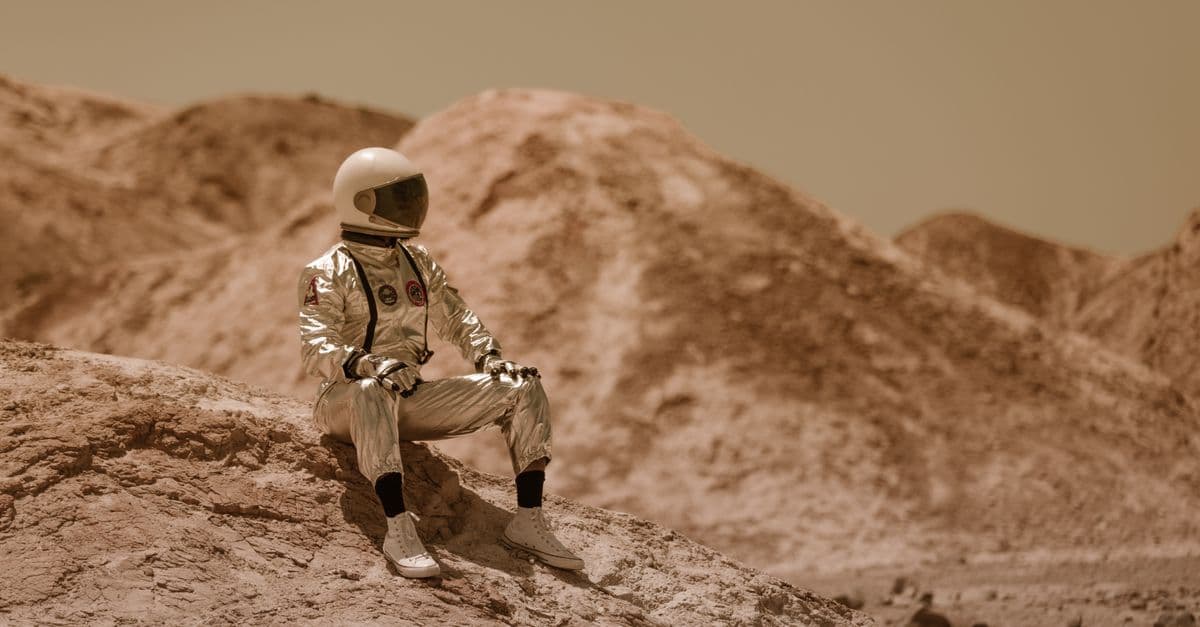
AI is already scanning billions of radio signals, analyzing atmospheric data, and searching exoplanet spectra. What happens the day it finds something that shouldn't be there?
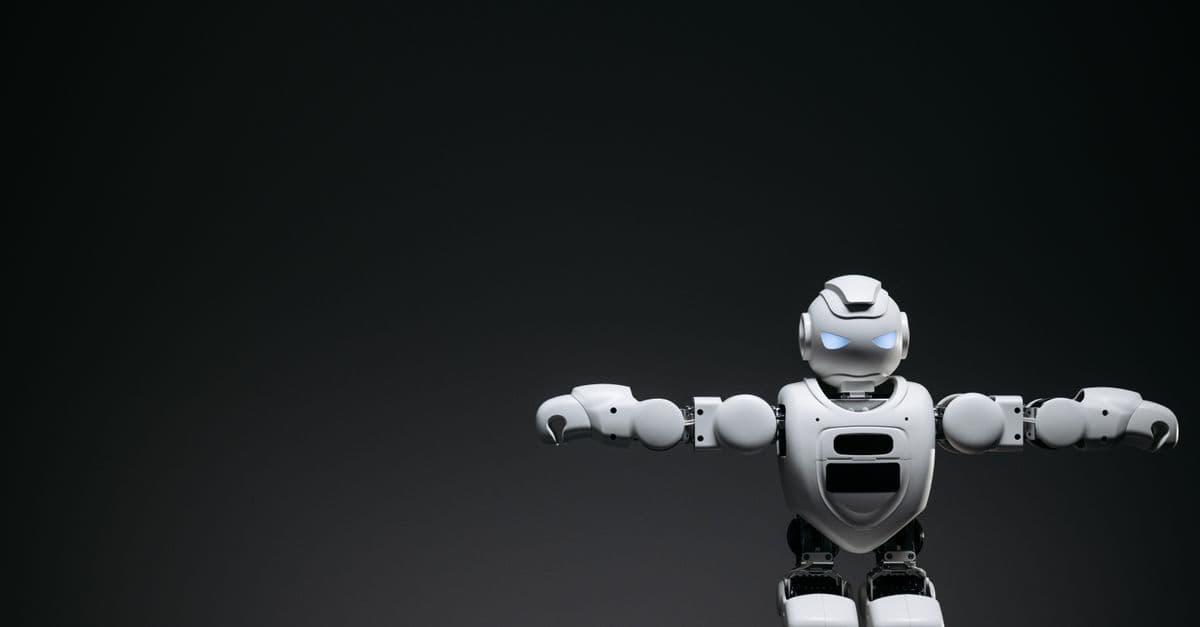
Every delivery, every surgery, every harvest, every line of code — done by machines. What do 8 billion humans do on a Tuesday morning?
Brain-computer interfaces are already decoding thoughts into words. What happens when the technology scales — and who gets to see what you're thinking?

Governments are slow, corrupt, and self-interested. An AI with perfect information and no incentive to lie sounds tempting. But who programs the AI — and what do they tell it to want?
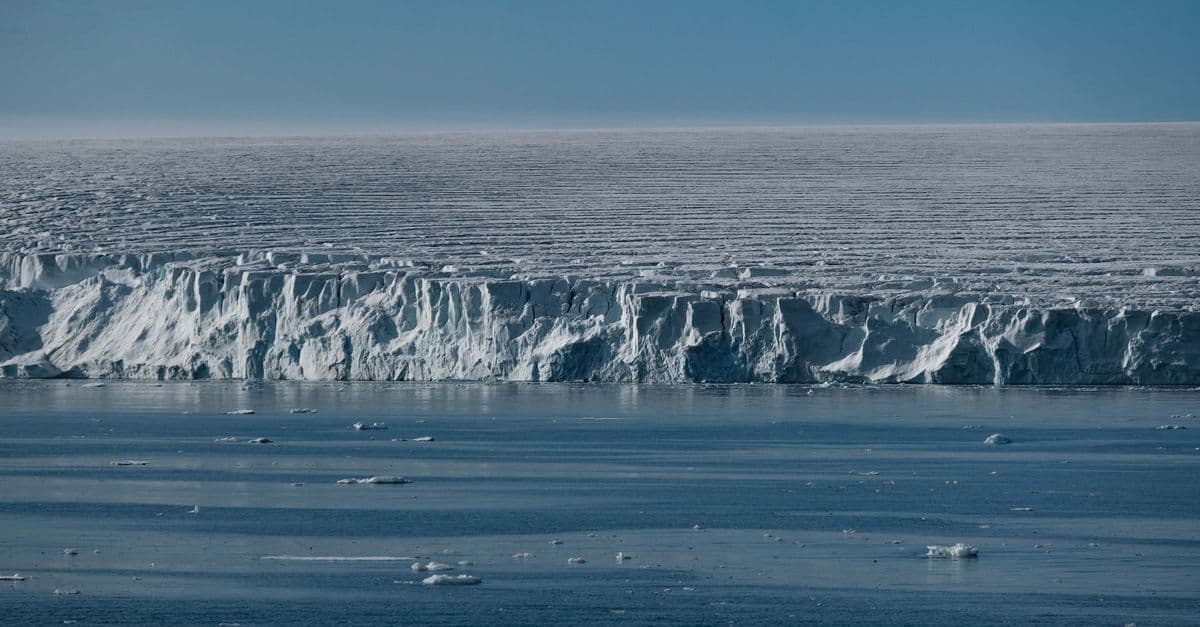
AI is already modeling the climate with unprecedented precision. But could it actually run a planetary-scale effort to pull carbon out of the atmosphere and cool the Earth?
AI is already co-authoring research papers and designing experiments. What happens when it no longer needs the humans?