Biology & Health
Polio Vaccine: Salk & Sabin's Mass Immunization Explained
How the polio vaccines developed by Salk and Sabin eradicated polio from most of the world, and why two countries still report wild cases.
Biology and health news: genetics, cancer research, brain science, new treatments, and medical breakthroughs explained clearly.
How the polio vaccines developed by Salk and Sabin eradicated polio from most of the world, and why two countries still report wild cases.
How RNA went from a presumed middleman between DNA and protein to a molecule that carries messages, builds proteins, catalyzes reactions, and tunes genes.
How Frederick Sanger's chain-termination method turned the order of DNA bases into something a laboratory could read, and why it still matters.
How Ramón y Cajal's microscopy revealed neurons as individual cells composing the nervous system
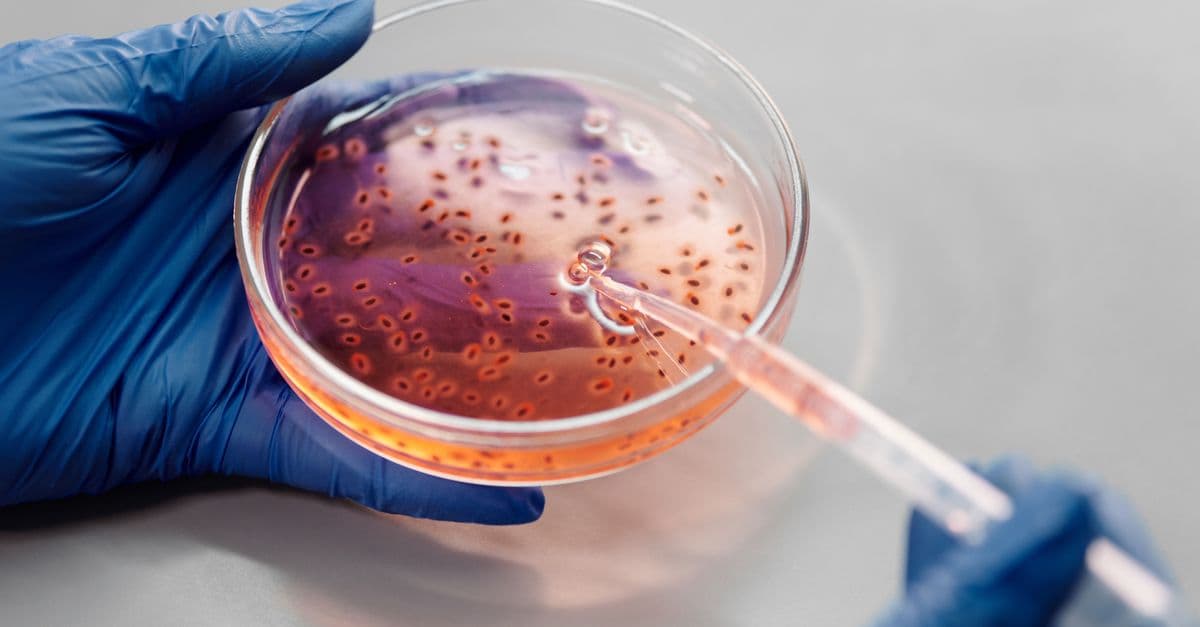
How scientists engineer entire organisms with synthetic genomes creating biological machines for medicine and industry
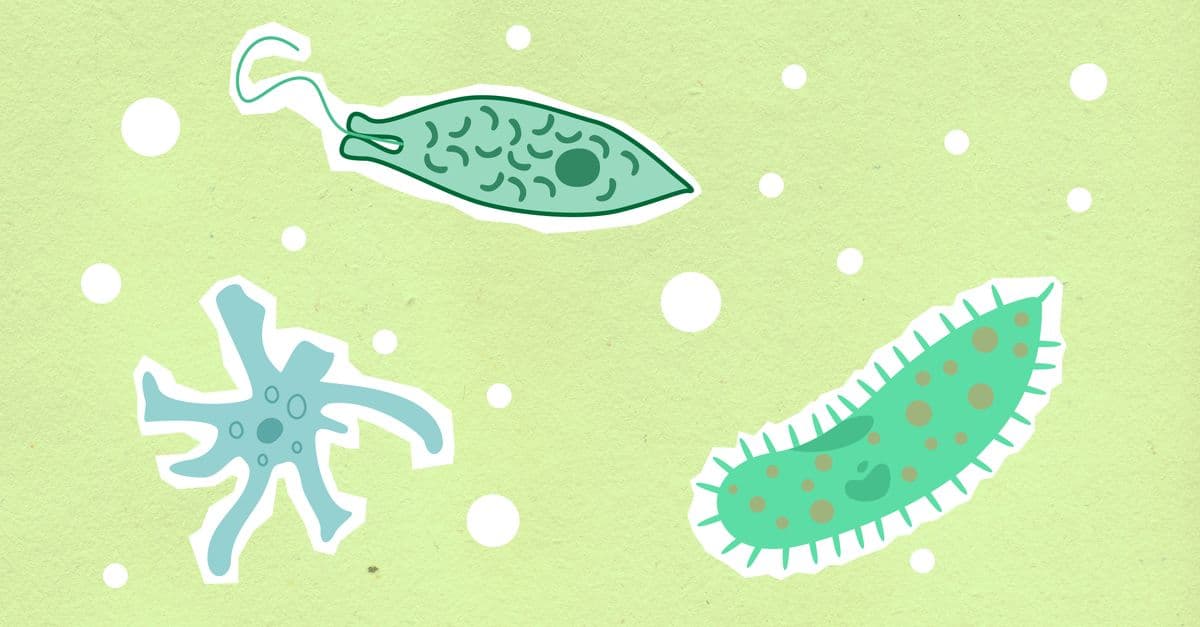
Inside the T-cell receptor: the alpha/beta protein pincer that scans MHC-bound peptides, the thymic gauntlet that filters out self-reactive clones, and why this molecular handshake underlies CAR-T therapy.
How Wilhelm Röntgen's accidental discovery of X-rays revolutionized medical imaging and diagnosis
A flower that stays open for about a day, a pollination step no machine has replaced, months of curing, and a supply base that cyclones can cut by a third: the biology and economics behind vanilla's price.
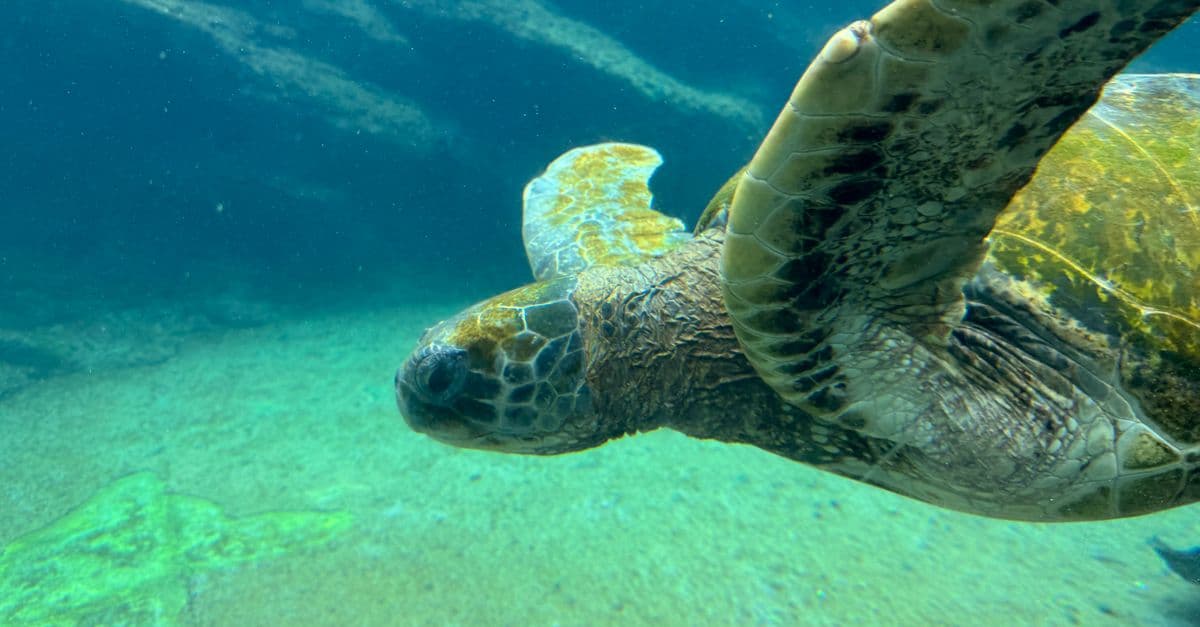
Madagascar now tops recent IUCN-based tallies, with Ecuador, Indonesia, Mexico, and Brazil close behind. This article shows which counts can be trusted, why rankings keep changing, and what the numbers hide.

A 29-month feeding program, thousands of kilograms of mostly imported feed, a strict marbling scale, and a Kobe certification covering about 5,500 animals a year: the biology and economics behind Wagyu's price.
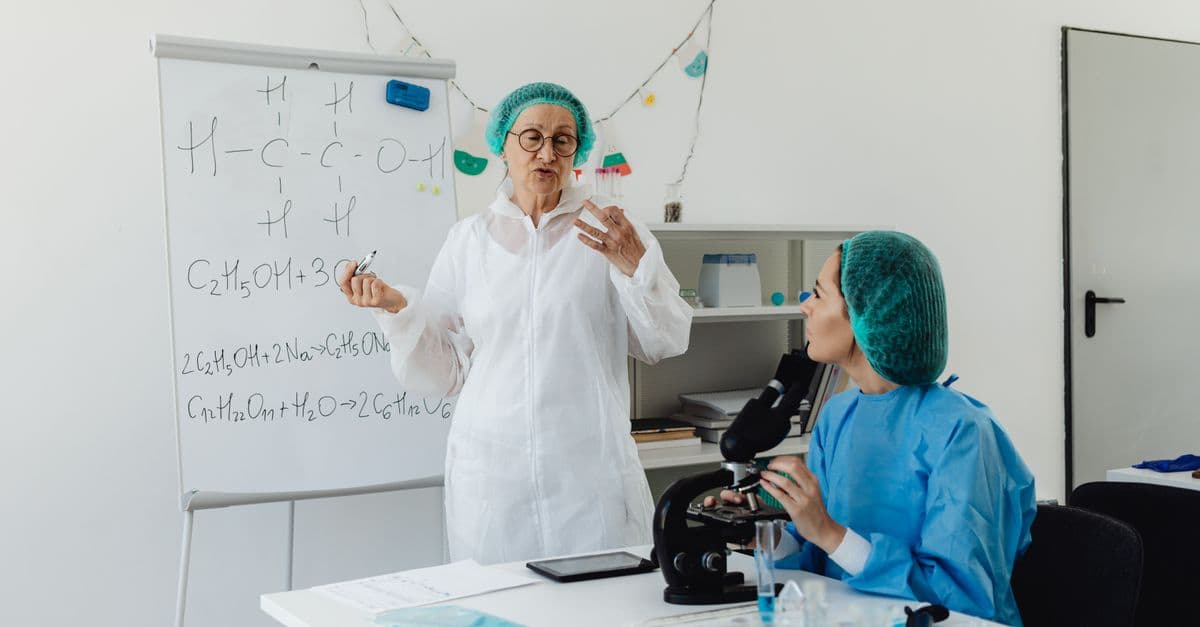
Elite selection courses push stress hormones, sleep, energy balance, and the gut to their limits. Here is what measured studies show about the costs, the adaptations, and the injuries.

Bacteria are evolving faster than we can fight them. No major new antibiotic class has been discovered since 1987, 700,000 people die from drug-resistant infections every year, and the clock is ticking. Here is the science behind antimicrobial resistance — and what might save us.