RNA Discovery: The Forgotten Genetic Molecule Explained
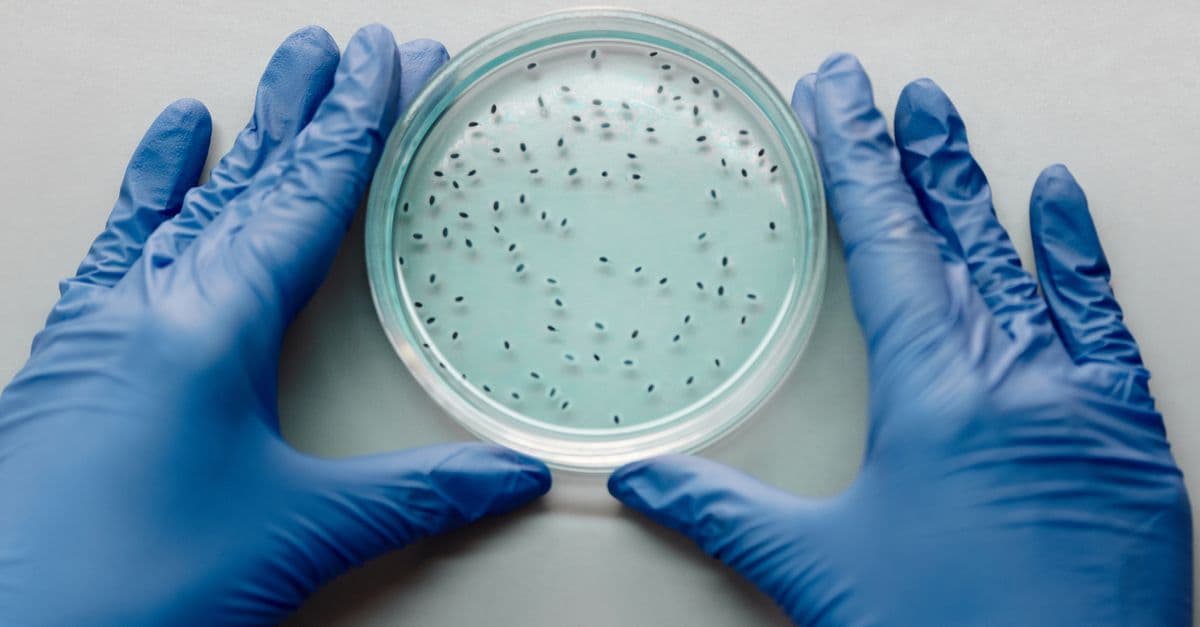
Photo: Edward Jenner / Pexels
For roughly two decades after the structure of DNA was solved, ribonucleic acid (RNA) was treated as a disposable middleman: a working copy of a gene, made on demand and thrown away. The evidence since then says otherwise. RNA carries the message that builds proteins, forms the adapters and the machinery that read it, can speed up chemical reactions the way an enzyme does, and switches genes down. This article follows those discoveries in order, explains what each one showed, and ends with how they made mRNA vaccines and RNA drugs possible.
Key Takeaways
- RNA differs from DNA in its sugar (ribose), one base (uracil instead of thymine), and its usual single-stranded form, which makes it flexible and short-lived
- Messenger RNA was demonstrated in 1961, and the genetic code was cracked starting the same year with a cell-free experiment using synthetic RNA
- Transfer RNA and ribosomal RNA do the translating; the ribosome's core is itself an RNA catalyst
- Cech and Altman showed in the early 1980s that RNA can act like an enzyme, which supports the "RNA world" idea about early life
- RNA interference and microRNAs showed that small RNAs regulate genes, and chemical modification of mRNA made today's mRNA vaccines workable
How RNA differs from DNA
DNA and RNA are close chemical relatives, but three small differences change what each can do. DNA is the long-term archive: stable, double-stranded, and copied with high fidelity. RNA is the working document: usually single-stranded, easier to make, and easier to degrade.
| Feature | DNA | RNA |
|---|---|---|
| Sugar | Deoxyribose (no hydroxyl at the 2' carbon) | Ribose (has a 2' hydroxyl) |
| Bases | A, C, G, thymine (T) | A, C, G, uracil (U) |
| Typical form | Double helix | Single strand that folds on itself |
| Stability | Very stable | Less stable; designed to be temporary |
| Main roles | Stores heredity | Carries messages, builds proteins, regulates genes, catalyzes |
The extra hydroxyl on ribose is the reason RNA is more fragile, and it also helps RNA fold into three-dimensional shapes. A single strand can pair with itself in places, forming hairpins and loops. That folding is what lets RNA behave a little like a protein, with a shape that determines its function.
Think of the cell as a library. DNA is the master copy of every book, kept in a locked reading room and handled as little as possible. RNA is the photocopy you carry to the workbench, scribble on, and shred when you are done. The photocopier analogy is useful, but it undersells RNA, because some of those photocopies turn out to be tools.
Why RNA was overlooked
The story starts with nucleic acids as a class. The Swiss physician Friedrich Miescher isolated a phosphorus-rich substance he called nuclein from cell nuclei in 1869, and later chemists sorted out the components. Phoebus Levene identified the two kinds of sugar that distinguish the two nucleic acids, ribose in RNA and deoxyribose in DNA. By the 1930s, chemists understood that RNA has ribose and uracil while DNA has a different sugar and thymine, and Jean Brachet's 1933 work tied DNA to the nucleus and RNA to the cytoplasm, according to the timeline in Wikipedia's history of RNA biology. That cytoplasmic location was an early hint that RNA was involved in making proteins.
The structure of DNA in 1953 pulled attention toward DNA, and for good reason. The double helix explained how heredity could be copied, a question that had stood open for decades. The history of that discovery is in The History of DNA: From Miescher to the Double Helix. Next to it, RNA looked like a supporting actor.
What the central dogma actually says
Francis Crick framed the intellectual map. He first stated his idea in 1957 and published it in 1958, and he said that once information has passed into protein it cannot get out again. In a 1970 paper in Nature he restated it more carefully as a claim about the transfer of sequence information. It concerns what information can flow from what to what, not a single fixed route.
The popular summary, "DNA makes RNA makes protein," is a simplification, and the Wikipedia article on the central dogma attributes that wording to James Watson's 1965 textbook rather than to Crick. Crick's version permits information to move from nucleic acid to nucleic acid and from nucleic acid to protein. It forbids transfer from protein to protein or protein to nucleic acid. Reverse transcription, in which an enzyme copies RNA into DNA, fits within it. So does RNA copying RNA, as in many viruses. Reverse transcription occurs in retroviruses such as HIV, in mobile genetic elements called retrotransposons, and in the synthesis of telomeres, the protective caps on chromosomes.
1961: the year RNA became a messenger
Before 1961, biologists had a puzzle. Proteins are assembled at ribosomes in the cytoplasm, while the genes stay in the nucleus (in cells that have one). Something had to carry information between them. François Jacob and Jacques Monod proposed an RNA intermediary they called messenger RNA, and François Gros's work at the Pasteur Institute gave a clue: when an inhibitor of RNA synthesis was added to bacteria, protein synthesis stopped almost immediately. That suggested the messenger was short-lived, according to the Institut Pasteur's account.
Two papers in Nature in May 1961 supplied the proof, one led by Gros and one by Sydney Brenner, Jacob, and Matthew Meselson. The Brenner team pulse-labeled bacteria with radioactive phosphorus (32P), then used ultracentrifugation to show that newly made labeled RNA attached to ribosomes that had been made before infection, carrying the new phage-derived message. In plain terms, they showed that ribosomes are not tied to particular genes. They are general-purpose machines that read whatever message is delivered.
That finding explained a basic fact about gene expression. A cell can make many copies of a message from one gene, so one gene can yield many protein molecules. It can also stop making the message and let the existing copies fade, which makes the system responsive.
Cracking the code with synthetic RNA
The second 1961 breakthrough came from the National Institutes of Health. Marshall Nirenberg and Heinrich Matthaei set up a cell-free system, a bacterial extract that could still make protein, and fed it a synthetic RNA consisting only of uracil, called poly-U. According to the National Library of Medicine's account of the poly-U experiments, the extract made a protein chain consisting entirely of phenylalanine, showing that a run of uracils encodes that amino acid. Matthaei ran the decisive test on May 27, 1961. The full story of the follow-up is in The Nirenberg Experiment: Cracking the Genetic Code.
The rest of the code was assembled over the next several years. It uses three-letter words, called codons. Of the 64 possible combinations, 61 specify an amino acid and three signal "stop." Nirenberg shared the 1968 Nobel Prize in Physiology or Medicine with Robert Holley and Har Gobind Khorana for this work.
A single experiment assigns a single codon. UUU codes for phenylalanine, while a codon such as GAA codes for glutamic acid. Filling in all 61 meaningful entries took researchers several more years of work with other synthetic RNAs.
The adapter and the machine: tRNA and the ribosome
A codon is a sequence of bases and an amino acid is a different kind of molecule, so something has to match one to the other. Crick had predicted that a small adapter molecule would be needed, and he called it the adaptor hypothesis. The adapter turned out to be transfer RNA (tRNA).
Paul Zamecnik, Mahlon Hoagland, and Mary Louise Stephenson discovered tRNA in 1958. Robert Holley's laboratory at Cornell reported its primary structure in 1965. X-ray crystallography confirmed the cloverleaf shape in 1974, with groups led by Alexander Rich and Sung-Hou Kim and, within a year, by Aaron Klug in Britain. Typical tRNAs are 76 to 90 nucleotides long, according to the Transfer RNA article on Wikipedia.
An adapter is the right word. Picture the plug adapter you carry when you travel. One end fits the wall socket of the country you are in; the other fits your own device. A tRNA has the same two-sided design. One end carries an amino acid. The other end has a three-base anticodon that pairs with a codon on the mRNA. As the ribosome moves along the message, each codon is matched by a tRNA carrying the right amino acid, and the amino acid is added to the growing chain.
Wobble pairing, a looser match at the third position of the codon, means cells do not need 61 different tRNAs. About 31 can decode all 61 amino-acid codons. The human genome has 497 nuclear genes that encode tRNAs of the type used in the cytoplasm, compared with 620 in the roundworm C. elegans and 275 in baker's yeast, per the same source.
The ribosome, which holds everything together, is a complex of ribosomal RNA (rRNA) and proteins. The full mechanism, from mRNA to finished chain, is in How Proteins Are Made: mRNA, Ribosomes, and the Translation Process.
1982: when RNA turned out to be an enzyme
By the late 1970s, biochemistry had a firm rule: proteins catalyze reactions, nucleic acids store information. In 1982, that rule broke.
Thomas Cech was studying how an intervening stretch of RNA, called an intron, is removed from a ribosomal RNA gene in the single-celled organism Tetrahymena thermophila. He found that the intron excised itself without any protein being added. The Cell paper of 1982 (Kruger and colleagues, including Cech) introduced the term ribozyme, an RNA that acts as an enzyme. Sidney Altman, working independently on an enzyme called RNase P, which processes precursor tRNA, found that the enzyme contains an RNA component essential to its activity, and the following year showed that the RNA subunit could cleave precursor tRNA on its own. The two shared the 1989 Nobel Prize in Chemistry. The details are summarized in Wikipedia's ribozyme article.
Neither team set out to find catalytic RNA. Early in the work, Cech's group suspected a protein contaminant was doing the cutting. The data eventually ruled that out.
The ribosome is a ribozyme
The most consequential ribozyme is the ribosome itself. The reaction that links amino acids by peptide bonds, the central chemical step of making a protein, is catalyzed by rRNA, not by a protein. The ribosome's functional core is built from RNA motifs that coordinate metal ions such as magnesium. The phrase now used for it is that the ribosome is a ribozyme.
That fact matters beyond cell biology. Every protein in every living organism is made by an RNA catalyst. It is difficult to explain how proteins could have appeared before the machinery that makes them. It is much easier to imagine that the machinery began as RNA.
The RNA world idea
Walter Gilbert proposed in 1986 that early cells used RNA for both storing information and catalyzing reactions, an idea called the RNA world hypothesis. It addresses a chicken-and-egg problem: DNA needs proteins to be copied, while proteins need DNA to be specified. If one molecule could do both jobs, the loop opens. A catalytic RNA that can copy itself would be a plausible starting point, with DNA and proteins taking over later because they are more stable and more versatile.
This is a hypothesis, not a settled history. No one has built an RNA that replicates itself and an entire cell from scratch, and the origin of life remains an open question. For the wider picture, see Origin of Life: How Life Began on Earth.
RNA that switches genes off: RNAi and microRNAs
If RNA could be an enzyme, perhaps it could also regulate genes. The next two discoveries showed that it does.
RNA interference
In 1998, Andrew Fire and Craig Mello reported in Nature that injecting double-stranded RNA into the roundworm C. elegans silenced the gene that matched it, far more effectively than either single strand could. The effect was named RNA interference (RNAi). The 2006 Nobel Prize in Physiology or Medicine went to the pair. Related effects had been seen earlier in plants and fungi under other names, including co-suppression, post-transcriptional gene silencing, and quelling, and later work showed they were the same mechanism.
The mechanism works like a wanted poster. An enzyme called Dicer chops long double-stranded RNA into short pieces, about 21 to 23 nucleotides long, called small interfering RNAs (siRNAs). One strand is loaded into a protein complex, RISC (RNA-induced silencing complex), where a protein called Argonaute 2 uses it as a guide. The guide strand finds any messenger RNA with a matching sequence, and Argonaute cuts it. The cell stops making that protein.
MicroRNAs
Cells make their own small regulatory RNAs. In 1993, Victor Ambros's group discovered the first microRNA, lin-4, in the roundworm, with Gary Ruvkun's team publishing back-to-back work on how it acts. In 2000 the second one, let-7, was characterized, and within a year researchers recognized that lin-4 and let-7 belonged to a large class of small RNAs found in worms, flies, and human cells. Ambros and Ruvkun received the 2024 Nobel Prize in Physiology or Medicine.
Here is how a microRNA is made and used, as summarized in Wikipedia's microRNA article.
- In the nucleus, an enzyme called Drosha, working with a partner protein, cuts a long precursor into a hairpin.
- A transporter called exportin-5 moves the hairpin into the cytoplasm.
- Dicer cuts off the loop, leaving a duplex about 22 nucleotides long.
- One strand is loaded into RISC and guided by Argonaute proteins to target messenger RNAs.
- The match depends on a short "seed" region at one end of the microRNA. A close match leads to cutting; a looser match usually reduces translation instead.
Because the seed is short, one microRNA can bind many different messages. MicroRNAs are estimated to target about 60 percent of human and other mammalian genes, a figure the Wikipedia article ties to a 2009 study. The human genome may encode more than 1,900 microRNAs, though only about 500 are counted as well-supported in the curated MirGeneDB database. In the dimmer-switch analogy, a transcription factor works like a wall switch that turns a gene on or off, while a microRNA works like a dimmer that turns the volume down on messages already made.
The wider RNA family
Beyond messengers, adapters, and guides, cells make many other RNA types. The table lists the major ones.
| RNA type | Abbreviation | What it does |
|---|---|---|
| Messenger RNA | mRNA | Carries a gene's instructions to the ribosome |
| Transfer RNA | tRNA | Matches codons to amino acids |
| Ribosomal RNA | rRNA | Forms the ribosome's core and catalyzes peptide-bond formation |
| Small interfering RNA | siRNA | Guides cutting of a matching mRNA |
| MicroRNA | miRNA | Reduces output of many target messages via a short seed match |
| Long non-coding RNA | lncRNA | Regulates genes and chromatin; defined as longer than 200 nucleotides |
| Telomerase RNA | TERC | Provides the template telomerase uses to extend chromosome ends |
| Riboswitch | none | An RNA segment that senses a small molecule and changes gene expression without proteins |
Long non-coding RNAs (lncRNAs) are defined by length, more than 200 bases, and by the fact that they are not translated into proteins. The best-known example is Xist, which is linked to X-chromosome inactivation. Telomerase carries its own RNA template, which is how the enzyme extends chromosome ends; see What Are Telomeres? Chromosome Caps, Aging, and Cancer. Riboswitches, found in bacteria and beyond, were shown to regulate genes without help from proteins.
RNA also forms genomes. The first complete genome ever sequenced, in 1976, was the RNA genome of the bacteriophage MS2, 3,569 nucleotides long, a year before the first DNA genome. Many viruses, including influenza, coronaviruses, and HIV, store their genes in RNA, which is why RNA biology and virology are so closely tied. HIV makes a DNA copy of its RNA genome with reverse transcriptase, a step described in HIV Explained: How the Virus Works and Why It's Treatable Now.
From curiosity to medicine
For decades the RNA story was basic science. In the past ten years it produced vaccines and drugs.
mRNA vaccines and the problem of immune detection
The idea behind an mRNA vaccine is simple. Give cells an mRNA that encodes a viral protein, let them make the protein for a short time, and let the immune system learn to recognize it. Because mRNA is short-lived and does not become part of the genome, protein production is temporary.
The difficulty was that laboratory-made RNA looks foreign to the innate immune system. Toll-like receptors, a family of immune sensors, detect it and trigger inflammation and cell death, which had blocked earlier RNA therapies. In 2005, Katalin Karikó and Drew Weissman reported that incorporating modified nucleosides, such as pseudouridine, into laboratory-made mRNA reduced this reaction and improved protein production. A 2023 review in Pflügers Archiv summarizes the finding and its role in the COVID-19 vaccines, and the pair received the 2023 Nobel Prize in Physiology or Medicine. For the vaccine story in detail, see mRNA Vaccines: COVID-19 Breakthrough Explained.
In the large trials of the two first-generation vaccines, the reported efficacy against symptomatic COVID-19 was 95 percent for the Pfizer-BioNTech vaccine (Polack and colleagues, New England Journal of Medicine, 2020, 43,548 participants) and 94.1 percent for the Moderna vaccine (Baden and colleagues, New England Journal of Medicine, 2021, 30,420 participants). Those numbers describe prevention of symptomatic disease in those trials, in the period and with the variants then circulating, and should not be read as a lifetime guarantee. The trials also measured protection over different time windows after the second dose.
RNA drugs: antisense and siRNA
Two other approaches use RNA-like molecules as drugs. Antisense oligonucleotides (ASOs) are short, chemically modified strands that bind an RNA and change its fate, either by blocking it or by altering how it is spliced. siRNA drugs use the RNAi pathway described above to degrade a target message.
| Drug (brand) | Type | Target condition | FDA approval |
|---|---|---|---|
| Nusinersen (Spinraza) | Antisense, splicing switch | Spinal muscular atrophy | 2016 |
| Eteplirsen (Exondys 51) | Antisense, exon 51 skipping | Duchenne muscular dystrophy | 2016 |
| Patisiran (Onpattro) | siRNA | Hereditary transthyretin-mediated amyloidosis | 2018 |
| Givosiran (Givlaari) | siRNA | Acute hepatic porphyria | 2019 |
| Inclisiran (Leqvio) | siRNA | Heterozygous familial hypercholesterolemia | 2021 |
Patisiran, from Alnylam Pharmaceuticals, was the first siRNA-based medicine approved, in 2018, and it targets the TTR gene. The approval years above are consistent with an oligonucleotide-drug review table on PubMed Central and with the Wikipedia article on RNA interference. Inclisiran received FDA approval in December 2021.
None of these examples is a recommendation or a treatment guide. They illustrate that an understanding of RNA led, in a few decades, to approved medicines for specific genetic conditions.
Cancer and diagnostics
Studies report abnormal microRNA levels in many cancers, which has led to interest in using them as biomarkers. Messenger RNA sequencing is now used to classify tissue by which genes are active, and a related approach reads RNA in one cell at a time; see Single-Cell RNA Sequencing Explained. Experimental cancer vaccines built on mRNA are in clinical trials, with results still being gathered, as covered in Personalized Cancer Vaccines Explained.
A timeline of RNA discoveries
| Year | Discovery |
|---|---|
| 1869 | Miescher isolates nuclein from cell nuclei |
| 1933 | Brachet links RNA to the cytoplasm |
| 1958 | Crick publishes the central dogma; Zamecnik, Hoagland, and Stephenson discover tRNA |
| 1961 | Messenger RNA demonstrated; Nirenberg and Matthaei's poly-U experiment |
| 1965 | Holley reports the first tRNA sequence |
| 1976 | The RNA genome of bacteriophage MS2 completed |
| 1982 | Self-splicing RNA (Cech); RNase P catalysis follows (Altman) |
| 1986 | Gilbert names the RNA world |
| 1993 | First microRNA, lin-4, reported |
| 1998 | Fire and Mello report RNA interference |
| 2005 | Karikó and Weissman report modified nucleosides that quiet immune detection |
| 2018 | First siRNA drug approved |
| 2020 | mRNA COVID-19 vaccine trials report efficacy |
What people get wrong about RNA
"RNA was discovered after DNA." Chemists had isolated both nucleic acids and told them apart by the early twentieth century. What came later was recognizing what RNA does.
"DNA to RNA to protein is the central dogma." That is the textbook shorthand. Crick's claim was narrower and concerned the direction of sequence information. Several documented flows, such as reverse transcription, are consistent with it.
"RNA is a simple copy." Most RNA is never translated into protein. The ribosome's catalytic core, the adapters, the guide strands of RNAi, and the regulatory microRNAs all do their jobs as RNA.
"mRNA vaccines change your DNA." mRNA is made in the cytoplasm, is short-lived, and in the vaccines is not designed to enter the nucleus. Cells that make proteins from it do not copy it into their genome. The reverse-transcription route exists in nature, in retroviruses and retrotransposons, but vaccine mRNA carries no instructions for performing it.
"All RNA viruses lack proofreading." Most RNA virus polymerases do lack a proofreading step, and the Canadian government's pathogen data sheet notes that this makes mutations frequent in respiratory syncytial virus, for example. Coronaviruses are a partial exception because they carry an enzyme that corrects some copying errors. A virus's danger depends on many traits, not only on whether it stores its genes in RNA.
FAQ
Q: What is the difference between DNA and RNA? A: DNA has deoxyribose sugar, the base thymine, and usually forms a stable double helix that stores heredity. RNA has ribose sugar, the base uracil, and is usually single-stranded and short-lived. RNA carries messages, builds proteins, regulates genes, and can catalyze reactions.
Q: What does messenger RNA do? A: Messenger RNA carries the instructions of a gene to the ribosome, where they are read three bases at a time and translated into a protein. In 1961, two papers in Nature demonstrated its existence. Most mRNA is degraded after use, which lets cells change protein production quickly.
Q: How does RNA interference silence genes? A: Dicer cuts double-stranded RNA into short siRNAs of about 21 to 23 nucleotides. One strand is loaded into the RISC complex, where Argonaute 2 uses it to find a matching messenger RNA and cut it. Fire and Mello reported the effect in 1998 and received the 2006 Nobel Prize.
Q: How do mRNA vaccines work? A: They deliver mRNA that encodes a viral protein. Cells use it to make that protein temporarily, and the immune system learns to recognize it. Chemical modification of the mRNA, reported by Karikó and Weissman in 2005, reduces unwanted innate immune activation and was key to making this approach work.
Q: Can RNA really act like an enzyme? A: Yes. Cech reported a self-splicing intron in the early 1980s and Altman showed that the RNA part of RNase P could cut precursor tRNA by itself. They shared the 1989 Nobel Prize in Chemistry. The ribosome's peptide-bond chemistry is performed by RNA, so every cell relies on a ribozyme.
Q: What is the RNA world hypothesis? A: It proposes that early life used RNA both to carry information and to catalyze reactions, before DNA and proteins took over those roles. Walter Gilbert named it in 1986. It is a hypothesis supported by ribozyme findings, not a proven account of how life began.
Q: Why was RNA overlooked for so long? A: Attention went to DNA after the double helix was solved in 1953, and RNA looked like a temporary, single-stranded intermediate. Messenger RNA in 1961 made it a participant, and ribozymes in 1982 and small regulatory RNAs in the 1990s showed that it was far more than a copy.
The takeaway
The history of RNA is a history of reclassification. Each discovery moved RNA from one category to another: from copy to messenger, from messenger to adapter, from adapter to machine, from machine to enzyme, and from enzyme to regulator. By the time the field reached modified mRNA, researchers could treat the molecule as a programmable instrument rather than a byproduct.
The lesson reaches beyond RNA. A role that seems minor may only reflect the questions researchers were asking at the time. In this case, noticing what RNA actually does, including its ability to fold, catalyze, and guide, changed the basic picture of what a cell is and opened a route to new medicines.
References
Crick, F.H.C. (1958). "On Protein Synthesis." Symposia of the Society for Experimental Biology, 12, 138-163.
Brenner, S., Jacob, F., & Meselson, M. (1961). "An Unstable Intermediate Carrying Information from Genes to Ribosomes for Protein Synthesis." Nature, 190, 576-581.
Nirenberg, M.W., & Matthaei, J.H. (1961). "The Dependence of Cell-Free Protein Synthesis in E. Coli upon Naturally Occurring or Synthetic Polyribonucleotides." Proceedings of the National Academy of Sciences, 47(10), 1588-1602.
Kruger, K., Grabowski, P.J., Zaug, A.J., Sands, J., Gottschling, D.E., & Cech, T.R. (1982). "Self-Splicing RNA: Autoexcision and Autocyclization of the Ribosomal RNA Intervening Sequence of Tetrahymena." Cell, 31, 147-157.
Fire, A., Xu, S., Montgomery, M.K., Kostas, S.A., Driver, S.E., & Mello, C.C. (1998). "Potent and Specific Genetic Interference by Double-Stranded RNA in Caenorhabditis Elegans." Nature, 391(6669), 806-811.
Fiers, W., et al. (1976). "Complete Nucleotide Sequence of Bacteriophage MS2 RNA: Primary and Secondary Structure of the Replicase Gene." Nature, 260, 500-507.
Karikó, K., Buckstein, M., Ni, H., & Weissman, D. (2005). "Suppression of RNA Recognition by Toll-like Receptors: The Impact of Nucleoside Modification and the Evolutionary Origin of RNA." Immunity, 23(2), 165-175.
Medenbach, J., & Tschochner, H. (2023). "Nobel Prize for physiology or medicine in 2023: how to dupe the cellular innate immune system using modified RNA for therapeutic treatment." Pflügers Archiv. Full text on PubMed Central
Polack, F.P., et al. (2020). "Safety and Efficacy of the BNT162b2 mRNA Covid-19 Vaccine." New England Journal of Medicine, 383, 2603-2615.
Baden, L.R., et al. (2021). "Efficacy and Safety of the mRNA-1273 SARS-CoV-2 Vaccine." New England Journal of Medicine, 384(5), 403-416.
Read next:
Follow new articles
Add SciHub101 to your feed reader to see new science and technology stories.
About the Author
SciHub101 is an independent science and technology publication founded and edited by Buğra Sözeri, a software engineer and app developer based in Türkiye. AI tools assist with drafting and research. Source documentation in the existing archive is uneven, and articles are being reviewed and corrected. The Editorial Team byline identifies editorial responsibility; it does not certify specialist or independent human review. Where we compare products, anything built by our own team is labelled as such — see the editorial guidelines and About page for how corrections and disclosures work.
Related Articles
Sanger Sequencing: Reading DNA Code Explained
How Frederick Sanger's chain-termination method turned the order of DNA bases into something a laboratory could read, and why it still matters.
Polio Vaccine: Salk & Sabin's Mass Immunization Explained
How the polio vaccines developed by Salk and Sabin eradicated polio from most of the world, and why two countries still report wild cases.
How Do Genes Actually Work?
A gene isn't a single thing in your body. It's a stretch of DNA that cells read to make a protein or functional RNA, switched on and off by cell type, timing, and signals. Here's how genes really work.
How Does DNA Work? The Molecular Blueprint of Life Explained
DNA is the instruction manual for every living thing. Here's how its four-letter code builds proteins, copies itself, and passes traits from parent to child — explained in plain language.
The Nirenberg Experiment: Cracking the Genetic Code
In 1961, Marshall Nirenberg used a synthetic poly-U RNA to show UUU codes for phenylalanine — the first codon ever cracked, starting the complete decipherment of the genetic code.
DNA Replication and Genetics Explained
How DNA replicates, the central dogma, mutations, epigenetics, and how consumer genetics tests like 23andMe actually work.