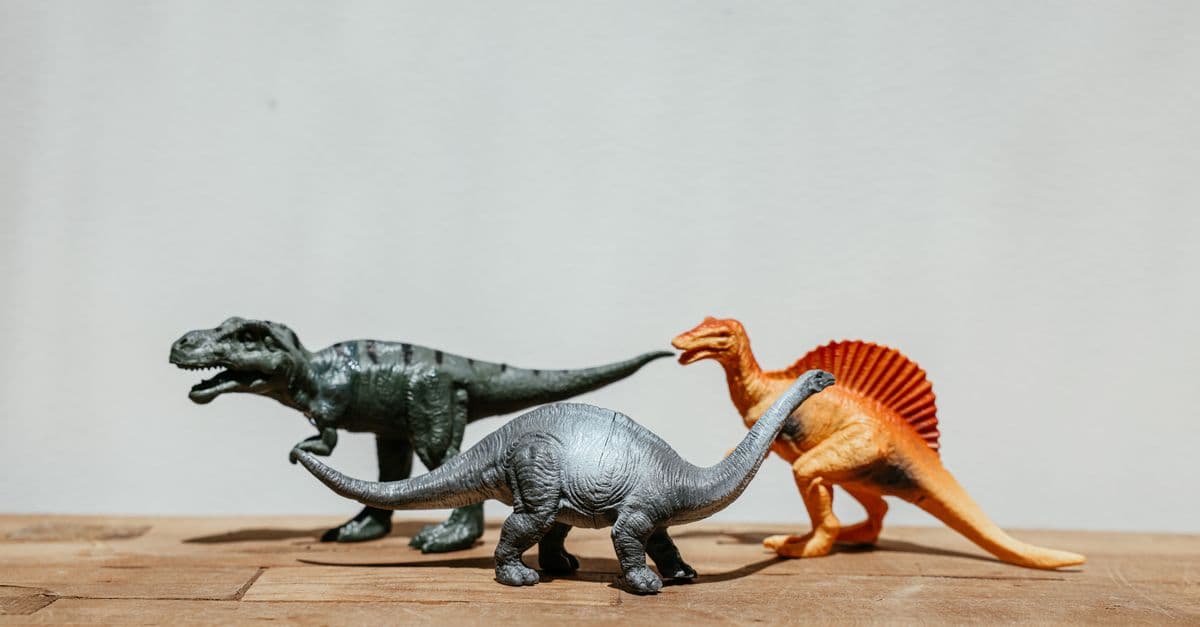
Dinosaurs
How Fast Could Dinosaurs Run?
Dinosaur speed estimates come from tracks, bones, muscle models, and biomechanics. This guide explains what scientists can and cannot know.
Dinosaurs and paleontology: how we know what we know, the mass extinctions, feathered dinosaurs, fossil discoveries, and the deep history of life on Earth — grounded in real science.
Dinosaur speed estimates come from tracks, bones, muscle models, and biomechanics. This guide explains what scientists can and cannot know.
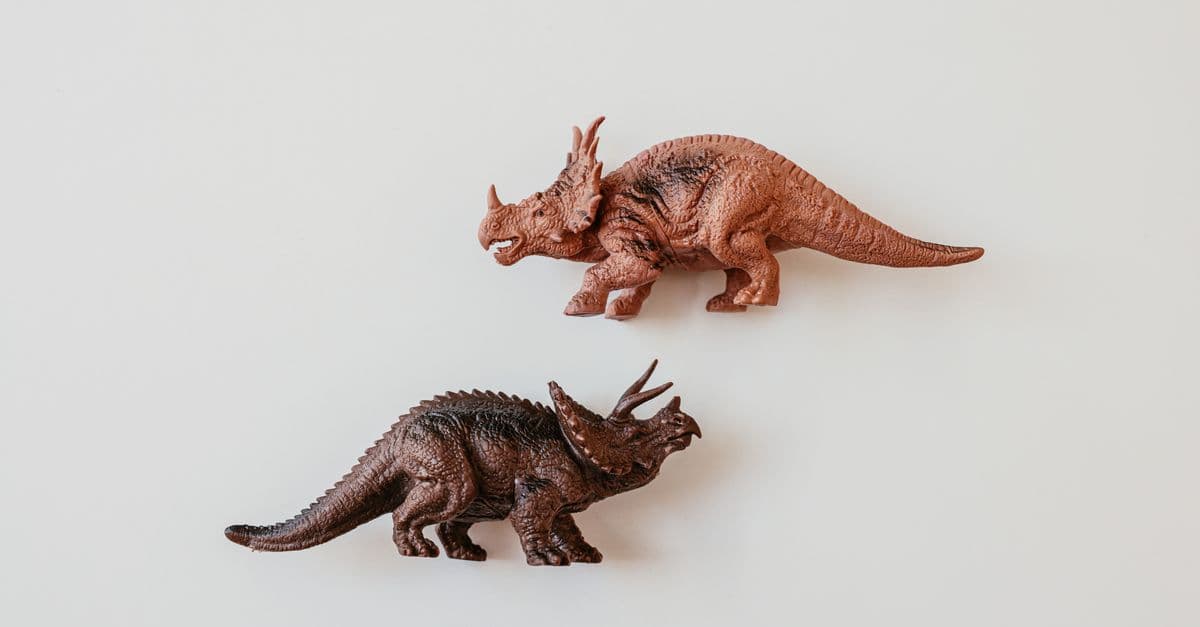
Fossil pigments, feathers, skin impressions, and living relatives suggest many dinosaurs were more colorful than old museum models.
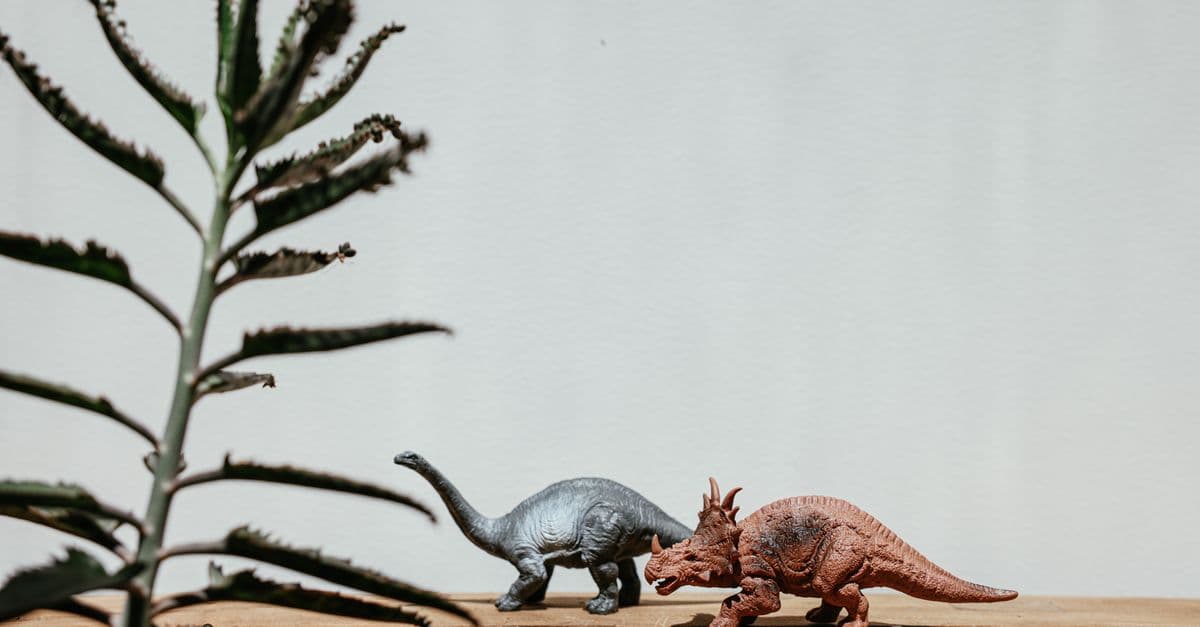
Triceratops horns likely evolved for mate competition, display, and species recognition, with combat as a secondary use. This guide explains the fossil evidence behind ceratopsian horns.
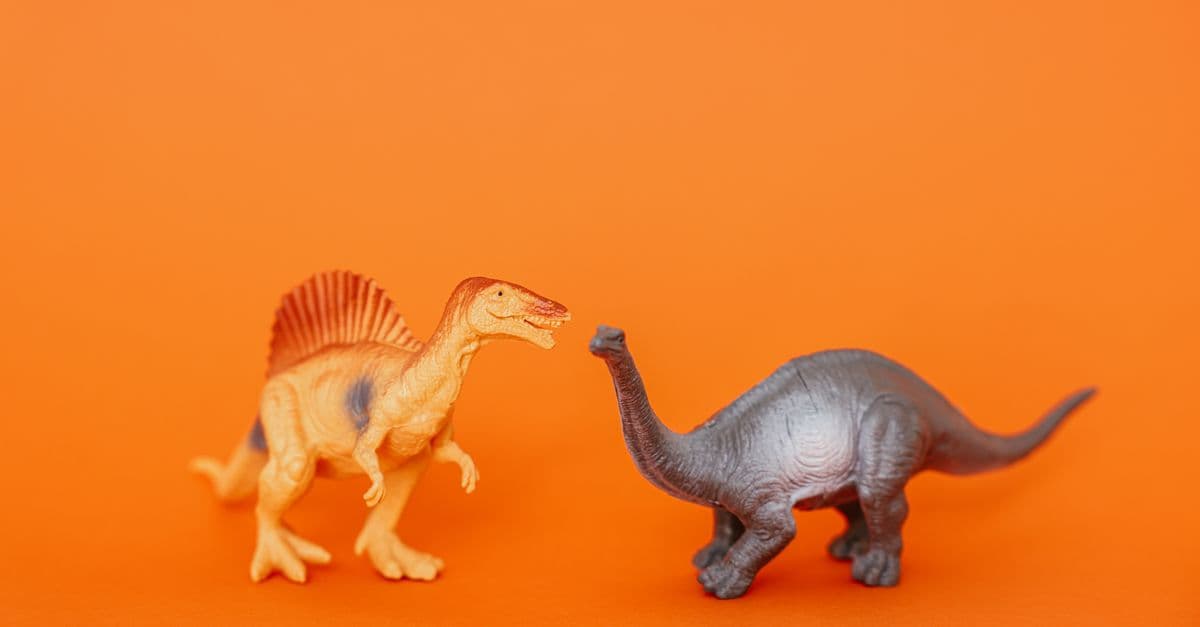
The non-avian dinosaurs went extinct approximately 66 million years ago. The earliest members of the genus Homo appeared roughly 2.8 million years ago. Modern Homo sapiens are at most 300,000 years old. The gap between the last non-avian dinosaur and the first human is 63 million years wide — wider than the entire span of the Paleogene and Neogene periods combined. This article examines why the coexistence myth persists, what dinosaurs actually left behind in human evolutionary history, and why birds are the honest answer to the question.
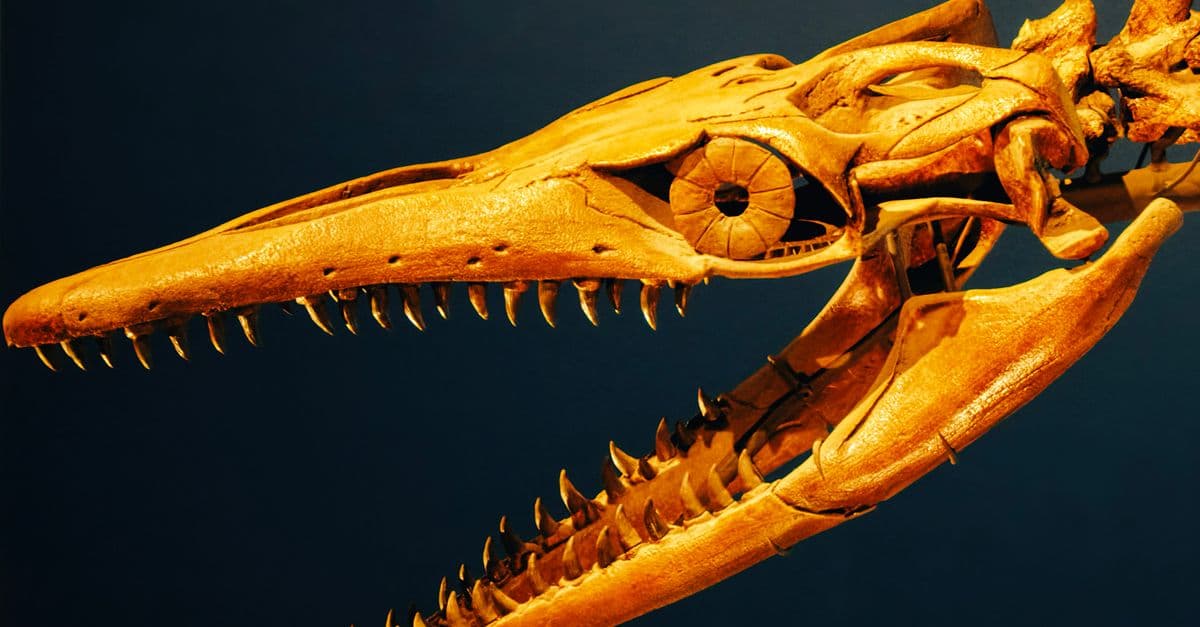
Between 1877 and 1892, two American paleontologists — Edward Drinker Cope and Othniel Charles Marsh — waged a personal and scientific war so destructive that they dynamited fossil sites, bribed each other's workers, and published species descriptions from train cars to claim priority. They were also, together, astonishingly productive: they named over 130 new dinosaur species, established the frameworks of American vertebrate paleontology, and made fossil hunting front-page news. The field they left behind was built on rivalry as much as science.

Ceratopsians — the horned and frilled dinosaurs — are among the most distinctive animals in the fossil record, and among the most misunderstood. Triceratops's frill was not armor. Its horns may have been used for display as much as combat. Torosaurus may or may not be a different animal from Triceratops — the debate is genuinely unresolved. And ceratopsian herds, though often depicted as vast migratory columns, are supported by specific but limited fossil evidence. Here is what the bones actually show.
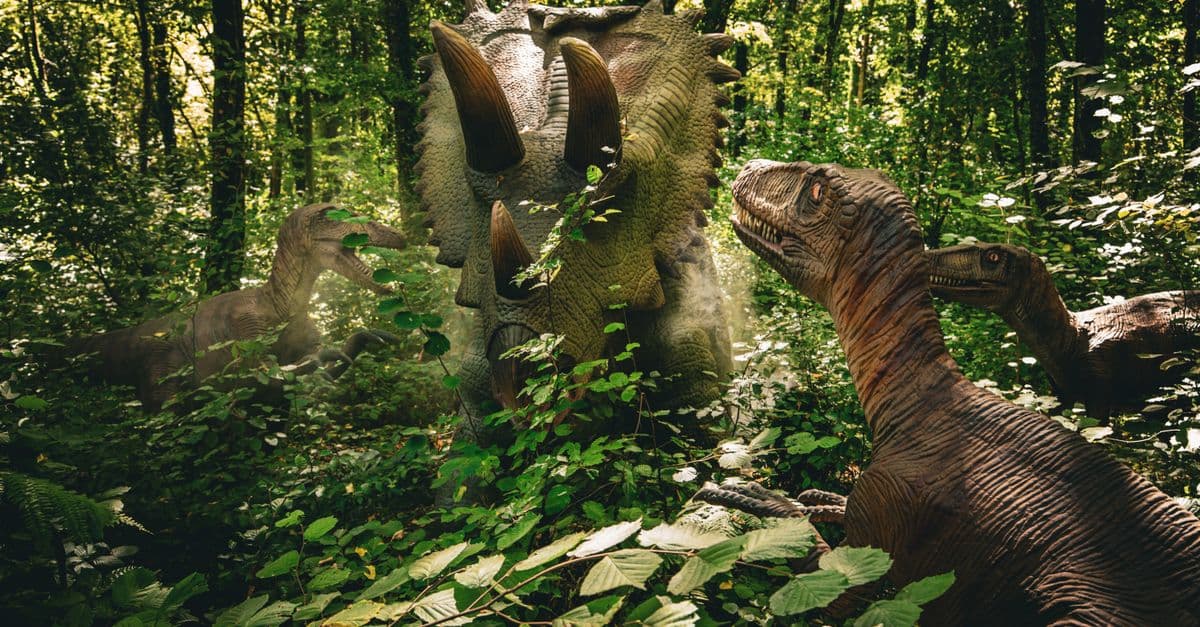
Dinosaur reproduction left behind an extraordinary fossil record — not just egg shells and embryos, but entire nesting colonies, brooding adults frozen above their clutches, and embryos that preserve the original pigment cells of colored eggshells. Oviraptor was accused of stealing eggs for 70 years before a 1990s discovery proved it was actually brooding its own. Maiasaura colonies show parental care rivaling modern birds. And we now know some dinosaur eggs were blue-green, not white.
Jurassic Park proposed that dinosaur DNA could be recovered from insects preserved in amber, sequenced, gap-filled with frog DNA, and used to resurrect living dinosaurs. The film was entertaining. The science does not hold up. What the real science shows is both more limiting and, in some ways, more interesting than what Hollywood imagined — and the question of what is actually possible tells us something profound about DNA, deep time, and the nature of extinction.
Dinosaur diets are not guesswork. Fossilized teeth, stomach contents, coprolites, bone bite marks, and isotope chemistry all leave chemical and physical signatures that paleontologists read like a menu. From the grinding dental batteries of hadrosaurs to the bone-cracking bite of T. rex, from gastroliths in sauropod ribcages to grass seeds inside a titanosaur coprolite, the fossil record has preserved an unexpectedly detailed picture of who ate what — and how plants and dinosaurs co-evolved over 165 million years.
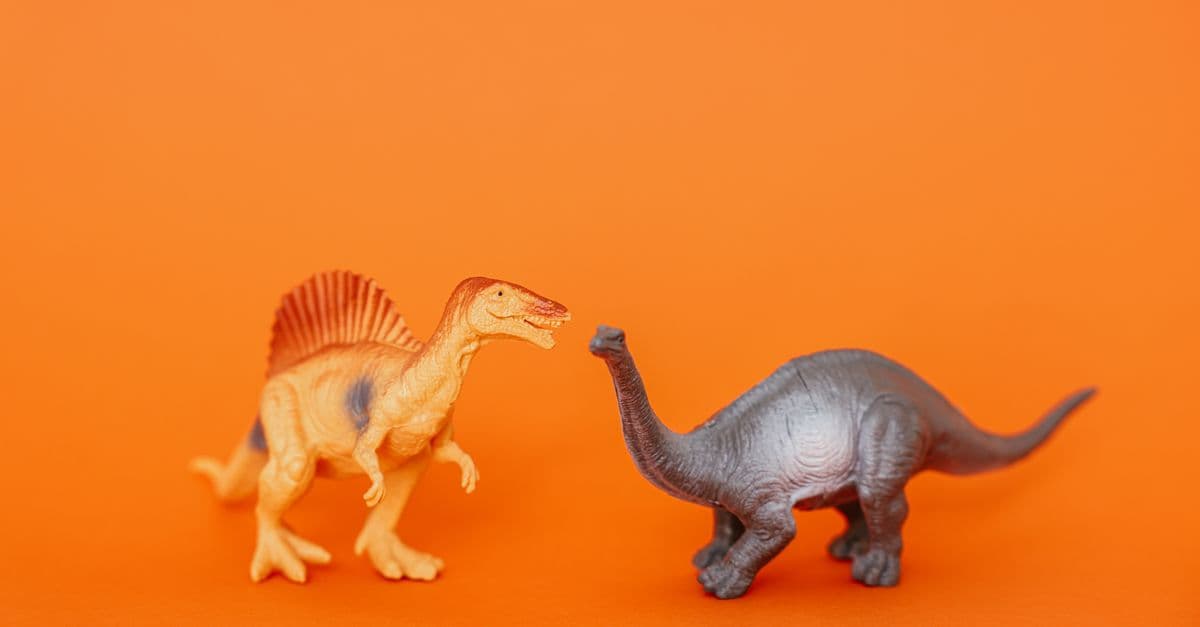
For most of the 20th century, Spinosaurus was a mystery — a massive sail-backed predator known only from destroyed World War II specimens and a handful of fragments. Then a series of discoveries between 2014 and 2020 transformed it into one of the most scientifically debated dinosaurs alive, and the only known dinosaur adapted for aquatic, tail-propelled swimming. It was also longer than Tyrannosaurus rex by several meters — and the controversy over what exactly it was is far from settled.
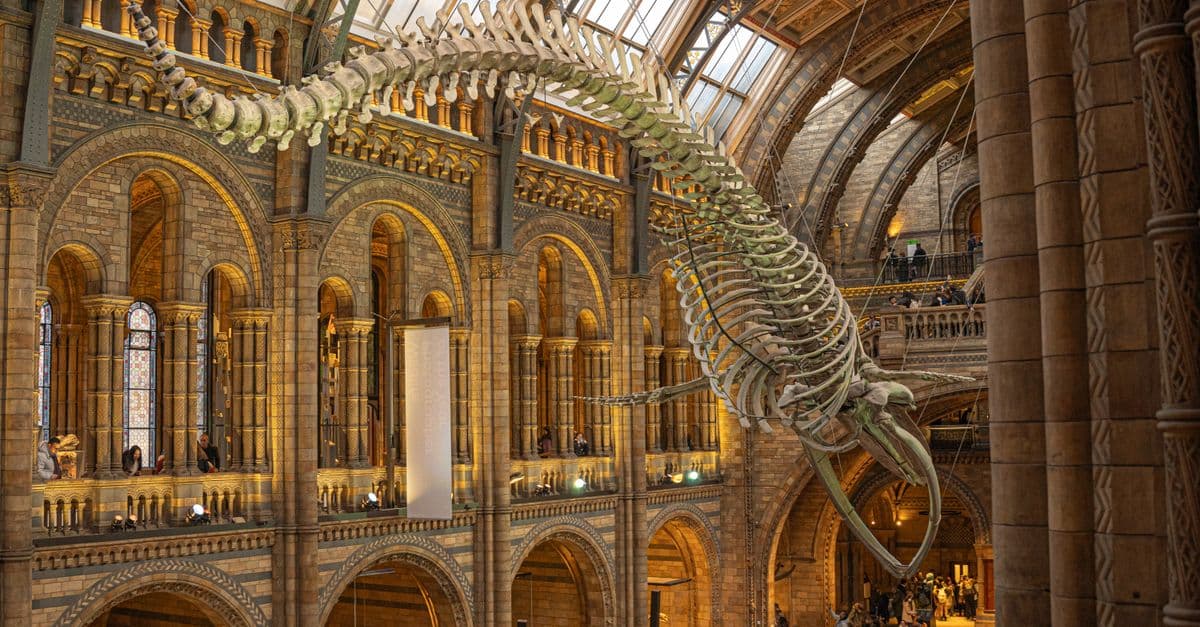
While dinosaurs ruled the land and pterosaurs owned the sky, the Mesozoic oceans were controlled by three groups of reptiles that had returned from land to sea and evolved into apex predators of staggering power. Mosasaurs, plesiosaurs, and ichthyosaurs were not dinosaurs. They were something the Mesozoic produced separately — and in doing so, they repeatedly reinvented the dolphin, the shark, and the whale, from scratch.
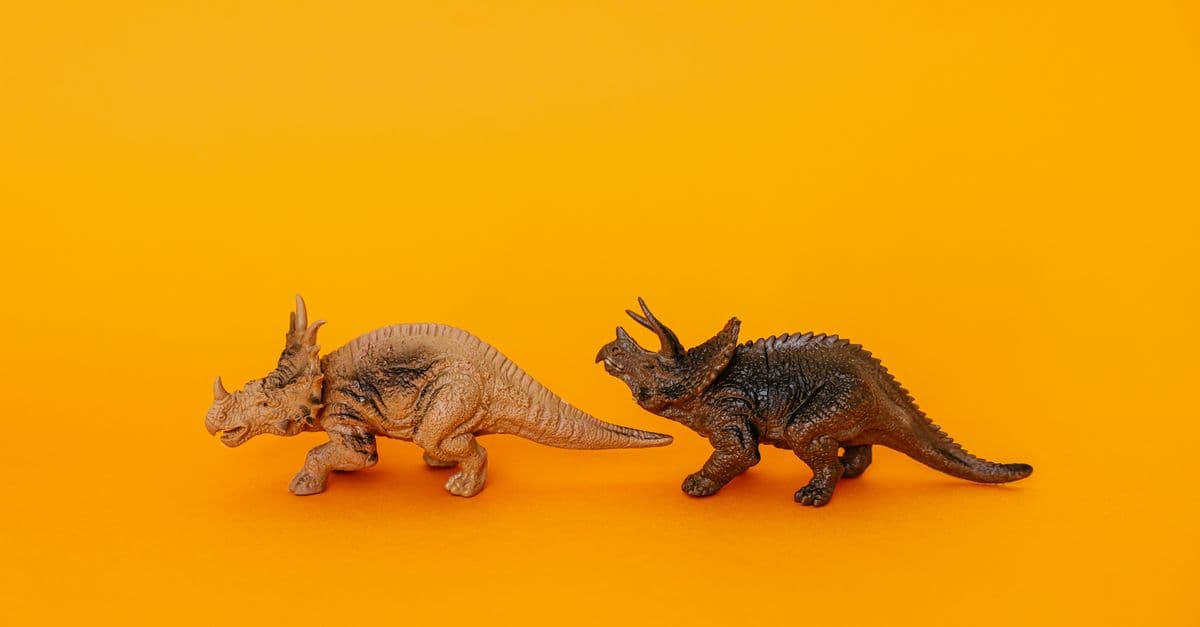
Pterosaurs were the first vertebrates to achieve powered flight, doing so roughly 50 million years before birds and 80 million years before bats. At their largest — Quetzalcoatlus northropi, with a wingspan matching a small aircraft — they were the heaviest flying animals in Earth's history. Yet despite sharing the Mesozoic with dinosaurs and appearing in every dinosaur documentary, pterosaurs were not dinosaurs. They were something altogether different.