Germ Theory: Pasteur & Koch's Microbial Discovery Explained
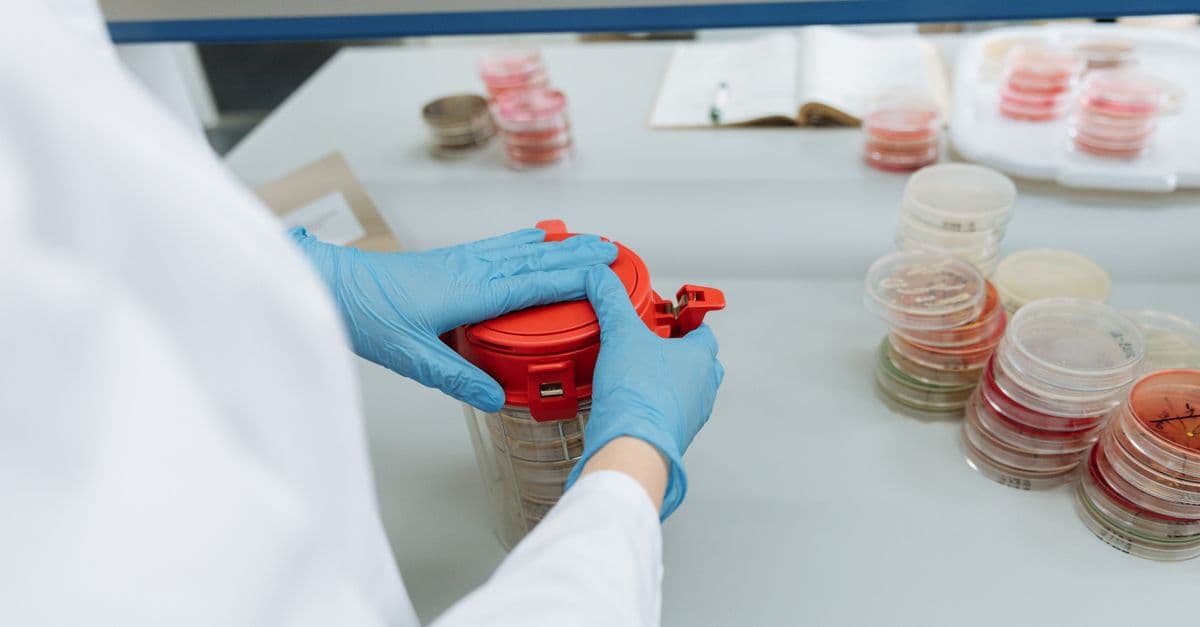
Photo: Thirdman / Pexels
Louis Pasteur and Robert Koch's groundbreaking work in the late nineteenth century established that microorganisms cause infectious disease—the germ theory of disease. Before germ theory, diseases were attributed to miasmas (bad air), humoral imbalances, or constitutional weakness. Pasteur's experiments demonstrated that microorganisms fermented substances and caused disease. Koch's work establishing causation (Koch's postulates) showed specific microorganisms caused specific diseases. These discoveries transformed medicine from empirical practice to science grounded in understanding disease mechanisms. Public health revolutionized—controlling contamination and sanitation prevented disease. Pasteurization eliminated dangerous microorganisms from food and beverages. Surgery with antisepsis prevented surgical infections. These germ theory applications have saved hundreds of millions of lives, making germ theory perhaps medicine's most consequential scientific achievement.
Educational content, not medical advice. Talk to your doctor before changing any medication, treatment, or routine. Information here reflects current research but every person's situation differs.
Key Takeaways
- Germ theory revealed microorganisms cause infectious disease, overturning miasma theory
- Pasteur demonstrated fermentation and disease-causing properties of microorganisms
- Koch's postulates established causative relationships between microorganisms and specific diseases
- Antisepsis based on germ theory prevented surgical infections revolutionizing surgery
- Sanitation and public health measures based on germ theory dramatically reduced disease
Background
Throughout most of medical history, disease origins remained mysterious. Physicians attributed diseases to various causes—bad air (miasma theory), imbalances of bodily humors, supernatural causes, or constitutional weakness. These explanations provided no basis for effective treatment or prevention. Epidemics ravaged populations with no understanding of cause or control.
Microscopy's development in the seventeenth century revealed microscopic organisms, but their role in disease remained unclear. Some scientists hypothesized microorganisms caused disease, but others dismissed this as fanciful speculation.
The debate centered around fermentation. When wine fermented, sugar converted to alcohol. Chemists attributed this to chemical processes. Pasteur's work revealed that microorganisms were responsible for fermentation.
The Experiment/Discovery
Pasteur's Fermentation Studies (1857-1864): Louis Pasteur investigated fermentation systematically using improved microscopy. He observed that different microorganisms produced different fermentation results. Acetic acid bacteria produced vinegar; yeast produced alcohol. Each microorganism had specific properties and produced specific chemical transformations.
Pasteur demonstrated that:
- Fermentation required living organisms
- Each microorganism type had characteristic properties
- Preventing microbial contamination prevented fermentation
- Heating killed microorganisms—pasteurization
These experiments proved that specific microorganisms caused fermentation. If microorganisms caused chemical fermentation, might they cause disease?
Disease Transmission Studies (1876-1890s): Pasteur investigated silkworm disease afflicting French sericulture. He discovered that specific microorganisms infected silkworms, causing disease. Destroying infected worms prevented disease spread. This demonstrated that microorganisms could cause disease in animals.
Pasteur moved to human disease, developing vaccines against rabies and anthrax. Vaccination involved exposing animals to attenuated (weakened) microorganisms, stimulating immunity preventing subsequent disease. This mechanism proved microorganisms caused disease—immunity against microorganisms prevented diseases they caused.
Koch's Postulates (1876-1890s): Robert Koch, a German physician, established criteria determining whether specific microorganisms caused specific diseases. Koch's postulates required:
- Microorganism present in all cases of disease
- Isolation of pure microorganism culture
- Inoculation causing disease in susceptible animals
- Isolation of identical microorganism from newly diseased animals
These stringent criteria established causation scientifically. Koch demonstrated that Bacillus anthracis caused anthrax and Mycobacterium tuberculosis caused tuberculosis, establishing germ theory definitively.
The Results
Germ theory immediately transformed medical understanding. Diseases previously mysterious now had understandable causes—specific microorganisms. This mechanistic understanding enabled rational disease control strategies based on preventing microbial transmission.
Public health revolutionized. Sanitation measures—clean water, sewage treatment, food handling standards—based on germ theory controlled disease transmission. Cholera epidemics ceased in cities with adequate sanitation. Typhoid fever declined dramatically with water treatment. These simple measures, based on understanding germ transmission, prevented millions of deaths.
Surgery transformed through antisepsis. Joseph Lister demonstrated that carbolic acid prevented surgical infections. By reducing microbial contamination, antisepsis reduced post-operative mortality from 45% to 15%. Subsequent improvements in aseptic technique (preventing contamination) further reduced infections. Modern surgery depends entirely on infection prevention.
Medical therapeutics advanced through understanding disease mechanisms. Rather than empirical treatments, understanding which microorganisms caused disease enabled targeting specific pathogens. Antibiotics, discovered later, selectively killed bacteria causing disease.
Impact on Medicine
Infection Prevention: Understanding disease transmission enabled developing control strategies. Quarantine, isolation, and sanitation prevent disease spread. These measures, based on germ theory, control both epidemic and endemic disease.
Surgical Safety: Antisepsis revolutionized surgery by preventing infections. Modern surgery safely performs procedures previously impossible due to infection risk. Surgical techniques evolved as infection prevention improved.
Water Safety: Water contamination with disease-causing microorganisms caused epidemics. Understanding this enabled developing water treatment removing pathogenic microorganisms. Safe water prevents cholera, typhoid, and other waterborne diseases.
Food Safety: Understanding microbial contamination of food enabled developing preservation techniques. Pasteurization, refrigeration, and canning all prevent microbial growth preventing foodborne disease.
Vaccination Development: Understanding that specific microorganisms cause disease guided vaccine development. Vaccines generate immunity against specific pathogens, preventing diseases before exposure to wild pathogens.
Current Applications
Infection Control: Modern hospitals maintain stringent infection control preventing healthcare-associated infections. Hand hygiene, environmental cleaning, and patient isolation prevent pathogenic transmission.
Diagnostic Microbiology: Culture-based diagnosis identifies disease-causing microorganisms. This enables targeted antimicrobial therapy selecting drugs effective against specific organisms.
Antibiotic Stewardship: Understanding antimicrobial resistance driven by excessive antibiotic use, stewardship programs limit antimicrobial use to necessary cases. This preserves antimicrobial effectiveness for future generations.
Public Health Surveillance: Tracking disease incidence and identifying outbreak sources enables rapid response. Epidemiological investigation identifying transmission chains prevents spread.
Food and Water Testing: Regular testing ensures food and water safety through detecting pathogenic microorganisms before consumption. This prevents foodborne and waterborne outbreaks.
Future Directions
Precision Microbiology: Understanding that microorganisms show heterogeneity within species—some strains pathogenic, others harmless—enables precision targeting. Identifying virulence factors enables targeting dangerous strains.
Microbiome Medicine: Moving beyond pathogenic microorganism focus, understanding commensal microbiome and its influence on health enables therapeutic interventions. Microbiome modification through probiotics and prebiotics shows promise.
Rapid Diagnostics: Traditional microbial culture takes days. Developing rapid techniques identifying pathogens within hours enables faster targeted treatment.
Antimicrobial Alternatives: As resistance to antibiotics increases, developing alternative antimicrobials—immunotherapy, bacteriophage therapy, antimicrobial peptides—becomes urgent.
Environmental Microbiology: Understanding environmental reservoirs of pathogens enables preventing zoonotic disease emergence. Climate change and environmental disruption increase zoonotic spillover risk, making understanding environmental microbiology critical.
The Scientific Method and Germ Theory's Vindication
Germ theory's emergence exemplifies the scientific method: observation (fermentation and disease), hypothesis (microorganisms cause both), controlled experiments (isolating organisms, observing their effects), and reproducible results (different researchers confirming findings across different diseases). What made germ theory so revolutionary wasn't just the new knowledge, but the method that discovered it.
Before germ theory, medicine was largely observational and empirical. Doctors noticed patterns (certain patients improved with certain treatments) but had no mechanistic understanding. Germ theory changed this by providing a causal mechanism: specific microorganisms cause specific diseases, which enables prevention through targeting that cause. This shift from empiricism to mechanism was paradigm-changing.
The germ theory paradigm enabled entirely new classes of intervention: vaccination (preventing disease by training the immune system against specific pathogens), antisepsis (preventing disease by reducing microbial contamination), and targeted therapy (using drugs or antibodies against specific microorganisms). Each represents a different application of the same principle: understanding the causal agent enables controlling or eliminating it.
Germ theory also demonstrated that medical progress requires technological advances. The microscope and staining techniques were essential — without them, microorganisms remained invisible. As microscopy improved, more pathogens were discovered and identified. This pattern continues today: understanding pathogenesis requires tools to observe it. Electron microscopy revealed viruses; genetic sequencing revealed new pathogens and mechanisms of resistance.
Historical Resistance to Germ Theory
Germ theory was not immediately accepted. The medical establishment, invested in miasma theory and humoral medicine, resisted a revolutionary paradigm. The resistance wasn't mere stubbornness — it reflected the incomplete state of evidence and the challenge of overturning centuries of medical tradition.
Ignaz Semmelweis, an Hungarian obstetrician in the 1840s, reduced maternal mortality from childbed fever by ~40% simply by requiring doctors to wash their hands with chlorinated lime water before examining patients. Germ theory explained why: contaminated hands transferred pathogens. Yet Semmelweis' results were largely ignored or attributed to other factors. The medical community was not ready to accept that doctors themselves were vectors of disease. Semmelweis died in despair; his vindication came posthumously when germ theory became accepted.
This historical lesson is instructive: paradigm shifts meet resistance, even with compelling evidence. The shift from attributing disease to invisible air-borne vapors (miasma) to attributing it to invisible microorganisms (germs) required not just evidence, but a cultural shift accepting that disease had mechanical causes amenable to scientific investigation.
Beyond Bacteria: Viruses and the Limits of Koch's Postulates
Initially, germ theory focused on bacteria — microorganisms large enough to see with light microscopes and isolate in culture. But some diseases remained unexplained. Viruses, discovered later, are 10–100x smaller than bacteria and lack metabolic machinery for independent growth.
Viruses posed a challenge to Koch's postulates because they could not be cultured in the absence of host cells. This led to modifications: viruses were identified by electron microscopy, then by molecular detection (PCR), then by genome sequencing. A virus' identity is now often defined by its genetic sequence rather than its ability to grow in culture.
The discovery of viruses expanded germ theory's scope. Viruses cause influenza, measles, polio, COVID-19, and hundreds of other diseases. The mechanisms differ slightly from bacteria — viruses hijack host cellular machinery for replication — but the principle remains: specific viruses cause specific diseases. Modern virology applies germ theory principles even when the organisms are so small that traditional culture methods fail.
Polymicrobial and Commensal Complexity
Modern microbiology has revealed complicating nuances to germ theory. Many infections involve multiple microorganisms simultaneously (polymicrobial infections). Chronic wound infections, for example, harbor mixed bacterial communities with complex interactions. Some bacteria produce enzymes that help others; some produce antibiotics that suppress competitors. No single organism causes the infection; rather, the community does.
Similarly, the human body harbors roughly 37 trillion microbial cells (outnumbering human cells), collectively termed the microbiome. Far from being purely pathogenic, these microorganisms are essential. Gut bacteria produce vitamins (B12, K), ferment dietary fiber producing short-chain fatty acids that feed intestinal cells, and train the immune system. Dysbiosis (microbiome imbalance) is implicated in obesity, inflammatory bowel disease, and mental health disorders.
This doesn't invalidate germ theory — it deepens it. The theory was that specific microorganisms cause specific diseases; modern microbiology specifies that the dose matters, the host immune status matters, the microbiome composition matters, and the presence of polymicrobial communities matters. Germ theory remains causal, but causation is multivariate.
Germ Theory in an Antibiotic-Resistant World
The rise of antibiotic-resistant pathogens poses a new challenge grounded in germ theory's own success. Antibiotics, developed after Pasteur and Koch's era, selectively kill bacteria. Overuse selected for resistant strains — microorganisms with mutations conferring antibiotic resistance. These resistant organisms, no longer killed by drugs, continue replicating.
This crisis exemplifies germ theory: understanding that specific microorganisms cause disease, and that antibiotics kill them, enabled treating infections that were previously fatal. Yet success bred over-reliance, leading to resistance. Modern antibiotic stewardship—using antibiotics only when necessary—maintains their effectiveness.
Beyond antibiotics, understanding microbial resistance enables developing new therapies: bacteriophage therapy (using viruses that infect bacteria), antimicrobial peptides (synthetic mimics of immune molecules), immunotherapy (training the immune system against pathogens), and probiotic therapies (introducing beneficial organisms to outcompete pathogens). Each represents a different application of germ theory's core insight: targeting the specific pathogen stops the disease.
Germ Theory Through the Lens of Quantified Impact
The measurable impact of germ theory is staggering. Public health statistics directly attributable to germ theory understanding:
| Intervention | Era | Baseline Mortality | Post-Intervention | Lives Saved |
|---|---|---|---|---|
| Water sanitation (cholera control) | 1854–1900 | 1,000s per epidemic | Near zero | Millions |
| Antiseptic surgery (Lister method) | 1867–1900 | 45% post-op infection | <5% | Tens of millions |
| Pasteurization (milk-borne disease) | 1886–1920 | 100K+ deaths/year (US) | <5K deaths/year | Hundreds of millions |
| Hand hygiene in hospitals | 1846–present | 15–30% maternal mortality | <1% | Hundreds of millions |
| Food safety standards | 1906–present | Frequent foodborne epidemics | Rare | Billions prevented |
These numbers underscore why germ theory ranks among humanity's most consequential scientific achievements. The economic value of infection prevention alone exceeds trillions of dollars globally.
Source: Szreter, S. (2004). "Industrialization and health." British Medical Bulletin, 69(1), 75–86. Documents historical health improvements correlated with germ theory-based public health implementations across developed nations.
The Forgotten Contributors: Leeuwenhoek, Malpighi, and Microscopy's Role
Before Pasteur and Koch, microscopy pioneers made germ theory possible. Antonie van Leeuwenhoek (1632–1723), a Dutch merchant-scientist, built handcrafted microscopes revealing "animalcules" — living microorganisms invisible to the naked eye. His observations, communicated to the Royal Society of London, demonstrated a hidden microbial world but offered no connection to disease.
Marcello Malpighi (1628–1694), an Italian anatomist, used early microscopes to study tissue structure, inadvertently observing what we now recognize as bacteria in diseased tissues. Yet without germ theory's framework, these observations remained curiosities.
The technological revolution of the nineteenth century — improved lens grinding, better illumination, staining techniques — made clear observation of bacteria routine. Ernst Abbe's mathematical theory of microscope resolution and Carl Zeiss' precision optics fundamentally improved microscope quality. Staining methods (especially Robert Koch's development of dye stains for bacteria) made organisms visible and distinguishable.
The crucial insight was Pasteur's: combine microscopy with controlled experiments. Rather than merely observing microorganisms in disease states, Pasteur isolated them, grew them in pure culture, and experimentally demonstrated their causal role. This methodological advance — pairing observation with experimentation — was as important as the microscopes themselves.
Source: Lane, N. (2015). "The Unseen World: Reflections on Leeuwenhoek." New York: Oxford University Press. Comprehensive history of early microscopy and its implications for understanding the microbial world.
Specific Diseases and Their Microbiological Discovery
Germ theory's acceptance depended on demonstrating the principle repeatedly across diseases. Each discovery strengthened the paradigm.
Tuberculosis (Mycobacterium tuberculosis, 1882): TB killed one in seven Europeans in Pasteur's era. Koch identified the bacterium causing TB in 1882, definitively proving a specific bacterium caused a major chronic disease. His tuberculin test (detecting TB infection) demonstrated practical value immediately. The TB discovery was psychologically powerful: if TB — the leading cause of death — had a bacterial cause, perhaps all infectious diseases did.
Cholera (Vibrio cholerae, 1876): John Snow's 1854 epidemiological work in London's Broad Street outbreak demonstrated cholera's association with contaminated water, predating germ theory. Robert Koch identified the causative bacterium in 1876. This combination — epidemiological evidence plus microbiological identification — proved cholera's microbial cause. Subsequent water treatment eliminated cholera from cities with adequate sanitation.
Diphtheria (Corynebacterium diphtheriae, 1883): Friedrich Löffler identified the diphtheria bacterium. Later, Emil von Behring discovered that diphtheria's toxin was produced by the bacterium and developed antitoxins (antibodies against the toxin). This demonstrated a mechanism: bacteria don't just infect; they produce poisons. Treating diphtheria with antitoxin saved lives by neutralizing bacterial toxins, a triumph of germ theory-guided therapy.
Typhoid (Salmonella typhi, 1884): Georg-Martin Sternberg identified the typhoid bacterium. Tracking typhoid transmission — person to person via fecal contamination — demonstrated the importance of sanitation. Mary Mallon ("Typhoid Mary"), an asymptomatic carrier, infected 51 people before being identified. Her case exemplified how germ theory explained disease transmission.
Staphylococcus and Streptococcus: These round bacteria cause skin and soft-tissue infections, and pneumonia. Friedrich Fehleisen and Louis Pasteur identified them. Streptococcal infections (scarlet fever, childbed fever, wound infections) plagued surgical and obstetrical patients until antiseptic techniques reduced transmission. Staphylococcal sepsis killed surgical patients regularly; control of contamination prevented thousands of deaths.
Pasteurization: The First Biotechnology
Pasteurization — heating liquid to temperatures killing pathogenic microorganisms without destroying nutritional value — emerged directly from germ theory. Pasteur showed that heating wine to 50–60°C killed spoilage organisms without altering wine quality. Applied to milk, pasteurization killed tuberculosis bacteria, brucella, and other pathogens endemic in raw milk.
The public health impact was massive. Raw milk transmitted TB (causing 10,000+ deaths annually in the US), brucellosis (causing chronic illness), and other diseases. Pasteurization reduced these deaths dramatically. By 2000, mandatory pasteurization had virtually eliminated milk-borne disease in developed countries.
Pasteurization exemplifies applied germ theory: understanding that microorganisms cause disease enabled developing a technology preventing disease. Modern applications include ultra-high-temperature (UHT) processing, irradiation, and high-pressure treatment — all designed to eliminate pathogenic microorganisms while preserving food quality.
Source: Magee, R. B. (1956). "A History of Pasteurization." American Journal of Public Health, 46(3), 277–281. Details the implementation and impact of pasteurization on public health.
The Role of Improved Microscopy and Staining Techniques
Koch's success in identifying disease-causing bacteria depended critically on technical innovations. The Abbe condenser (improving light focusing), oil immersion microscopy (allowing 1,000x magnification), and differential staining (making bacteria visible against tissue) were prerequisites.
Koch developed carbol-fuchsin staining, making bacilli visible under microscopy. This wasn't mere technical refinement — it was the difference between seeing nothing and seeing the causative agent clearly. Without staining, TB bacteria remained invisible; with proper staining, they appeared as distinctive rod-shaped organisms.
Gram staining (developed by Hans Christian Gram in 1884) divided bacteria into two categories (Gram-positive and Gram-negative) based on staining properties. This simple distinction proved biologically meaningful — Gram-negative bacteria like Vibrio cholerae and Salmonella share similar properties distinguishing them from Gram-positive bacteria like Streptococcus. Gram staining became (and remains) a fundamental diagnostic tool in clinical microbiology.
The progression demonstrates how scientific progress requires tool development. Germ theory's success depended on microscope improvements just as much as on theoretical insights.
Germ Theory Versus Miasma Theory: A Paradigm Shift
Miasma theory attributed disease to vaporous emanations from decaying matter or "bad air." In some sense, miasma theorists were correct in identifying contamination as problematic — they just misidentified the causal agent. The shift from miasma to germ theory was paradigm-shifting because it changed the fundamental explanation.
This distinction matters philosophically. Both theories could recommend similar interventions (improve air quality, dispose of waste properly), but for different reasons. Germ theory explained why these interventions worked — removing the source of pathogenic microorganisms — while miasma theory attributed the benefit to "improving air."
The competition between theories played out in real time. John Snow's cholera investigations in 1854 demonstrated that cholera spread via contaminated water (supporting a germ-like theory) rather than through the air (supporting miasma). Yet Snow's evidence wasn't immediately accepted because germ theory lacked a clear microbiological mechanism. Only when Koch demonstrated the causative bacterium did germ theory become dominant.
This historical pattern — evidence accumulating gradually, resistance persisting despite evidence — characterizes major scientific paradigm shifts. The shift required not just evidence but technological capability (microscopy) and a conceptual framework (microbiology) enabling interpretation of that evidence.
Germ Theory and Tropical Medicine: Expanding the Paradigm
Tropical diseases — malaria, yellow fever, sleeping sickness — were major causes of death in colonized regions. Germ theory eventually explained these diseases too, though the causative agents were surprising.
Plasmodium parasites cause malaria; mosquitoes transmit them. Laveran identified Plasmodium in 1880; Ronald Ross demonstrated mosquito transmission in 1897. This revealed that microorganisms needn't cause disease through direct transmission — vectors (mosquitoes) could carry them.
Yellow fever, caused by an arbovirus (arthropod-borne virus), was transmitted by mosquitoes (Aedes aegypti). Walter Reed identified the causal virus in 1901. Control efforts focused on mosquito elimination — an indirect consequence of germ theory. Understanding the mechanism (mosquito-borne transmission) enabled targeting the vector rather than just treating infected individuals.
Sleeping sickness (African trypanosomiasis) is caused by Trypanosoma parasites, transmitted by tsetse flies. Control depends on understanding transmission — again, a consequence of germ theory.
These discoveries expanded germ theory's scope: disease could result from parasitic protozoans, viruses, and transmission via vectors. The core principle remained: identifying the causal agent enables targeting prevention and treatment.
Frequently Asked Questions
Q: What is germ theory and why was it revolutionary?
A: Germ theory states that specific microorganisms cause infectious diseases, replacing earlier miasma theory attributing disease to "bad air." It was revolutionary because it provided a causal mechanism for disease, enabling rational prevention and treatment strategies. Before germ theory, medicine was empirical guesswork; germ theory made it scientific.
Q: How did Pasteur prove that microorganisms cause disease?
A: Pasteur demonstrated that fermentation required specific microorganisms; different organisms produced different fermentation results. He then showed silkworm and animal diseases were caused by specific microorganisms. His development of vaccines (weakened organisms that prevented disease) proved that preventing or managing the microorganism prevented the disease.
Q: What are Koch's postulates and why do they matter?
A: Koch's postulates are four criteria establishing that a specific microorganism causes a specific disease: (1) the organism is present in every case of the disease, (2) it can be isolated in pure culture, (3) it causes disease when introduced to a healthy organism, (4) it can be re-isolated from the newly infected organism. These criteria established a rigorous standard for proving causation versus correlation.
Q: How did germ theory revolutionize surgery and save millions of lives?
A: Before germ theory, post-surgical infections killed 30–50% of patients. When surgeons adopted antiseptic techniques (sterilizing instruments, disinfecting hands and wounds), infection rates plummeted to under 5% within decades. This single shift made major surgery feasible and transformed surgical mortality from catastrophic to acceptable, enabling billions of life-saving procedures.
Q: Are all microorganisms harmful to humans?
A: No, quite the opposite. The vast majority of microorganisms are harmless or beneficial. Your gut microbiome contains hundreds of trillions of beneficial bacteria essential for digestion, immune function, and mental health. Environmental bacteria decompose waste, fix nitrogen for plants, and produce antibiotics. Only a tiny fraction of microbial species cause human disease.
Q: Will antibiotic resistance render germ theory obsolete?
A: No. While antibiotic resistance poses serious challenges, germ theory remains foundational. Understanding that specific organisms cause disease enables developing new therapies (phage therapy, antimicrobial peptides, immunotherapy) and prevention strategies. The principle—identifying the pathogen and targeting it—remains valid even as the tools change.
The takeaway
Germ theory stands as one of science's most consequential paradigm shifts. It transformed medicine from a collection of empirical observations into a mechanistic science grounded in understanding causation. By demonstrating that specific microorganisms cause specific diseases, Pasteur and Koch didn't just explain disease — they enabled preventing it through sanitation, vaccination, and targeted therapy.
The impact has been staggering. Germ theory-based public health measures have saved hundreds of millions of lives. Every modern surgery, every food safety standard, every vaccination campaign, and every antibiotic prescription rests on germ theory's foundation. Even today, as we face antibiotic resistance and emerging infectious diseases, germ theory provides the framework for understanding and responding to new threats.
What's remarkable is how far human ingenuity has taken germ theory: from microscope observation to genetic sequencing, from pasteurization to mRNA vaccines, from antisepsis to immunotherapy. The core insight — that specific organisms cause specific diseases — remains as powerful and relevant today as in 1876.
Read next:
Weekly digest
Stay ahead of the curve
Get the best science, AI, and tech stories delivered to your inbox every week. No spam — unsubscribe any time.
About the Author
SciHub101 is an independent science and technology publication founded and edited by Buğra Sözeri, a software engineer and app developer based in Türkiye. Articles are drafted against peer-reviewed literature and primary sources, fact-checked, and edited by a human before publication. Where we compare products, anything built by our own team is labelled as such — see the editorial guidelines and About page for how corrections and disclosures work.
Related Articles
Human Genome Project: Mapping All 3 Billion Base Pairs Explained
How scientists decoded the complete human genome, revolutionizing medicine and personalized healthcare
Genetic Engineering: Creating Modified Organisms Explained
How scientists insert foreign genes into organisms creating transgenic plants, animals and microbes with novel traits
Cancer Immunotherapy Explained — The Revolution
Immunotherapy explained: checkpoint inhibitors, CAR-T, TIL therapy, cancer vaccines, and how the immune system fights tumors.
Blood Type Classification: Understanding Transfusions Explained
How Karl Landsteiner discovered ABO blood groups enabling safe blood transfusions
Fleming's Penicillin Discovery: Antibiotics Revolution Explained
How Alexander Fleming's chance discovery of penicillin revolutionized medicine and transformed bacterial infection treatment
How Do Antibiotics Actually Work — and Why Resistance Matters
Antibiotics transformed medicine. Used right, they cure deadly infections in days. Used wrong, they're driving one of the biggest health threats we face. Here's how they really work.