Science
Quantum Computing Advantage: Google's 2019 Breakthrough
How Google's Sycamore quantum processor achieved 'quantum advantage,' completing tasks impossible for classical computers
Latest science news: breakthrough research in physics, chemistry, and climate science — major scientific discoveries explained for everyone.
How Google's Sycamore quantum processor achieved 'quantum advantage,' completing tasks impossible for classical computers
How quantum entanglement experiments revealed nature defies classical intuition
ISS research reveals how cosmic radiation damages DNA and organisms in space, with findings applicable to cancer prevention, radiation therapy, and long-duration spaceflight safety.
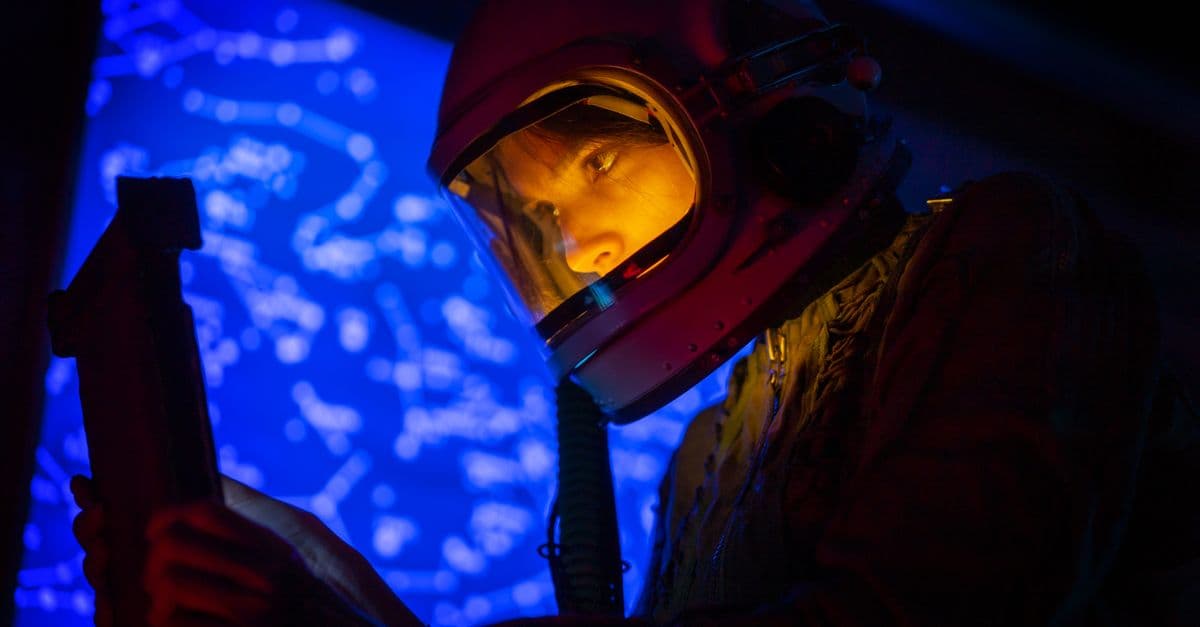
ISS astronauts experience disrupted sleep and circadian rhythms due to 16 sunrises/sunsets daily. Research reveals mechanisms and countermeasures applicable to treating sleep disorders.
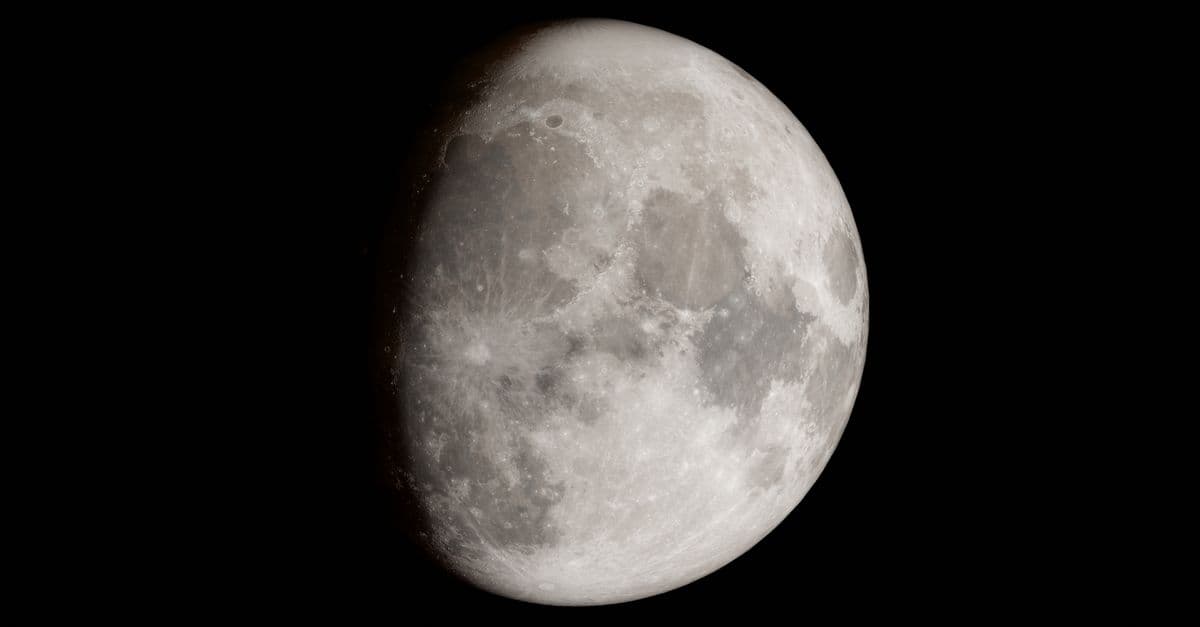
Apollo solar wind collectors captured particles directly from the Sun's wind, analyzing isotope ratios that revealed solar composition and isotopic variations over time.
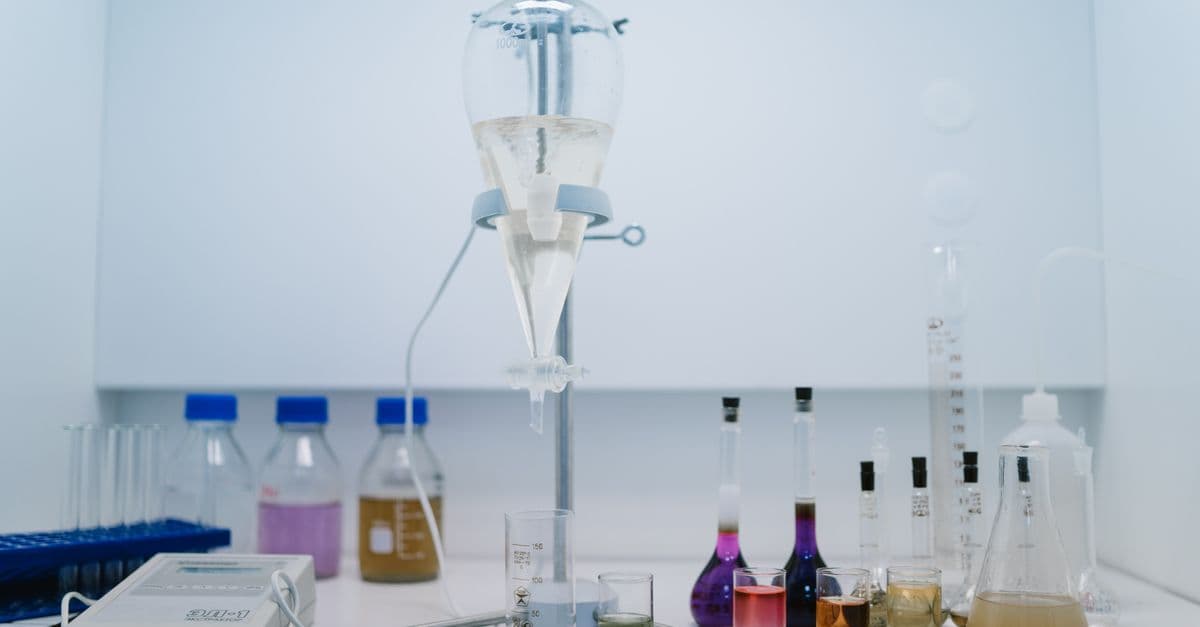
The redox chemistry, electrode potentials, and metal chemistry that made Volta's zinc-copper pile the first device to produce continuous electric current
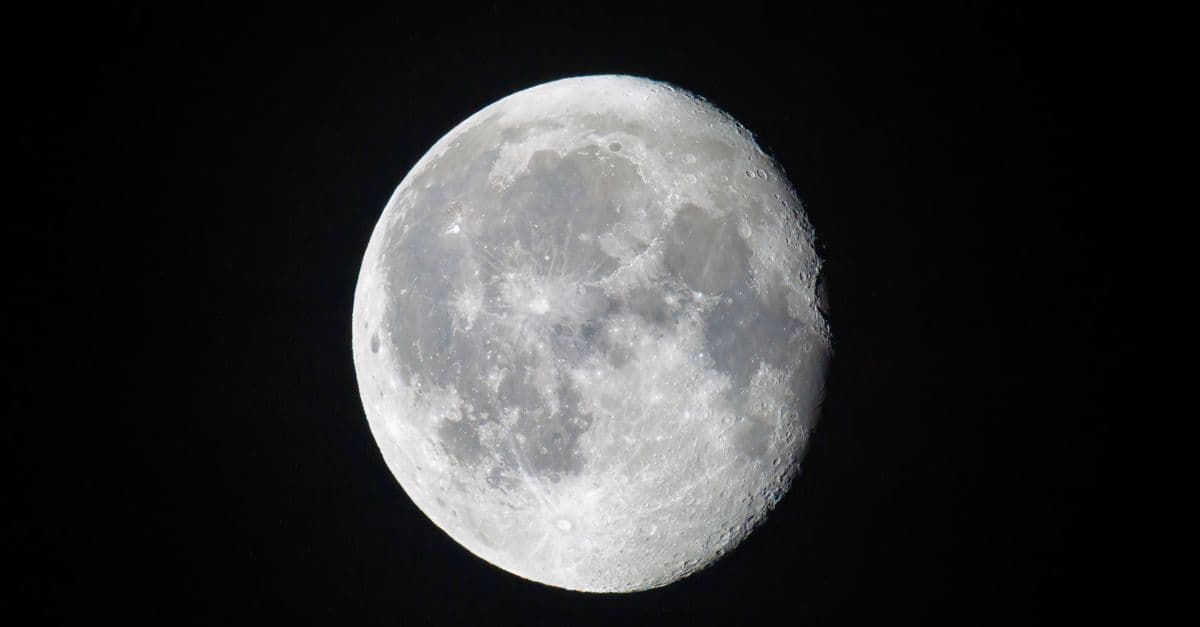
China's Yutu-2 rover explored the Moon's far side, discovering subsurface layers and geological features revealing the Moon's complex evolution.
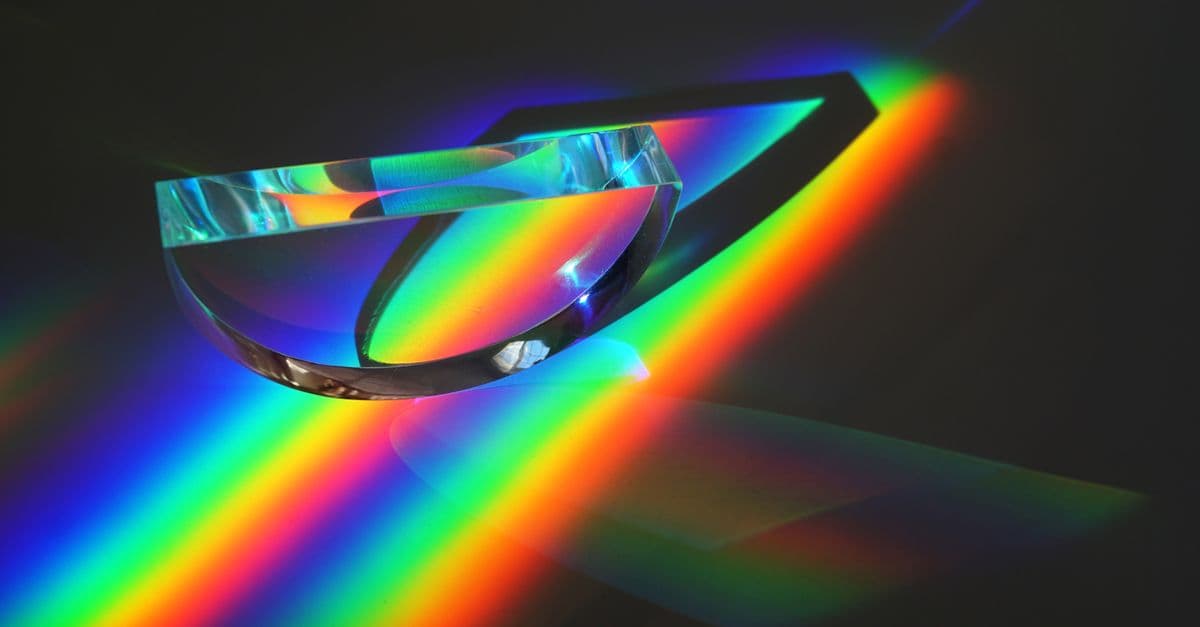
In 1666, Isaac Newton used prisms to split white sunlight into its component colors and recombined them into white again. The experiments changed how we think about light and color.
In 1831, Michael Faraday discovered that changing magnetic fields induce electric currents. This fundamental discovery enabled electric motors, generators, and transformed civilization.
In the 1670s, Anton van Leeuwenhoek ground tiny lenses and became the first human to see microorganisms — bacteria, protozoa, and sperm cells. His observations opened the microbial world and laid the groundwork for germ theory.

Ernst Heinrich Weber was a hearing anatomist who measured touch with compasses and lifted weights. His work gave psychology its first law and still frames how scientists study vibration and the deaf brain.
In 1800, William Herschel used prisms and thermometers to discover infrared radiation, proving that visible light is just a tiny fraction of the spectrum. A revelatory experiment on the nature of light.