How Green Hydrogen Is Made

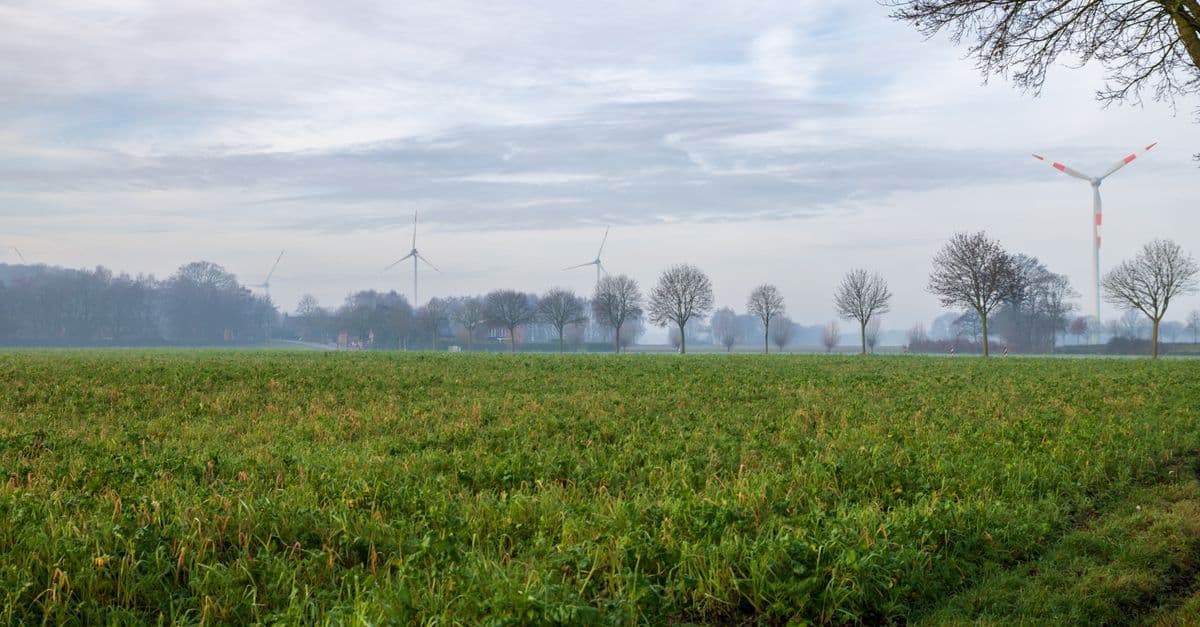
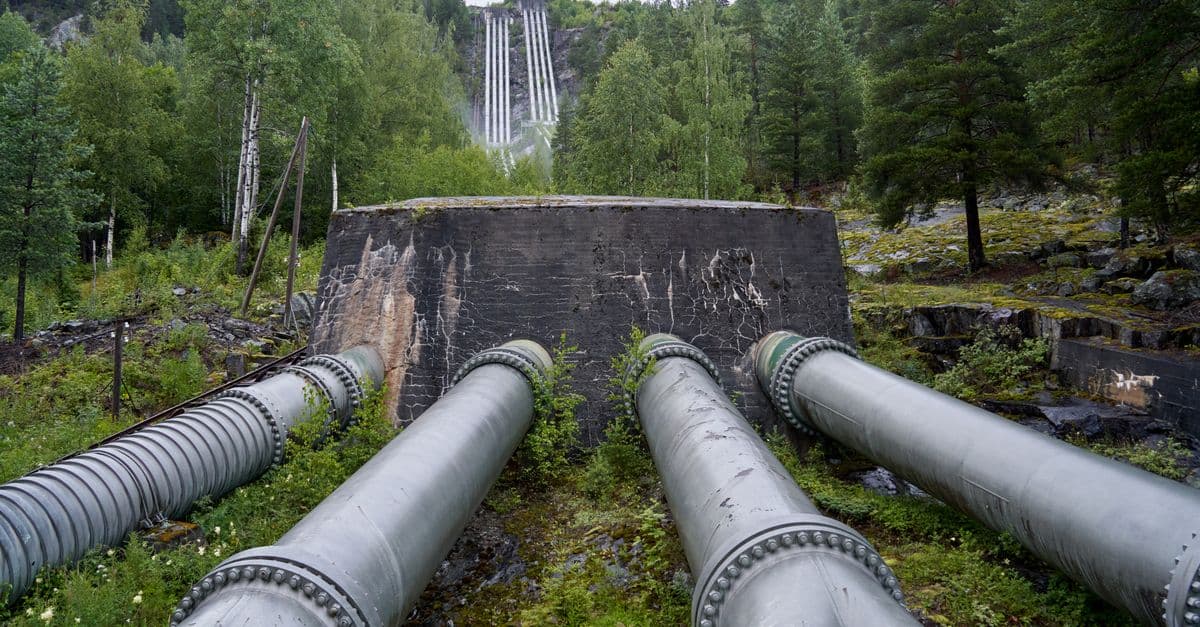
Photo: Francesco Ungaro / Pexels
Green hydrogen is hydrogen gas produced by splitting water with electricity that comes specifically from renewable sources such as wind or solar, rather than from fossil fuels. The gas that comes out of the process is chemically identical to hydrogen made any other way. What makes it "green" is not the molecule itself but the electricity that powered its production, and that single distinction is the entire reason the hydrogen industry now sorts its output by color rather than by chemistry.
Why hydrogen gets sorted by color instead of by chemistry
Hydrogen is colorless as a gas, but the industry that produces roughly 97 million tonnes of it worldwide each year has settled on an informal color-coding system to describe how each batch was made, according to the International Energy Agency's Global Hydrogen Review. The system exists because two batches of identical hydrogen gas can carry wildly different carbon footprints depending on their production pathway, and a color label is a faster way to communicate that than reciting a full process description every time.
Grey hydrogen — hydrogen produced by steam methane reforming, a process that reacts natural gas with high-temperature steam to strip hydrogen atoms free, releasing carbon dioxide as a byproduct — is the dominant form in use today. It accounts for the large majority of global hydrogen supply, because steam methane reforming is a mature, comparatively cheap industrial process that has been running at scale since the mid-20th century, mostly for oil refining and ammonia fertilizer production, long before "clean hydrogen" was a policy priority.
Blue hydrogen takes that same steam methane reforming process and bolts on carbon capture and storage equipment at the plant, aiming to trap a large share of the CO2 before it reaches the atmosphere and store it underground instead. It reduces emissions relative to grey hydrogen but does not eliminate them, since capture systems in commercial operation typically catch somewhere between roughly 50 and 90 percent of the carbon dioxide produced, not all of it, and the process still consumes natural gas as its core feedstock.
Green hydrogen breaks from both of those pathways at the chemistry level, not just the accounting level. It uses electrolysis, an electrochemical process that splits water molecules into hydrogen and oxygen gas using an electric current, and it draws that current specifically from renewable generation such as wind, solar, or hydropower. No natural gas enters the process at any step, which is why green hydrogen is the only one of the three color categories with a plausible path to near-zero life-cycle emissions, provided the electricity behind it genuinely comes from renewable sources rather than a fossil-heavy grid.
A less common but increasingly discussed fourth category, sometimes called pink hydrogen, refers to electrolysis powered by nuclear electricity rather than wind or solar. Pink hydrogen shares green hydrogen's core advantage, an electricity source with very low direct carbon emissions, but the industry generally keeps it as a separate label because nuclear power carries a different set of policy, cost, and public-perception considerations than wind and solar. The color system is not a rigid chemistry standard; it is a working shorthand the industry, journalists, and policymakers have converged on to avoid explaining the full production chain every time hydrogen comes up.
How the electrolysis step actually works
The chemistry inside a green hydrogen plant is electrolysis: running an electric current through water to force it apart into hydrogen gas and oxygen gas. For a full breakdown of the underlying electrochemistry, including the half-reactions at each electrode and the reason pure water needs an added electrolyte to conduct current efficiently, see how electrolysis splits water. This article focuses on what makes the green version of that process distinct: where the electricity comes from, how the facilities are built, and why that one variable changes the entire economics.
A green hydrogen plant is, at its core, an electrolyzer connected to a renewable power source, with the electrical connection engineered so that the hydrogen produced can genuinely be attributed to clean generation rather than a mixed grid. Developers pursue this attribution in one of two main ways. Some plants are built directly next to a dedicated wind or solar farm, with a private wire connecting the two, so the electrolyzer only ever runs on electricity that facility itself generates. Others draw power from the public grid but purchase renewable energy certificates or enter power purchase agreements matched to a nearby wind or solar project, a bookkeeping approach that is cheaper to build but has drawn scrutiny from researchers over how strictly the matching needs to be enforced hour by hour, rather than averaged over a year, to credibly count as green.
Why does the specific electricity source matter so much for the "green" label?
Electrolysis itself produces no direct carbon emissions no matter what powers it, since the only inputs are water and electric current. The environmental case for calling the output "green" depends entirely on that electricity's origin. An electrolyzer powered by a coal-heavy grid still causes real upstream emissions, just shifted one step back into the power sector instead of appearing at the hydrogen plant's smokestack, which is why credible green hydrogen claims require verifiable renewable sourcing, not simply the presence of an electrolyzer.
Because that variable current from wind and solar swings throughout the day, green hydrogen facilities also have to choose an electrolyzer technology suited to fluctuating input. Proton exchange membrane (PEM) electrolyzers ramp up and down faster than older alkaline designs, which makes them a common choice when the power source is intermittent rather than steady. That tradeoff, along with the deeper electrochemistry of how each electrolyzer type differs, is covered in more depth in the companion article on how electrolysis splits water.
Why green hydrogen still costs more than grey or blue hydrogen
Cost is the central obstacle standing between green hydrogen and wide adoption, and the gap is not small. Recent techno-economic estimates put green hydrogen's production cost in the range of roughly $3.50 to $8 per kilogram depending on region, electrolyzer technology, and renewable electricity prices, according to industry cost analyses summarized by GEP and IRENA research. Grey hydrogen, by comparison, has generally been produced for roughly $1 to $4 per kilogram, and blue hydrogen typically falls in an intermediate range, often cited around $2 to $4 per kilogram before the added cost of carbon capture equipment, which itself adds roughly $0.70 to $1.20 per kilogram on top of the base process, based on IEA cost breakdowns. Exact figures vary by source, region, and year, since natural gas prices, electricity prices, and electrolyzer manufacturing scale all shift the comparison, but the ordering, grey cheapest, green most expensive, blue in between, has held consistently across multiple independent cost analyses.
| Hydrogen type | Production method | Approximate cost per kg | Approximate carbon intensity |
|---|---|---|---|
| Grey hydrogen | Steam methane reforming, no carbon capture | $1–4 | Highest — full fossil CO2 emitted |
| Blue hydrogen | Steam methane reforming + carbon capture | $2–4 (plus ~$0.70–1.20 for capture) | Reduced ~50–90% vs. grey, not eliminated |
| Green hydrogen | Electrolysis powered by renewable electricity | $3.50–8 | Lowest — near-zero direct emissions if grid claims are credible |
| Pink hydrogen | Electrolysis powered by nuclear electricity | Comparable to green, plant-dependent | Low — depends on nuclear generation's own life-cycle footprint |
Cost and carbon-intensity ranges are approximate and drawn from IEA, IRENA, and industry cost-analysis publications; actual figures vary significantly by region, electricity price, and plant scale, and change year to year as electrolyzer manufacturing and renewable electricity costs shift.
Three factors drive that cost gap. First, electrolyzer hardware itself is capital-intensive, and while manufacturing scale-up has been bringing per-unit costs down, it has not yet closed the gap with decades-old steam methane reforming infrastructure. Second, renewable electricity, even where cheap, is not always available around the clock, so plants either pay for expensive round-the-clock renewable supply or accept lower utilization of their electrolyzer, which raises the effective cost per kilogram of hydrogen produced either way. Third, every energy conversion step loses some energy as heat: turning electricity into hydrogen, and later turning that hydrogen back into usable energy through combustion or a fuel cell, means the overall round-trip efficiency is lower than simply using the original electricity directly, for example in an electric vehicle battery or an electric heat pump. That efficiency penalty is a genuine thermodynamic cost, not a solvable engineering flaw, and it is one reason green hydrogen tends to make the most economic sense in applications where direct electrification is difficult rather than as a general-purpose energy carrier.
Real-world projects show the scale, and the growing pains
The clearest way to understand where green hydrogen stands today is to look at the projects actually being built. The NEOM Green Hydrogen Project in northwestern Saudi Arabia is the most frequently cited example of green hydrogen at industrial scale. The project pairs roughly 4 gigawatts of dedicated wind and solar generation with about 2.2 gigawatts of electrolyzer capacity, aiming to produce around 600 tonnes of green hydrogen per day, which will be converted on-site into roughly 1.2 million tonnes of green ammonia annually for export, according to project details reported by the joint venture partners Air Products, ACWA Power, and NEOM. The project represents an investment of roughly $8.4 billion and had reached more than 90 percent construction completion as of April 2026, with commercial ammonia production targeted to begin following electrolyzer commissioning later in 2026 and into 2027.
The choice to convert the hydrogen into ammonia before shipping it is itself a telling detail about the current state of the industry. Hydrogen gas is difficult and expensive to transport over long distances because it is extremely low-density and prone to leaking through seals that would contain other gases without issue. Ammonia is denser, easier to liquefy, and already has an existing global shipping and handling infrastructure built up over a century of use as a fertilizer feedstock, which is why several major green hydrogen export projects, NEOM included, plan to convert their hydrogen into ammonia immediately rather than shipping hydrogen itself.
Beyond NEOM, national and regional governments have attached explicit cost targets to green hydrogen's development timeline, treating cost reduction as the central policy problem rather than a side effect. The U.S. Department of Energy's Hydrogen Shot initiative, launched in 2021, set a goal of cutting the cost of clean hydrogen to $1 per kilogram within a decade, with an interim target of $2 per kilogram by 2026. Subsequent DOE program reviews have acknowledged that hitting the full $1-per-kilogram target without further technology improvement or continued policy support remains uncertain, which is a useful reminder that even well-funded, high-profile programs treat green hydrogen's economics as an open engineering and policy challenge, not a solved problem awaiting deployment.
Where green hydrogen is actually being used first
Given its current cost premium, green hydrogen has not been deployed as a general replacement for fossil fuels across the economy. Instead, its earliest practical applications cluster in sectors where direct electrification is difficult or currently impossible, a pattern that shows up consistently across pilot projects and early commercial deployments worldwide.
- Ammonia production for fertilizer. Ammonia synthesis already requires hydrogen as a chemical feedstock, not just an energy source, so swapping grey hydrogen for green hydrogen inside an existing ammonia plant is a more direct substitution than trying to electrify an entirely different industrial process.
- Steelmaking. Traditional steel production uses coal-derived coke to chemically reduce iron ore; green hydrogen can perform that same reduction chemistry without the associated carbon emissions, an approach several European steelmakers have piloted at demonstration scale.
- Long-haul shipping and aviation fuel precursors. Batteries are too heavy relative to their energy storage for most long-distance shipping and aviation, so green hydrogen, often converted into ammonia or synthetic fuels, is being explored as an alternative energy carrier for these specific hard-to-electrify transport sectors.
- Heavy-duty and long-haul trucking, in select regions with hydrogen refueling infrastructure, where fast refueling times matter more than they do for shorter-range vehicles that can rely on battery charging overnight.
Notably absent from that list are the applications where batteries and direct electrification already work well and are already cheaper, such as passenger cars, short-haul transport, and residential heating in most climates, where technologies like heat pumps already offer a more efficient path to decarbonization than converting electricity into hydrogen and back. Green hydrogen's practical near-term role is filling gaps that direct electrification cannot reach, not competing head-to-head with electrification where it already works.
What people get wrong about green hydrogen
A common misunderstanding treats "hydrogen" as an inherently clean fuel simply because burning it produces water vapor rather than carbon dioxide at the point of use. That framing ignores where the hydrogen came from in the first place. Since the overwhelming majority of hydrogen produced today is grey hydrogen made from natural gas, a "hydrogen-powered" claim by itself says almost nothing about the actual carbon footprint involved unless the color, or more specifically the production pathway, is also specified.
A second frequent error is assuming hydrogen production is close to energy-free, on the reasoning that water is abundant and the underlying electrolysis chemistry has been understood since the year 1800. The chemistry is old and well characterized, but the electricity required to run electrolysis at meaningful industrial scale is substantial, and that electricity, not the chemistry, is precisely why cost remains the central bottleneck. A useful analogy is squeezing juice from an orange versus growing the orange tree in the first place: extracting hydrogen from water is a simple, well-understood mechanical step, but generating enough clean electricity to run that extraction at gigawatt scale is the much larger and more expensive undertaking, similar to how the labor of growing an orchard dwarfs the effort of squeezing a single glass of juice.
A third misconception conflates electrolyzer efficiency with the greenness of the resulting hydrogen. Efficiency measures how much of the input electrical energy ends up stored in the hydrogen rather than lost as heat during the reaction. It says nothing about where that electricity came from. A highly efficient electrolyzer running on a coal-heavy grid still produces hydrogen with a substantial upstream carbon footprint, even though the electrolysis step itself releases no direct emissions, which is exactly why the industry's green hydrogen definitions increasingly focus on strict, hour-by-hour matching between electrolyzer operation and verified renewable generation rather than simply "an electrolyzer exists at this facility."
Is green hydrogen actually carbon-free from start to finish?
Not entirely. The electrolysis step itself produces no direct carbon emissions when powered by genuine renewable electricity, but manufacturing the electrolyzer hardware, building the wind or solar farm, and constructing supporting infrastructure like pipelines or ammonia converters all carry their own upstream emissions, sometimes called embodied carbon. Green hydrogen's carbon footprint is far lower than grey hydrogen's across its full life cycle, but "far lower" is not the same claim as "zero."
The takeaway
Green hydrogen is chemically identical to hydrogen made any other way; what sets it apart is that renewable electricity, not fossil fuel combustion, powers the electrolysis that splits it out of water. That single upstream choice is the entire reason the industry sorts hydrogen by color, and it is also the entire reason green hydrogen currently costs more, roughly $3.50 to $8 per kilogram against grey hydrogen's $1 to $4, since renewable electricity and electrolyzer hardware remain more expensive than mature fossil-fuel infrastructure that has had decades to scale. Projects like NEOM prove the engineering works at gigawatt scale, but the economics still favor grey and blue hydrogen almost everywhere outside of policy-supported pilot programs, which is why green hydrogen's near-term future runs through the specific industrial and transport sectors, like steelmaking, ammonia, and long-haul shipping, that cannot easily electrify any other way, rather than through a wholesale replacement of the world's existing hydrogen supply.
Read next:
FAQ
Q: What makes hydrogen "green" instead of "grey" or "blue"?
Green hydrogen is produced through electrolysis powered specifically by renewable electricity such as wind or solar. Grey hydrogen comes from steam methane reforming of natural gas with no emissions mitigation, and blue hydrogen uses that same fossil-fuel process paired with carbon capture that typically catches somewhere between roughly 50 and 90 percent of the resulting CO2, not all of it.
Q: Why is green hydrogen more expensive than grey hydrogen?
Green hydrogen currently costs roughly $3.50 to $8 per kilogram compared to grey hydrogen's roughly $1 to $4 per kilogram, driven mainly by electrolyzer hardware costs, the price of renewable electricity, and energy losses at each conversion step, according to IEA and IRENA cost analyses. Those costs have been falling as electrolyzer manufacturing scales up, but the gap has not closed.
Q: What is the NEOM Green Hydrogen Project?
NEOM Green Hydrogen Project is a roughly $8.4 billion facility in northwestern Saudi Arabia pairing about 4 gigawatts of wind and solar generation with 2.2 gigawatts of electrolyzer capacity, aiming to produce around 600 tonnes of green hydrogen daily, converted on-site into roughly 1.2 million tonnes of green ammonia per year for export.
Q: Does green hydrogen produce zero carbon emissions?
The electrolysis step itself produces no direct emissions when powered by genuine renewable electricity, but building the electrolyzer hardware and the wind or solar generation feeding it carries its own upstream, or embodied, emissions. Green hydrogen's full life-cycle footprint is far lower than grey hydrogen's, but not literally zero.
Q: Where is green hydrogen actually being used today?
Its earliest practical uses are concentrated in ammonia production for fertilizer, steelmaking, and long-haul shipping and aviation fuel precursors, sectors where direct electrification is difficult, rather than in applications like passenger cars or home heating where batteries and heat pumps already offer a cheaper, more efficient path to decarbonization.
Q: Is pink hydrogen the same as green hydrogen?
Pink hydrogen uses the same electrolysis process as green hydrogen but is powered by nuclear electricity instead of wind or solar. It shares green hydrogen's low direct-emissions advantage but is generally tracked as a separate category because nuclear power involves different cost, policy, and public-perception considerations.
Follow new articles
Add SciHub101 to your feed reader to see new science and technology stories.
About the Author
SciHub101 is an independent science and technology publication founded and edited by Buğra Sözeri, a software engineer and app developer based in Türkiye. AI tools assist with drafting and research. Source documentation in the existing archive is uneven, and articles are being reviewed and corrected. The Editorial Team byline identifies editorial responsibility; it does not certify specialist or independent human review. Where we compare products, anything built by our own team is labelled as such — see the editorial guidelines and About page for how corrections and disclosures work.
Related Articles

What Is Green Hydrogen — and Could It Replace Fossil Fuels?
Green hydrogen is made by splitting water with renewable electricity, so burning it releases only water. It is promising for industries that cannot easily electrify, but it is costly and wasteful elsewhere.
Complete Sustainability Guide 2026 — Climate, Energy, and Conservation
The complete guide to sustainability in 2026: renewable energy, climate science, circular economy, conservation strategies, and actionable steps to reduce your impact.
Green Steel Explained: Hydrogen, Electrolysis and the Hardest Part of Decarbonizing Steel
Green steel is made with far less CO2 than blast-furnace steel. How hydrogen direct reduction, scrap and electric arc furnaces work, and what limits them.
Countries with the Most Hydropower (Ranked by Installed Capacity)
China leads the world in hydropower with 435.95 GW of installed capacity — more than three times that of second-place Brazil at 110 GW. Hydropower is the world's largest source of renewable electricity, accounting for roughly 40 percent of global renewable generation. This ranking covers the top 15 countries by hydropower installed capacity using IHA and IRENA 2024 data, with methodology, historical context, and caveats about what capacity figures do and do not tell you.