How the Global Food Supply Chain Works — And Why It's Surprisingly Fragile
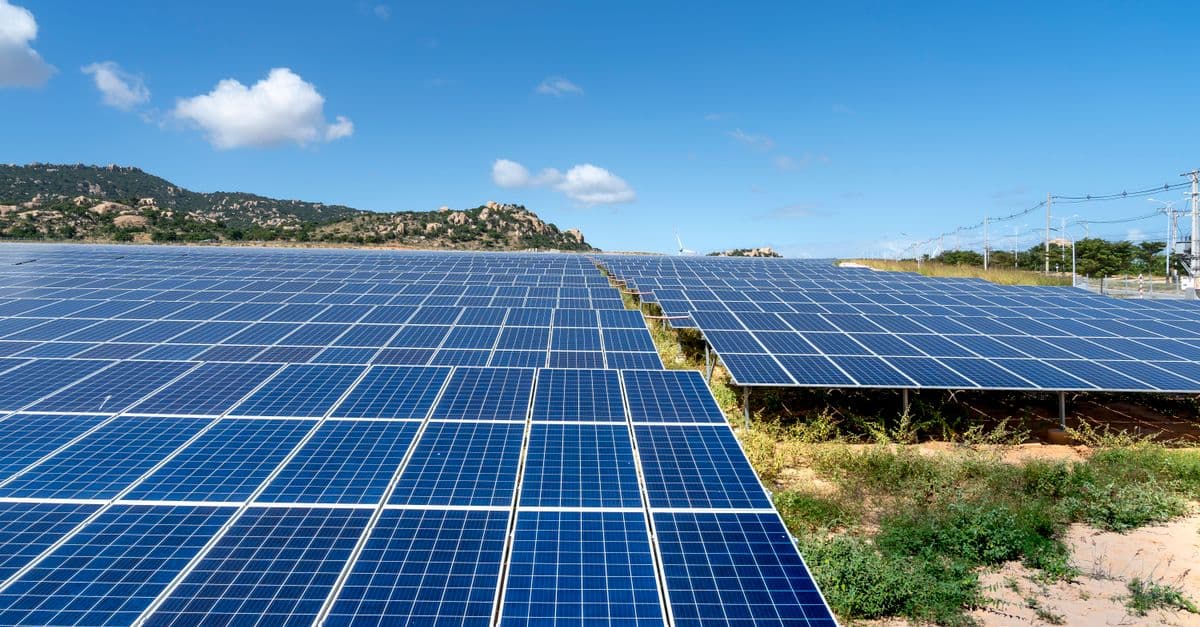
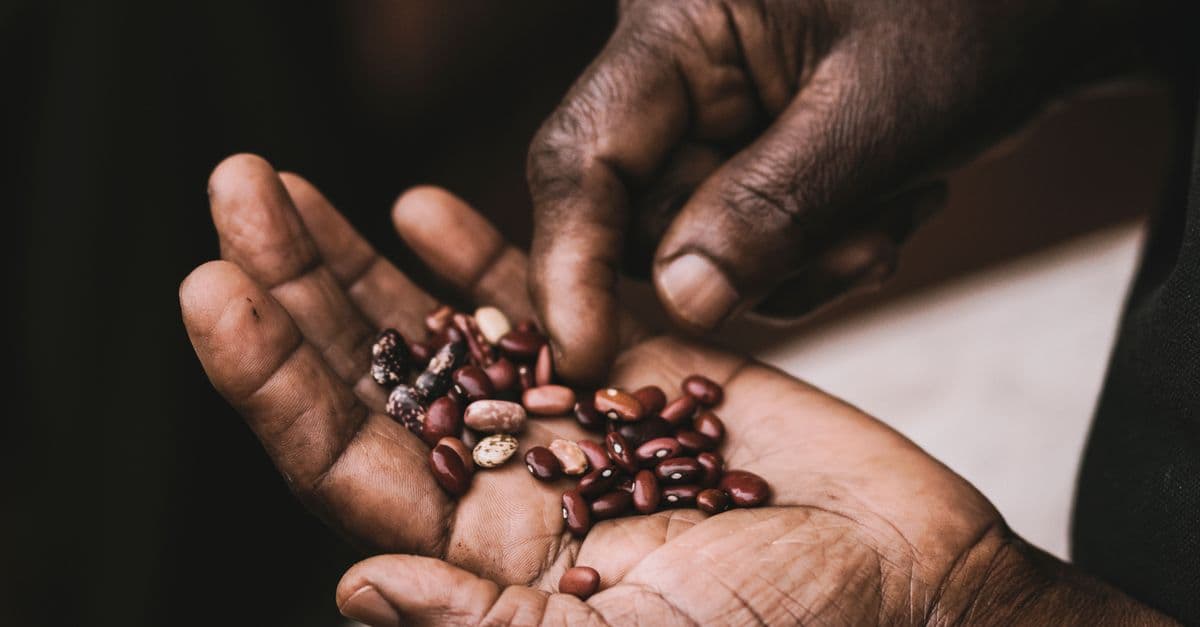
Photo: Quang Nguyen Vinh / Pexels
The banana on your breakfast table may have been grown in Ecuador, loaded onto a refrigerated container ship in Guayaquil, transited the Panama Canal, offloaded in Rotterdam, trucked to a distribution centre in Germany, and then driven to a supermarket near you — in under 20 days, still fresh, costing less than €0.30. This is a logistical miracle that we experience as completely ordinary.
The global food supply chain feeds 8 billion people with astonishing efficiency. It also contains vulnerabilities that geopolitical crises, pandemics, and climate change can expose with frightening speed. The COVID-19 pandemic provided a preview. The Russia-Ukraine war in 2022 provided another. The full fragility has not yet been tested.
Key takeaways
- Global food trade has tripled since 1990; most countries are net importers or exporters of significant food categories.
- Just 4 countries (U.S., Canada, Australia, France) account for a majority of global wheat exports.
- The global food system runs with less than 90 days of buffer stock on average.
- Fertiliser — particularly nitrogen produced using natural gas — is a key chokepoint; disruptions ripple through food prices globally.
- Climate change will increasingly stress agricultural systems at the same time that geopolitical tensions threaten trade networks.
The basics: how food moves globally
The contemporary global food system has three major components:
Agricultural production
Certain regions have comparative advantages in producing particular foods:
- Grain (wheat, corn, soybeans): U.S. Midwest, Ukrainian and Russian steppes, Northern China, the Pampas of Argentina and Brazil.
- Rice: Primarily South and Southeast Asia.
- Meat: U.S., Brazil (beef and poultry), Australia (beef), EU (pork and dairy).
- Fruits and vegetables: Year-round production near the equator (Latin America, Africa) supplies temperate markets out of season.
- Coffee and cocoa: Tropics — West Africa dominates cocoa (Ivory Coast and Ghana produce ~65% of global supply); Brazil, Colombia, Vietnam dominate coffee.
Logistics and transport
Food moves by ship (the majority of international trade by volume), road, rail, and air (only for high-value perishables). The container shipping system, developed from the 1950s onward, transformed global trade by dramatically reducing the cost and time of shipping.
Key infrastructure: the Panama Canal, the Suez Canal, major ports like Rotterdam, Shanghai, and Houston. A disruption at any of these chokepoints — like the 2021 Ever Given blocking the Suez Canal for 6 days — reveals the system's dependence on single points of failure.
Processing, distribution, and retail
Between production and consumption lies extensive processing, storage, transportation, and retail infrastructure. The majority of value added in food systems in wealthy countries occurs in processing and retail, not farming.
Major food corporations — ADM, Cargill, Bunge, Louis Dreyfus (the "ABCD" companies) — handle a dominant share of global grain trading. Four companies controlling majority of global grain trade is a concentration of power with significant geopolitical implications.
The fertiliser dependency
The modern food system is built on nitrogen fertiliser — primarily synthetic ammonia produced by the Haber-Bosch process, which combines nitrogen from the air with hydrogen (mostly from natural gas).
Without synthetic nitrogen fertiliser, global agricultural yields would fall dramatically — estimates suggest the world could feed only 3–4 billion people on current agricultural land without it. Approximately half the nitrogen in the proteins of the average human body today came through the Haber-Bosch process.
This creates a dependency chain: food production → nitrogen fertiliser → natural gas. Global gas price shocks translate directly into fertiliser price shocks, which translate into food price increases.
When natural gas prices spiked in Europe following Russia's 2022 invasion of Ukraine, European fertiliser production was curtailed significantly, driving global fertiliser prices to record highs and raising food costs worldwide — most severely in import-dependent developing countries.
Russia is the world's largest fertiliser exporter. Ukraine is a major wheat and corn exporter. Their combined share of global wheat exports is approximately 25–30%. The 2022 war disrupted both agricultural production and fertiliser supply simultaneously — a shock the global food system was poorly prepared to absorb.
The buffer problem
Modern supply chains are optimised for efficiency, not resilience. The just-in-time logistics model — minimising inventory to reduce costs — means buffer stocks are thin.
Global grain reserves at any given time amount to roughly 75–90 days of consumption. That sounds like a lot, but:
- Reserves are unevenly distributed — some countries have far more, others far less.
- Production is annual and lumpy; a poor harvest year depletes reserves rapidly.
- Export restrictions during crises (which countries routinely impose to protect domestic supply) can isolate importing nations.
During the 2008 food price crisis, several major exporters — including India, Vietnam, and others — imposed export bans on rice. Global rice prices tripled within months. Food riots occurred in over 30 countries.
Who is most vulnerable
The most food-insecure countries are those that:
- Import a large share of their food
- Have limited foreign exchange to pay for imports
- Have high population growth rates
- Are subject to climate variability
- Have limited political stability
Sub-Saharan Africa and parts of the Middle East (particularly Yemen, Syria, Lebanon, and the Sahel region) face the most severe structural food insecurity. Countries like Egypt, Lebanon, and Türkiye import a majority of their wheat — any disruption to global wheat markets affects them immediately.
Lebanon imports approximately 85% of its wheat, primarily from Ukraine and Russia. The August 2020 Beirut port explosion destroyed much of the country's grain storage infrastructure simultaneously with an economic collapse. Lebanon experienced severe bread shortages in 2022.
Climate change as a long-term stress
The agricultural system is calibrated to the climate of the 20th century. Climate change is systematically altering:
- Temperature zones. Crop growing ranges are shifting poleward. Some historically productive regions are becoming too hot; some northern regions are becoming viable.
- Precipitation patterns. The regions that need rain are often getting less; flood risk is increasing in others.
- Extreme weather events. Droughts, floods, and heat waves that devastate harvests are becoming more frequent.
- Ocean acidification. Threatening the fisheries that provide protein for billions.
A 2021 study in Nature Food projected that unmitigated climate change could reduce global crop yields by 10–25% by mid-century even as demand continues growing. The agricultural productivity gap — the gap between food supply and demand — could widen significantly.
The interaction of climate stress with geopolitical stress (conflict, sanctions, trade restrictions) creates compound risk scenarios that the global food system has never been tested against simultaneously.
What greater resilience would look like
Economists and food security researchers generally agree on several approaches:
Strategic reserves. Countries and international bodies could maintain larger buffer stocks of staple grains, with agreements to share in crises.
Supply diversification. Countries highly dependent on a single source for critical imports are vulnerable; diversifying supply chains — even at some efficiency cost — improves resilience.
Reduced fertiliser dependency. More widespread use of nitrogen-fixing crops, precision fertiliser application, and regenerative agriculture practices could reduce dependency on synthetic nitrogen.
Reduced food waste. Roughly one-third of all food produced globally is lost or wasted. Improving storage, distribution, and consumer behaviour could substantially reduce food demand without reducing calories available.
Climate-resilient agriculture. Developing and deploying drought-tolerant, heat-resistant crop varieties is essential for maintaining yields in warming conditions.
Frequently asked questions
Could the world feed itself without global trade?
Not at current population levels without dramatic shifts in diet and agricultural practice. Some countries could be self-sufficient; others (particularly small, dense, resource-poor nations like Singapore, Japan, and many Middle Eastern states) cannot produce sufficient calories domestically.
Is organic farming sustainable at global scale?
Current evidence suggests organic yields are 20–25% lower than conventional on equivalent land. To feed 8+ billion people organically would require significantly more agricultural land, likely requiring deforestation. The sustainability case for organic is strongest in specific contexts; a global switch is not straightforwardly possible without major diet changes or land conversion.
How did the global food system handle COVID-19?
Better than many feared at the outset. The primary disruption was in processing and logistics (meatpacking plants closed, ports slowed) rather than agricultural production. Food prices rose significantly. The greater test was in lower-income countries where economic contraction reduced purchasing power. The number of food-insecure people globally increased by over 100 million in 2020.
What is the role of the World Food Programme?
The WFP is the world's largest humanitarian organisation, delivering food assistance to approximately 150 million people annually in crisis situations — conflicts, disasters, economic collapse. It is a crucial buffer for the most severe food insecurity but cannot address structural food system vulnerabilities.
The bottom line
The global food supply chain is an extraordinary achievement — moving food from where it grows to where it's needed with efficiency that makes abundance possible for most of the world's population. It is also built for optimisation rather than resilience, concentrated in a small number of critical inputs and chokepoints, and calibrated to a climate that is changing faster than agricultural systems can easily adapt. The vulnerabilities are not hypothetical — recent crises have revealed them clearly. Building a food system resilient enough to survive the next century requires investment, coordination, and political will that is currently not present at the necessary scale.
Related Reading
- Why Coffee Could Disappear — The Science of Climate Change and Your Morning Cup
- Climate Change Explained — The Science, Causes, and Consequences
- How Do Wind Turbines Work — and Can They Power the World?
- How the Large Hadron Collider Works — And What It's Searching For
- Countries That Produce the Most Food (2025)
Follow new articles
Add SciHub101 to your feed reader to see new science and technology stories.
About the Author
SciHub101 is an independent science and technology publication founded and edited by Buğra Sözeri, a software engineer and app developer based in Türkiye. AI tools assist with drafting and research. Source documentation in the existing archive is uneven, and articles are being reviewed and corrected. The Editorial Team byline identifies editorial responsibility; it does not certify specialist or independent human review. Where we compare products, anything built by our own team is labelled as such — see the editorial guidelines and About page for how corrections and disclosures work.
Related Articles
Why Coffee Could Disappear — The Science of Climate Change and Your Morning Cup
Coffea arabica survives in a narrow climate band that is shrinking fast. Here is the science behind why your morning cup is under threat — and what the coffee industry is racing to do about it.
The Biodiversity Collapse: Why Species Are Vanishing Faster
Species are disappearing tens to hundreds of times faster than the long-run average, and monitored wildlife populations have fallen by about three-quarters since 1970. Here is what the numbers mean, what drives the loss, and what has worked.
AI & Sustainable Agriculture: Feeding 10 Billion Without Destroying the Planet
How machine learning cuts fertilizer and herbicide use, catches disease early, and pushes yield up without expanding farmland.

AI in Sustainable Agriculture: How Crop Yield Prediction Is Changing Farming
Machine learning models are helping farmers grow more food with fewer resources, reducing waste and environmental impact at scale.
Countries with the Most Agricultural Land (FAO 2022 Ranked)
The United States has the most agricultural land at about 421 million hectares, ahead of China and Australia. But India has the most cropland, Kazakhstan has the most arable land per person, and most of the world's farmland is pasture. Here is who has what, and what threatens it.
Best Free Hydroponic Calculators and References 2026
Best free hydroponic calculators and references in 2026: Rootless Farm for crop profiles and 18 tools, plus five university and open tools, with limits.