
Inventions
Artificial Fertilizer: The Invention That Feeds Half the World
How Fritz Haber and Carl Bosch synthesized nitrogen from air in 1909–1913, feeding billions — and triggering an environmental crisis that still grows.
11 articles tagged with #food security
How Fritz Haber and Carl Bosch synthesized nitrogen from air in 1909–1913, feeding billions — and triggering an environmental crisis that still grows.
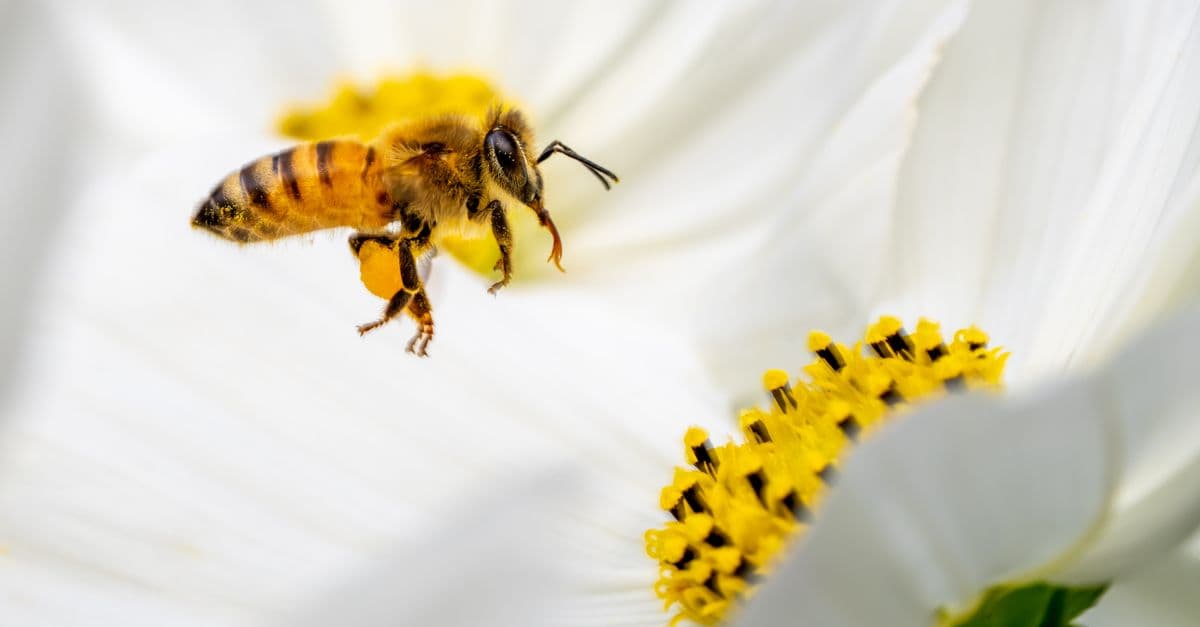
Bees pollinate $235B in crops yearly. If they vanished, almonds, apples, and coffee would collapse — but humanity wouldn't starve. Here's why.
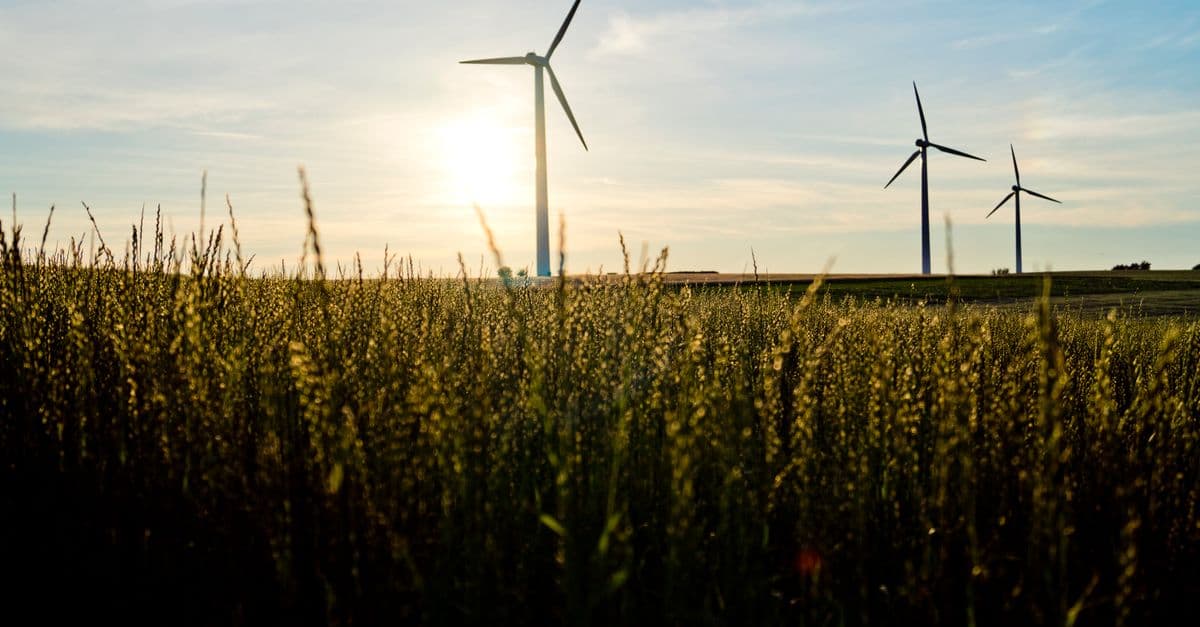
How machine learning cuts fertilizer and herbicide use, catches disease early, and pushes yield up without expanding farmland.
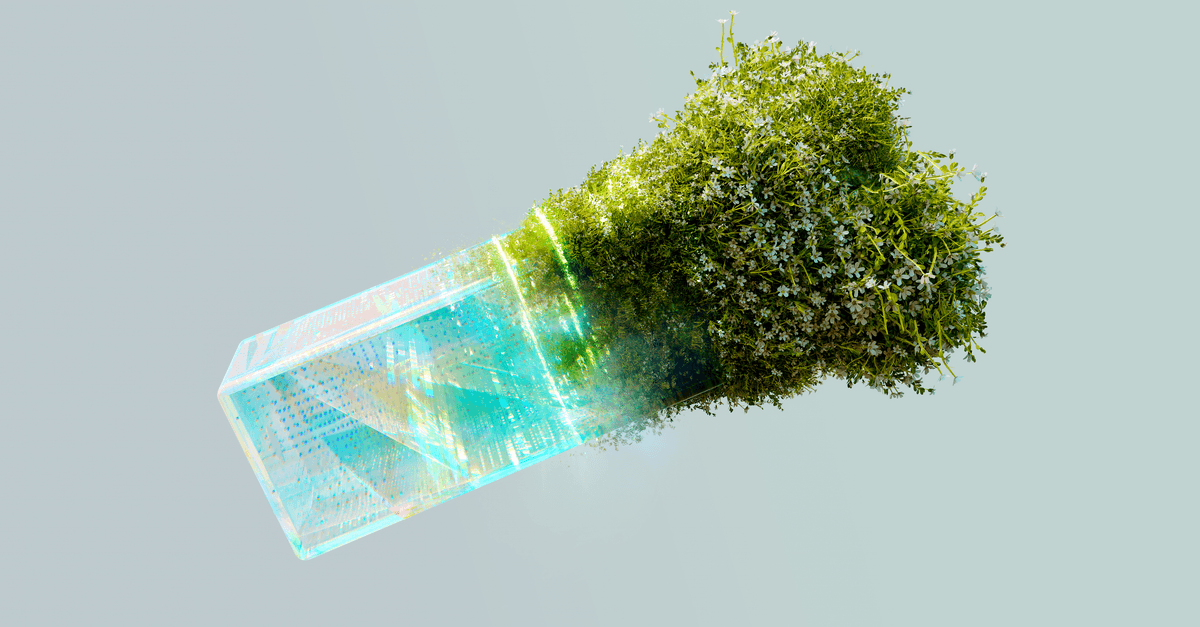
Machine learning models are helping farmers grow more food with fewer resources, reducing waste and environmental impact at scale.
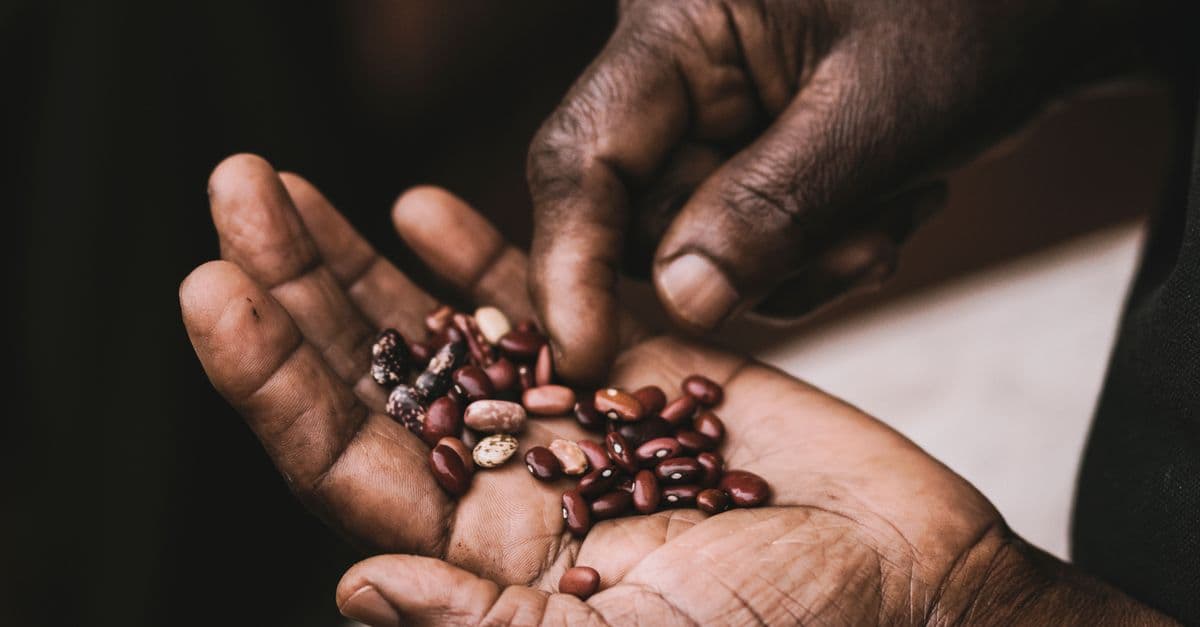
The United States has the most agricultural land at about 421 million hectares, ahead of China and Australia. But India has the most cropland, Kazakhstan has the most arable land per person, and most of the world's farmland is pasture. Here is who has what, and what threatens it.
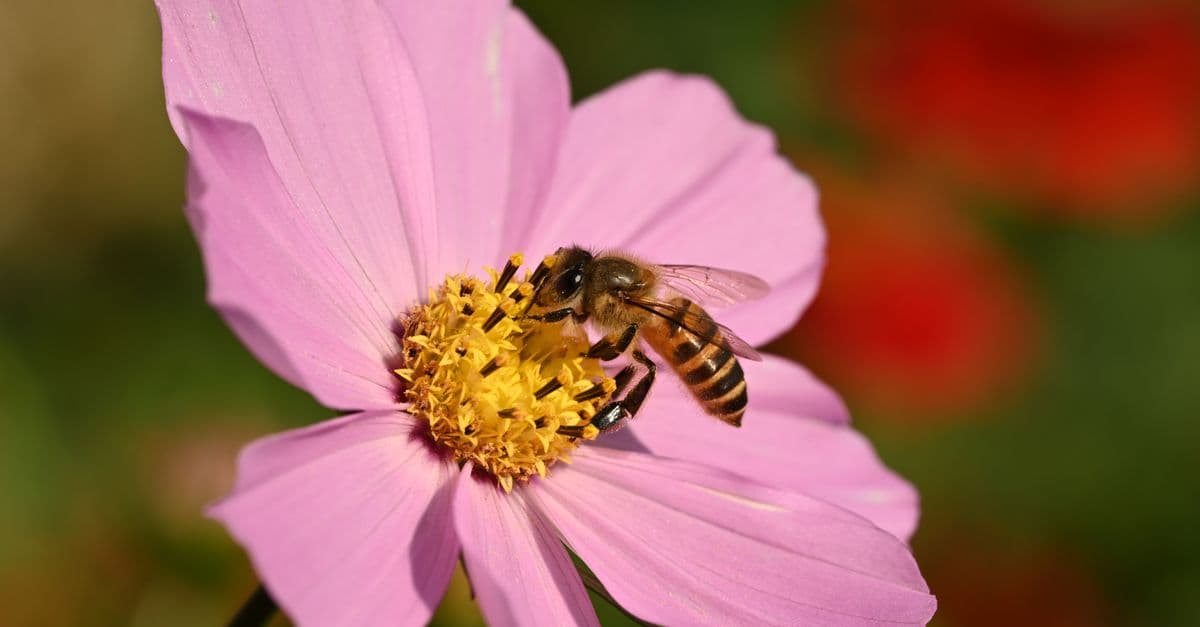
Bees pollinate roughly one-third of the food we eat. If they vanished, our diets would collapse to staple grains, the prices of fruits, nuts, and vegetables would soar, and entire ecosystems built on flowering plants would unravel within a generation.
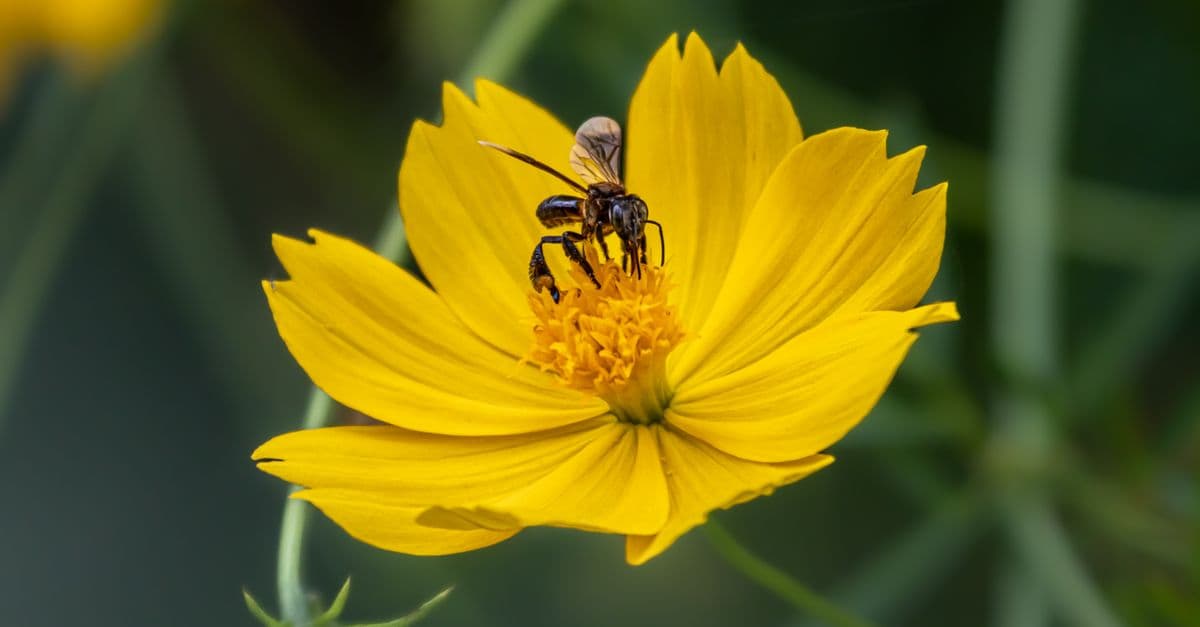
Insects pollinate roughly three-quarters of food crop types, recycle dead plants and animals, aerate soil, and feed countless animals. If they vanished overnight, terrestrial ecosystems would unravel within a few years and most of agriculture would fail.
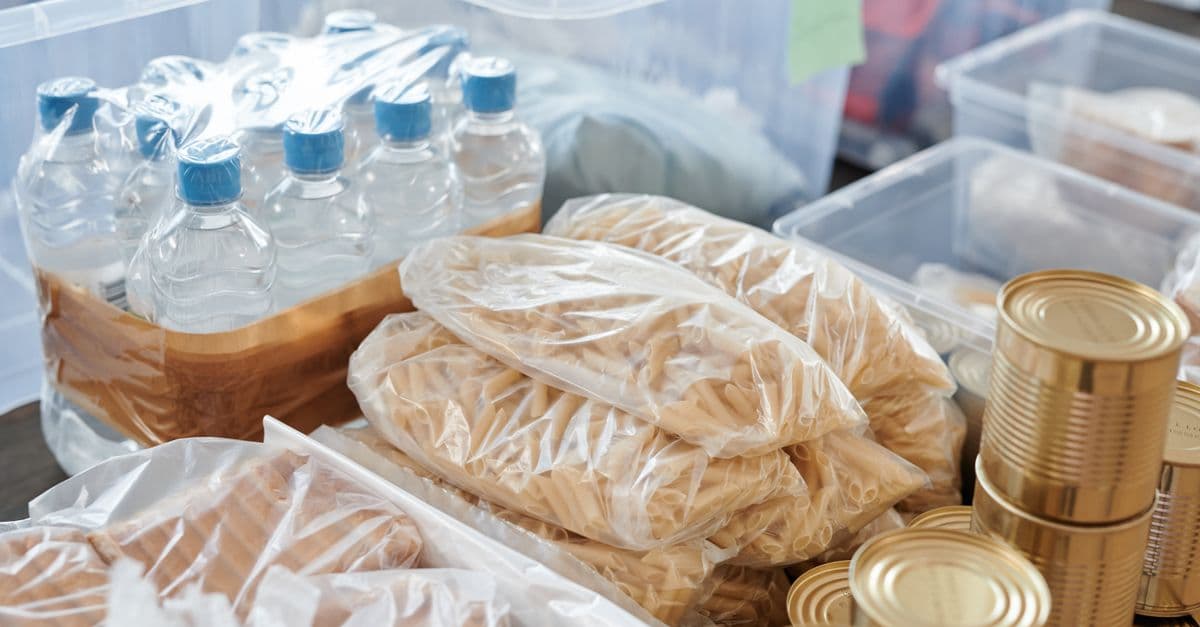
673 million people were undernourished in 2024 — 8.2% of the global population — according to the FAO's State of Food Security and Nutrition in the World 2025 report. Sudan's civil war created a declared famine in 2024, the first anywhere in the world since Ethiopia in 2011. The world produces 1.5 times the calories needed to feed everyone. Hunger is not a production problem.
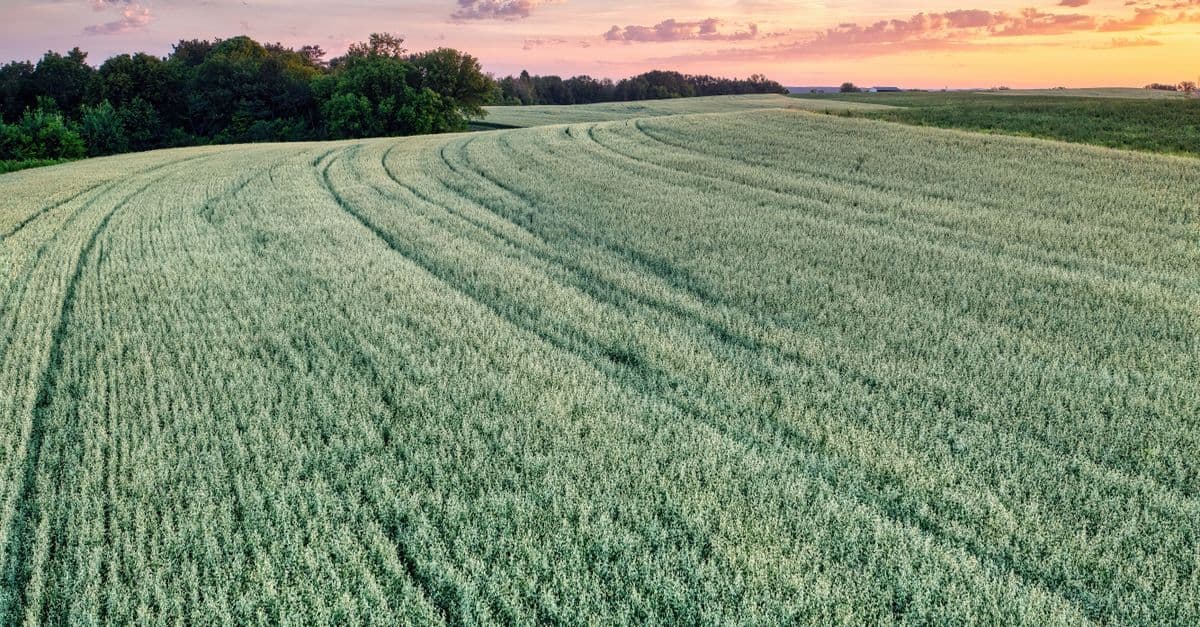
India and the United States each farm roughly 150 million hectares of arable land, with Russia and China next. Yield, water, and soil decide what that land actually feeds. Here is the ranking and what it leaves out.
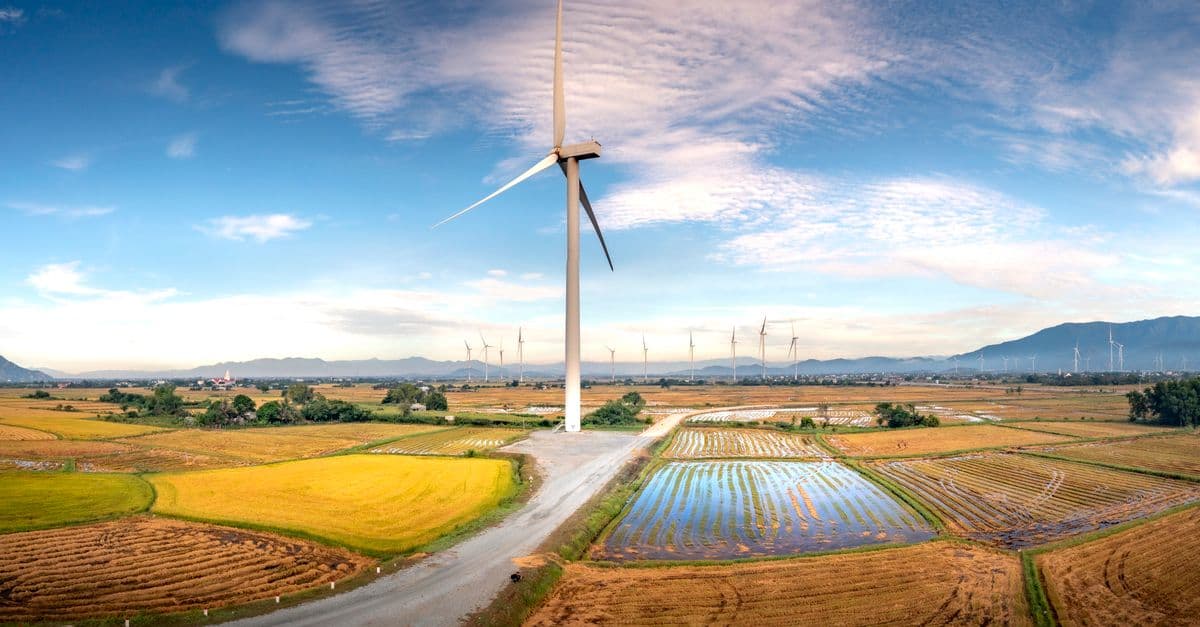
China leads almost every broad measure of food output, but the ranking changes with the metric. Here is who leads by value added, by staple crop tonnage, and by meat and milk, with sources and caveats.
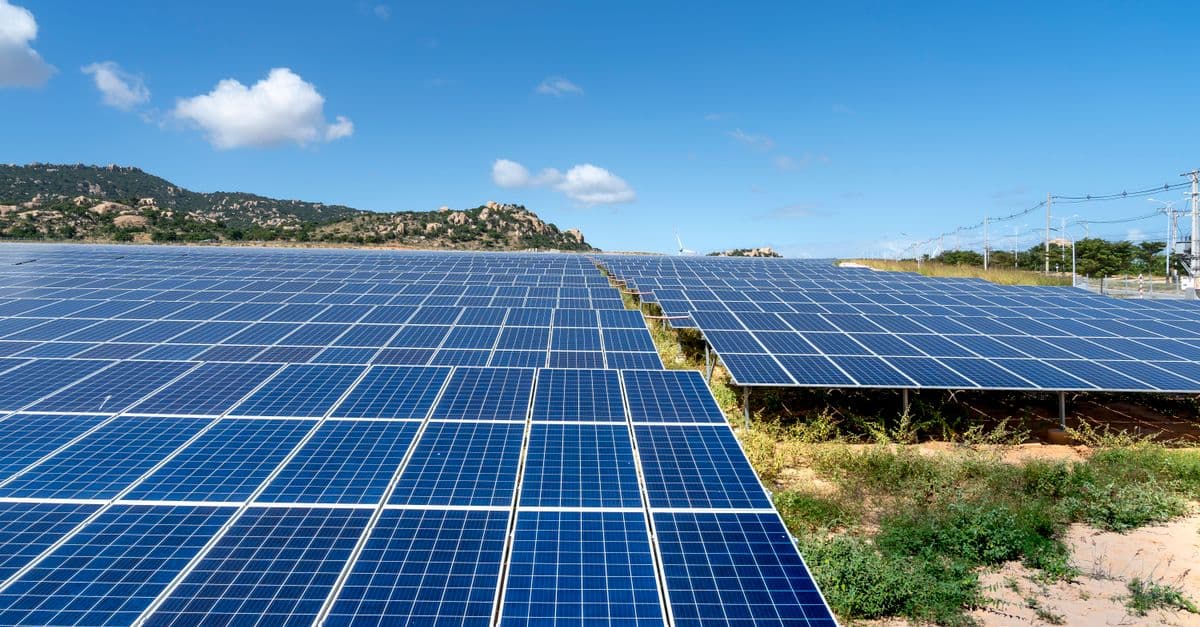
The food on your plate travelled thousands of kilometres through a complex chain involving dozens of countries. This system is extraordinarily efficient — and dangerously brittle. Here's how the global food system actually works.