
Latest Sustainability News
Climate change and sustainability news: renewable energy, clean technology, environmental policy, and green innovation updates.




Sustainability
How Does Carbon Capture Work? The Chemistry of Removing CO₂
Carbon capture removes CO₂ by chemical absorption or adsorption. Here's the molecular machinery behind point-source and direct air capture, the energy cost that limits scale, and why the physics is harder than the marketing suggests.

Sustainability
Direct Air Capture: How It Works, What It Costs, and Where It Fits
Direct air capture (DAC) machines pull carbon dioxide out of ambient air with chemical sorbents or solvents, then release it as a pure stream for storage or use. The technology works. The constraint is energy and cost: reported prices run from about $600 to more than $1,000 per tonne, and operating capacity is a tiny fraction of annual emissions.

Sustainability
Electric Vehicles and the Power Grid: How Mass EV Adoption Reshapes Electricity Demand
As electric vehicles proliferate globally, the power grid faces an unprecedented challenge: peak charging demand from 100 million EVs will add 200–400 GW of simultaneous load equivalent to 50–100 large coal plants coming online at once. Grid operators must manage demand response, deploy smart charging, enable vehicle-to-grid (V2G) technology, and upgrade distribution infrastructure from local substations to generation capacity. The real numbers show both feasibility and urgency — nations planning 50% EV adoption by 2035 are already implementing $100+ billion grid modernization programs, and the grid's ability to absorb uncontrolled charging without brownouts hinges on sophisticated load balancing within the next five years.

Sustainability
Fast Fashion's Environmental Cost and What to Do About It
Fast fashion's footprint comes mostly from making and discarding clothes, not wearing them. This article sorts the well-supported numbers on water, carbon, microplastics, and waste from the disputed ones, and shows which responses have evidence behind them.

Sustainability
How Climate Change Is Affecting Your Daily Life
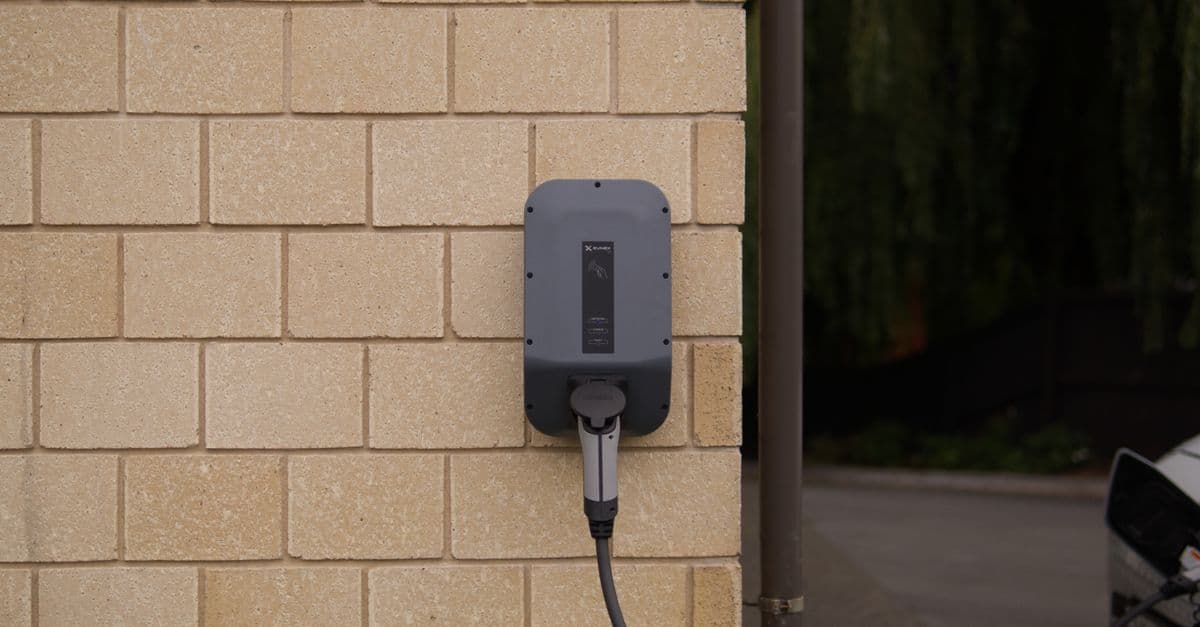
Climate change is not a future event that will arrive later. It is already changing the price of your coffee, the length of your allergy season, the cost of your home insurance, the availability of water in your tap, and the heat outside your window. The effects are measurable, attributed to specific climate mechanisms by peer-reviewed science, and accumulating across every aspect of daily life in 2026. This article maps the concrete pathways — with numbers — from global warming to your daily experience.
Sustainability
How to Choose the Best Electric Vehicle in 2026: A Practical Guide to Range, Charging, Battery, Cost, and Use Cases
Choosing an electric vehicle in 2026 requires evaluating six factors: daily driving distance versus battery range (a mismatch makes ownership difficult), charging infrastructure availability in your region (home charging access is critical), total cost of ownership over five years (including electricity, maintenance, and depreciation), vehicle type and use case (SUV vs. sedan vs. truck), battery warranty and degradation expectations, and BEV (battery electric) versus PHEV (plug-in hybrid) tradeoffs. A 200-mile-range EV costs $35,000–$55,000 and can operate in virtually any climate with proper charging planning; a 300+ mile range vehicle adds $5,000–$15,000 but eliminates range anxiety. This guide walks through the practical evaluation framework and provides a comparison table of 2026 models across five vehicle categories.
Sustainability
How to Reduce Your Carbon Footprint: 20 High-Impact Actions (Ranked by Real Data)
The average person in a high-income country produces 16 metric tons of CO2-equivalent emissions annually. Half of this comes from four categories: transportation (27 percent), energy (home heating/cooling and electricity, 25 percent), food (14 percent), and consumption (goods and packaging, 14 percent). Reducing your carbon footprint requires action in these four areas. However, the impact varies dramatically. Flying four times per year generates 2 metric tons (12 percent of your footprint); driving 10,000 miles generates 2 metric tons; eating meat 5 times weekly for a year generates 0.5 metric tons. A household reducing driving 50 percent saves 1.5 metric tons per year; switching to a renewable-energy grid saves 2–4 metric tons annually; adopting a plant-dominant diet saves 0.3–1 metric ton per year. This guide ranks reduction actions by real-world impact (based on life-cycle assessment studies and carbon accounting data), separates high-impact actions from feel-good gestures, and addresses the systemic limitations of individual action. The highest-impact step is also the most difficult: reduce air travel. The second-highest is home energy efficiency. The third is dietary shift. Together, these three actions can reduce emissions by 40–60 percent; the remaining 20 actions add incremental improvements.

Sustainability
How to Reduce Your Electricity Bill: 15 Proven Tips Ranked by Real Savings
The average U.S. household spends $1,600–$2,400 annually on electricity, with heating and cooling accounting for 40–50% of consumption. Water heating, appliances, and standby phantom load account for most of the remaining consumption. Reducing electricity consumption requires prioritizing actions by impact: upgrading HVAC efficiency (15–25% savings), improving home insulation (15–20% savings), installing a heat pump water heater (40–50% water heating savings), replacing old refrigerators and washing machines (20–30% appliance savings), eliminating phantom load (5–10% savings), and optimizing lighting. A typical homeowner implementing these 15 actions saves $300–$600 annually (20–25% reduction in bills), with payback periods of 3–8 years through lower energy bills and modest maintenance cost reductions.