Biology & Health
Animal Sleep: How Different Species Sleep (And Why Some Barely Sleep at All)
Elephants sleep 2 hours a night. Koalas sleep 22 hours. Dolphins sleep with one eye open. Sleep is stranger across the animal kingdom than you imagined.
35 articles tagged with #animals
Elephants sleep 2 hours a night. Koalas sleep 22 hours. Dolphins sleep with one eye open. Sleep is stranger across the animal kingdom than you imagined.
Dogs can read human emotions, follow pointing gestures, and understand hundreds of words — abilities even our closest primate relatives often lack.
Below 200 meters, there is no sunlight — yet roughly 76% of deep-sea animals produce their own light. The deep ocean is full of living lanterns.
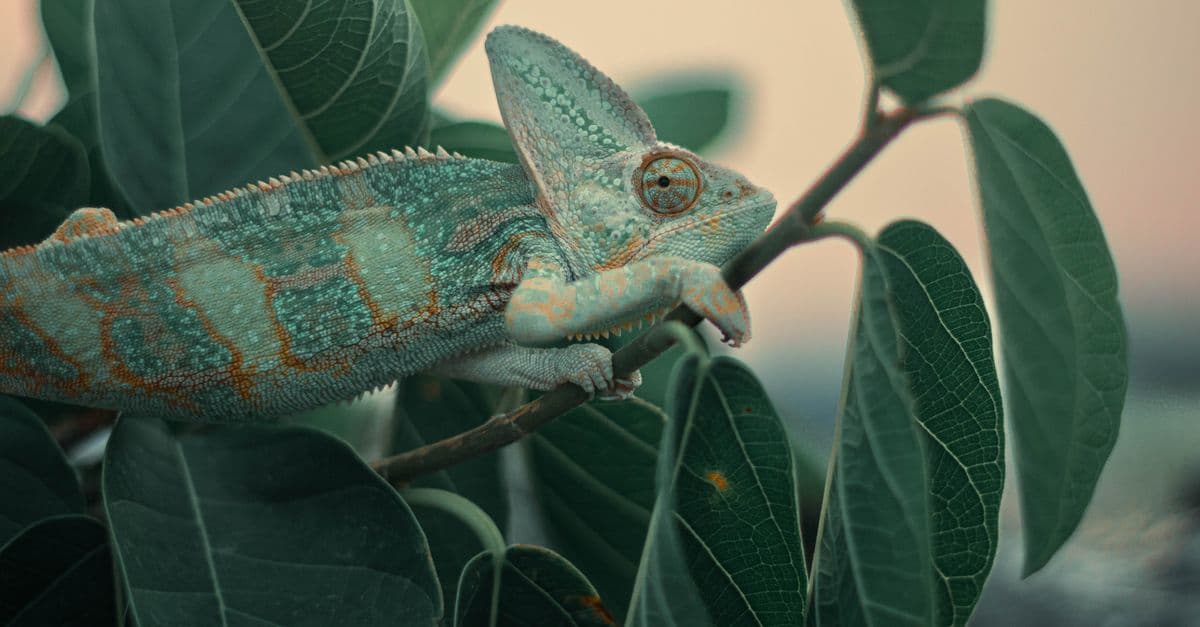
Chameleons don't change color with pigment — they tune light like a crystal, rearranging nanostructures to shift wavelengths in seconds.
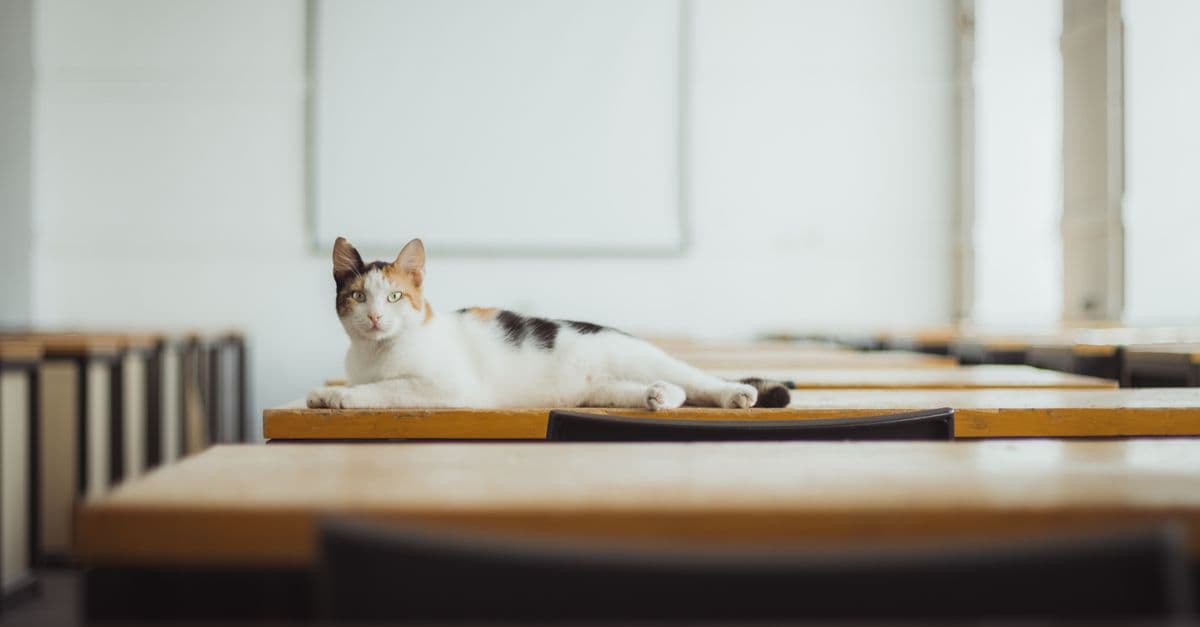
Cats purr when happy, but also when injured, dying, or stressed. The vibration may be self-medicating — healing bones at 25–50 Hz.
No ant understands the colony. Yet together, millions of them build cities, fight wars, farm crops, and solve optimization problems that stump computers.
A bar-tailed godwit flies 11,000 km non-stop from Alaska to New Zealand. How animals navigate across hemispheres remains one of biology's great mysteries.
Bats build a 3D map of the world from sound echoes — a sensory system so precise it can detect a wire 0.3mm thick in total darkness.
Elephants remember watering holes used decades ago and recognize family members after 23 years apart. Here's the science behind that.
Octopuses have nine brains, blue blood, and three hearts — and their intelligence evolved completely independently from ours.
No single survey ranks every country by pets. What national surveys do show: 95 million US households own a pet, 49% of European households do, and Japan has more dogs and cats than children.