Skip to content
ISSUE 11.08.26/24 CATEGORIES

animals

35 articles tagged with #animals

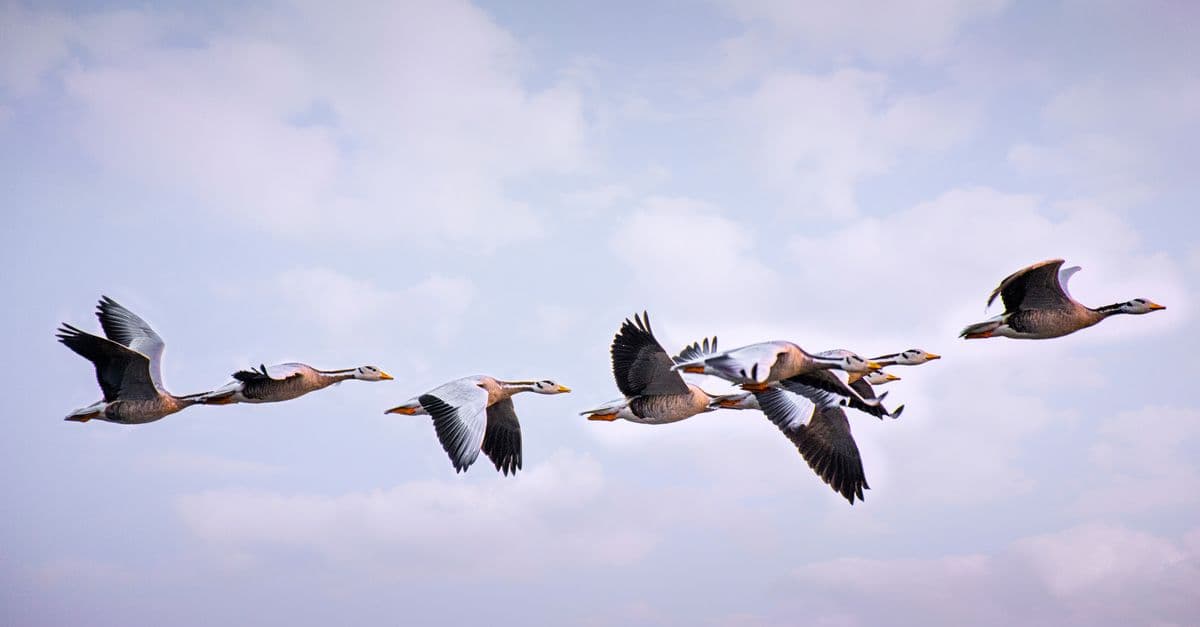
Side view of bar headed geese flipping wings while floating together over cloudy sky
Animals

How Do Birds Migrate Thousands of Miles: Navigation, Fat, and Flight

An Arctic tern chick hatches in Greenland, fledges, and within weeks makes its first 70,000 km round-trip migration to Antarctica — a journey it has never made before, with no experienced adult to follow. By the end of its 30-year life, it will have flown the equivalent of three trips to the Moon and back. The mechanisms behind this feat involve quantum physics, internal clocks, and a navigation system more sophisticated than anything human engineers have yet replicated.
Editorial Team·June 2, 2026·18 min
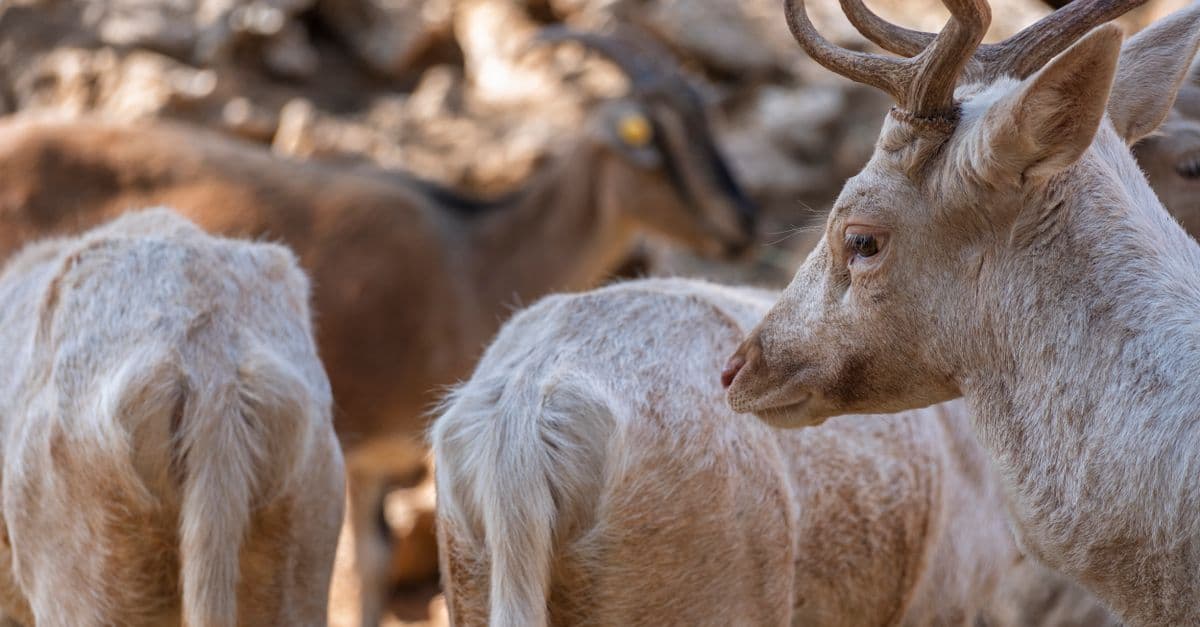
Group of deer with antlers in a sunny forest setting, showcasing wildlife beauty.
Animals

The Science of Animal Regeneration: How Axolotls, Planarians, and Starfish Rebuild Themselves

An axolotl can regrow an amputated limb — including bones, nerves, blood vessels, muscle, and skin — in perfect working order within six weeks. It can also regrow portions of its brain, heart, and spinal cord. A planarian flatworm cut into 200 pieces will grow 200 new worms, each complete. The genetics behind these abilities are not alien to mammals; we have most of the same genes. The question is why we stopped using them.

Editorial Team·June 2, 2026·16 min
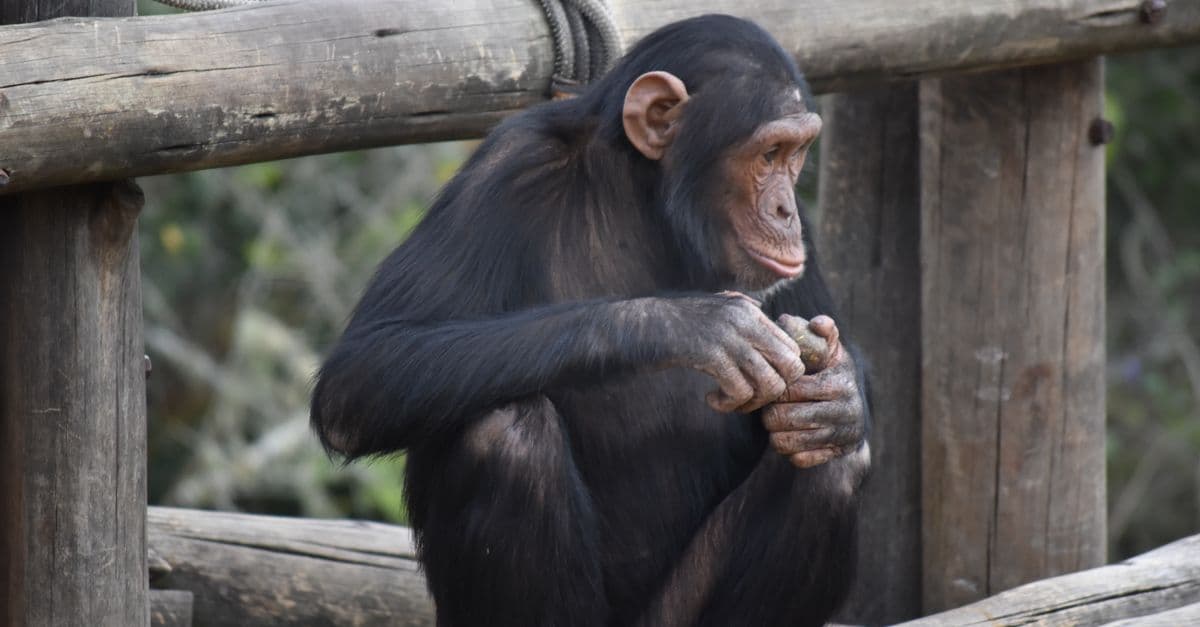
Close-up of a chimpanzee sitting on wood, South Africa. Captured outdoors.
Animals

The Smartest Animals Explained: How Science Measures Animal Intelligence

A New Caledonian crow can manufacture a hooked tool from a strip of wire it has never encountered before to retrieve food from a tube. A bottlenose dolphin calf recognizes itself in a mirror at seven months — something a human child cannot do until age two. Defining animal intelligence turns out to be one of the most revealing questions in all of science.

Editorial Team·June 2, 2026·19 min
A beautiful close-up shot of exotic marine fish swimming gracefully in the dark ocean waters.
Animals

The Deepest Sea Creatures Explained: Life at the Bottom of the Ocean

At 8,000 meters below the Pacific surface, pressure exceeds 800 atmospheres — enough to crush a submarine hull — and no sunlight has penetrated for geological eons. Yet animals live there, and not just survive: they thrive in communities as dense and diverse as any shallow reef. The hadal zone is where life tests what it can endure, and the answers have rewritten basic biology.

Editorial Team·June 2, 2026·15 min
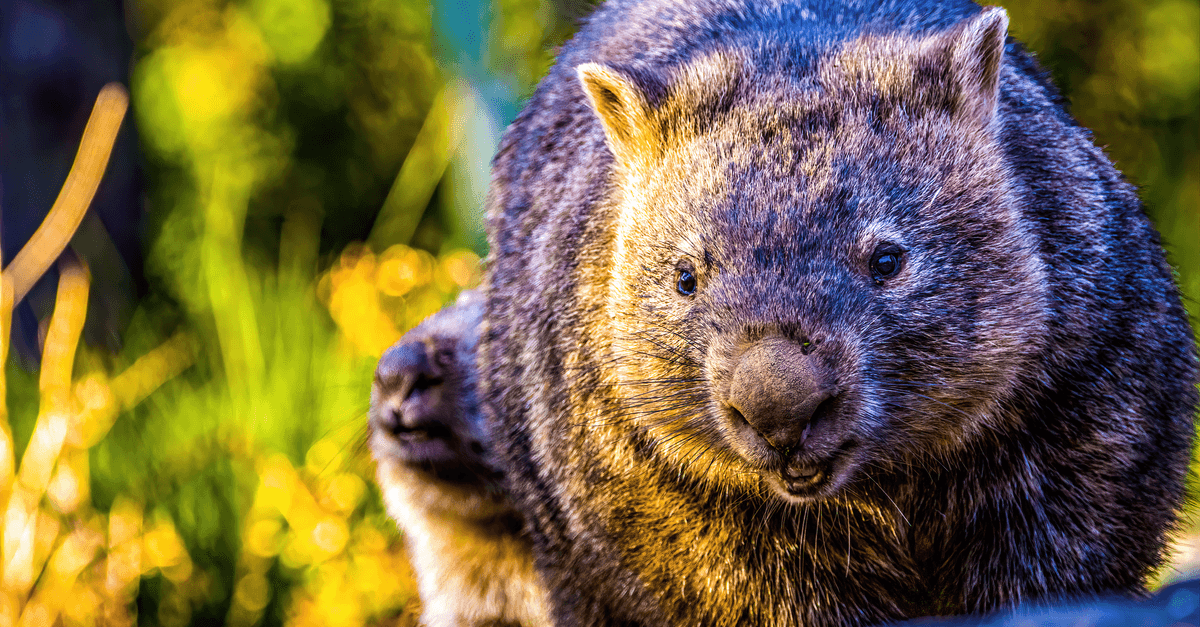
Close-up of a wombat in Kangaroo Valley, showcasing its natural habitat and vibrant fur detail.
World Records

The Largest and Smallest Animals: Blue Whales, Tiny Frogs, and the Physics of Size

The blue whale is the largest animal known to have ever existed on Earth — heavier than any dinosaur, longer than three school buses, with a heart the size of a small car. At the other extreme, *Paedophryne amauensis*, a frog from Papua New Guinea, reaches a maximum body length of 7.7 mm — smaller than a blueberry, light enough to balance on a fingernail. Between these two poles, the animal kingdom spans roughly seven orders of magnitude in body length. These extremes are not accidents: they are set by specific physical constraints that dictate how small a warm-blooded body can be, how large a land animal can get, and why the ocean enables sizes impossible on land.

Editorial Team·June 2, 2026·16 min
A gray cat lounging comfortably amidst vintage vinyl records and warm lighting indoors.
World Records

The Strongest Animals by Relative Strength: Beetles, Ants, and the Science of Scaling

A horned dung beetle weighing less than 2 grams can pull a load equivalent to 1,141 times its own body weight — the equivalent of an average adult human dragging two fully loaded 18-wheel trucks simultaneously. A tropical mite just 1 mm long generates a pull force 1,150 times its body weight. These numbers are not accidents of evolution: they follow directly from a physical law called the square-cube relationship, which guarantees that smaller animals will always be stronger relative to their size than larger ones. Understanding why reveals something fundamental about the limits of scale in biology.

Editorial Team·June 2, 2026·17 min