Skip to content
ISSUE 11.08.26/24 CATEGORIES

animals

35 articles tagged with #animals

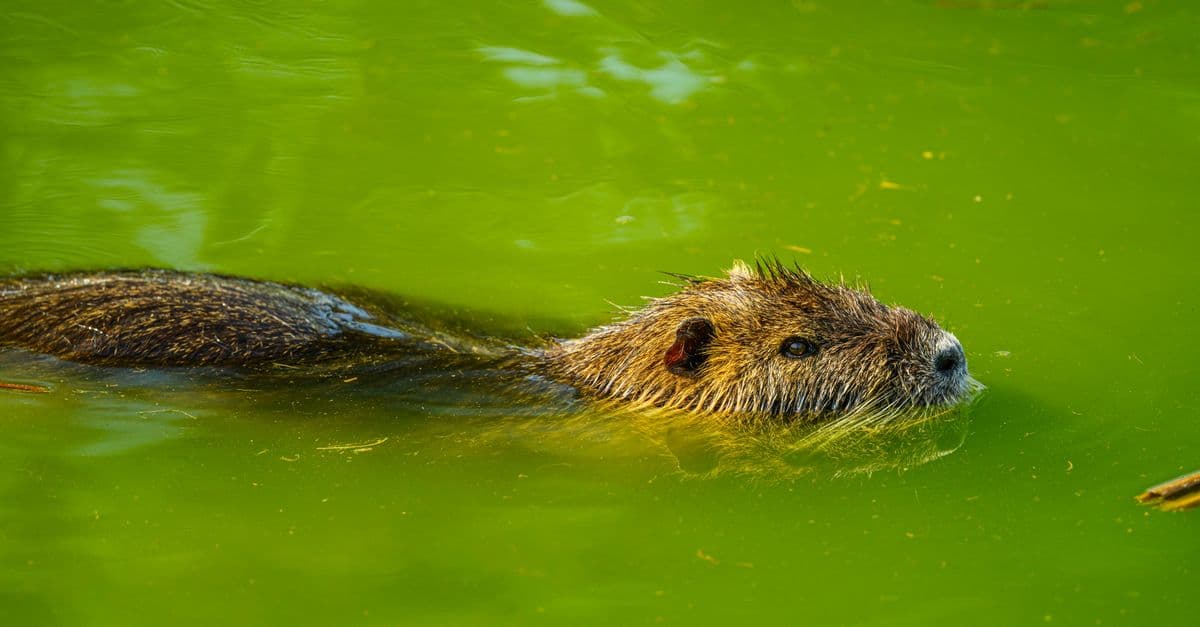
A close-up of a beaver swimming in a pond with vibrant green water.
World Records

The Deadliest Animals in the World: The Tiny Killer That Beats the Lion

Ask which animal kills the most people and the mind jumps to sharks, lions, or crocodiles. The real answer is something you've swatted without a second thought: the mosquito, which killed an estimated 597,000 to 610,000 people in 2023 and 2024 alone — more than every large predator combined, many times over. The deadliest animals on Earth aren't the biggest or fiercest. They're the ones that carry disease, and the ranking overturns almost everything our instincts tell us.
Editorial Team·June 15, 2026·16 min
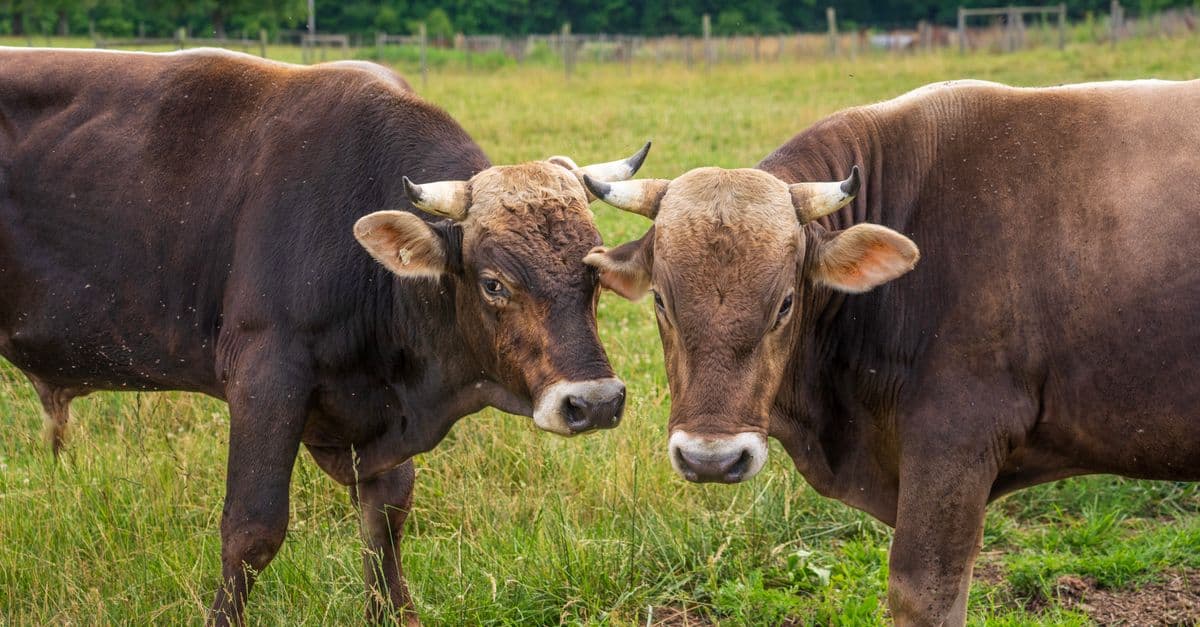
Close-up of two brown cows with horns relaxing in a green pasture.
Animals

How Animals Were Domesticated: Genetics, Behavior, and the Domestication Syndrome

Dogs diverged from wolves at least 15,000 years ago — possibly 40,000 years ago — and the transformation involved not just behavioral tameness but a cascade of physical changes no one selected for: floppy ears, piebald coats, shortened snouts, reduced brain volume. The same cluster of traits appears in domesticated cattle, pigs, horses, and foxes bred in a 60-year Russian experiment. This pattern has a name, a mechanistic explanation, and implications for understanding a transition that reshaped the human species.

Editorial Team·June 2, 2026·18 min
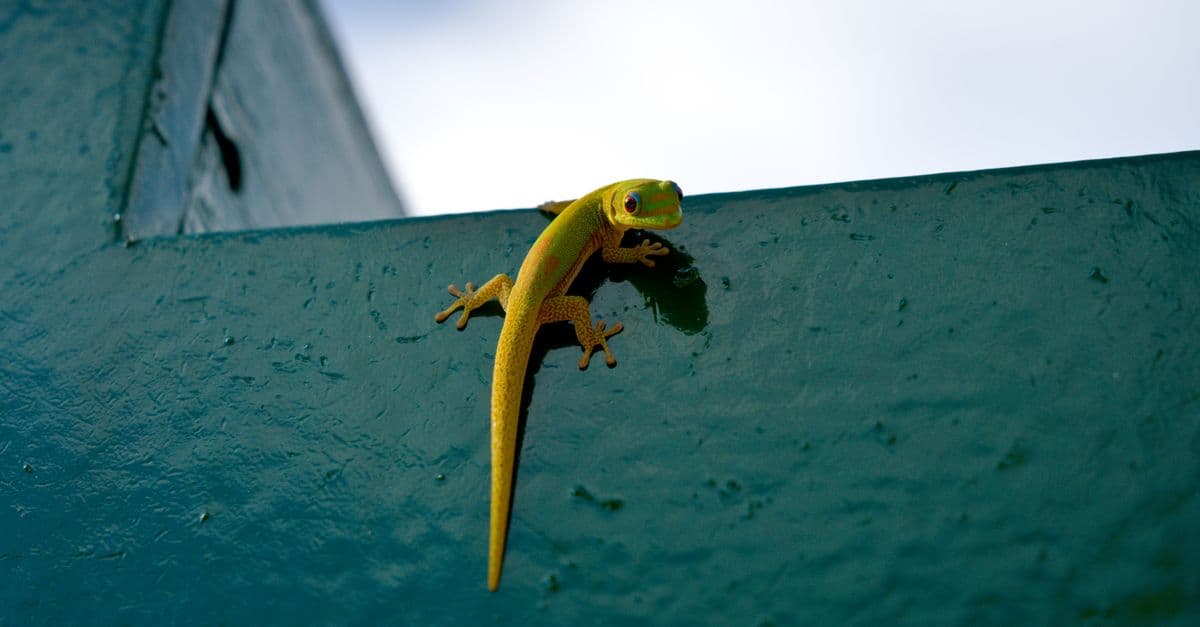
A vibrant gecko clinging to a green wall under a clear sky. Perfect for nature-themed content.
Animals

How Geckos Stick to Walls: Van der Waals Forces and Dry Adhesion

A gecko weighing 70 grams can hang from a ceiling by a single toe. The adhesive force available from its feet has been measured at approximately 20 Newtons — enough to support the weight of roughly 40 geckos simultaneously. No glue is involved. No suction cups. The mechanism is quantum-mechanical: trillions of nanoscale hair structures bring gecko toe pads into such intimate contact with surfaces that the quantum interactions between electrons in adjacent molecules provide enough combined force to defy gravity.

Editorial Team·June 2, 2026·15 min
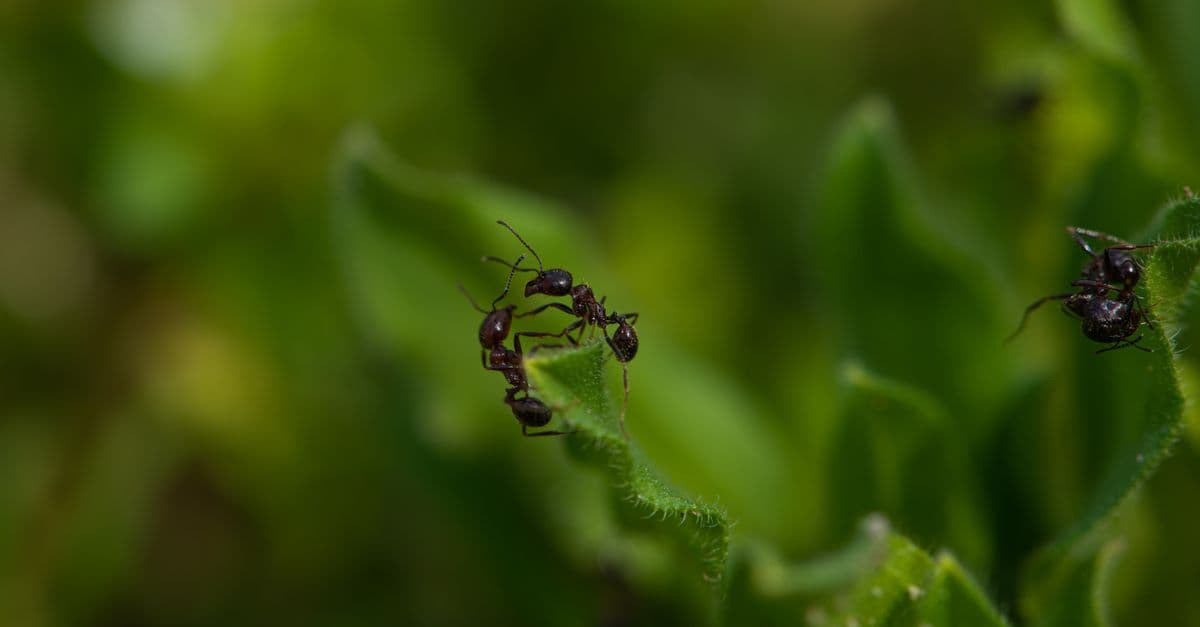
Close-up image of ants interacting on green leaves, showcasing nature and insect activity.
Animals

How Ant Colonies Work: Superorganisms, Pheromones, and Swarm Intelligence

A single ant is close to useless. It has a brain with roughly 250,000 neurons — less than a fruit fly — and no capacity to plan, strategize, or solve multi-step problems alone. Put 500,000 of them together in a colony, and the collective builds climate-controlled fungal farms, wages organized warfare, manages waste disposal, and solves the traveling salesman problem with road networks that engineers have benchmarked against modern infrastructure. The colony is the organism.

Editorial Team·June 2, 2026·16 min
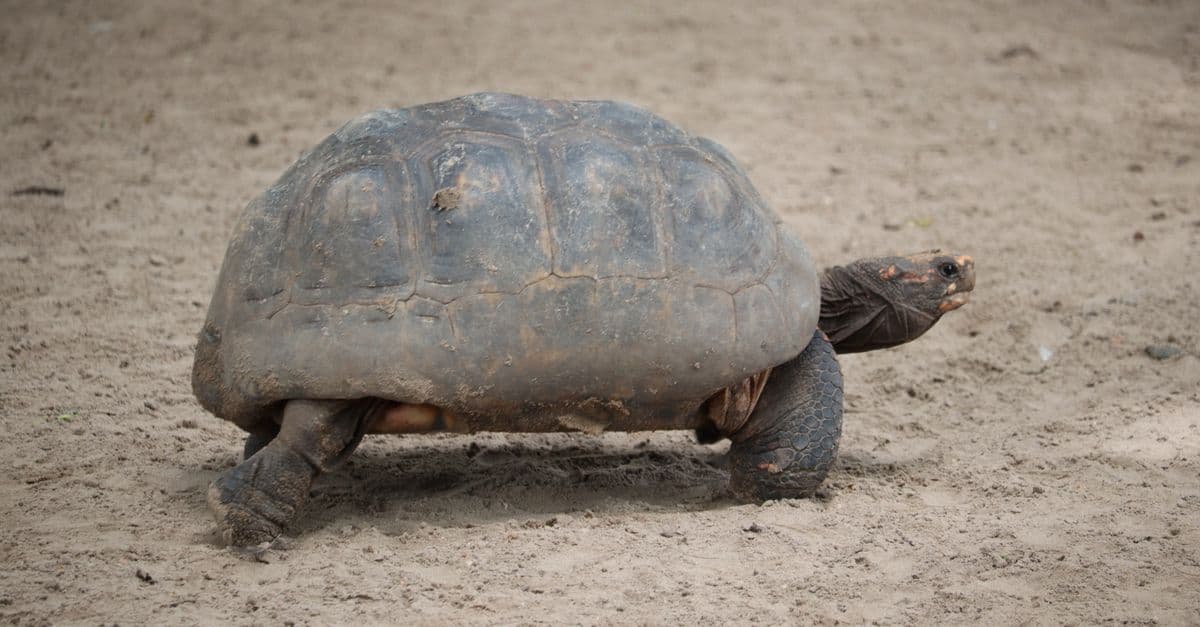
A large tortoise walking slowly across a sandy beach, showcasing its rugged shell.
Animals

The Longest-Living Animals Explained: Biology of Extreme Longevity

A Greenland shark alive today may have been born before the Thirty Years' War ended in 1648. An ocean quahog clam called Ming was 507 years old when researchers accidentally killed it by opening its shell. A bowhead whale carries harpoon fragments from weapons manufactured in the 1800s, embedded in its blubber for over a century. Extreme longevity in animals is not accidental — it is the product of specific biological mechanisms that researchers are now mapping in molecular detail.

Editorial Team·June 2, 2026·15 min
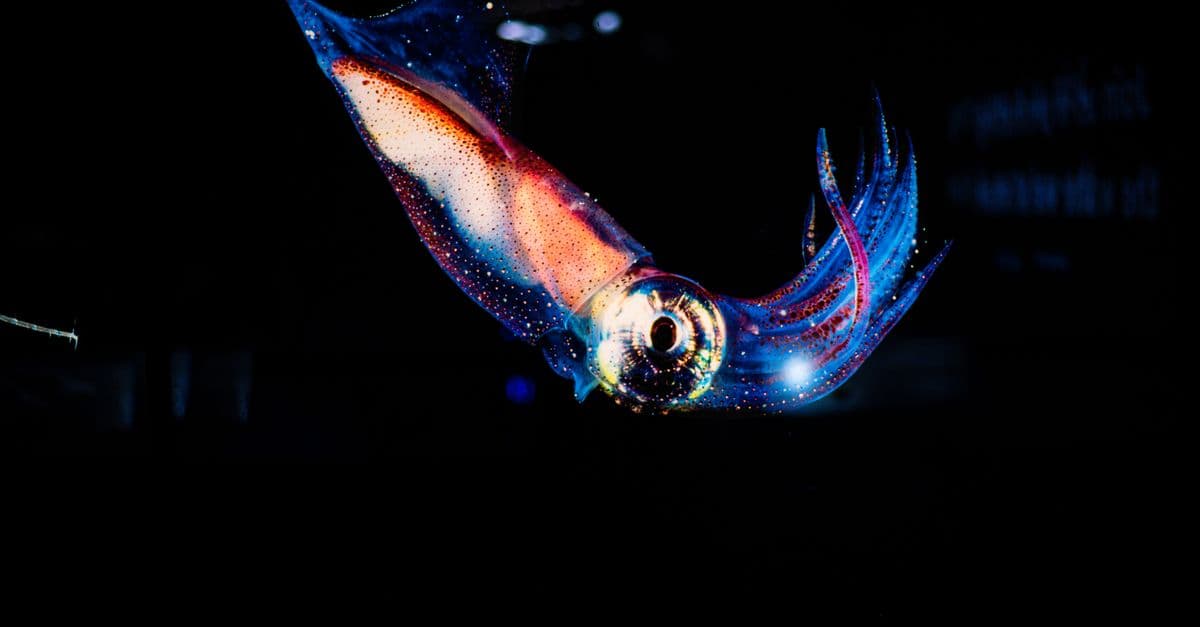
Stunning close-up of a vibrant squid glowing in dark ocean waters.
Animals

How Bioluminescence Works in Animals: The Chemistry of Living Light

More than 76% of deep-sea animals produce their own light. Fireflies flash in coordinated sequences. A jellyfish discovered off the coast of Friday Harbor, Washington, gave biologists a tool that transformed cell biology, earned three scientists a Nobel Prize, and now glows inside cancer cells in laboratories around the world. Bioluminescence — light produced by a living organism — is one of evolution's most useful accidents, and its chemistry is surprisingly simple.

Editorial Team·June 2, 2026·17 min
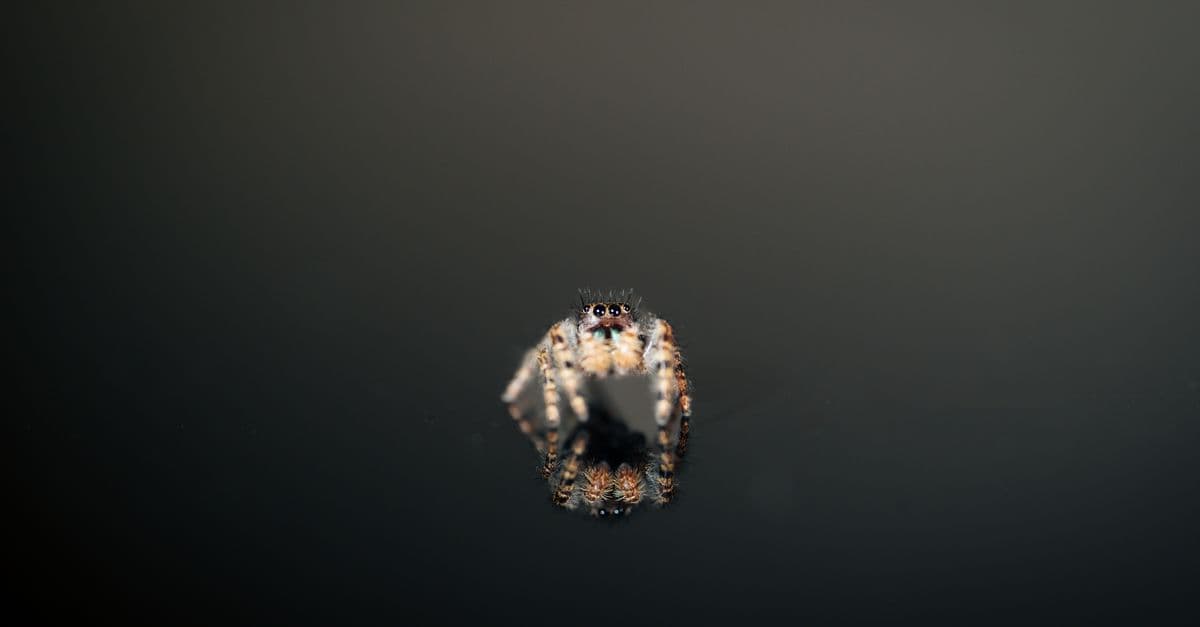
Macro shot capturing the reflection of a jumping spider on a glossy surface. Perfect for nature lovers.
Animals

How Spiders Make Silk: Stronger Than Steel, Softer Than Thread

Spider dragline silk is five times stronger than high-grade steel by weight and three times tougher than Kevlar, the material in bulletproof vests. A strand thinner than a human hair can stop a flying insect without snapping. Spiders achieve this using a protein-spinning process so precise that engineers have spent 50 years trying to reverse-engineer it — so far, with only partial success.

Editorial Team·June 2, 2026·18 min
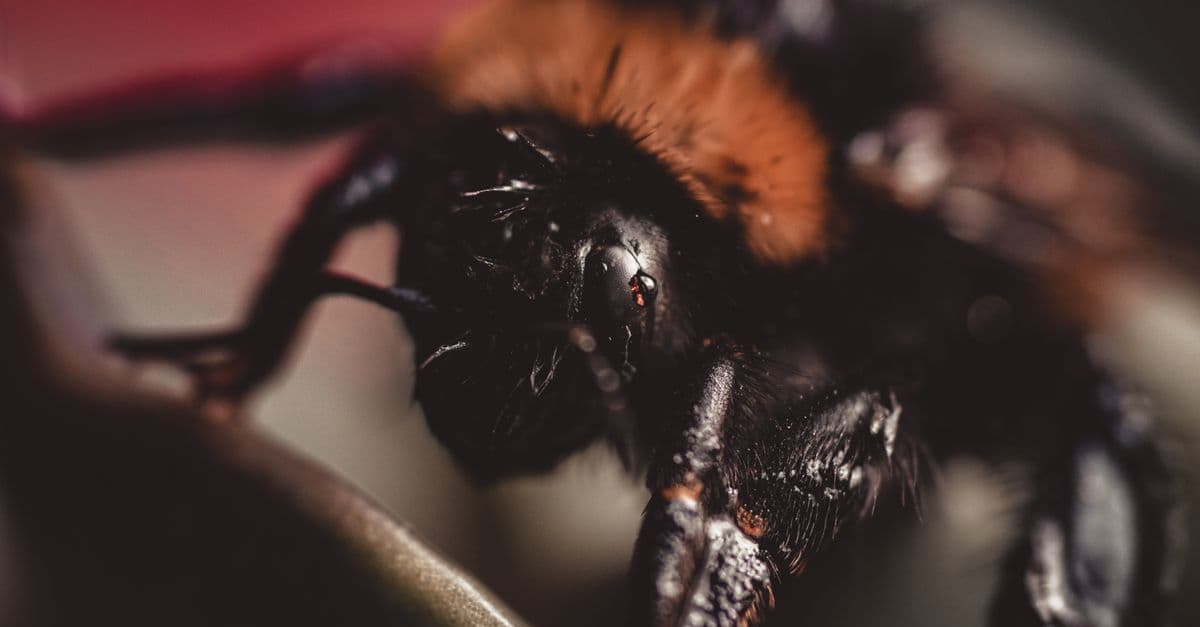
Detailed macro photo of a bumblebee showcasing its hairy body and intricate details.
Animals

How Bees Communicate: The Waggle Dance Explained

A honeybee returning from a flower patch performs a precise figure-eight dance on the vertical comb face of its hive. The angle of her body relative to gravity encodes compass direction. The duration of the waggle run encodes distance. Her nestmates read both signals and fly directly to a resource they have never visited. This is not instinct in any simple sense — it is a symbolic language, and decoding it took a biologist decades of careful experiment.

Editorial Team·June 2, 2026·17 min
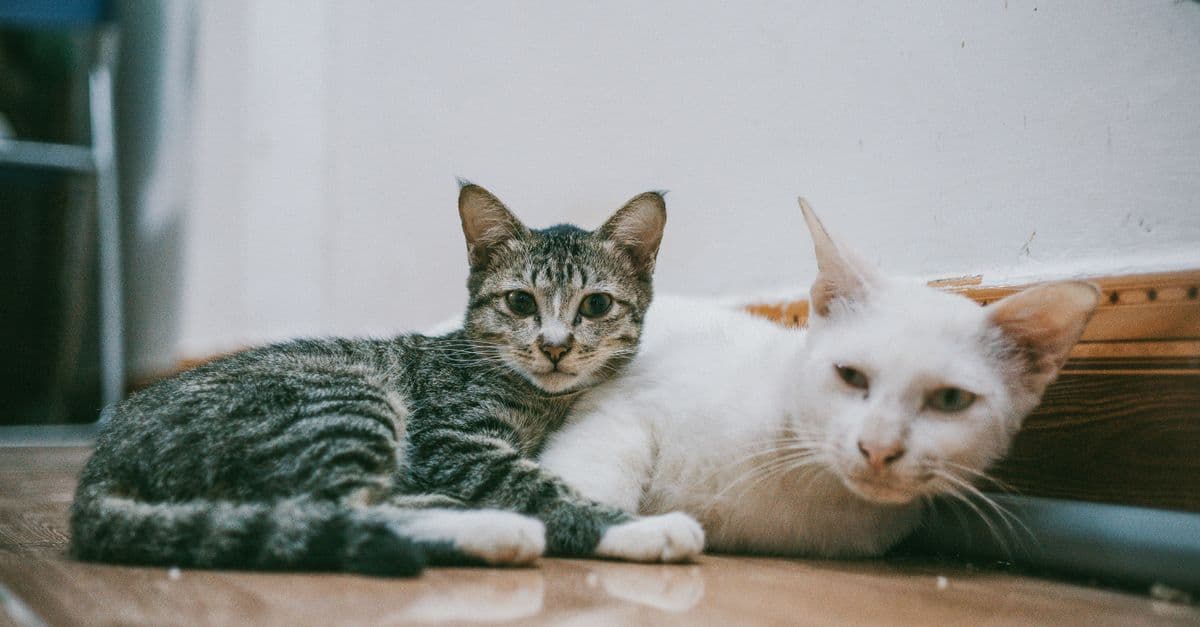
A cozy close-up of two domestic cats lounging inside on a wooden floor.
Animals

Why Do Cats Purr? The Science Behind the Sound

A domestic cat produces one of the most recognizable sounds in the animal kingdom, yet scientists spent decades arguing about how it works. The mechanism turns out to involve a neural oscillator, self-sustaining vocal fold vibrations, and a frequency range that overlaps precisely with medical bone-healing equipment. Here is what the research actually shows.

Editorial Team·June 2, 2026·17 min
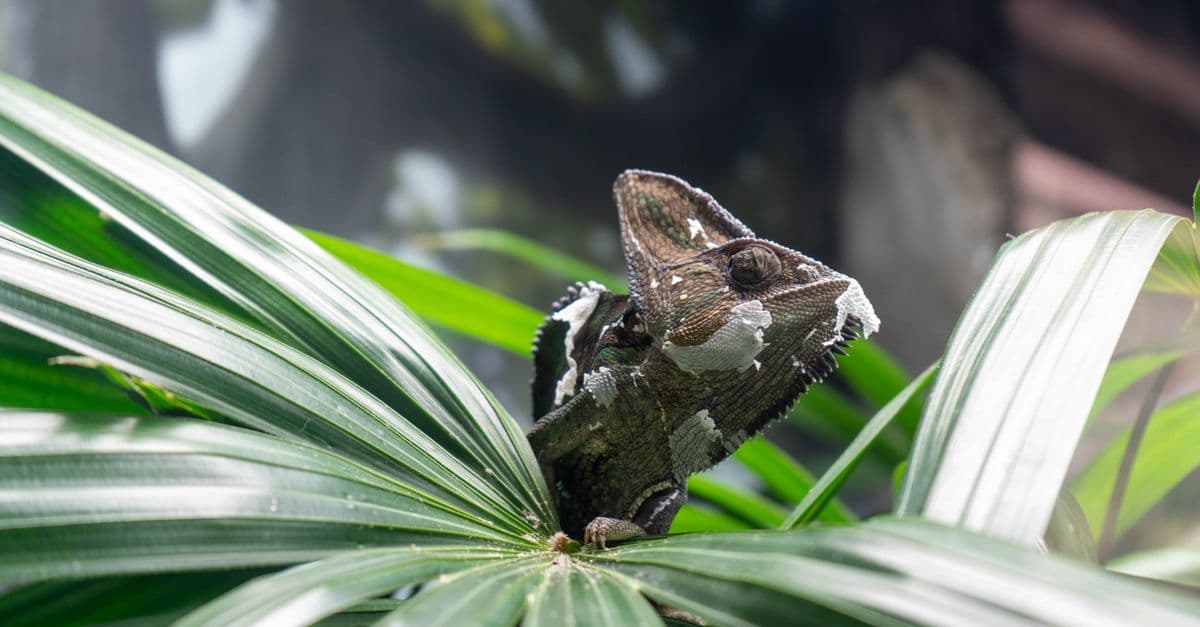
A chameleon blending in with its lush green surroundings in a natural habitat.
Animals

How Animal Camouflage Works: Crypsis, Mimicry, and the Biology of Invisibility

A cuttlefish can reproduce the texture of a gravel bed on its skin — in complete darkness. Chameleons change color not primarily to hide, but to communicate. A stick insect's body plan is so precise that its eggs mimic seeds, tricking ants into carrying them to new locations. Camouflage is not a coat of paint; it is a complete biological system built by evolution over hundreds of millions of years.

Editorial Team·June 2, 2026·18 min
Page 1 of 3Next →