
Science
Gravitational Waves: LIGO's Historic Detection
How LIGO detected gravitational waves from colliding black holes, confirming Einstein's prediction
33 articles tagged with #astrophysics
How LIGO detected gravitational waves from colliding black holes, confirming Einstein's prediction
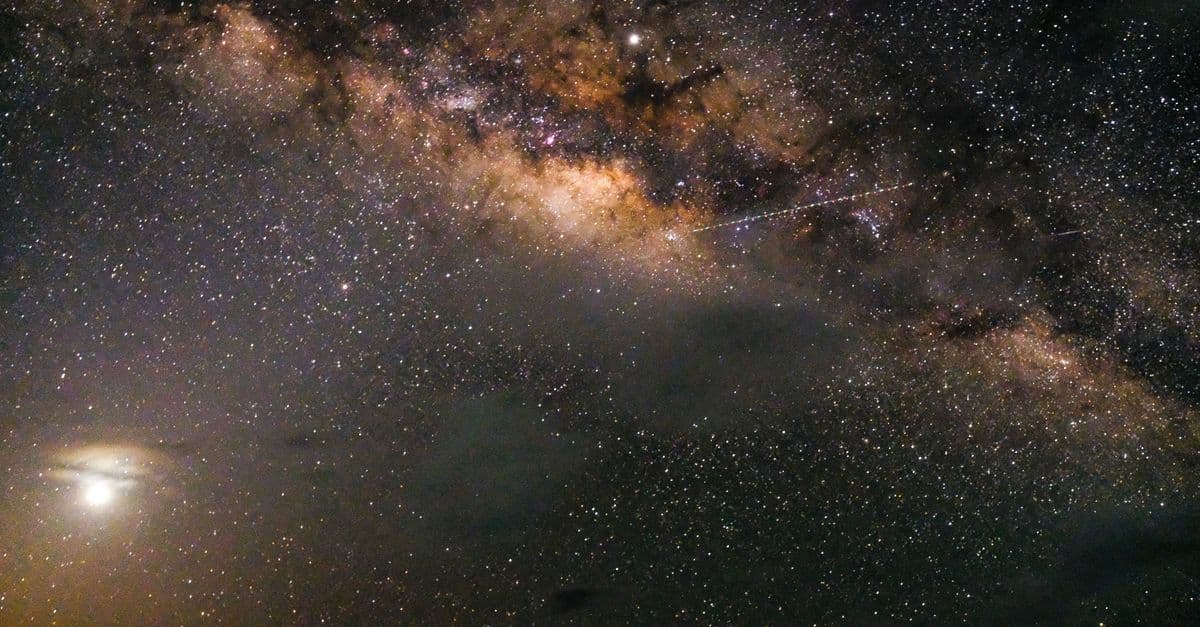
Quasars outshine entire galaxies from a region smaller than the solar system. They powered the early universe, shaped galaxy formation, and are now our most powerful probes of cosmic history. Here's what they actually are.

A magnetar is a neutron star with the strongest magnetic field known — lethal from 1,000 km away. Here is how magnetars form, why they erupt in giant flares, and how one was caught producing a fast radio burst in 2020.
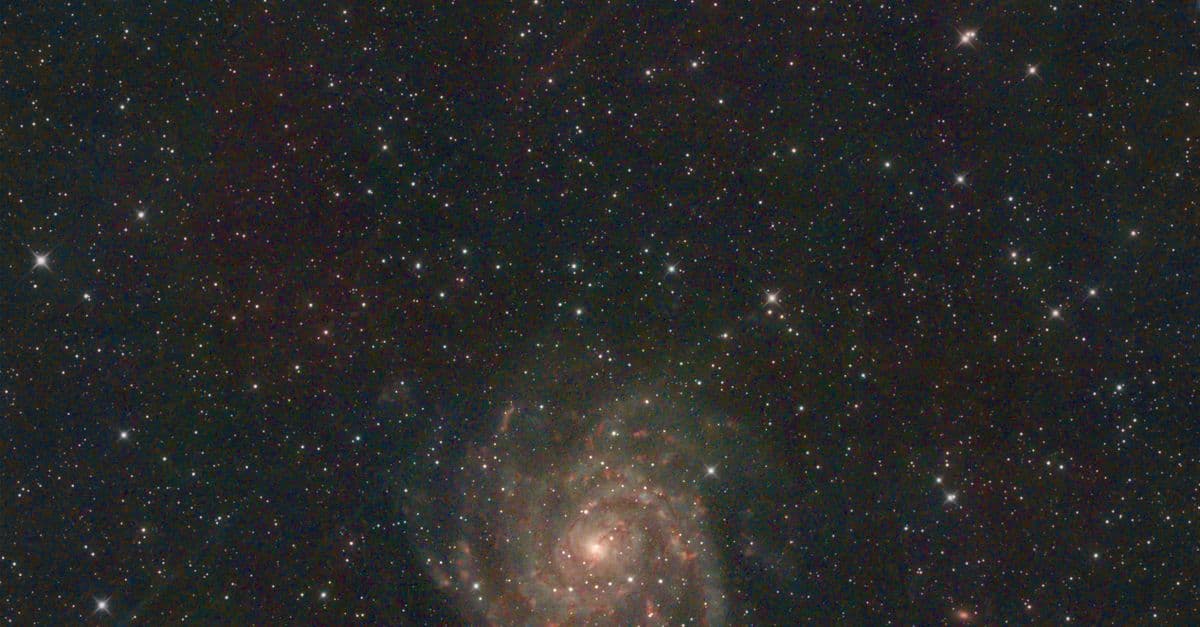
Something enormous is pulling the Milky Way, Andromeda, and thousands of other galaxies in one direction at roughly 600 km/s. For decades it hid behind the Milky Way's dust. What astronomers found when they looked was not what they expected.
Neutron stars pack more mass than the Sun into a sphere about the size of a city. This guide covers how they form, what lies inside them, how heavy they can get, and why pulsars, magnetars and neutron star mergers matter to physics.
Astronomers can't see dark matter, only its gravitational effects. What if we're wrong about gravity instead? Modified gravity theories try to explain galaxies without invisible mass — and the debate is genuinely open.
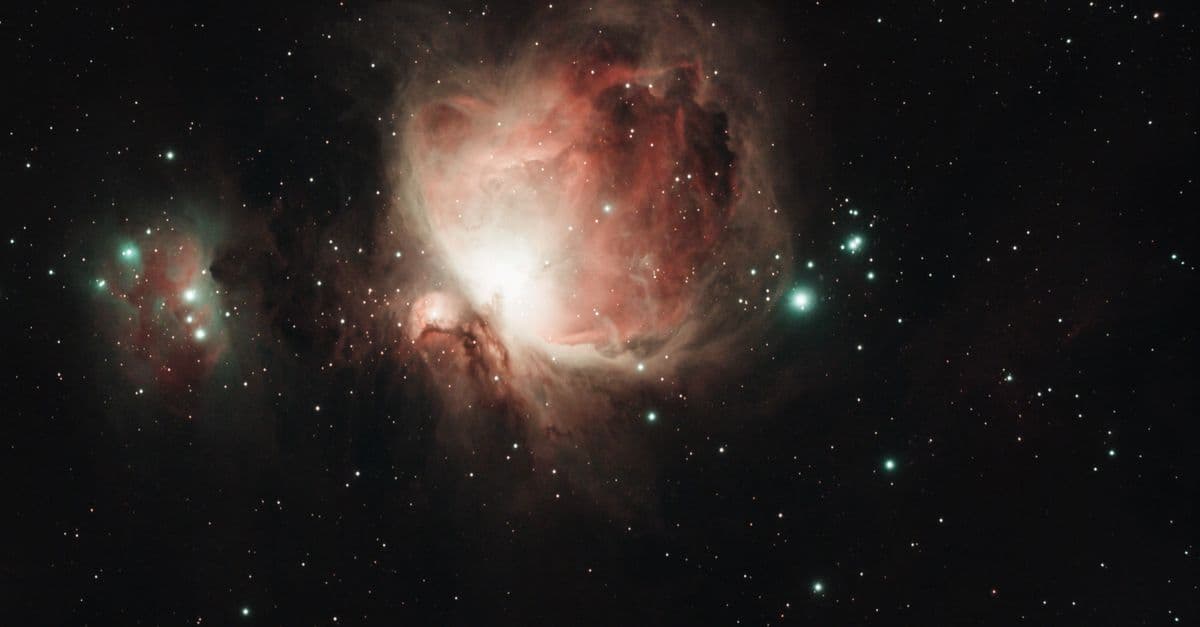
A supernova outshines an entire galaxy for weeks. It also forges every element heavier than iron — the calcium in your bones, the iodine in your thyroid, the gold in jewellery. Here's how they work.
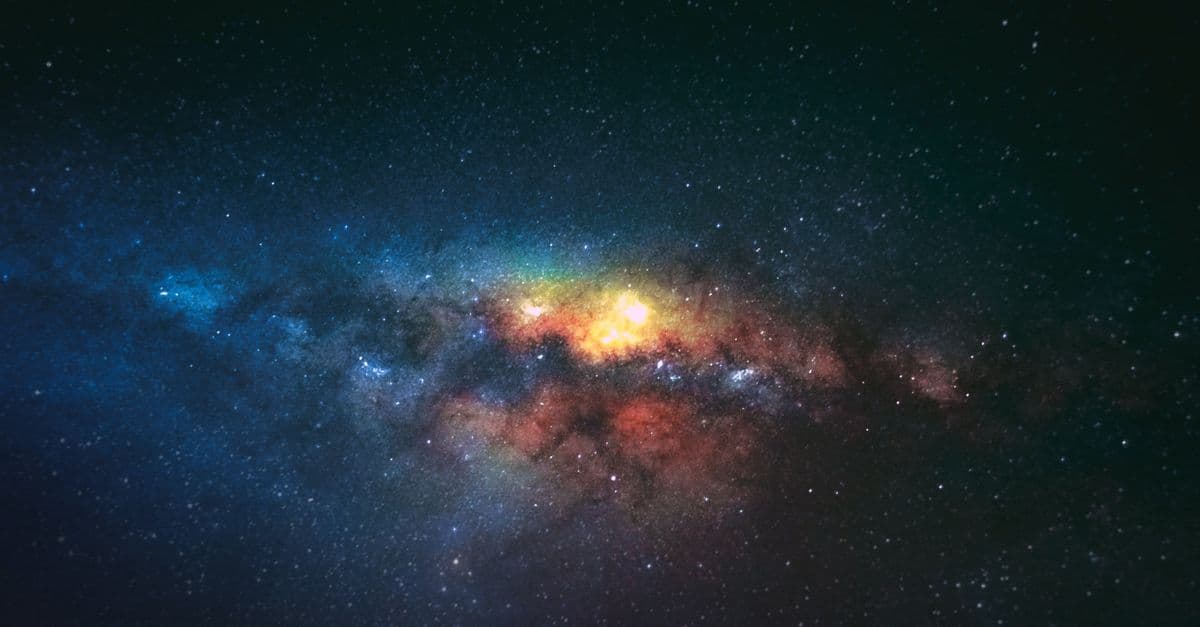
The observable universe is 93 billion light-years across. The full universe is bigger — possibly infinitely so. Here's what we can measure, what we can't, and why.
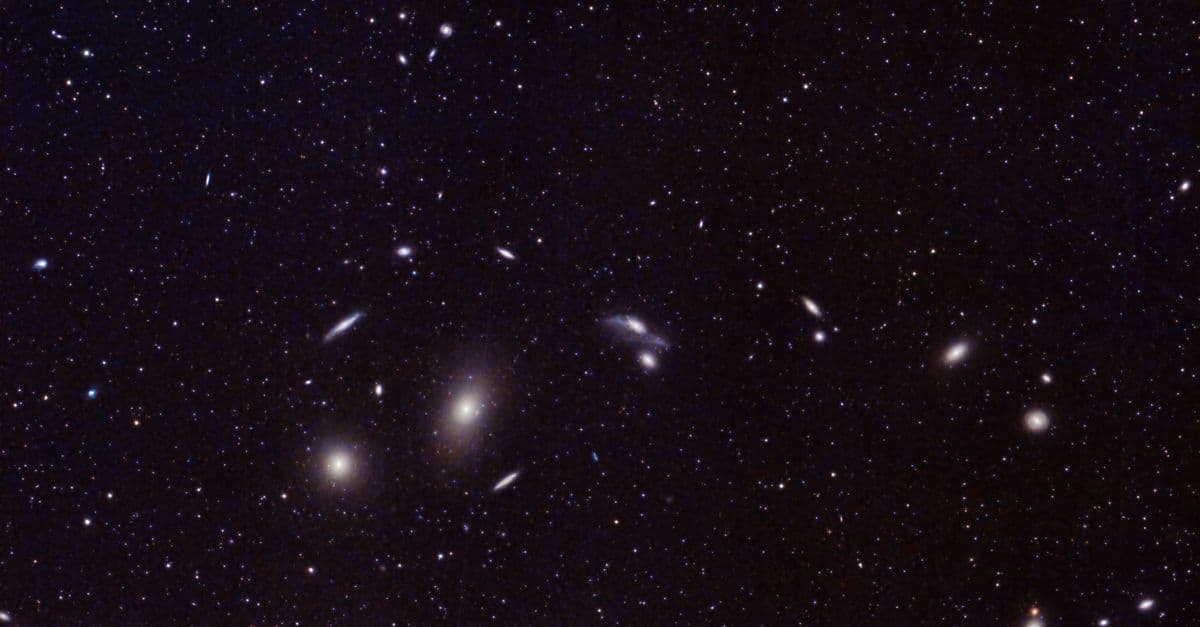
Black holes aren't made of "stuff" in the normal sense — they're regions of spacetime where matter has been crushed past every known state. Here's what physics actually says is inside.