Science
Sodium-Ion Batteries Explained: Chemistry, Advantages, Trade-Offs and Uses
Sodium-ion batteries move sodium instead of lithium ions. See how the cathode, hard-carbon anode and electrolyte work, the numbers, and where they fit.
8 articles tagged with #energy-storage
Sodium-ion batteries move sodium instead of lithium ions. See how the cathode, hard-carbon anode and electrolyte work, the numbers, and where they fit.

Structural battery composites let carbon fiber carry loads and store energy. See how they work, what the lab numbers mean, and why products are still rare.
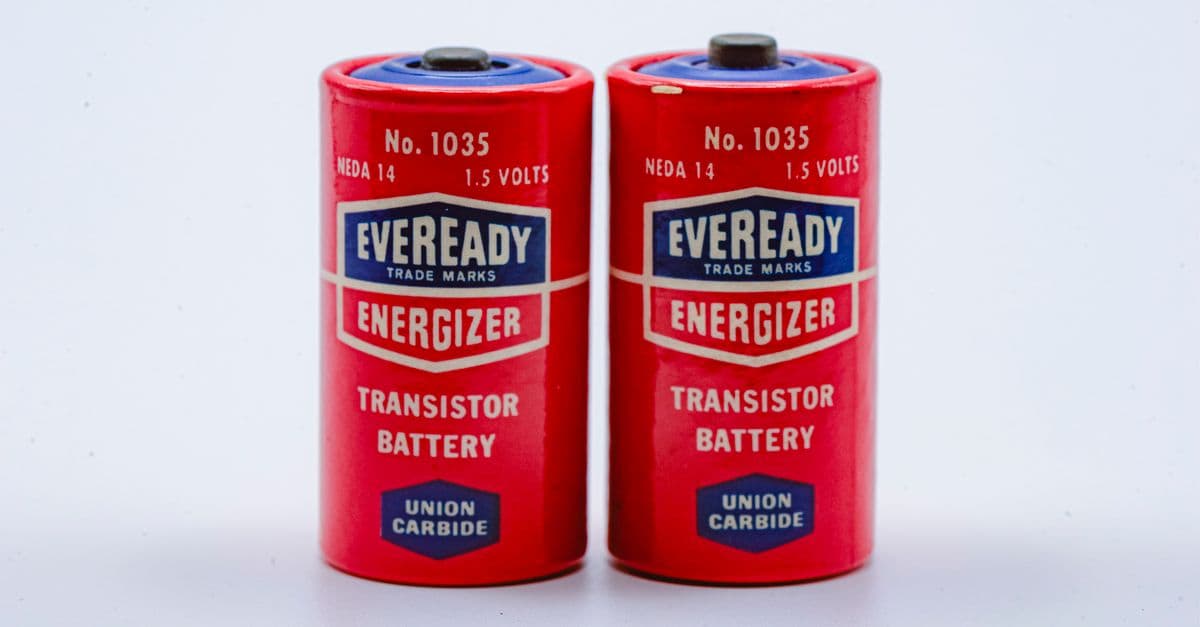
The battery begins with Volta's pile, but modern batteries evolved through chemistry, materials, portability, and rechargeable systems.
How a misnamed physics error became the world's fastest energy storage device, from Becker's 1957 accident to today's electric brakes.
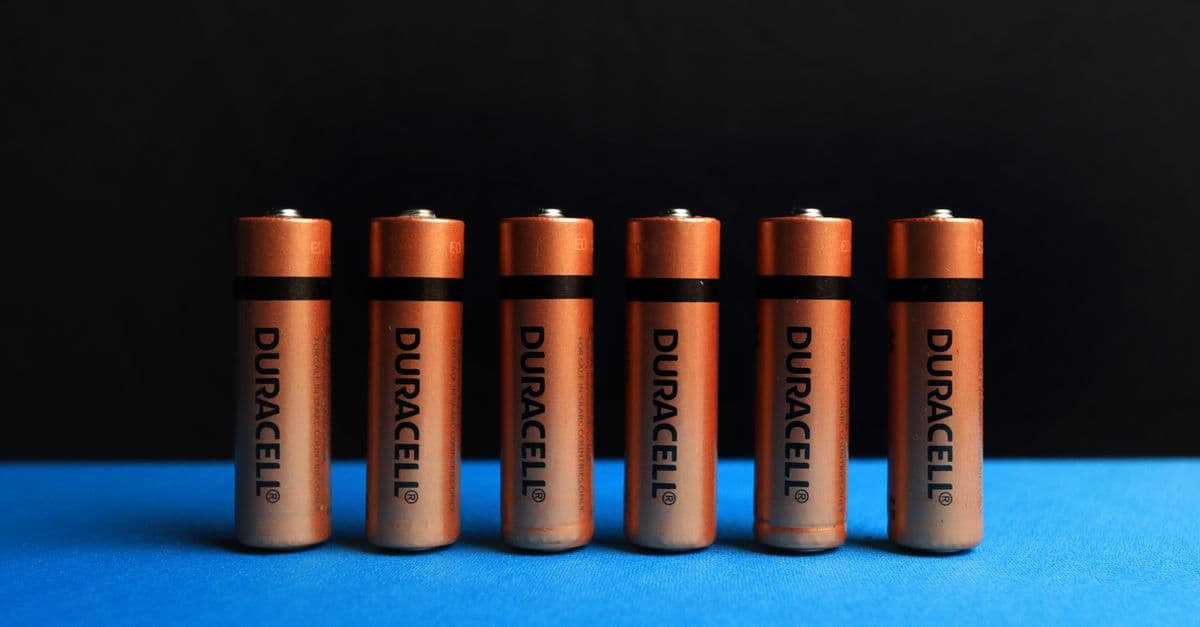
From Alessandro Volta's 1800 voltaic pile to the 2019 Nobel Prize for lithium-ion: how the battery became the defining technology of the portable power age.
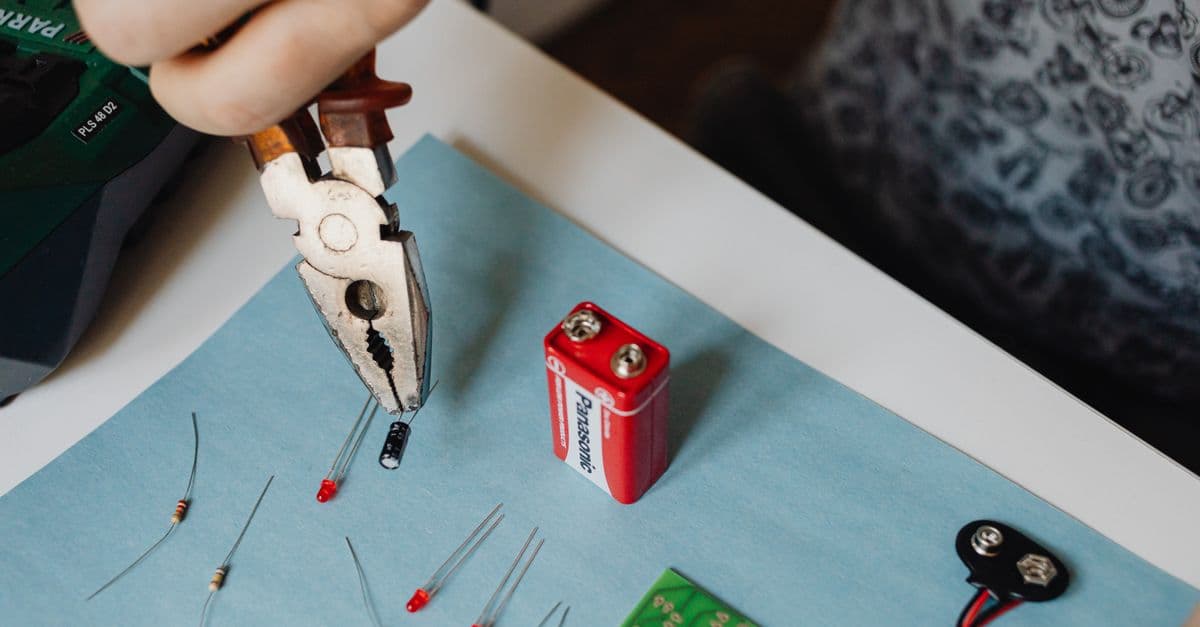
The lithium-ion battery's full history: Whittingham's 1976 Exxon work, Goodenough's LiCoO2 breakthrough, Yoshino's 1985 prototype, the 2019 Nobel Prize, and today.
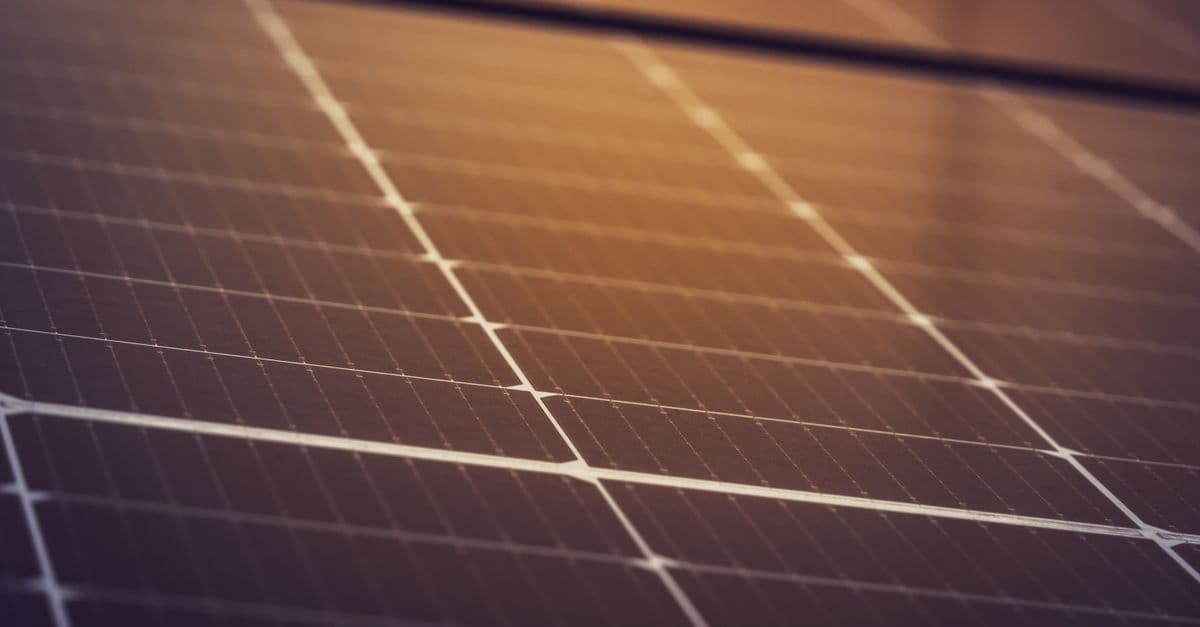
How solar panels and wind turbines work, why their costs fell about 90%, how fast they are spreading, and what storage and grids must still solve.
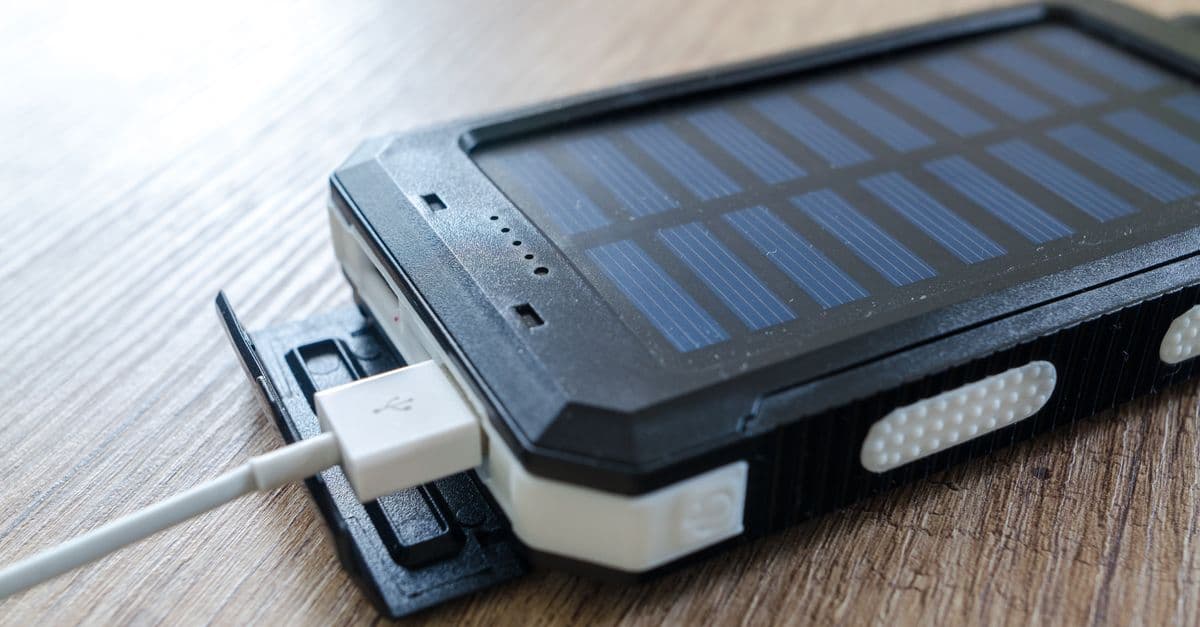
Batteries store electrical energy as chemical energy and release it on demand. The principles are over 200 years old, but the chemistry inside your phone and your EV is still changing.