How Fermentation Works: The Science Behind Bread, Beer, and Yogurt
Fermentation is controlled microbial metabolism — ancient biotechnology that transforms raw ingredients into foods more nutritious, flavorful, and shelf-stable than the originals.
21 articles tagged with #food-science

Fermentation is controlled microbial metabolism — ancient biotechnology that transforms raw ingredients into foods more nutritious, flavorful, and shelf-stable than the originals.

Flavor is not just taste — it's a symphony of chemistry, physics, and neuroscience happening in your mouth and brain.

Champagne and Prosecco are both sparkling wines, yet Champagne earns roughly four times as much per bottle. Part of the gap is chemistry and time, part is law and branding.

A flower that stays open for about a day, a pollination step no machine has replaced, months of curing, and a supply base that cyclones can cut by a third: the biology and economics behind vanilla's price.

A 29-month feeding program, thousands of kilograms of mostly imported feed, a strict marbling scale, and a Kobe certification covering about 5,500 animals a year: the biology and economics behind Wagyu's price.

Coffea arabica survives in a narrow climate band that is shrinking fast. Here is the science behind why your morning cup is under threat — and what the coffee industry is racing to do about it.

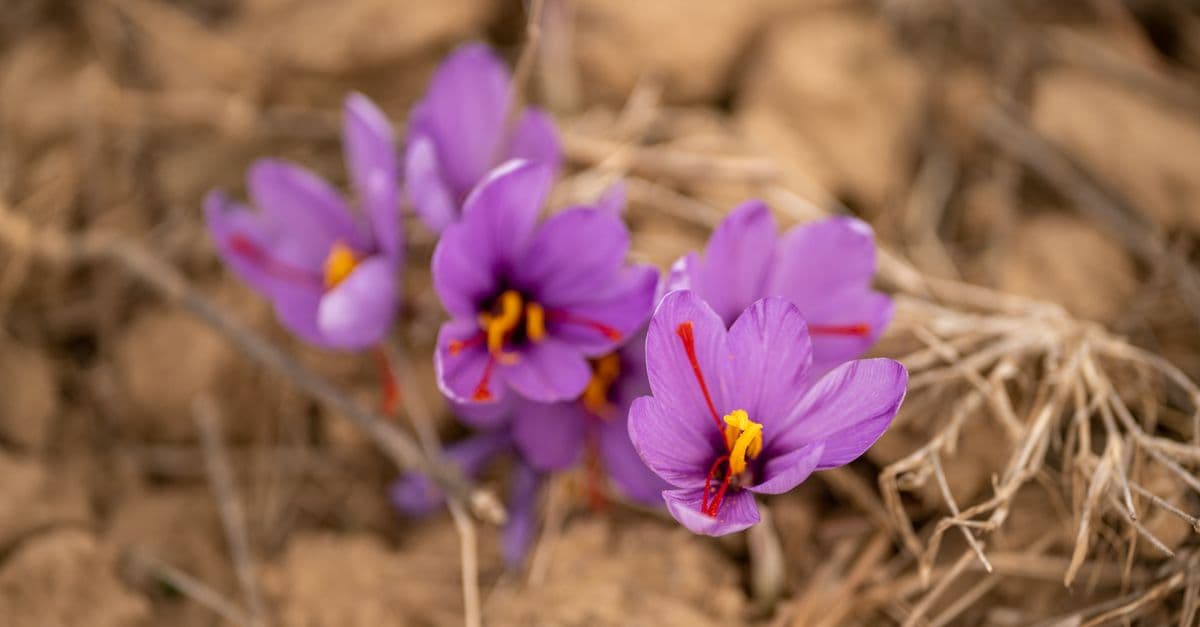
Saffron takes well over 100,000 hand-picked flowers per kilogram. Here is the biology, chemistry, labor, and fraud behind the price of the world's most expensive spice.

Real truffles can cost as much per kilogram as gold did a decade ago. The reasons are tree-root symbiosis, volatile aroma chemistry, dog-led harvests, and a short season.

GMO crops have been grown commercially since 1996. If they were as dangerous as critics claim, we should be able to see the damage. Here is what the evidence shows, and which concerns survive scrutiny.