Skip to content
ISSUE 10.29.26/24 CATEGORIES

geology

49 articles tagged with #geology

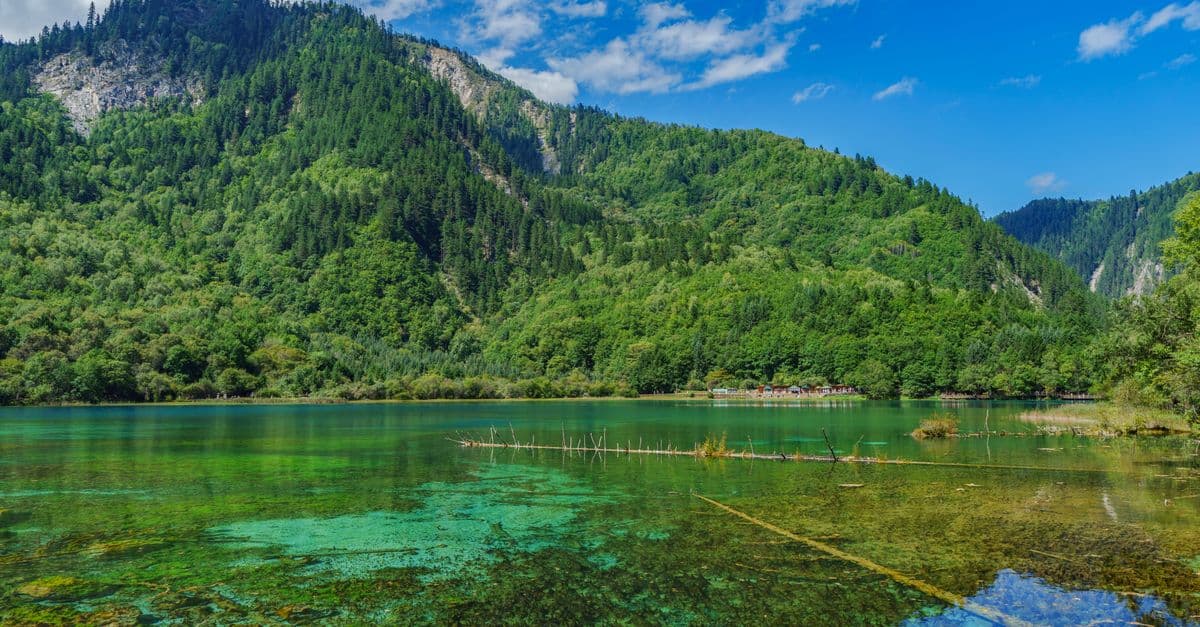
Breathtaking view of Jiuzhaigou Valley's lush mountains and crystal-clear lake.
World Records

The Largest Lakes in the World: The Caspian Paradox and the Inland Seas

The largest lake on Earth is called a sea. The Caspian Sea covers about 371,000 to 374,000 square kilometres — larger than Germany — and is bordered by five countries that argued for over two decades about whether it's legally a lake or a sea, because the answer decides who owns its oil. Behind it stretch the true freshwater giants, including a single North American lake big enough to cover the entire United Kingdom.
Editorial Team·June 15, 2026·20 min
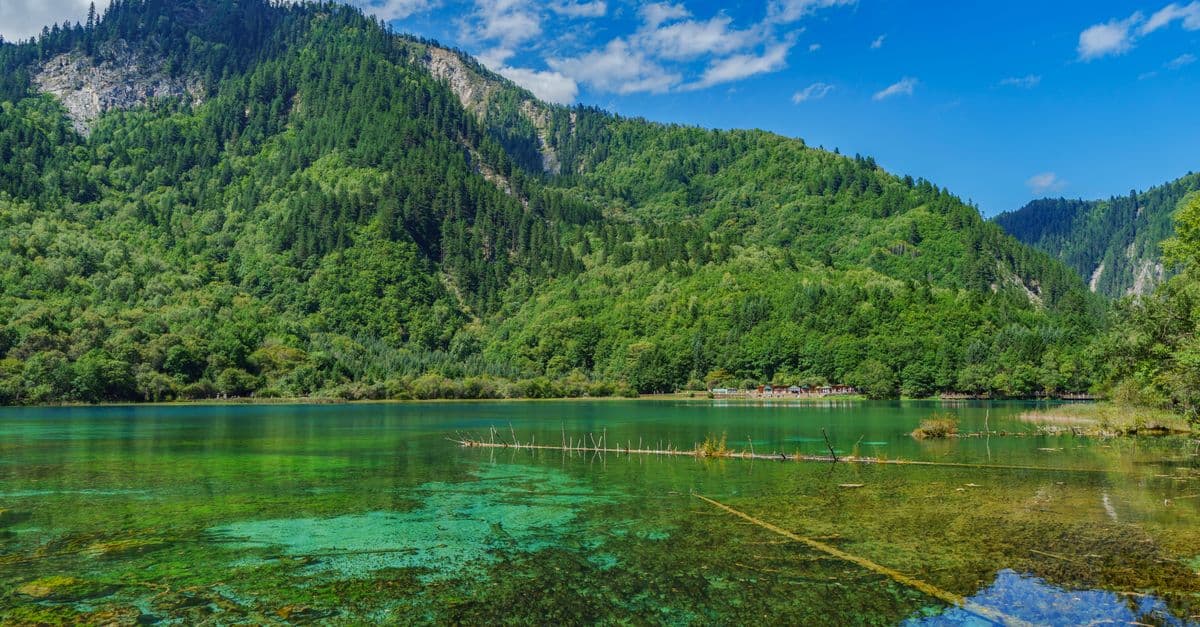
Breathtaking view of Jiuzhaigou Valley's lush mountains and crystal-clear lake.
World Records

The Deepest Lakes in the World: Lake Baikal and the Crack in a Continent

Lake Baikal in Siberia plunges to 1,642 metres — deep enough to swallow the world's tallest building twice over with room to spare. It is not just the deepest lake on Earth; it holds about a fifth of all the planet's unfrozen fresh water and has existed for 25 million years, longer than any other lake. The deepest lakes share a common origin: they sit in places where the Earth's crust is literally being pulled apart.

Editorial Team·June 14, 2026·24 min
Close-up of vinyl records categorized by music genres at a Toronto store.
World Records

The Most Extreme Pressure Conditions on Earth and Beyond

At the Challenger Deep, pressure reaches 1,086 bar — crushing enough to compress foam to thimble size. But Earth's extremes pale compared to the pressures inside neutron stars, where one teaspoon of matter weighs as much as Mount Everest. This guide explains the physics of pressure across the universe, from laboratory breakthroughs to the conditions that forge new elements.

Editorial Team·June 10, 2026·22 min
A creative studio setup showcasing a wall of vinyl records and soft lighting.
World Records

The Biggest Explosions in History: From Chicxulub to Tsar Bomba

The asteroid that ended the Cretaceous period 66 million years ago released energy equivalent to roughly 100 million megatons of TNT — more than a billion times the bomb dropped on Hiroshima. That is not a metaphor. Scientists have calculated this from the crater geometry, the global debris layer, and the seismic signature preserved in rock. Understanding how energy scales from a hand grenade to a world-altering asteroid impact requires only arithmetic — and it reveals why some explosions leave no survivors within thousands of kilometers.

Editorial Team·June 2, 2026·15 min
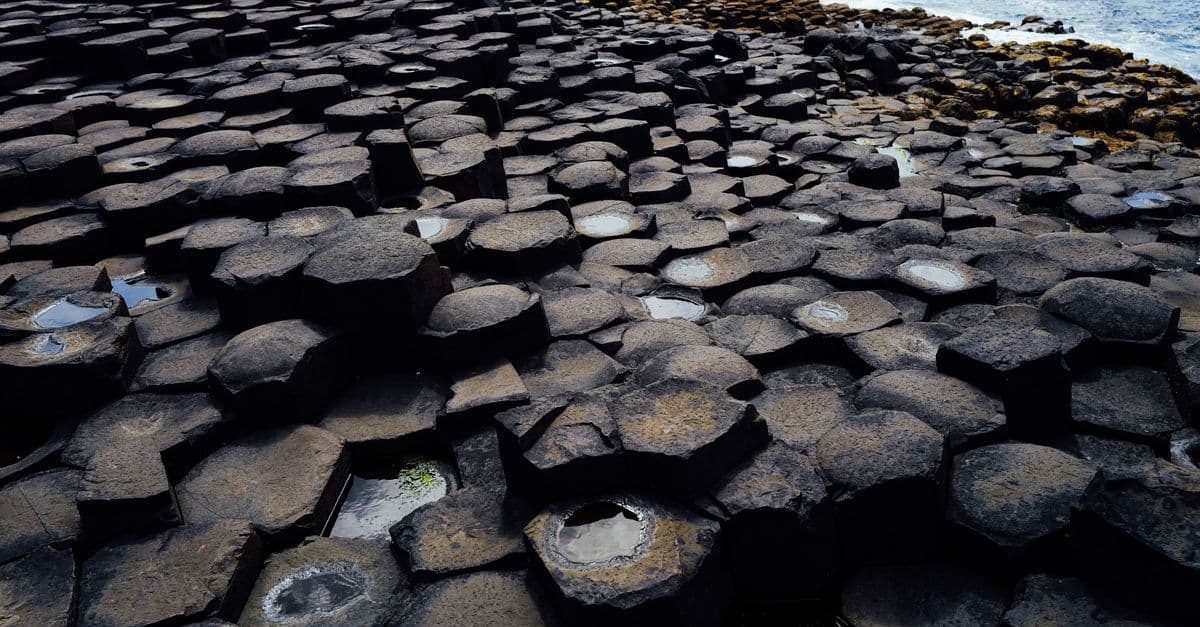
Explore the unique interlocking basalt columns of the Giant's Causeway by the rugged coastline.
World Records

The Oldest Things on Earth: Minerals, Rocks, Trees, and Fossils

A grain of zircon mineral extracted from sandstone in the Jack Hills of Western Australia is 4.404 billion years old — older than most of Earth's crust, older than the oceans, nearly as old as the planet itself. Scientists identified its age by measuring the decay of uranium into lead trapped inside the crystal lattice. That single mineral grain, small enough to balance on a fingertip, is the oldest thing of terrestrial origin ever dated. Earth's age records span minerals, rocks, organisms, fossils, and ice — each type preserved by a different mechanism, each telling a different part of Earth's history.

Editorial Team·June 2, 2026·17 min
A close-up of a vintage vinyl record in black and white, emphasizing its grooves.
World Records

Rarest Elements and Materials on Earth: Astatine and Beyond

Astatine is usually called the rarest natural element, with estimates of its total presence in Earth's crust running from under one gram to about 28 grams at any moment. It is rare because it decays within hours, not because it formed in small amounts. Rarity has several distinct causes, from radioactive decay to planet formation to production cost, and each one reveals a different piece of nuclear physics and geochemistry.

Editorial Team·June 2, 2026·24 min
Silhouette using a smartphone to record a live concert scene.
World Records

The Tallest Mountains on Earth: Everest, Mauna Kea, and Chimborazo Compared

Mount Everest is not the tallest mountain on Earth — and it is not the closest point on Earth's surface to outer space. Both claims belong to other peaks depending on how you define 'tallest.' At 8,848.86 meters (29,031.7 feet) above sea level, Everest wins the elevation contest. But Mauna Kea in Hawaii stands 10,210 meters (33,500 feet) from seafloor base to summit. And Chimborazo in Ecuador, a relatively modest 6,263 meters above sea level, sits 6,384.4 km from Earth's center — 2.1 km farther than Everest's summit.

Editorial Team·June 2, 2026·16 min