Skip to content
ISSUE 10.29.26/24 CATEGORIES

metabolism

13 articles tagged with #metabolism

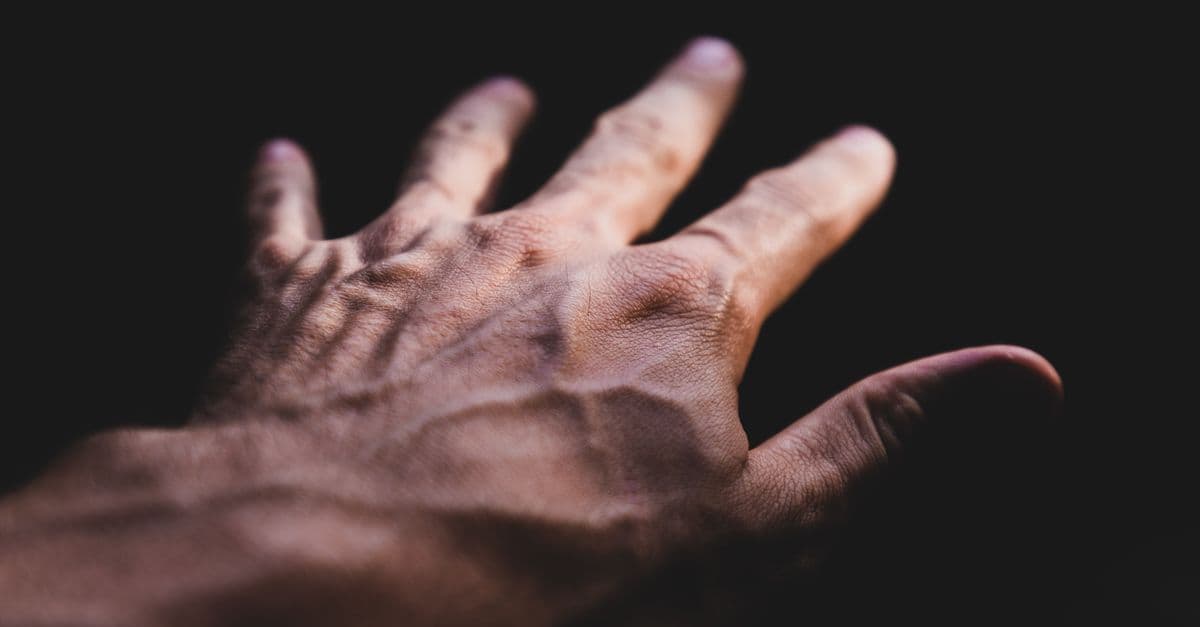
Detailed image of a human hand showing prominent veins against a dark background.
Human Body

Why Do We Shiver? The Science of Thermoregulation

Shivering is an involuntary muscle contraction that generates heat when your body temperature drops below its set point. Your hypothalamus acts as a thermostat, detecting temperature changes through cold receptors and triggering both shivering and non-shivering heat production. Brown fat provides extra warmth in infants, while shivering during fever occurs because your body's target temperature has been reset upward. Understanding this physiological response reveals how your nervous system maintains the narrow 37°C window needed for survival.

Editorial Team·June 26, 2026·15 min
A woman in a red top holds a Negroni cocktail with an orange slice, in a well-lit setting.
Human Body

How the Body Processes Alcohol: The Science of Metabolism and Intoxication

Alcohol is absorbed into the bloodstream within minutes of consumption, but the liver metabolizes it at a nearly constant rate of about one standard drink per hour, a rate that cannot be accelerated by food or hydration. The body treats ethanol as a toxin, converting it to acetaldehyde (more toxic than ethanol) and then to acetate through two enzyme-mediated reactions. Blood alcohol concentration (BAC) depends on body weight, sex, food intake, and genetics, making some individuals metabolically unable to process alcohol efficiently, as seen in alcohol flush syndrome. Once intoxicated, alcohol disrupts the balance of GABA and glutamate neurotransmitters in the brain, impairing judgment and coordination. Understanding alcohol metabolism reveals why hangovers occur, why some populations have lower tolerance, and why no trick can accelerate the clearance of alcohol from the body.

Editorial Team·June 10, 2026·25 min
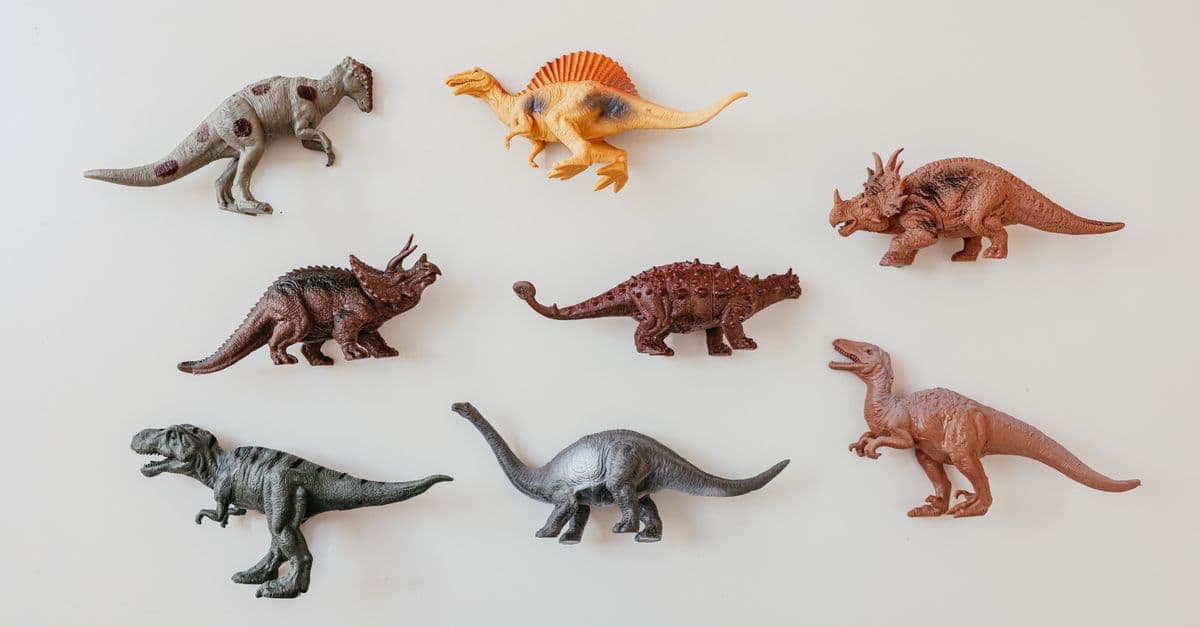
Colorful toy dinosaur models arranged on a white background. Perfect for educational and playful themes.
Dinosaurs

Were Dinosaurs Warm or Cold-Blooded? The Mesothermy Evidence

For decades, paleontologists sorted life into two metabolic boxes, warm-blooded mammals and cold-blooded reptiles, and argued over which box dinosaurs belonged in. Bone slices, isotope chemistry, and growth-rate analysis suggest most dinosaurs fit neither box cleanly, though the newest fossil-chemistry work pulls the answer back toward true endothermy.

Editorial Team·June 2, 2026·22 min
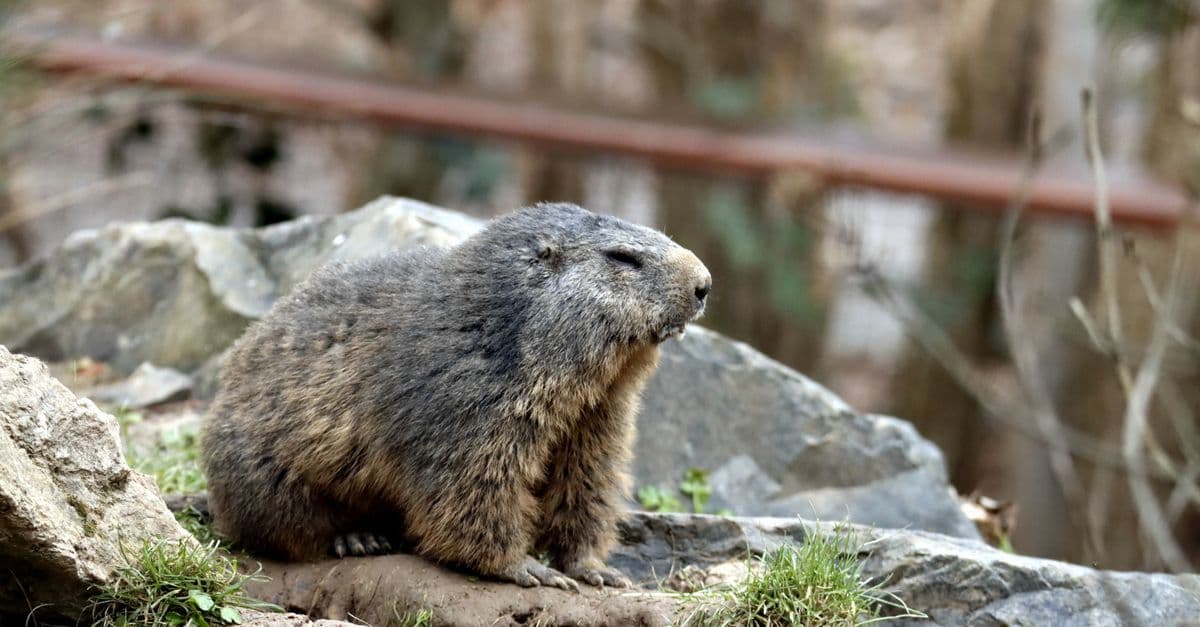
A groundhog sitting on rocks in an outdoor setting, enjoying a serene moment.
What If

What If Humans Could Hibernate Like Bears?

Bears enter hibernation — a state of profound metabolic depression where heart rate drops 90%, body temperature falls 10°C, and they survive months without eating. If humans evolved this ability, it would revolutionize medicine, space exploration, and civilization by allowing suspension of biological aging and safe exploration of extreme environments.

Editorial Team·May 7, 2026·16 min
Page 1 of 2Next →