Science
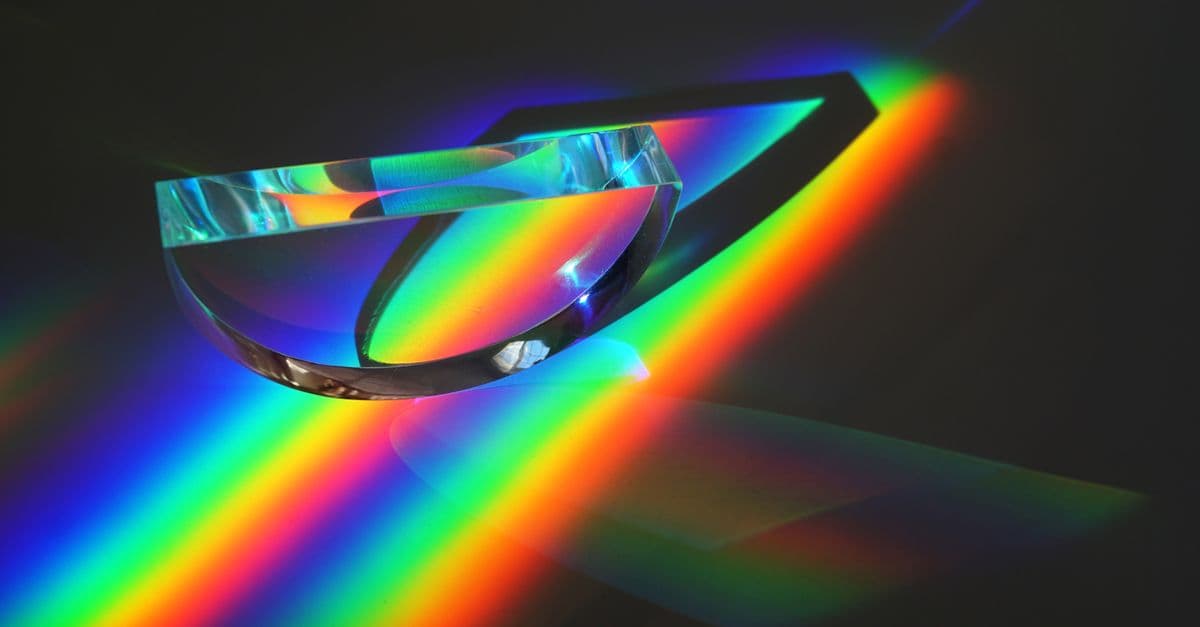
Newton's Prism: White Light is Many Colors Combined
In 1666, Isaac Newton used prisms to split white sunlight into its component colors and recombined them into white again. The experiments changed how we think about light and color.
177 articles tagged with #physics
In 1666, Isaac Newton used prisms to split white sunlight into its component colors and recombined them into white again. The experiments changed how we think about light and color.
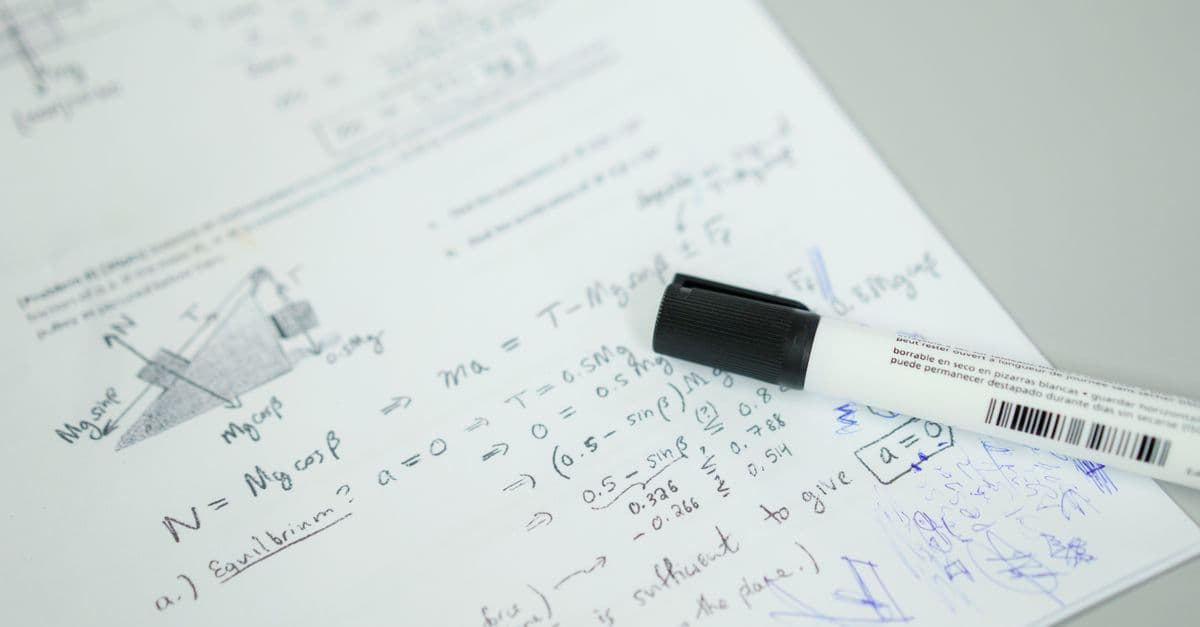
In 1831, Michael Faraday discovered that changing magnetic fields induce electric currents. This fundamental discovery enabled electric motors, generators, and transformed civilization.
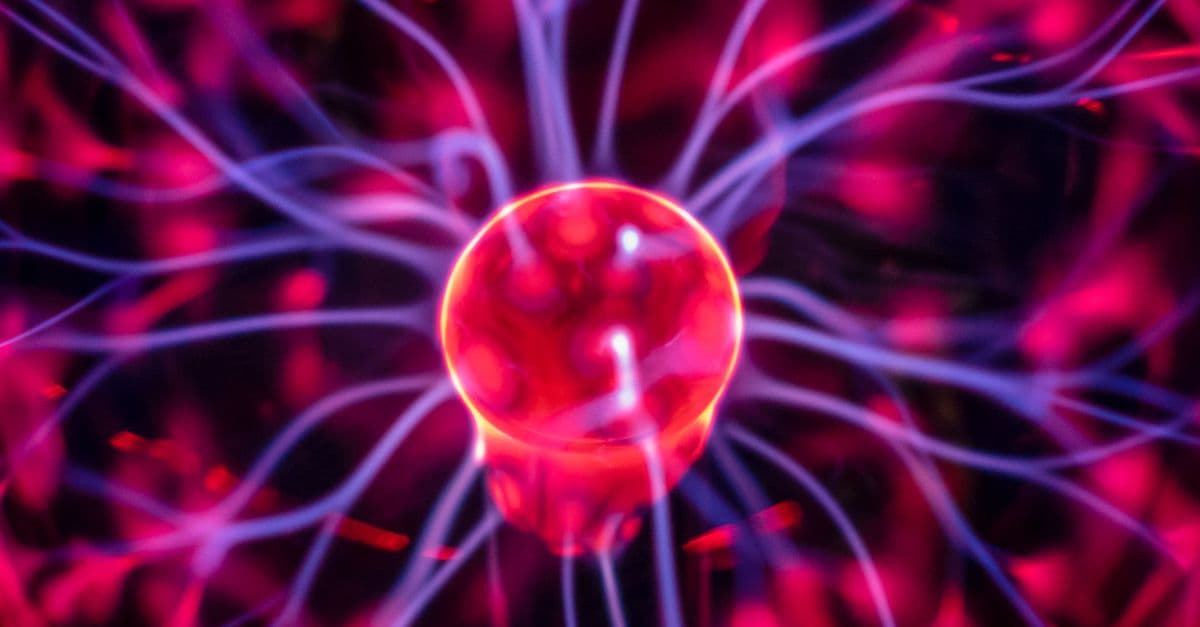
In 1800, William Herschel used prisms and thermometers to discover infrared radiation, proving that visible light is just a tiny fraction of the spectrum. A revelatory experiment on the nature of light.
Magnetism in everyday life comes from dipoles (north and south poles). If magnetic monopoles existed — isolated magnetic charges with no opposite pole — they would reshape physics, revolutionize particle accelerators, and potentially enable new technologies like monopole-powered engines.
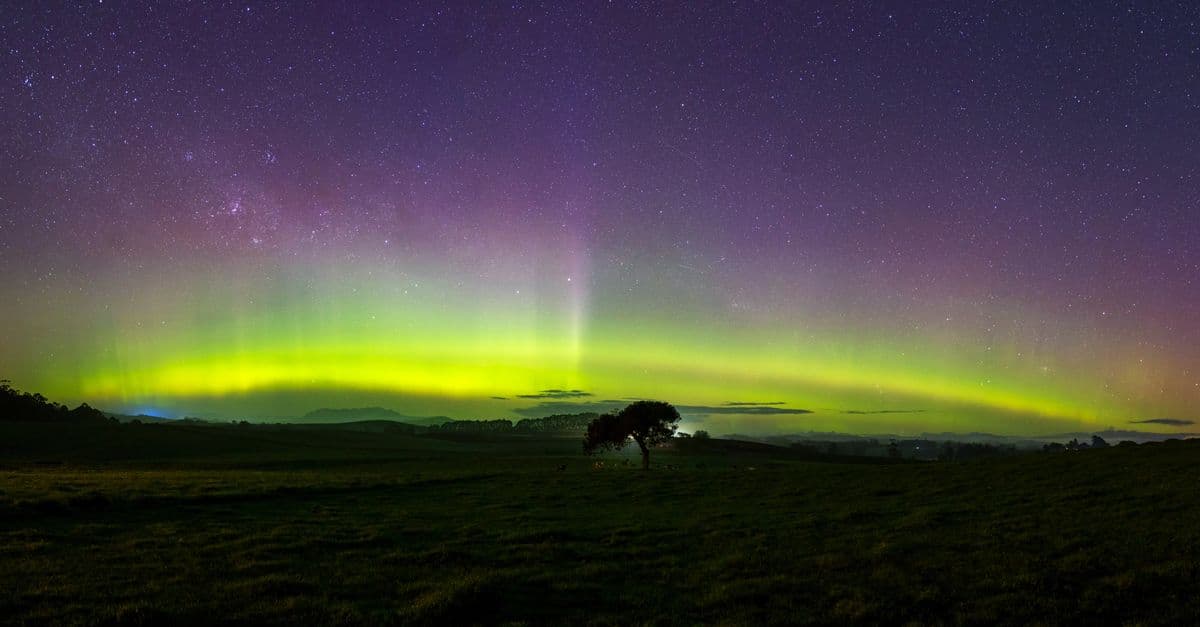
Radioactive decay provides Earth's internal heat, drives plate tectonics, and powers the magnetic field. If it stopped, Earth would cool, tectonics would cease, the magnetic field would die, and life would face increased radiation. Over billions of years, Earth would become a cold, geologically dead world.
Dark energy makes up 68% of the universe's energy content and drives cosmic acceleration. If it vanished, the universe would no longer expand at an accelerating rate. Instead, gravity would decelerate expansion, and the universe would either stabilize into a steady expansion, re-contract (Big Crunch), or remain nearly stable — depending on the matter density.
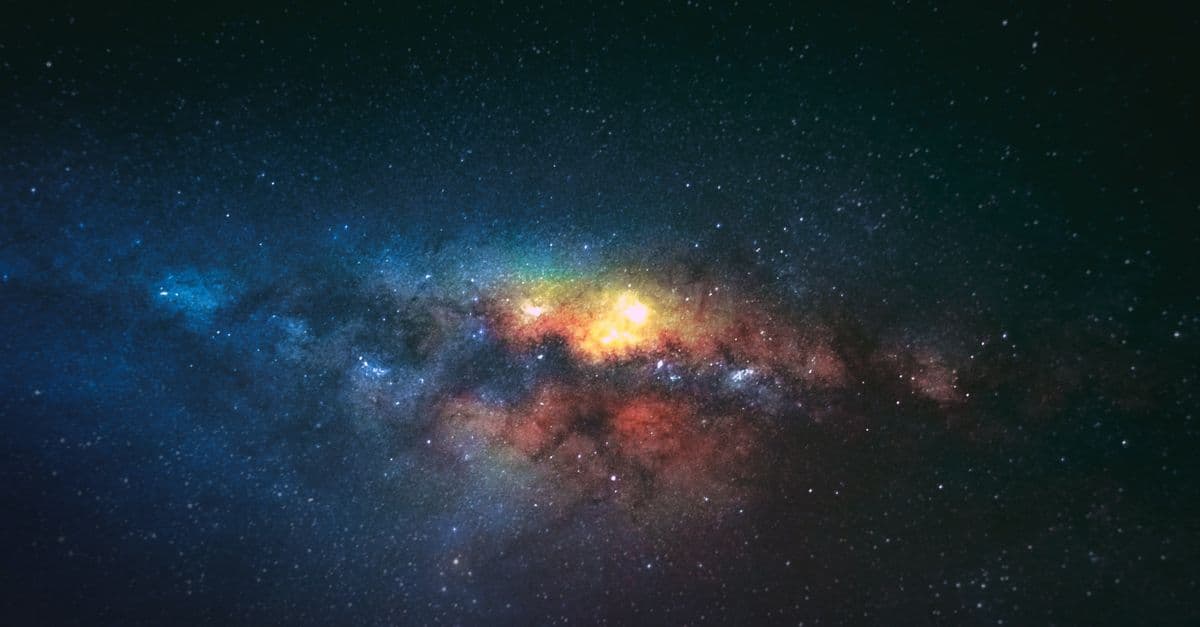
Human eyes detect a tiny slice of the electromagnetic spectrum — visible light. If we could see ultraviolet, infrared, microwaves, X-rays, and radio waves simultaneously, the world would become a chaotic visual feast revealing hidden information at every wavelength.
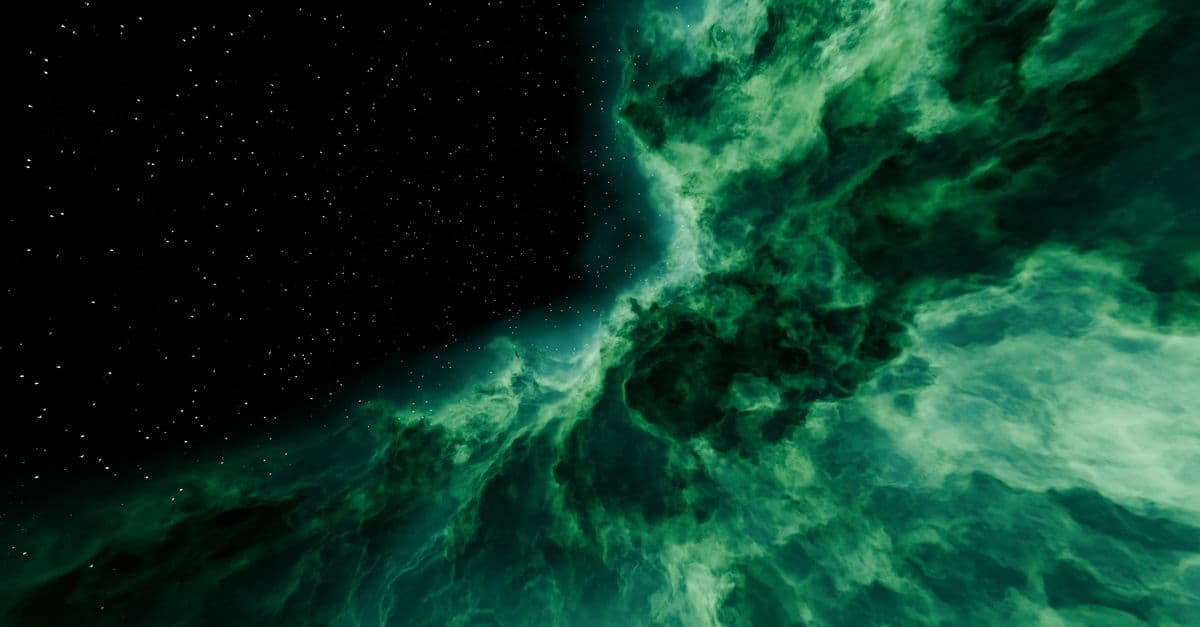
A wormhole — a shortcut through spacetime connecting two distant points — would revolutionize physics, transportation, and our place in the universe. But the physics suggests it would also be unstable, possibly lethal, and almost certainly a one-way trip.
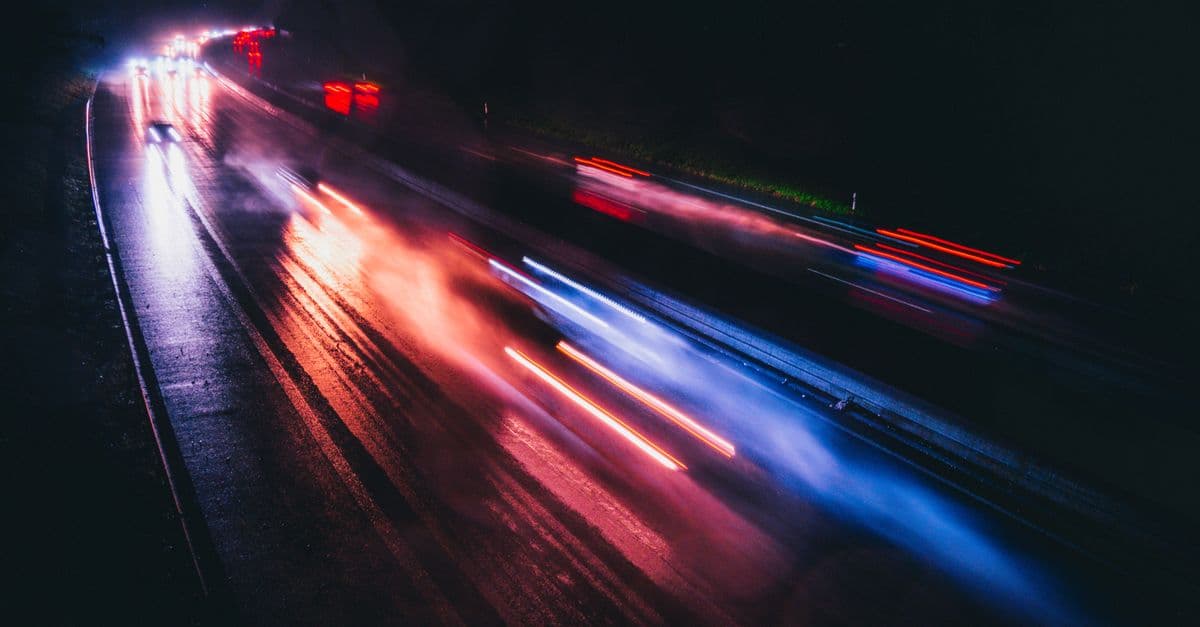
If the speed of light were dramatically lower — say, 100 km/h — relativistic effects would dominate everyday life. Cars would gain mass as they accelerated, time would dilate for joggers, and the universe would look profoundly different.
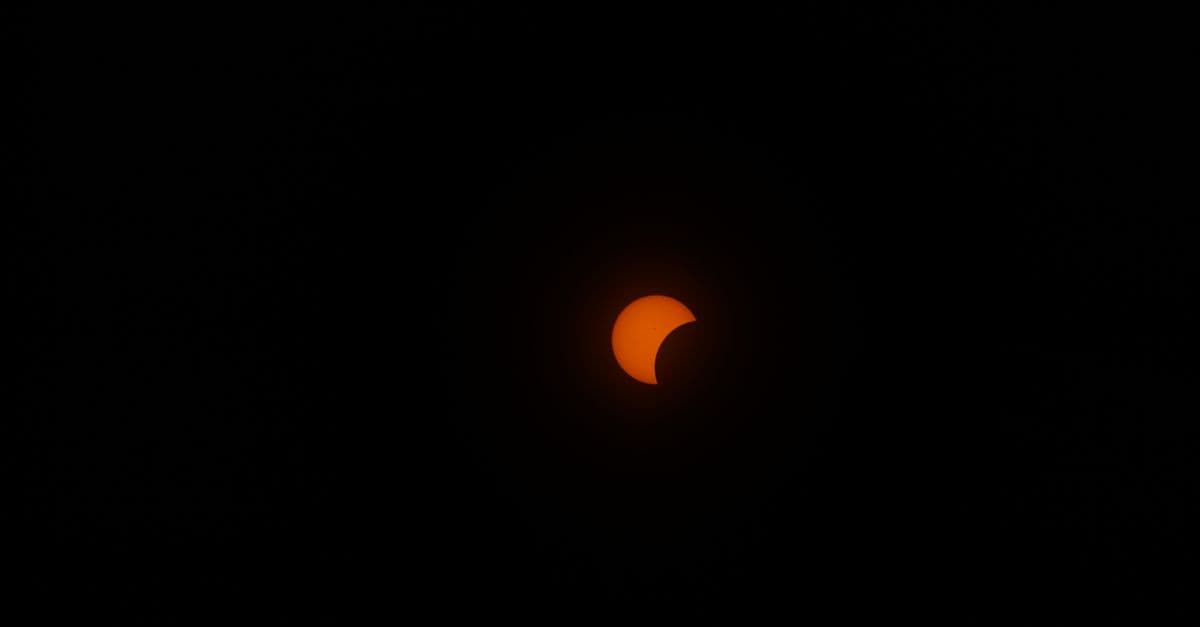
If the Sun were swapped for a black hole of the same mass, Earth's orbit would not change at all. The danger is the lost sunlight, which would turn the surface into a frozen, lightless world.

Orbit demands about 7.8 km/s of sideways speed, the Moon is 384,000 km away, and Mars is at least 55 million km. Here is the physics of getting to space, the history of exploration, and where Artemis, Starship, and Mars stand as of October 2026.
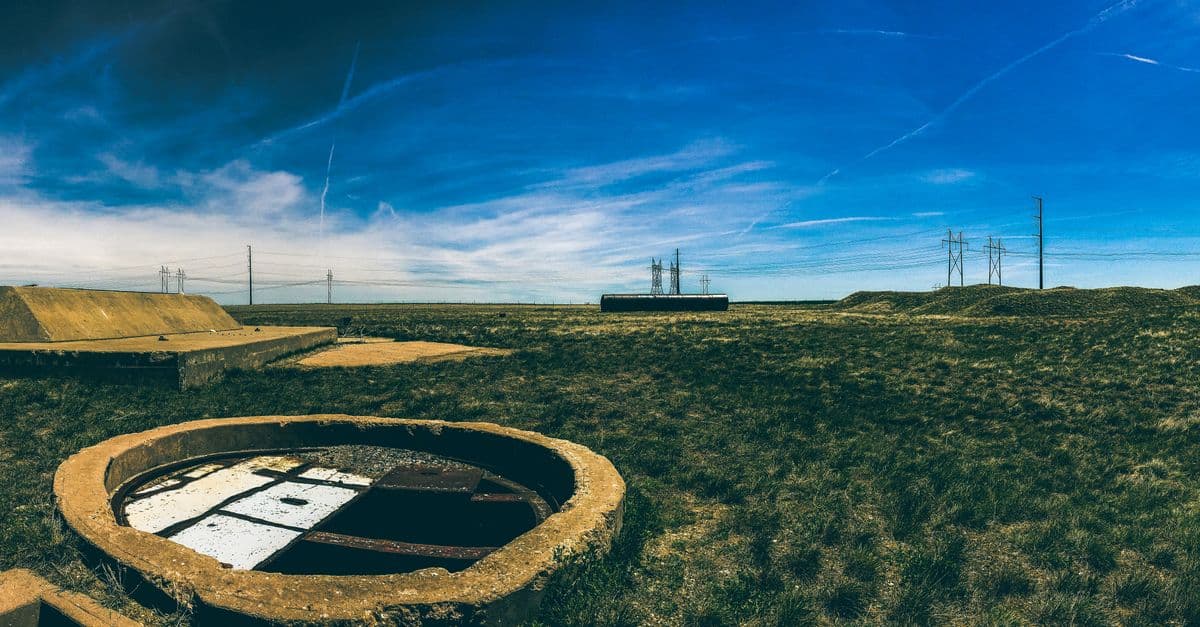
The bombs dropped on Hiroshima and Nagasaki fissioned less than a kilogram of material each. Modern warheads are larger, but not a thousand times larger. Here is the physics, the arms-control record, and the evidence for and against the explanations of why none has been used in war since.