
Experiments
The Voyager Grand Tour Explained
Voyager used rare planetary alignment, gravity assists, and durable engineering to transform knowledge of the outer Solar System.
8 articles tagged with #Saturn
Voyager used rare planetary alignment, gravity assists, and durable engineering to transform knowledge of the outer Solar System.
Saturn's tiny moon Enceladus shoots plumes of water vapor and hydrogen gas into space from cracks in its icy crust. Those plumes carry direct evidence of 90°C hydrothermal vents on the ocean floor — the same kind of environment where life on Earth may have started.
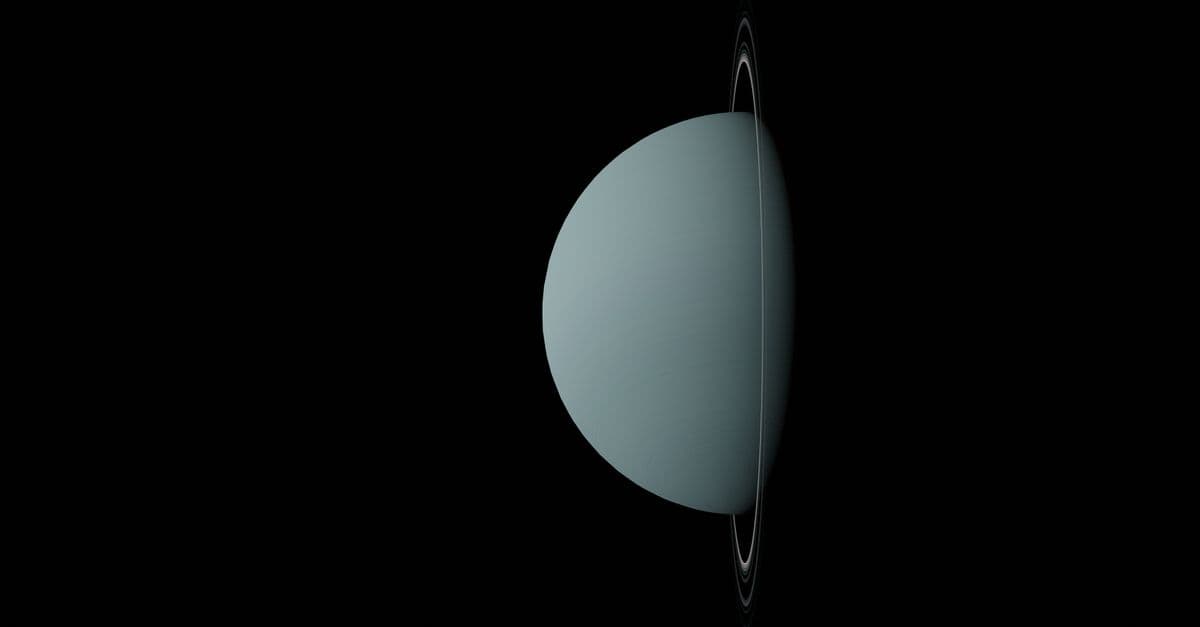
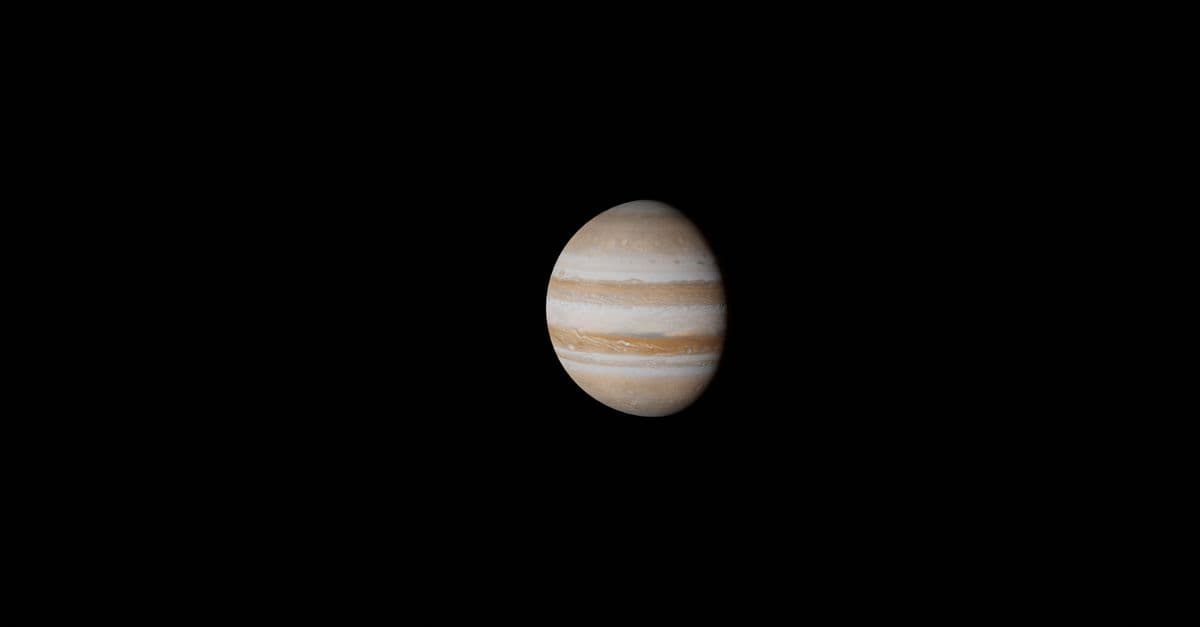
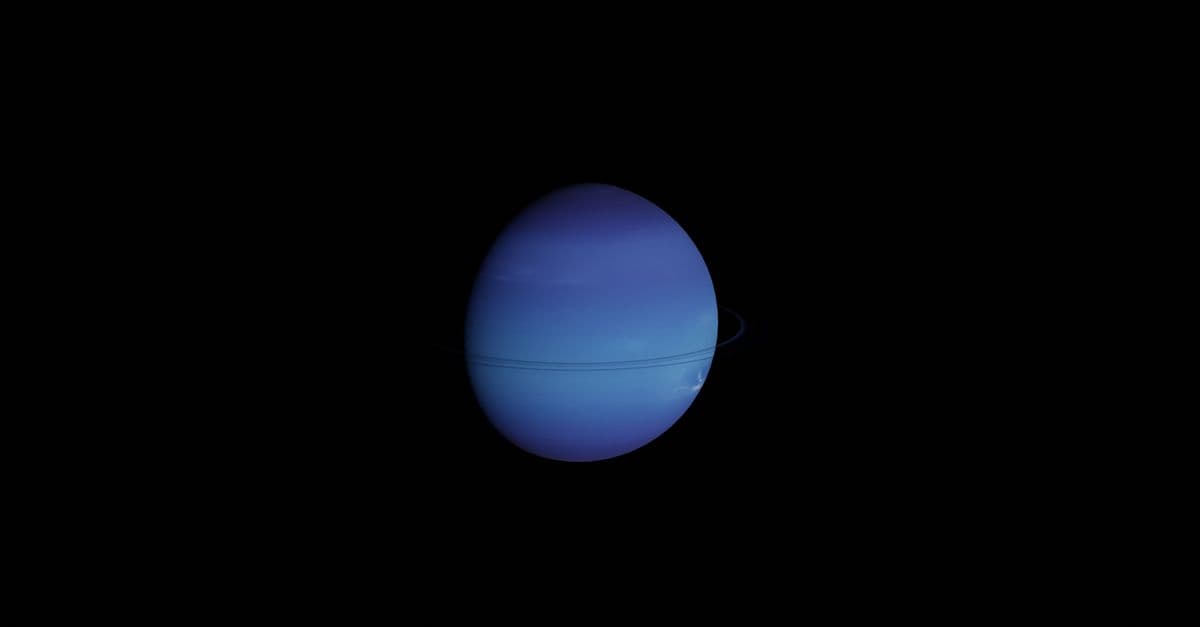
Saturn's rings are the solar system's most famous structure, but they are far from unique. Uranus has 13 dark, narrow rings discovered by accident in 1977. Neptune has incomplete arcs instead of full circles. Jupiter has a faint ring made of dust blasted off its innermost moons by meteorite impacts. All four giant planets have rings — and they all work differently. Saturn's may be geologically young, which raises a question nobody has fully answered: where did they come from?
In 2017, NASA deliberately destroyed the Cassini spacecraft by plunging it into Saturn. Before it died, it made 22 passes through a region no spacecraft had ever entered — the 2,000-kilometer gap between Saturn and its innermost rings. The data it collected upended what scientists thought they knew about the rings' age, mass, and origin, and revealed a magnetic field so perfectly symmetrical it has no right to exist.
How Saturn got its rings, why they're disappearing, and why they're paper-thin — the full story from Galileo to Cassini's grand finale.
Saturn's iconic rings are made of more than 90% water ice and span nearly 300,000 km across, yet they are only about 10 meters thick. Surprisingly young in cosmic terms, the rings are slowly draining into Saturn and will vanish entirely in roughly 100 million years.
Launched in 1977, the two Voyagers are still flying. Voyager 1 is now over 25 billion km from Earth, both have entered interstellar space, and they carry a golden record meant for any aliens who might find them.
Beneath the icy crusts of Europa and Enceladus lie liquid water oceans that have existed for billions of years. They might be the best places to find alien life in our Solar System.