The Search for Extraterrestrial Life: Where Do We Stand?
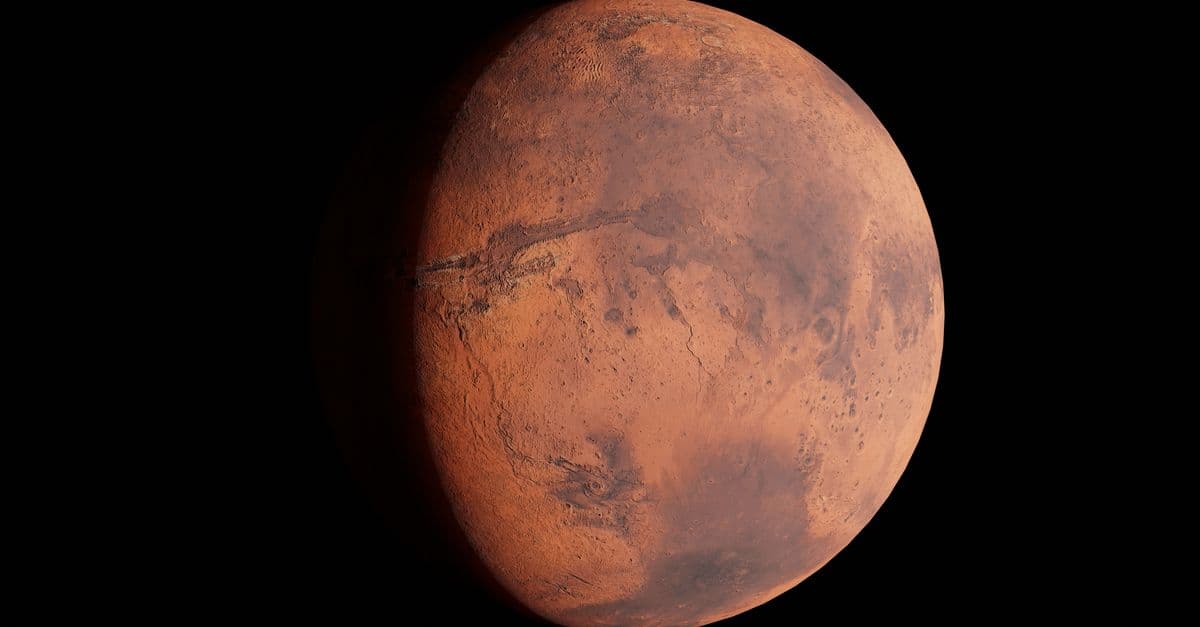
The search for life beyond Earth focuses on two main questions: (1) Has intelligent life evolved elsewhere in the cosmos? (2) Has life in any form (microbial) emerged on exoplanets or moons? The Drake Equation (1961) estimated the number of communicative civilizations in the Milky Way at N = R × f_p × n_e × f_l × f_i × f_c × L, yielding estimates from 1 to 1 million civilizations depending on parameter assumptions. Yet 70 years of SETI (Search for Extraterrestrial Intelligence) has found no confirmed signals. Meanwhile, exoplanet discoveries (5,500+ as of 2026) reveal that habitable-zone Earth-like planets are common. Mars, Europa, and Enceladus show signs of liquid water and reduced carbon compounds. JWST observations have detected biosignature candidates in exoplanet atmospheres. The paradox is stark: habitable worlds appear common, yet no confirmed biosignatures have been found. This article reviews the evidence for habitable zones, biosignature detection, and the Fermi Paradox.