Space
Asteroids, Comets, and Meteors — What's the Difference?
Asteroids, comets, meteoroids, meteors, and meteorites — what each one is, where they come from, and how scientists study them.
21 articles tagged with #solar-system
Asteroids, comets, meteoroids, meteors, and meteorites — what each one is, where they come from, and how scientists study them.
If the Sun vanished right now, we'd have 8 minutes of sunlight left. Then darkness, plummeting temperatures, and Earth drifting into interstellar space.
Eight minutes after the Sun vanishes, Earth goes dark. What happens to life, physics, and civilization in the days that follow?
Launched in 1977, Voyager 1 and 2 are now in interstellar space — and still phoning home after nearly five decades.
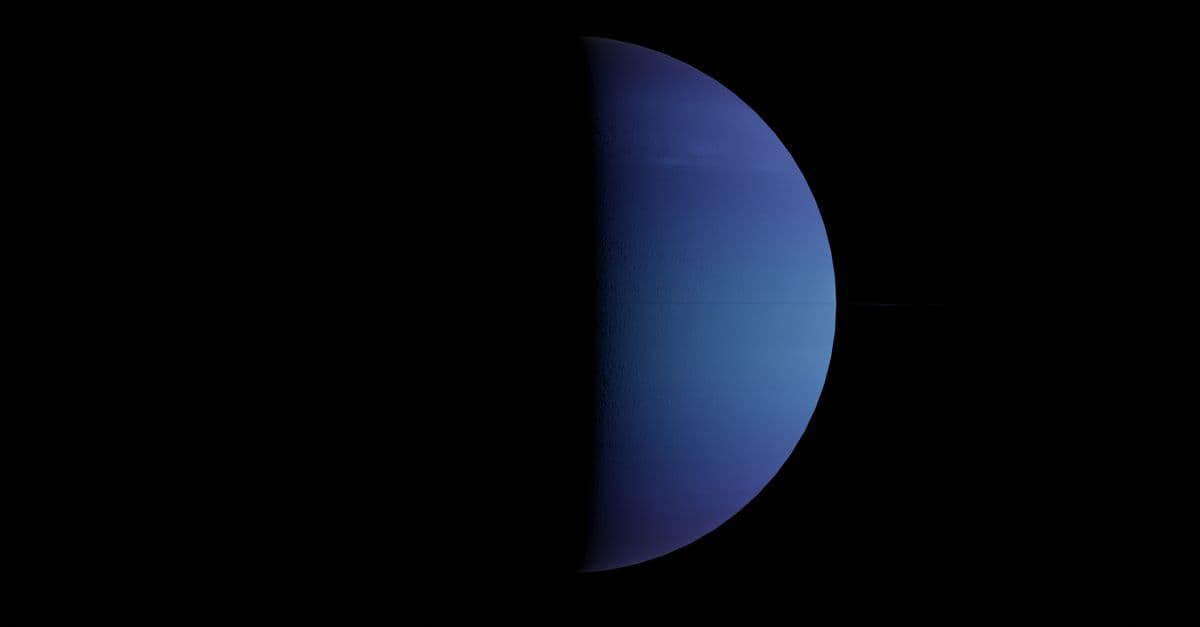
There may be more rogue planets — wandering worlds without stars — than there are stars in the galaxy. If one drifted into our solar system, even a brief passage could destabilize planetary orbits and reshape Earth's climate for millennia.
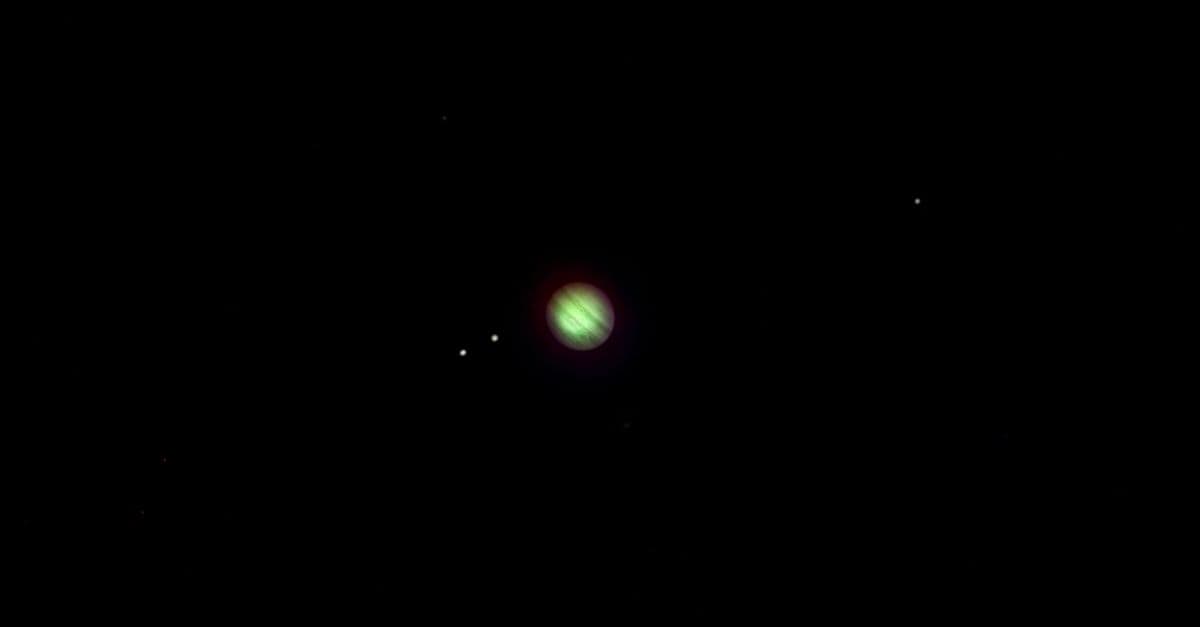
Jupiter is sometimes called a 'failed star' — but it would need to be 80 times more massive to ignite hydrogen fusion. If we somehow gave it enough mass, our solar system would gain a faint red dwarf companion, and Earth would barely notice.
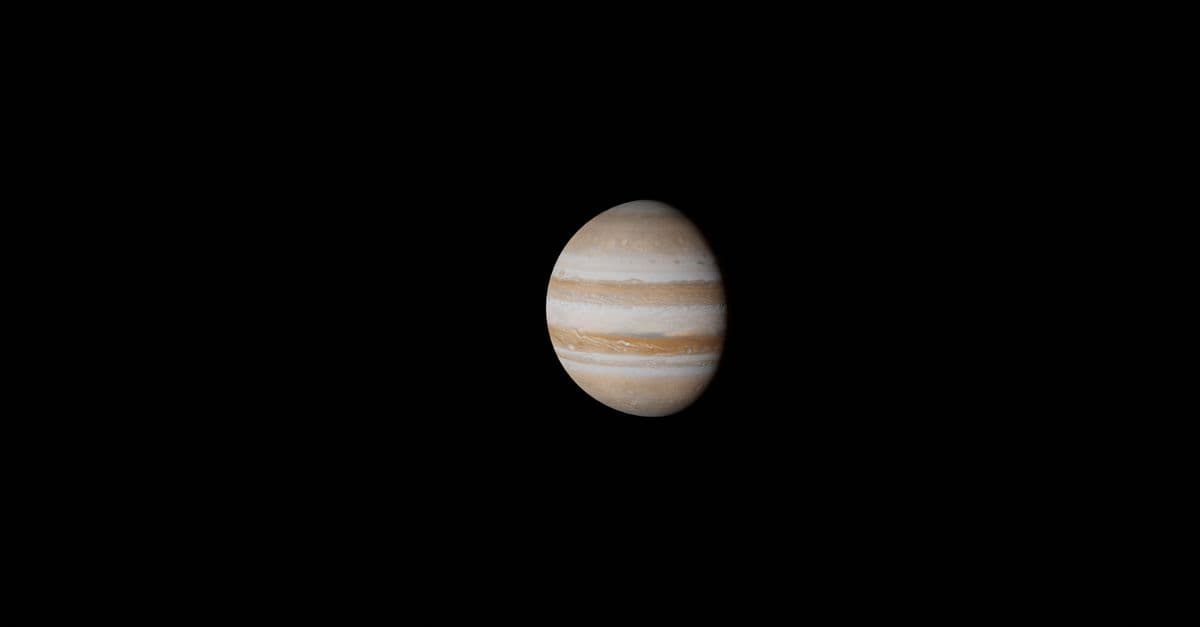
Saturn's iconic rings are made of more than 90% water ice and span nearly 300,000 km across, yet they are only about 10 meters thick. Surprisingly young in cosmic terms, the rings are slowly draining into Saturn and will vanish entirely in roughly 100 million years.
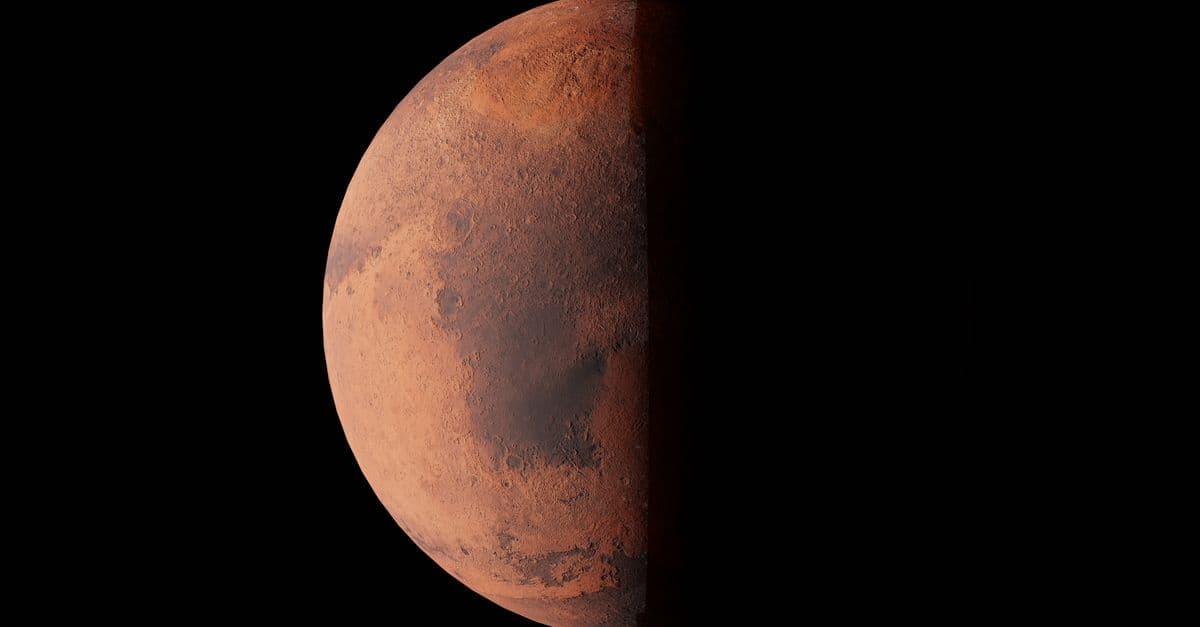
Planetary differentiation is how a hot, partly molten world sorts itself by density, with iron sinking to a core and lighter rock rising to form a mantle and crust. Here is what drives it, how fast it happens, and how we know.
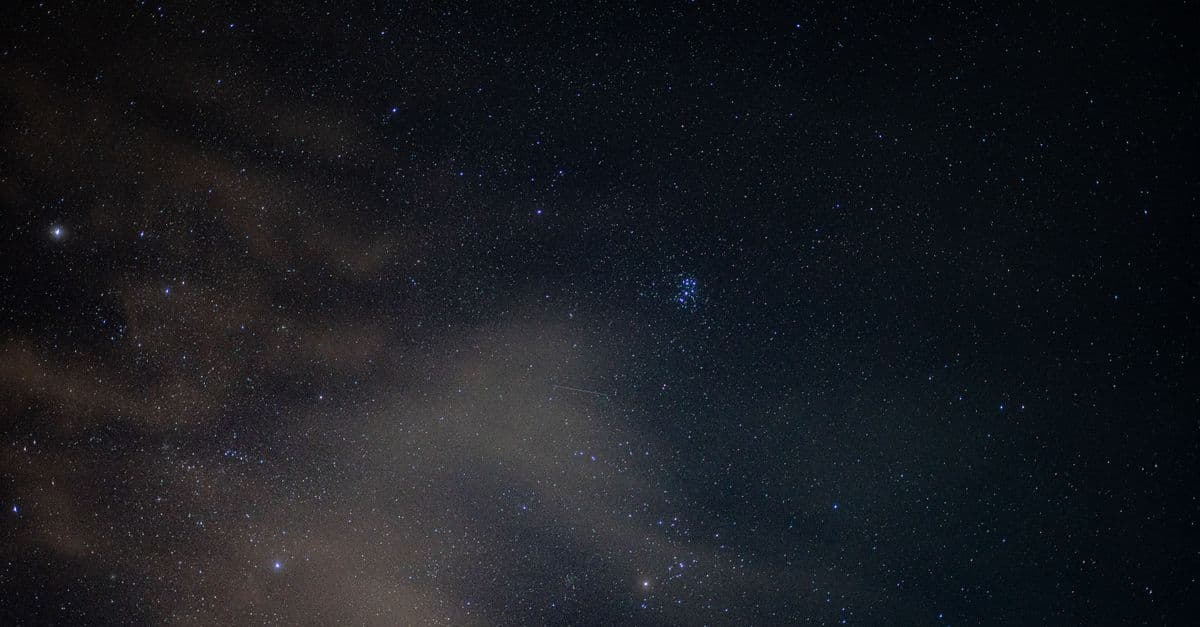
Most stars in the galaxy are in binary systems. If our solar system had two suns, Earth's orbit might be stable — or chaotic. The climate would be stranger, the sky alien, and the evolution of life might have gone very differently.