Inventions
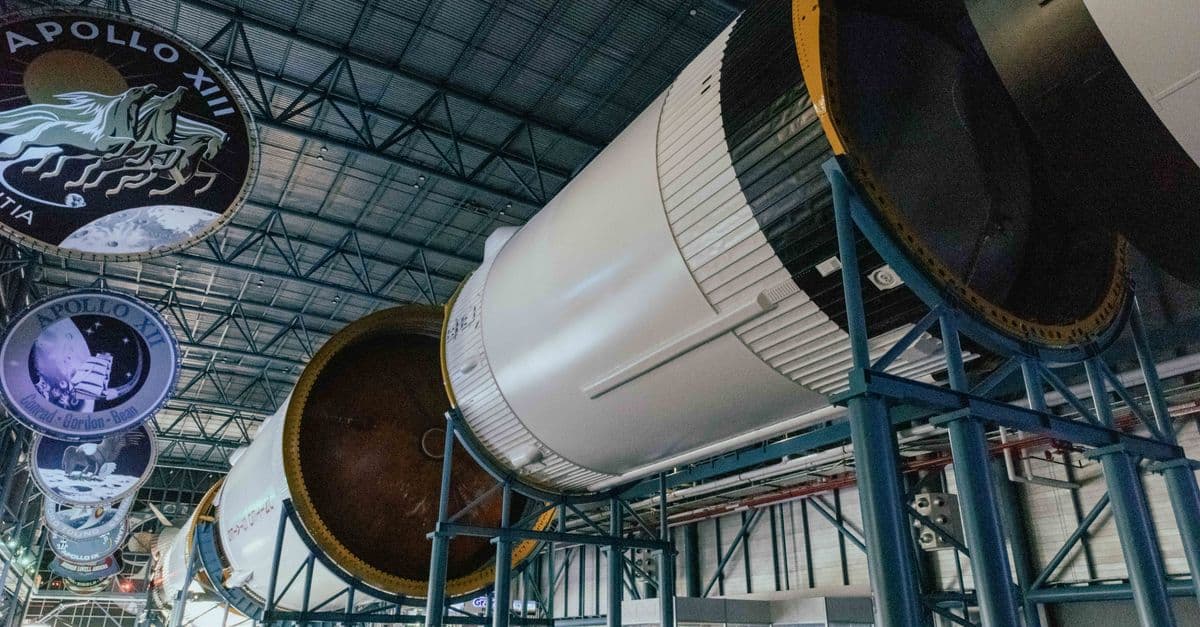
The Rocket: From Gunpowder Tubes to Reusable Spacecraft
How the liquid-fuel rocket was invented — from Tsiolkovsky's 1903 equation to Goddard's 1926 launch, the V-2, Apollo, and SpaceX's reusable boosters.
11 articles tagged with #SpaceX
How the liquid-fuel rocket was invented — from Tsiolkovsky's 1903 equation to Goddard's 1926 launch, the V-2, Apollo, and SpaceX's reusable boosters.
SpaceX Starship is the largest rocket ever built — 121m tall, fully reusable, designed for Mars. How Raptor engines, orbital refueling, and Flight 13 work.
SpaceX in 2026: Starship's V3 flights, Falcon 9 reuse, Starlink growth, a reshaped Artemis plan, and how China and rival rockets compete in the new space race.
Astronomy and cosmology explained: the Solar System, stars, black holes, galaxies, the Big Bang, exoplanets and how we observe, with a deep dive for each topic.
SpaceX figured out how to land rockets upright and fly them again. It's not magic — it's physics, software, and sheer persistence.
The United States leads every satellite count, largely because of Starlink: 11,114 of the 16,988 active satellites tallied on October 12, 2026. Here is how the major counts differ, who is next, and what the rankings leave out.
Space exploration began on October 4, 1957, when the Soviet Union launched Sputnik 1. In the decades since, humans have walked on the Moon, robots have visited every planet, a space station has been continuously crewed since 2000, and Artemis II sent four astronauts around the Moon in April 2026.
The United States dominates space tourism — SpaceX, Blue Origin, and Virgin Galactic are all American companies. Only 30+ private citizens have reached space as tourists since 2001. Russia's Soyuz programme was the world's first commercial space tourism route before it ended in 2009.

Orbit demands about 7.8 km/s of sideways speed, the Moon is 384,000 km away, and Mars is at least 55 million km. Here is the physics of getting to space, the history of exploration, and where Artemis, Starship, and Mars stand as of October 2026.
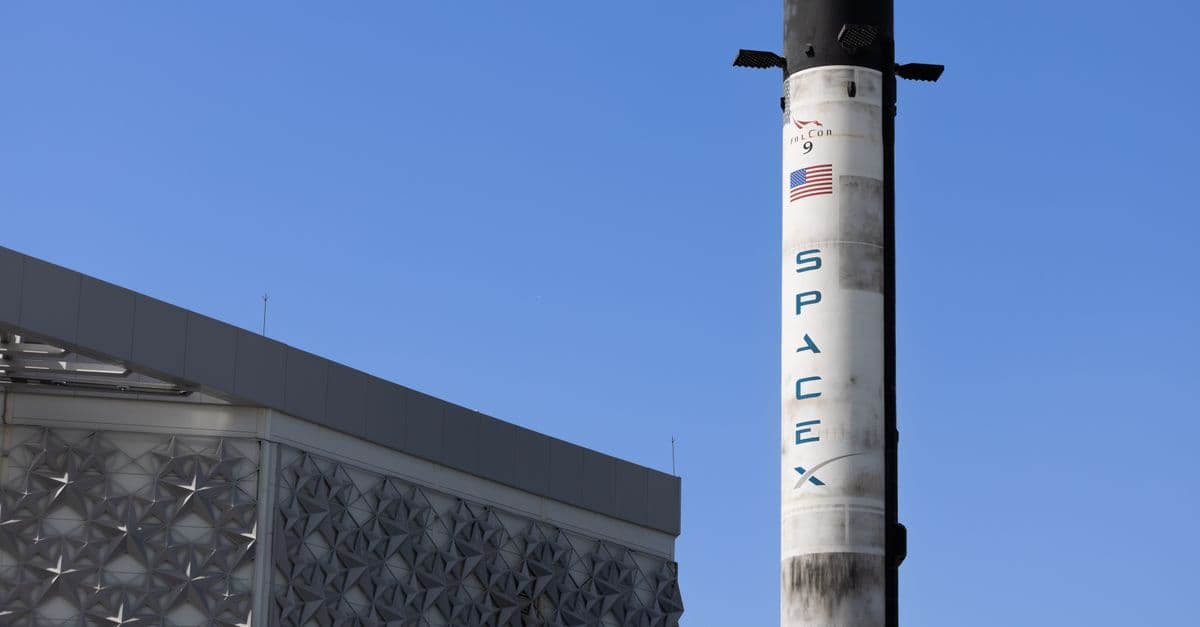
Getting to orbit once meant spending hundreds of millions of dollars to throw away a rocket. Reusable boosters changed the arithmetic, and the next generation of vehicles is trying to change it again.
From Newton's third law to the Tsiolkovsky rocket equation, this is what actually happens inside a rocket engine, how engine cycles differ, and why efficiency and thrust pull in opposite directions.