Skip to content
ISSUE 10.30.26/24 CATEGORIES

stars

11 articles tagged with #stars

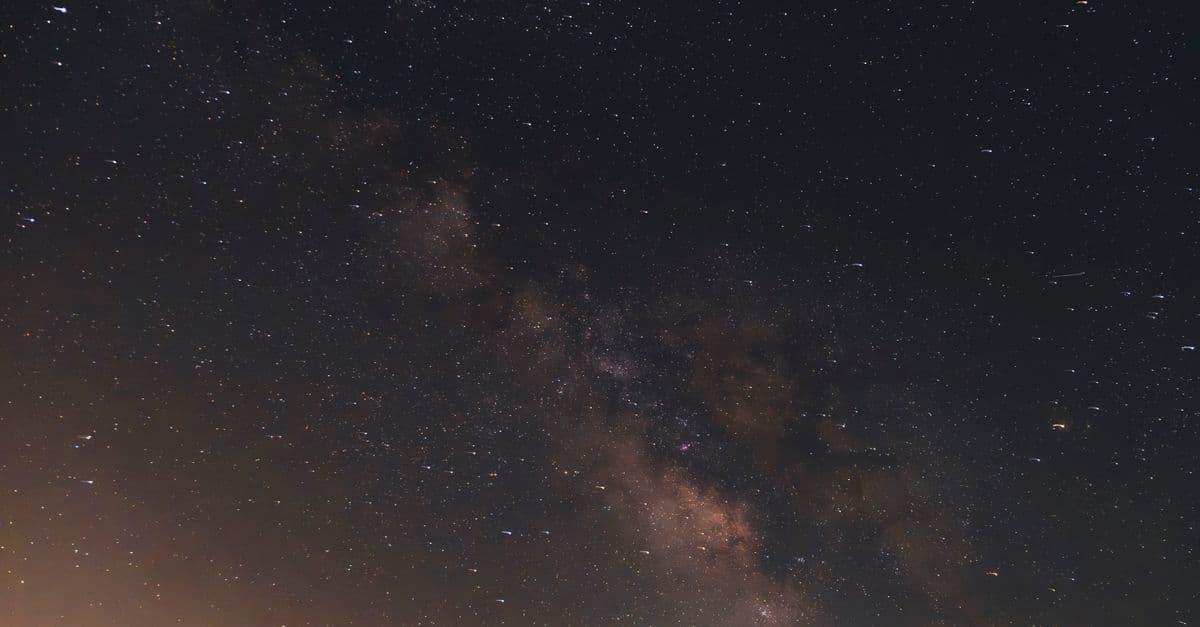
Stunning view of the Milky Way galaxy with countless stars visible against a dark night sky.
Space

Why Do Stars Twinkle? The Science of Atmospheric Seeing

Stars twinkle because Earth's turbulent atmosphere bends starlight in constantly shifting ways. Because stars are infinitely distant, they act as point sources, so even tiny bends in light rays cause dramatic brightness and color flickers. Planets, being much closer, show a small disk that averages out the jitter. Twinkling is worst near the horizon and is why the best observatories sit on mountaintops or in orbit.


Editorial Team·June 26, 2026·16 min
Close-up of vintage vinyl records in a music store display, emphasizing classic album covers.
World Records

The Biggest Stars in the Universe: A Sun So Vast It Could Swallow Saturn's Orbit

If you placed the star UY Scuti where our Sun is, its surface would engulf Mercury, Venus, Earth, Mars, and reach out past the orbit of Jupiter. It is one of the largest known stars — a hypergiant so vast that light takes hours to cross it. Yet by another measure, this colossus is a lightweight: a star can be a thousand times wider than the Sun and still weigh less than the heaviest stars, which are smaller but unimaginably dense. Size, in space, is not what it seems.

Editorial Team·June 15, 2026·22 min
Close-up of vintage vinyl records displayed on a rustic brick wall, creating an artistic, nostalgic atmosphere.
World Records

The Most Massive Objects in the Universe: Stars, Black Holes, and Cosmic Walls

Stephenson 2-18 is a star so large that if it replaced the Sun, its surface would engulf Saturn's orbit. The black hole at the center of galaxy TON 618 contains 66 billion solar masses — more than the combined mass of every star in the Milky Way. The Hercules-Corona Borealis Great Wall spans 10 billion light-years, a structure so enormous that its very existence challenges the standard cosmological model. Mass in the universe operates at scales that have no human analogy, and each record reveals a different physical constraint — or its violation.

Editorial Team·June 2, 2026·15 min
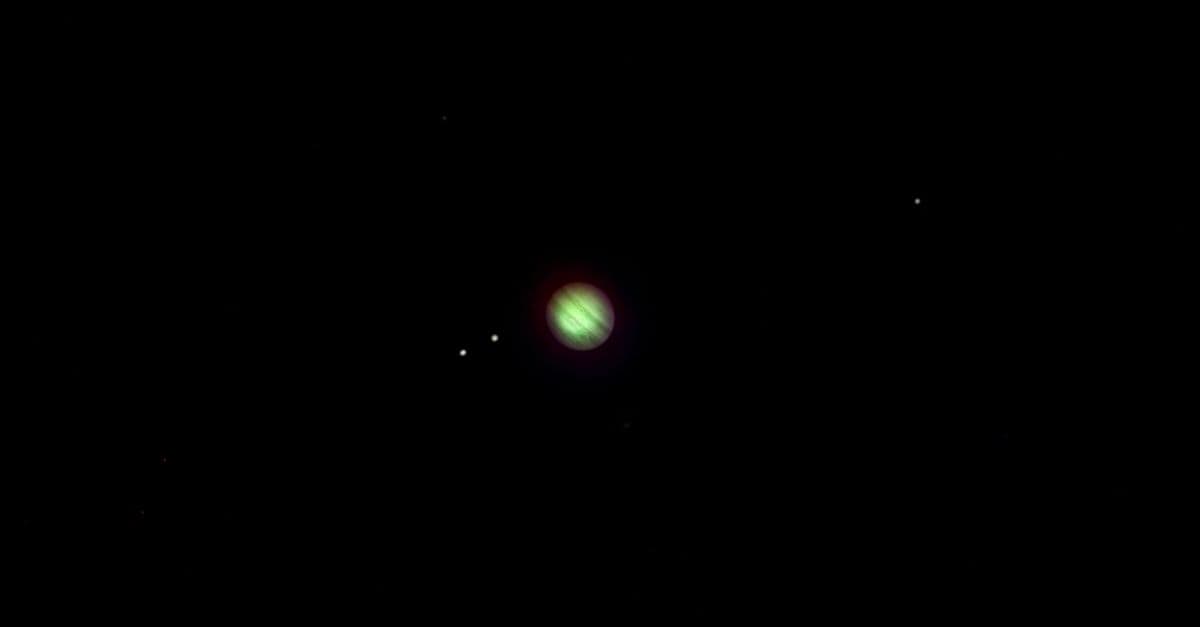
A striking night view of Jupiter with its moons captured in vibrant detail against a black sky.
What If

What If Jupiter Became a Star?

Jupiter is sometimes called a 'failed star' — but it would need to be 80 times more massive to ignite hydrogen fusion. If we somehow gave it enough mass, our solar system would gain a faint red dwarf companion, and Earth would barely notice.

Editorial Team·May 6, 2026·17 min