Experiments
The Voyager Grand Tour Explained
Voyager used rare planetary alignment, gravity assists, and durable engineering to transform knowledge of the outer Solar System.
11 articles tagged with #Voyager
Voyager used rare planetary alignment, gravity assists, and durable engineering to transform knowledge of the outer Solar System.
At 11:53 UTC on December 24, 2024, the Parker Solar Probe reached 692,000 km/h — fast enough to travel from Earth to the Moon in 33 minutes. That is the fastest any object built by humans has ever moved. But speed records in spaceflight tell a deeper story about orbital mechanics, gravity assists, and the hard physics that governs how fast anything can actually go. This article traces the full hierarchy of speed, from the first satellites to the probe that briefly outran the solar wind itself.
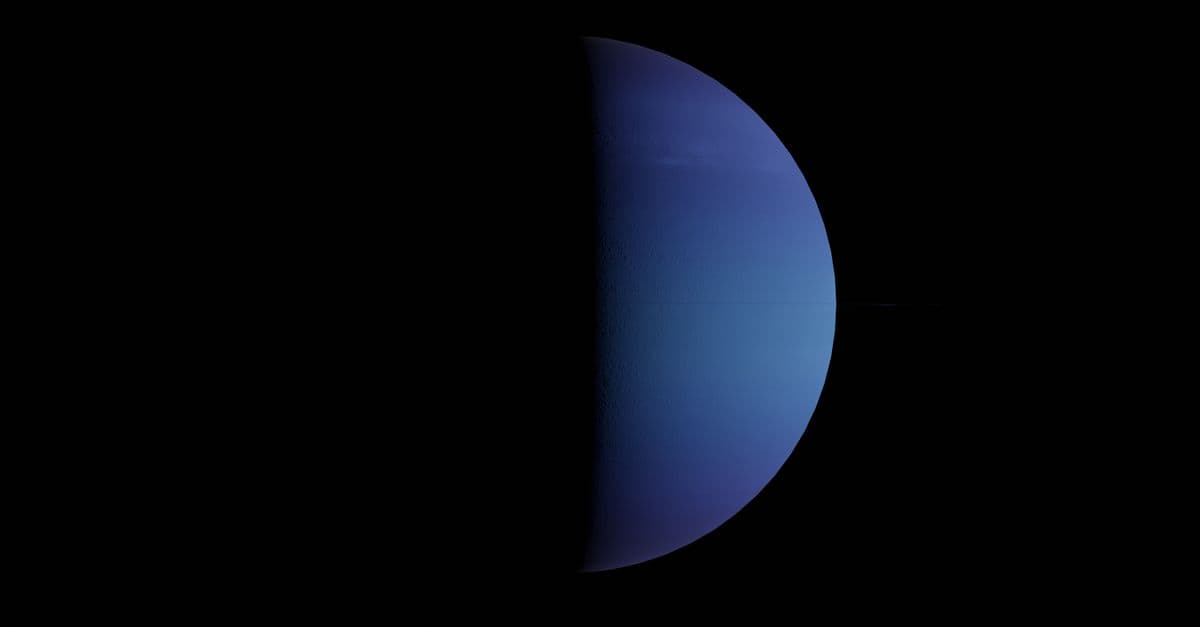
Triton orbits Neptune backward, spews nitrogen geysers from a surface colder than anywhere else in the solar system, and is gradually spiraling toward a catastrophic end. It almost certainly came from the Kuiper Belt — and its violent capture may have reshaped the entire Neptunian system.
Carl Sagan's life, verified quirks, and scientific legacy: the Voyager Golden Record, marijuana essays, nuclear winter, and billions and billions of stars.
What's actually on the gold disc bolted to Voyager 1 and 2, how aliens could play it, and where the spacecraft are headed next.
Launched in 1977, Voyager 1 and 2 are now in interstellar space — and still phoning home after nearly five decades.
Space exploration began on October 4, 1957, when the Soviet Union launched Sputnik 1. In the decades since, humans have walked on the Moon, robots have visited every planet, a space station has been continuously crewed since 2000, and Artemis II sent four astronauts around the Moon in April 2026.
The solar wind is a continuous outflow of charged particles, mostly protons and electrons, from the Sun's hot corona. It moves at roughly 400 to 800 km/s, bends the interplanetary magnetic field into a spiral, inflates the heliosphere, pushes comet ion tails away from the Sun, drives auroras, and helps strip planetary atmospheres. Voyager 1 crossed the heliopause, where the wind gives way to interstellar space, in 2012.
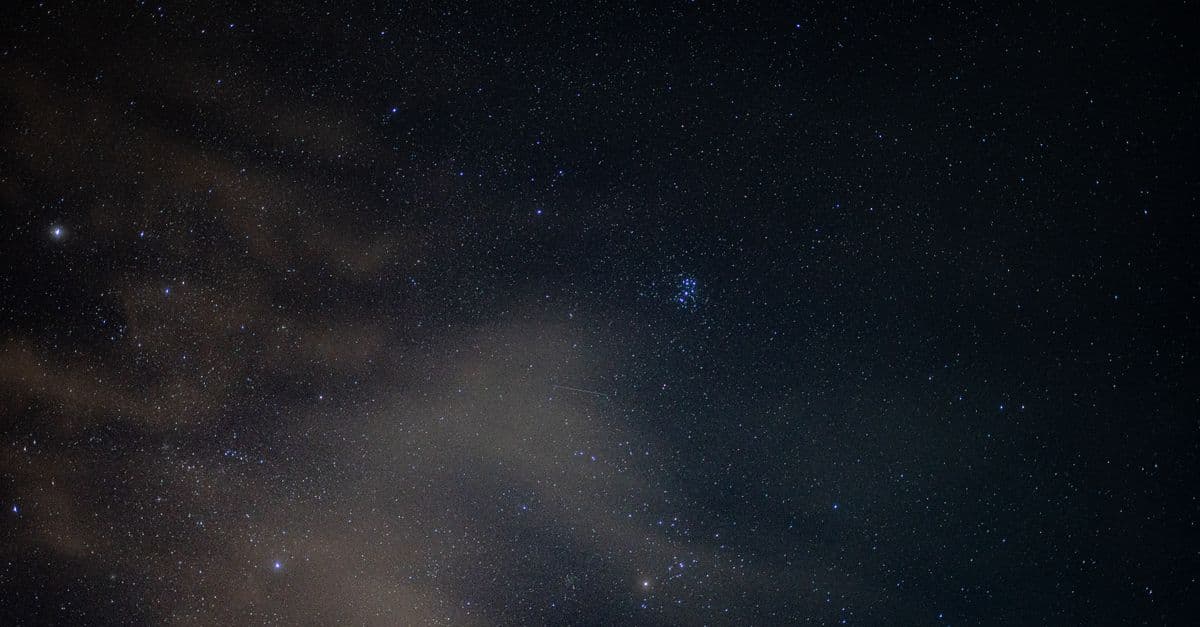
The heliosphere is a vast bubble of solar wind plasma around the Sun, reaching roughly 120 AU toward the direction we are moving. It deflects a large share of low-energy galactic cosmic rays. Voyager 1 crossed its outer boundary, the heliopause, in 2012 and Voyager 2 followed in 2018.
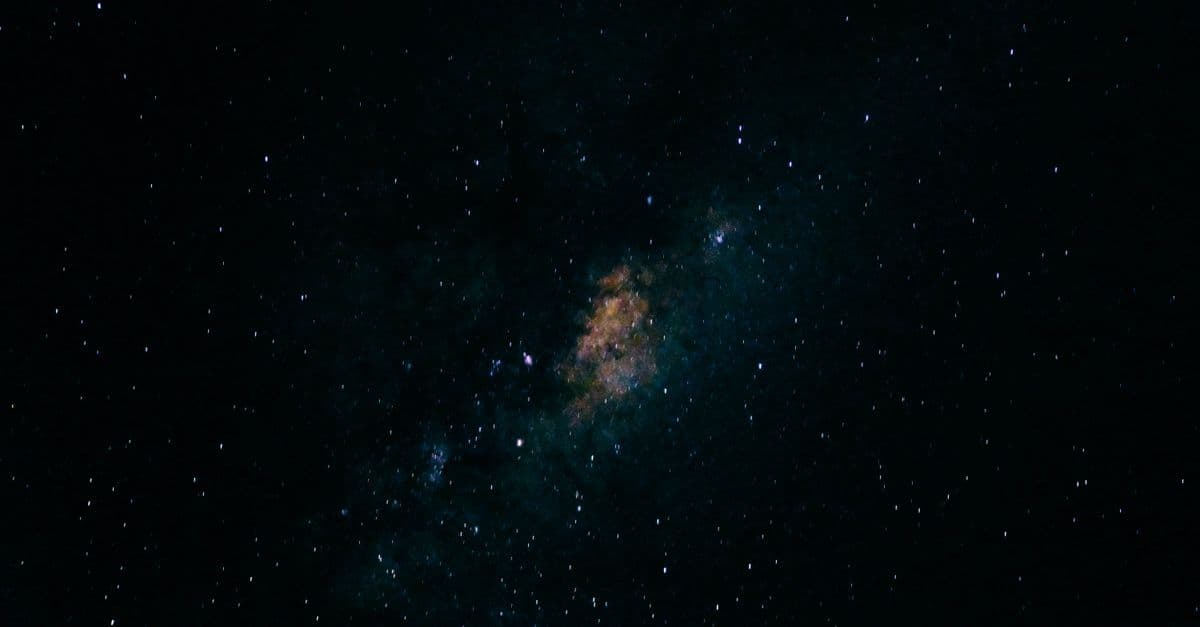
Deep space navigation is mostly done from the ground: NASA's Deep Space Network measures a spacecraft's range, velocity, and angular position from radio signals, then models its path. Gravity assists and onboard autonomy handle the rest.
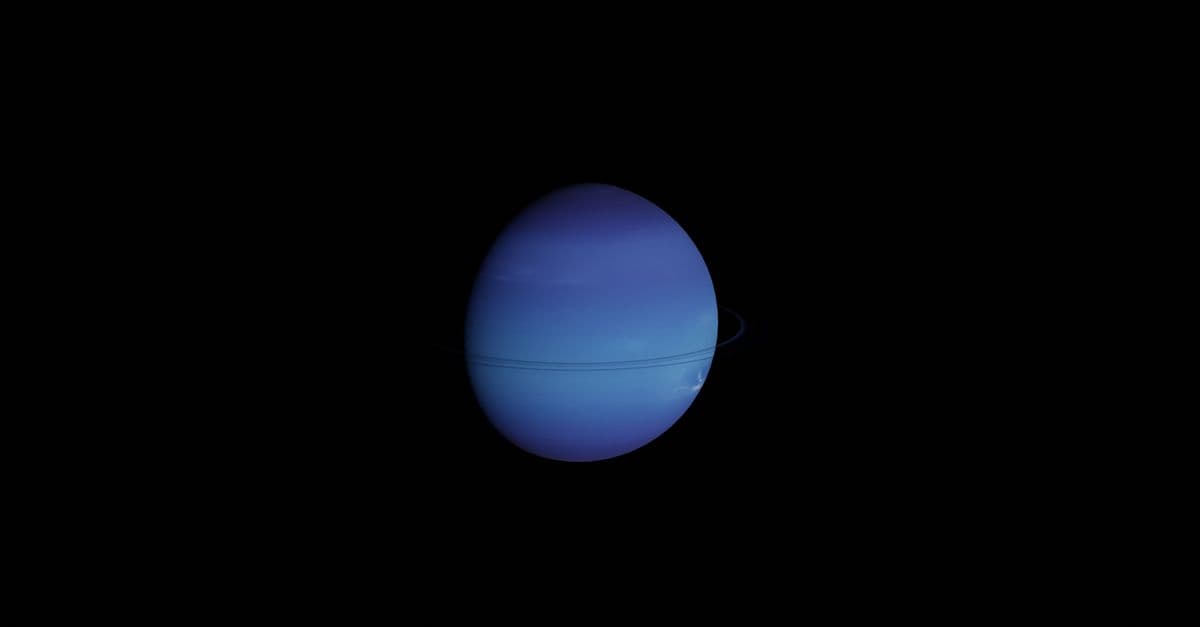
Launched in 1977, the two Voyagers are still flying. Voyager 1 is now over 25 billion km from Earth, both have entered interstellar space, and they carry a golden record meant for any aliens who might find them.