Skip to content
ISSUE 10.29.26/24 CATEGORIES

what-if

94 articles tagged with #what-if

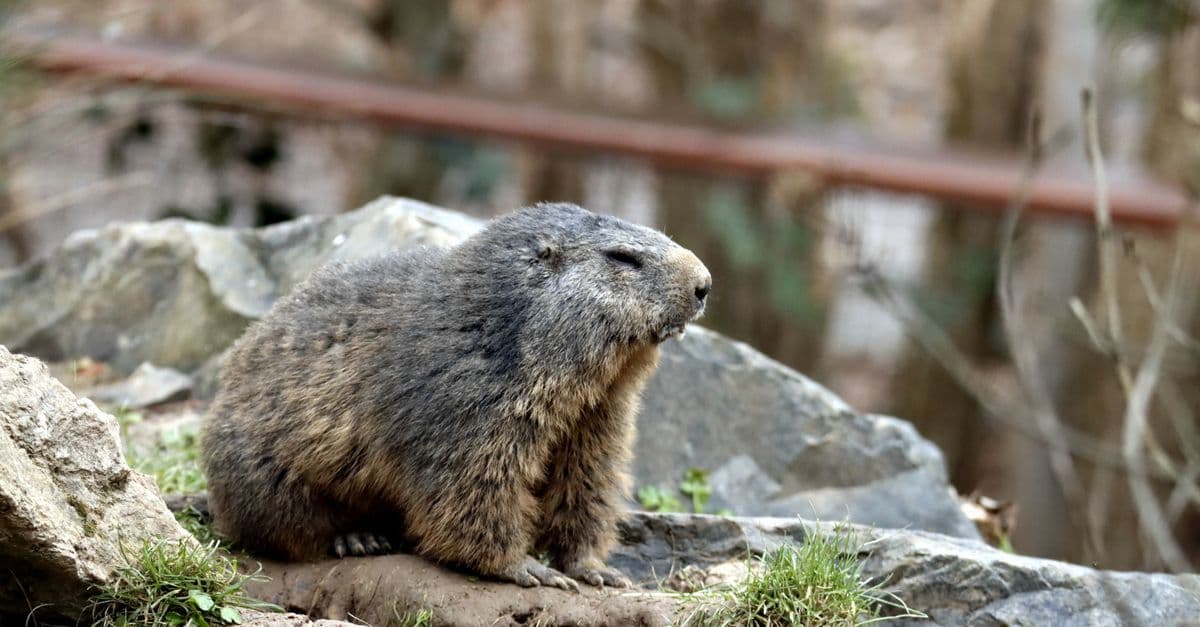
A groundhog sitting on rocks in an outdoor setting, enjoying a serene moment.
What If

What If Humans Could Hibernate Like Bears?

Bears enter hibernation — a state of profound metabolic depression where heart rate drops 90%, body temperature falls 10°C, and they survive months without eating. If humans evolved this ability, it would revolutionize medicine, space exploration, and civilization by allowing suspension of biological aging and safe exploration of extreme environments.

Editorial Team·May 7, 2026·16 min
A human brain model placed on a blue plate, viewed from above against a pastel background.
What If

What If Language Completely Shaped Thought?

The Sapir-Whorf hypothesis suggests language shapes thought. What if this were true at an extreme — if the structure of language completely determined cognition? People speaking different languages would literally think differently, with no way to fully translate between languages. Reality itself would become language-dependent.

Editorial Team·May 7, 2026·17 min
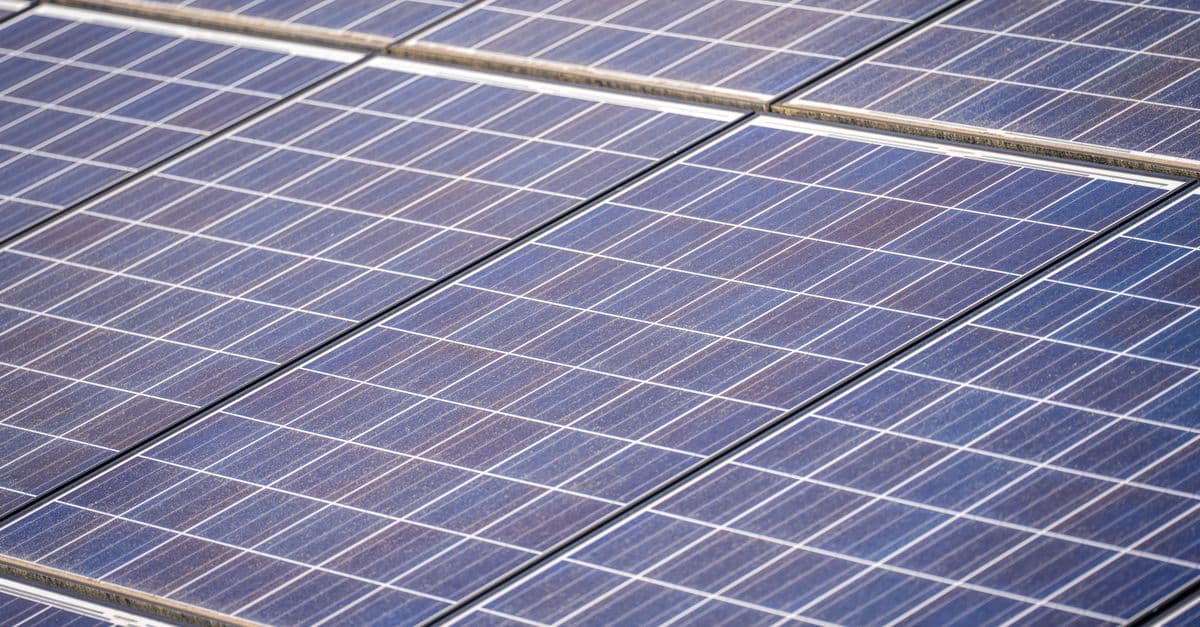
Detailed view of solar panels in a solar farm highlighting renewable energy technology.
What If

What If the Sun Was 10% Dimmer?

The Sun's output is remarkably steady, but even small, sustained drops in solar energy can reorganize Earth's climate. A 10% dimmer Sun is a thought experiment, not a forecast — modeled here through real climate physics: energy balance, ice-albedo feedback, and the paleoclimate record.

Editorial Team·May 7, 2026·20 min
Top view of cutout paper composition of virus on round shaped cell on green background
What If

What If Viruses Became Intelligent?

Viruses are the most numerous lifeforms on Earth, but they're simple — just RNA or DNA wrapped in protein. They replicate by hijacking cells. If viruses evolved intelligence, they could become the apex predators of the biological world, infecting and controlling complex organisms with surgical precision.

Editorial Team·May 7, 2026·17 min
Abstract image of fine particles floating against a black background.
What If

What If Magnetic Monopoles Existed?

Magnetism in everyday life comes from dipoles (north and south poles). If magnetic monopoles existed — isolated magnetic charges with no opposite pole — they would reshape physics, revolutionize particle accelerators, and potentially enable new technologies like monopole-powered engines.

Editorial Team·May 7, 2026·21 min
Captivating long exposure shot of star trails spiraling across the night sky.
What If

What If We Found a Time Machine?

Say a working time machine turns up tomorrow, an artifact and not a theory. Before anyone uses it, scientists would have to prove it is real, governments would fight over who owns it, and the first people through the door would run into the causality wall that makes time travel physics so strange.

Editorial Team·May 7, 2026·23 min
Stunning display of the aurora australis over the night sky in Sheffield, Tasmania, Australia.
What If

What If Radioactive Decay Stopped?

Radioactive decay provides Earth's internal heat, drives plate tectonics, and powers the magnetic field. If it stopped, Earth would cool, tectonics would cease, the magnetic field would die, and life would face increased radiation. Over billions of years, Earth would become a cold, geologically dead world.

Editorial Team·May 7, 2026·8 min
Captivating image of an active volcanic eruption with smoke and lava flow.
What If

What If Continents Collided Differently?

Over geological time, continents have repeatedly collided, separated, and reformed in different configurations. If the continents had assembled differently — say, forming a supercontinent at the equator, or never breaking apart from Pangaea — the climate, life, and evolution would be radically different.

Editorial Team·May 7, 2026·18 min