Technology
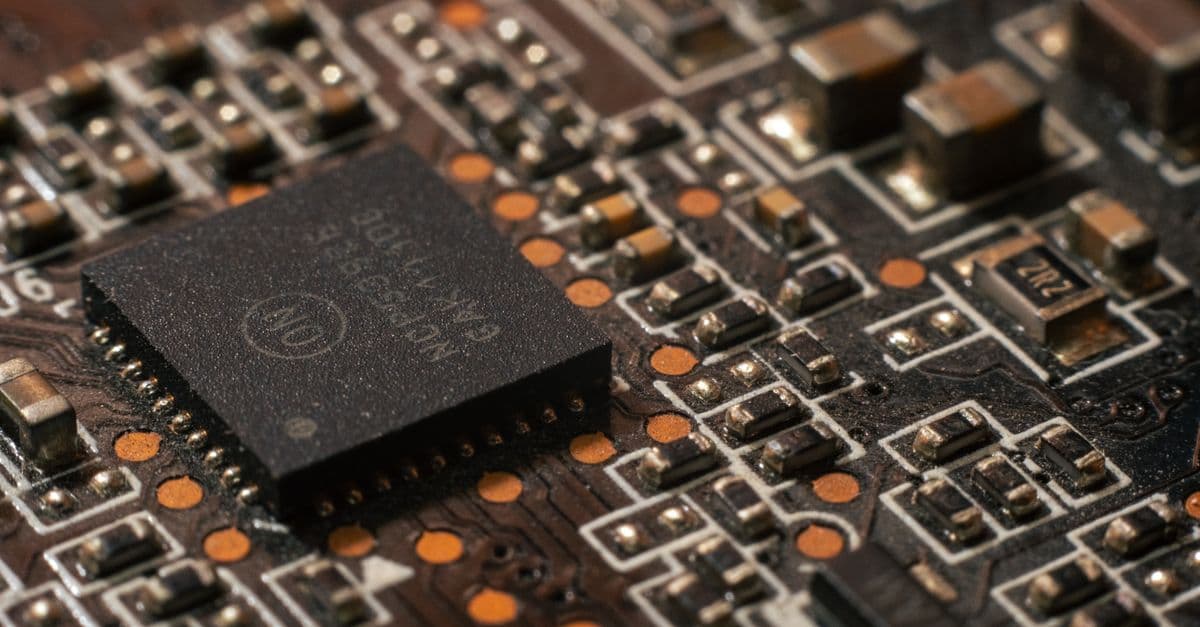
How Semiconductor Fabs Work
A chip fab is one of the most complex factories on Earth. This article explains cleanrooms, wafers, lithography, etching, deposition, inspection, and yield.
Breaking tech news: smartphones, software, cybersecurity, startups, and the biggest technology company developments explained.
A chip fab is one of the most complex factories on Earth. This article explains cleanrooms, wafers, lithography, etching, deposition, inspection, and yield.

Humanoid robots combine AI, batteries, motors, hands, perception, and manufacturing economics. This guide explains what is real, what is hard, and where they may work first.
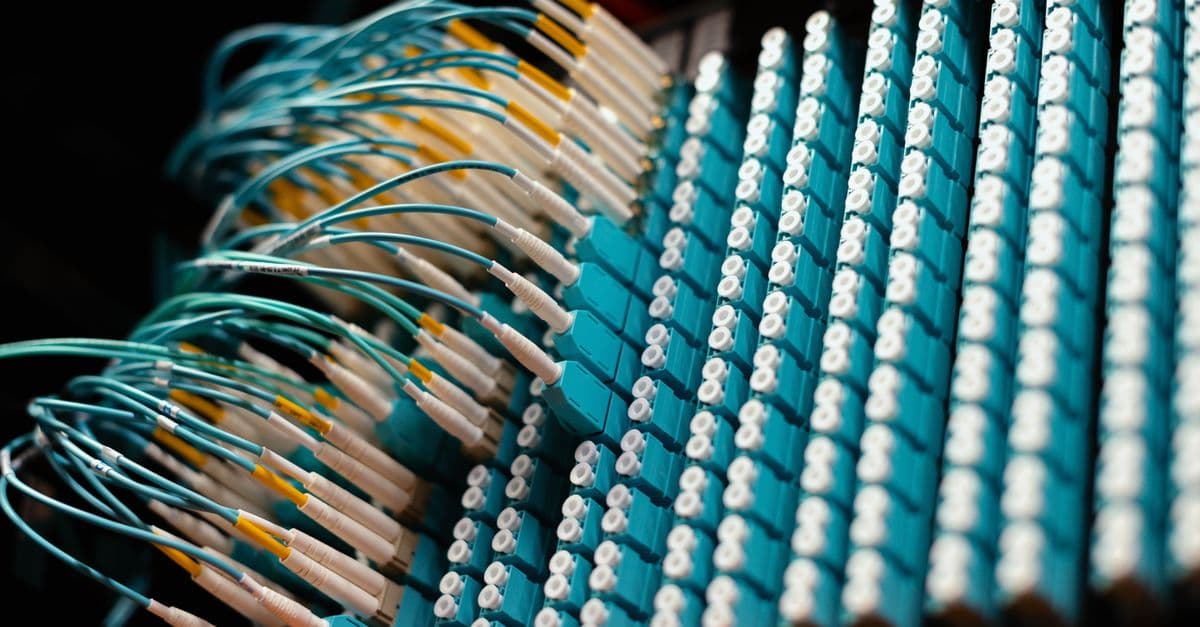
The quantum internet is not faster Wi-Fi. It is a network for distributing quantum states, entanglement, and ultra-secure communication under strict physical limits.

Smart glasses are moving from failed gadgets to AI wearables. This guide explains display types, cameras, audio, battery limits, and privacy questions.
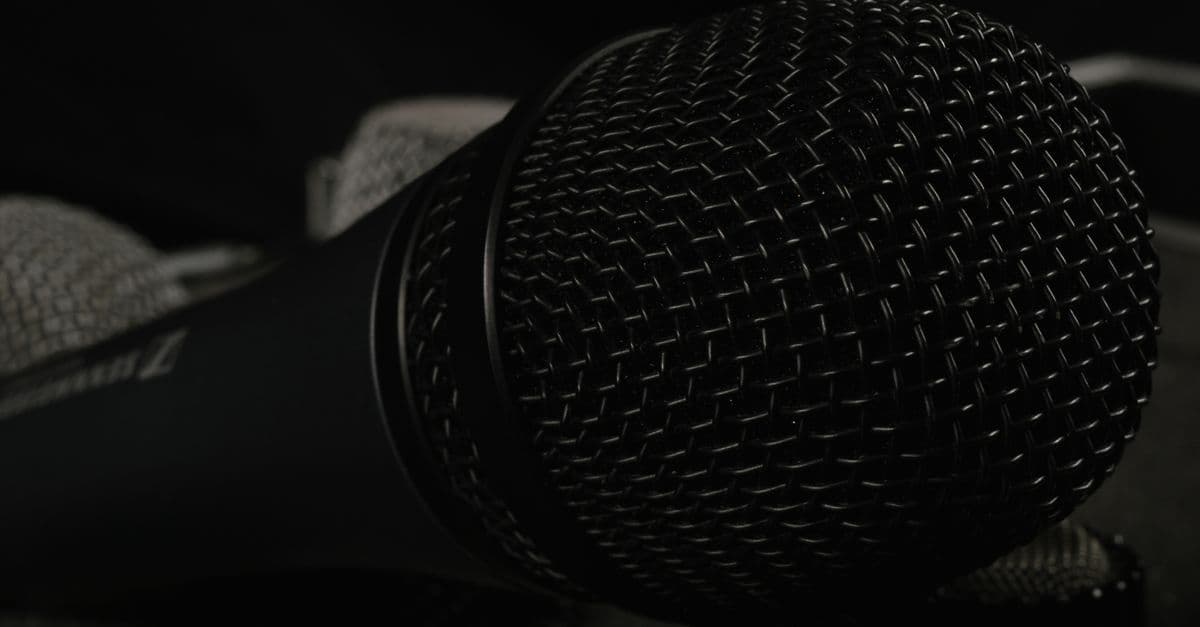
A microphone is a transducer that converts pressure waves in air into electrical signals, and there are at least six fundamentally different ways to accomplish that conversion, each with trade-offs in sensitivity, ruggedness, and frequency response.
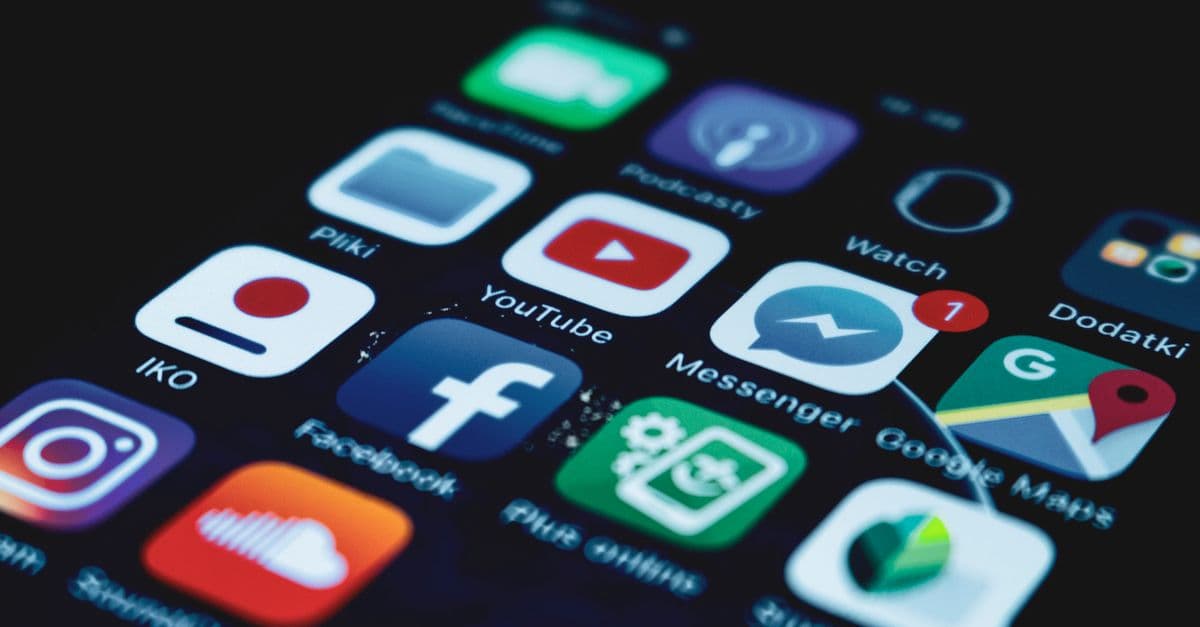
App Store Optimization is the discipline of maximizing your mobile app's visibility, downloads, and engagement across app stores. Unlike web SEO, ASO operates on a much shorter timescale and focuses on on-store signals: app name, keywords, screenshots, ratings, and conversion rate. The App Store and Google Play use different algorithms, pricing models, and user expectations. ASO has become non-negotiable because 70 percent of users discover apps through search, not browsing, and a single percentage point improvement in conversion rate translates directly to thousands of additional installs per month.

Ransomware attacks tripled year-over-year between Q1 2024 and Q1 2025. The average time attackers spend exploiting a known vulnerability dropped from 700 days in 2020 to 44 days in 2025. AI is now on both sides of every attack. Here is what the current threat landscape looks like, what is driving it, and what organizations and individuals can do about it.
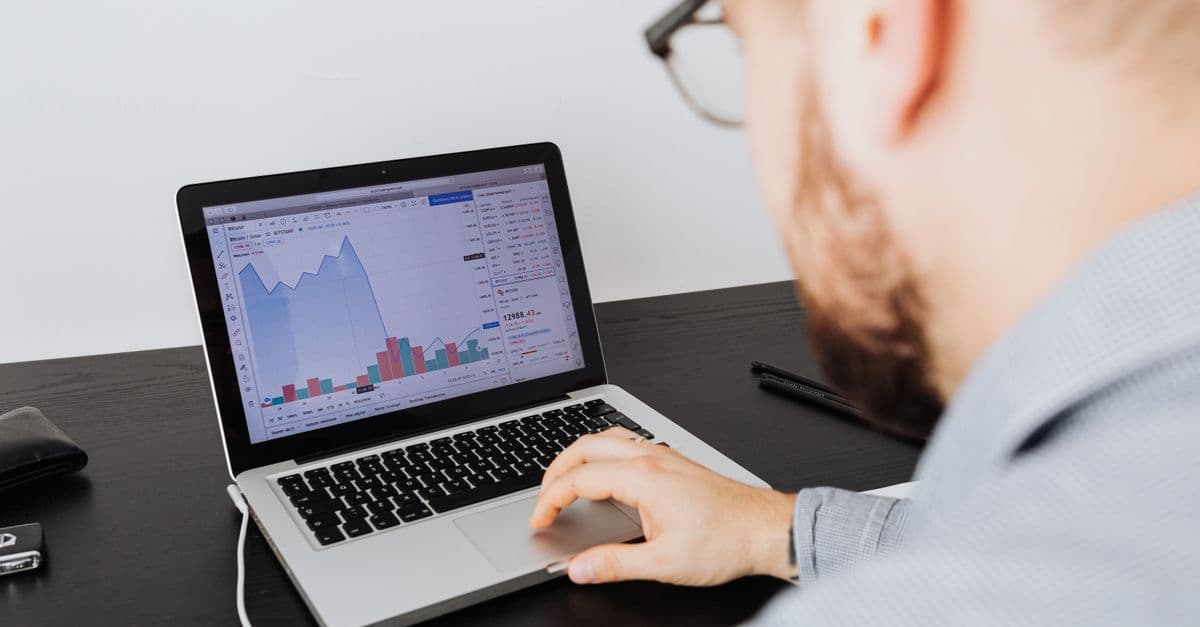
The tech skills that mattered in 2020 (HTML, Excel macros) are not enough in 2026. This year, five skills shape how people work: data literacy (reading and critiquing data claims), AI tool usage (using ChatGPT, Claude, and AI assistants effectively), basic automation (writing simple scripts or using no-code tools), cybersecurity hygiene (password managers, two-factor authentication, phishing resistance), and prompt engineering (structuring requests to AI to get better outputs). You do not need to be a programmer, but you need to know what AI can do, how to protect yourself, and how to automate boring work.
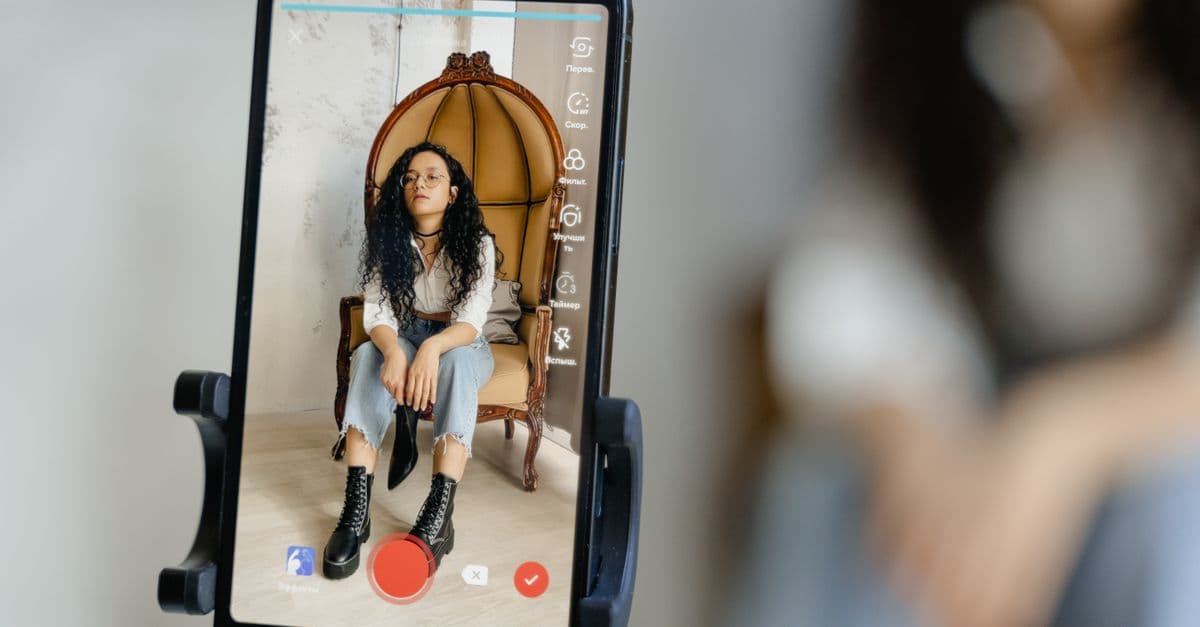
TikTok's For You Page (FYP) is powered by a recommendation engine that does one thing obsessively: predict which video you will watch longest. It uses watch time, replays, shares, and dozens of secondary signals to build a real-time model of your interests — then tests that model continuously by mixing in new content. Understanding the mechanics explains why the feed feels eerily accurate and why some videos reach millions of people who have never heard of the creator.

A personal brand is the consistent image, message, and value you project across the internet. Unlike corporate branding, personal brands are built on authenticity, expertise, and sustained presence rather than slick advertising. The best personal brands emerge from aligned intent: you build them by becoming genuinely good at something, sharing what you learn publicly, and showing up repeatedly. The timeline is realistic—18-36 months to reach 10,000 engaged followers—and the tactics are simple: pick one platform, publish consistently, engage authentically. The trap is trying to be everywhere at once, chasing virality, or performing a false version of yourself. Personal brands that stick outlast hype because they are built on actual skill and genuine personality, not fake authority.

Your memory is a retrieval system, not a storage system. A brain neuron firing at the moment you need to recall information is vastly more important than the amount of information you have stored. Digital note-taking tools—Obsidian, Notion, Roam Research, LogSeq—enable you to externalize information into a structure that enhances retrieval. The framework is Tiago Forte's PARA system: Capture raw information, Organize into Projects and Areas, Distill into clear ideas, Express by synthesizing notes into written work. This is not about collecting notes passively; it is about building a networked knowledge system where ideas link, cross-pollinate, and compound over time. The science of external memory and spaced repetition shows that people who maintain a 'second brain' learn 20-40 percent faster than those who rely on biological memory alone.
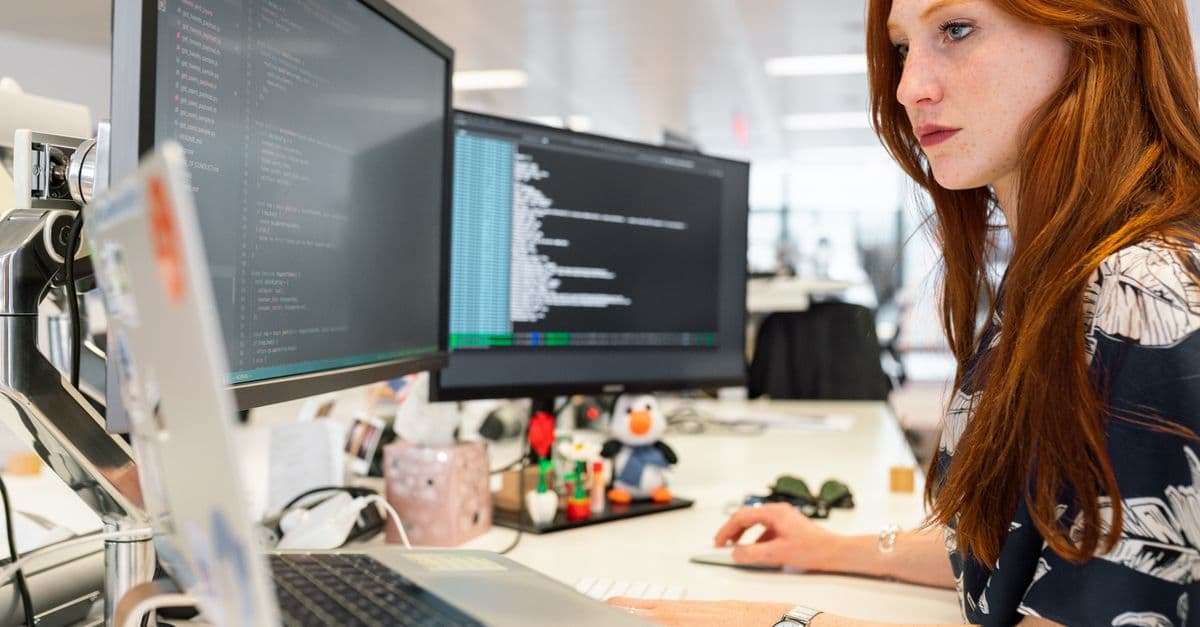
Building a website in 2026 requires zero coding knowledge for most use cases — but the choices you make in the first hour determine whether you're fighting the tool for years or growing smoothly. Here is what the options actually are, what they cost, and the path most first-timers should take.