
Technology
How Satellites Orbit Earth: The Physics and Engineering Behind Eyes in the Sky
There are over 8,000 active satellites orbiting Earth right now. Here's how they stay up and what they do.
Breaking tech news: smartphones, software, cybersecurity, startups, and the biggest technology company developments explained.
There are over 8,000 active satellites orbiting Earth right now. Here's how they stay up and what they do.

Object detection went from slow two-stage pipelines to real-time single-pass networks and transformer detectors. Here is how each generation works and what the benchmark numbers mean.
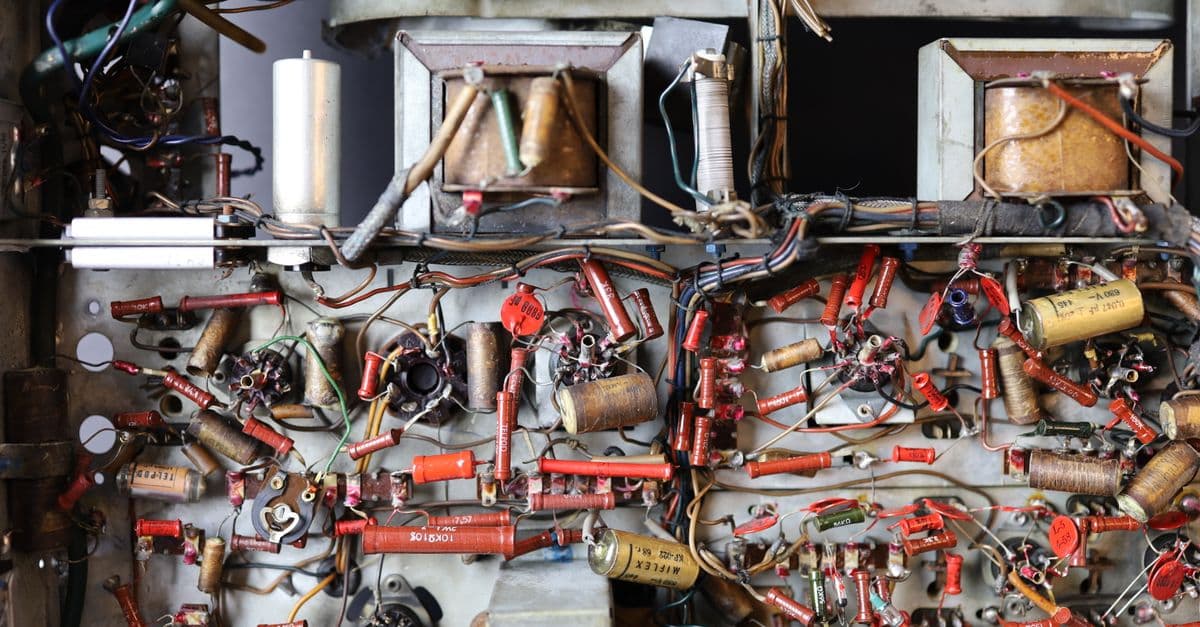
Demonstrated at Bell Labs in December 1947, the transistor became the building block of every digital device on earth.

Machine learning now helps pick which tests to run, steer fuzzers toward crashes, draft unit tests, and flag anomalies in production. Here is what published results show, and where the tools still fail.
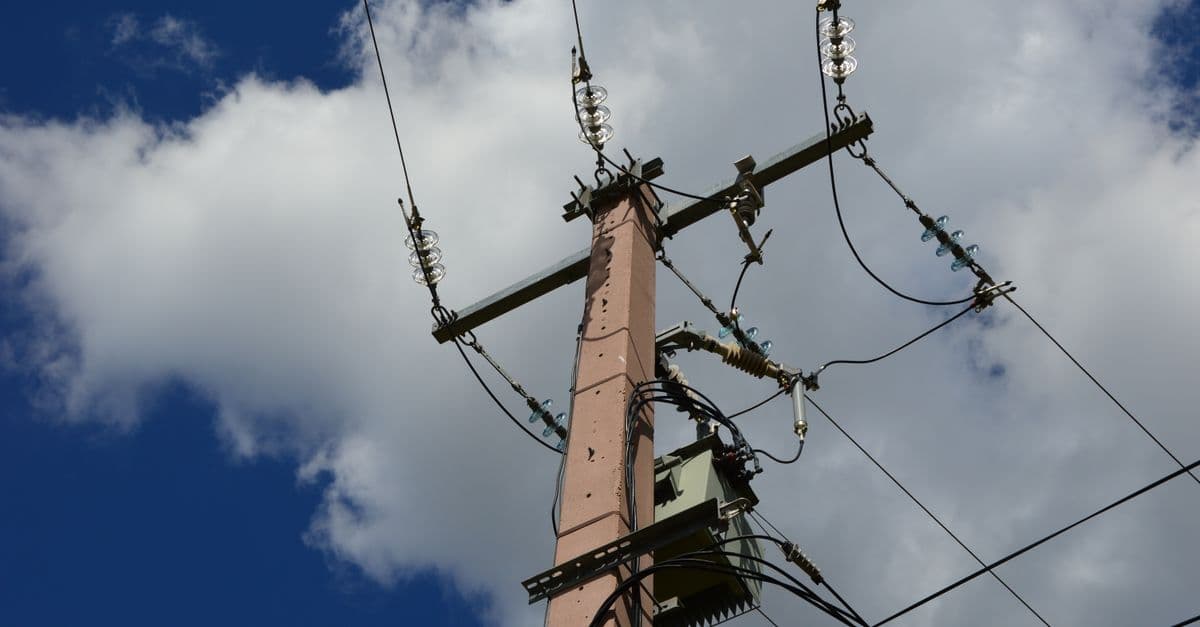
Electricity was a scientific curiosity in 1800. Within 100 years it was lighting cities and running factories.

A single GE90-115B turbofan is rated at 115,300 pounds-force of thrust. The physics behind it is a short chain of ideas: squeeze air, burn fuel in it, and let the hot gas do work.

From smallpox to COVID-19, vaccines are humanity's most powerful medical technology. Here's how we discovered them.

AI-driven network routing is replacing static algorithms in 5G—reducing latency, balancing load, and adapting to traffic in real time.
A strand of glass thinner than a human hair can carry more information than all the copper wires ever made. Here's the physics behind it.

DeepMind's reinforcement learning system cut Google's data center cooling energy by 40%—a case study in applying AI to climate-critical infrastructure.
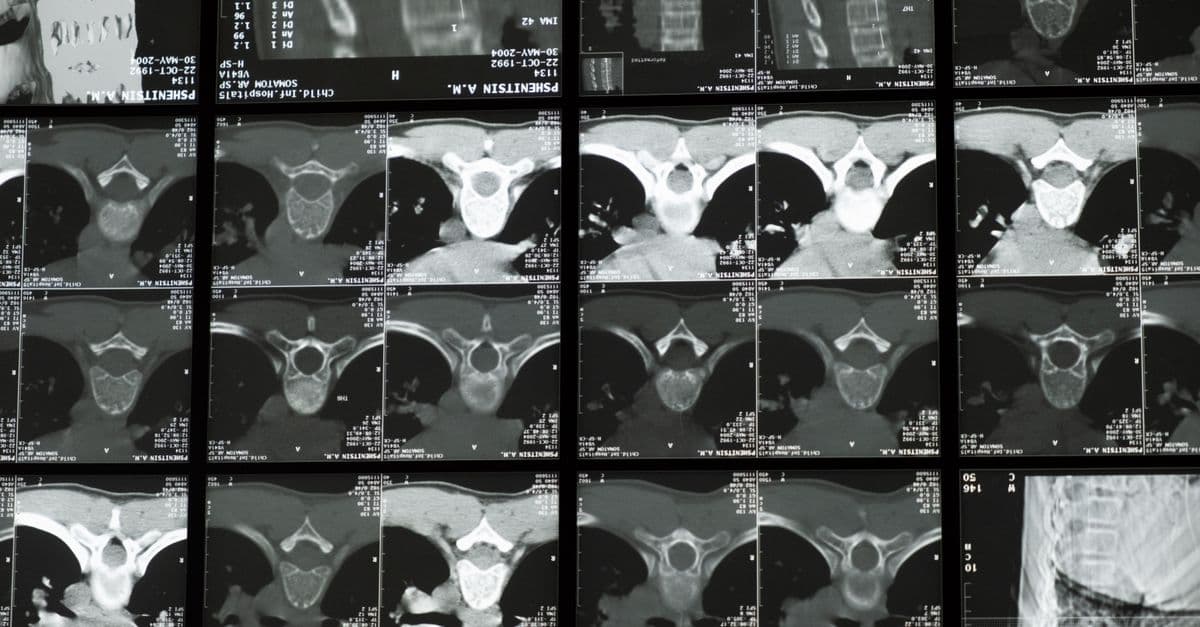
MRI sees inside your body without radiation by making hydrogen atoms in your tissues sing at a specific radio frequency.
Building a skyscraper means solving physics problems at enormous scale — wind, weight, sway, and the challenge of going higher.